
Overview
When your transmission slips during those frosty morning commutes, the culprit is often thickened fluid, low fluid levels, or worn components rather than an immediate transmission catastrophe. Understanding the warning signs, implementing regular maintenance, and knowing when to try DIY fixes versus seeking professional help can save you from expensive repairs while extending your transmission’s lifespan even in the coldest weather.
Table of Contents
- Understanding Transmission Slipping When Cold
- Common Causes of Cold Transmission Slipping
- Diagnosing the Issue: Signs to Watch For
- DIY Solutions: Addressing Minor Transmission Issues
- Preventive Maintenance: Avoiding Transmission Problems
- When to See a Professional Mechanic
- Cost-Saving Tips for Transmission Repairs
- Conclusion
- Frequently Asked Questions
Understanding Transmission Slipping When Cold
If you’re wondering why is my transmission slipping when cold, you’re not alone. That unnerving feeling when your car hesitates or struggles to engage gears during those chilly morning commutes is a common issue many drivers face. As a mechanic with over 15 years of experience, I’ve seen countless worried faces come into my shop with this exact problem.
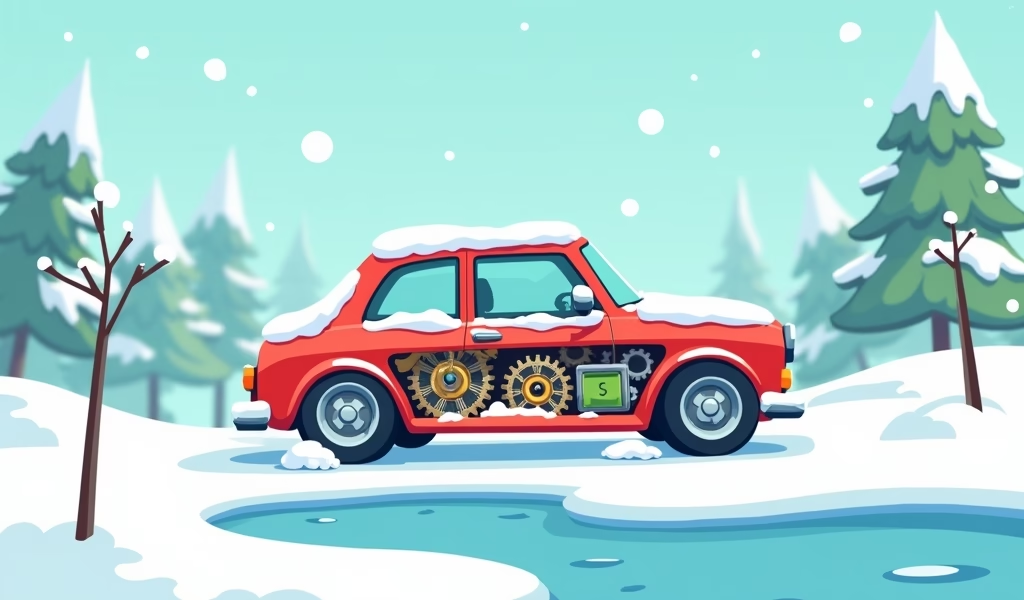
Transmission slipping essentially means your transmission isn’t engaging properly with the engine. When cold weather enters the picture, the issue often becomes more pronounced. Cold temperatures cause transmission fluid to thicken, creating resistance within the system that can lead to delayed engagement or slipping between gears.
The good news? In many cases, cold weather transmission slipping doesn’t automatically signal a catastrophic (and expensive) failure. Understanding why it happens and taking appropriate action can save you from those dreaded four-figure repair bills that keep vehicle owners up at night.
The key to addressing this issue lies in distinguishing between normal cold-weather behavior and genuine transmission problems. Modern transmissions, especially automatics, may exhibit brief hesitation when cold—this is simply the system warming up. However, persistent slipping that doesn’t improve as your vehicle warms up warrants closer attention.
Common Causes of Cold Transmission Slipping
When your transmission slips in cold weather, several factors could be at play. Let’s break down the most common culprits:
Low transmission fluid levels are often the primary suspect. Your transmission relies on adequate fluid to create the hydraulic pressure needed to shift gears smoothly. When fluid levels drop below optimal, the cold further compounds the problem by making the remaining fluid more viscous.
Degraded transmission fluid quality is another frequent offender. Over time, transmission fluid breaks down and loses its effectiveness. Regular fluid maintenance is essential for keeping your transmission healthy, especially in colder climates.
Worn clutch plates or bands within the transmission can also cause slipping. These components facilitate gear changes, and when they wear down, they struggle to maintain proper engagement—particularly when cold makes everything more rigid.
Electronic issues might be the culprit in modern vehicles. Today’s transmissions rely heavily on sensors and electronic controls that can malfunction, causing improper shifting patterns. Cold weather can affect these electronic components, leading to transmission slipping until everything warms up.
Sometimes the transmission control module (TCM) itself needs recalibration or has developed issues. This computer controls your transmission’s operation, and when it receives incorrect data or has programming issues, improper shifting can result.
According to transmission repair specialists, a surprising 60% of cold weather transmission slipping cases can be resolved without major repairs when caught early.
Diagnosing the Issue: Signs to Watch For
Recognizing the early warning signs of transmission issues can save you thousands in repair costs. Here’s what to look for when your transmission slips in cold conditions:
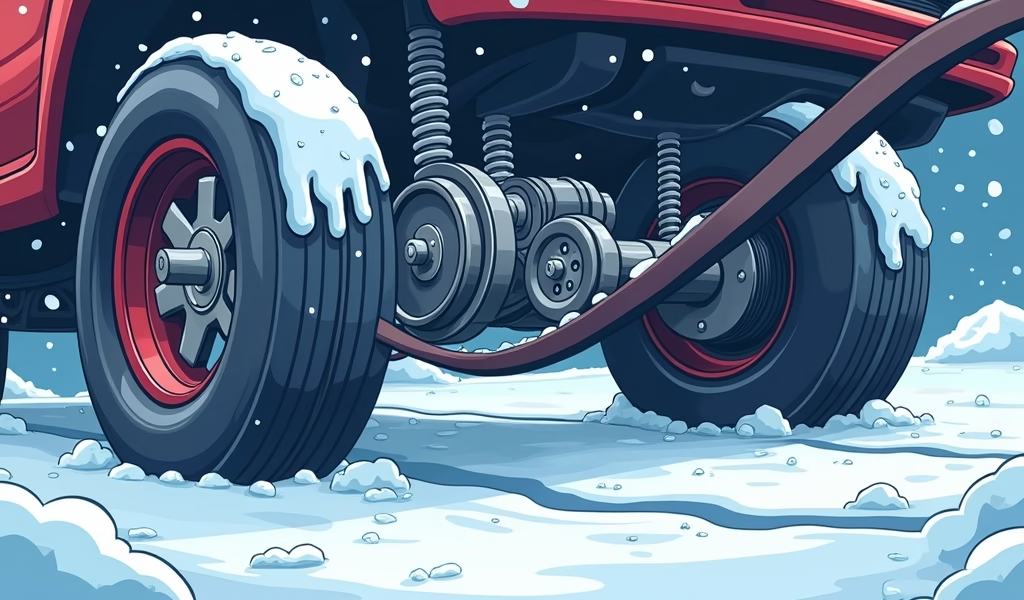
Delayed engagement is often the first noticeable symptom. You put your car in gear, press the gas pedal, and…nothing happens for a moment. Then suddenly, the car lurches forward. This delay tends to be more pronounced when the engine and transmission are cold.
Unusual noises like whining, humming, or buzzing during gear shifts can indicate transmission problems. Pay special attention to any sounds that occur specifically during cold operation but diminish as the vehicle warms up.
Rpm surges without corresponding acceleration are a classic sign of transmission slipping. If your engine revs higher but vehicle speed doesn’t increase proportionally, your transmission is likely slipping between gears.
Burning smells often indicate overheating transmission fluid, which can happen when components struggle against thickened cold fluid. This smell resembles burning paper and should never be ignored, as it can signal significant damage in progress.
Check engine light activation may indicate transmission problems, especially if accompanied by other symptoms. Modern vehicles monitor transmission performance through various sensors, and abnormalities trigger warning lights.
To properly diagnose cold transmission slipping:
- Pay attention to when slipping occurs (only when cold or all the time)
- Note if the problem resolves after the vehicle warms up
- Document any other symptoms occurring simultaneously
- Consider recent maintenance history and fluid change intervals
- Monitor for changes in behavior after cold starts versus regular driving
Remember, proper diagnosis is the cornerstone of effective (and cost-efficient) repairs. Taking mental notes about exactly when and how your transmission behaves can provide valuable information for your mechanic or your own troubleshooting efforts.
DIY Solutions: Addressing Minor Transmission Issues
Before rushing to the repair shop, there are several DIY approaches you can try that might resolve your cold transmission slipping issues. These solutions are particularly effective for minor problems and can potentially save you hundreds in unnecessary repair costs.
First, check your transmission fluid level and condition. Locate the transmission dipstick (usually with a red handle, distinct from the oil dipstick), and check the fluid with the engine running and warmed up. The fluid should be at the “Full” mark and appear clean and red—not brown or black with a burnt smell.
If the fluid level is low, top it off with the manufacturer-recommended type. Using the wrong transmission fluid can cause more problems than it solves, so consult your owner’s manual or a trusted maintenance checklist for the correct specification.
For degraded fluid, consider a transmission flush and filter change. This procedure replaces old fluid with fresh, which can dramatically improve cold-weather performance. Some vehicles have specific flush intervals, typically between 30,000-100,000 miles depending on driving conditions and manufacturer recommendations.
Try using transmission additives designed for cold weather. Products containing friction modifiers can help address minor slipping issues. According to automotive experts, these additives can improve cold-weather shifting in transmissions with minor wear.
Warm up your vehicle properly before driving in cold weather. Allow your car to idle for 1-2 minutes before driving gently for the first few miles. This gives the transmission fluid time to warm up and reach optimal viscosity for proper operation.
Consider installing a transmission fluid heater for extreme cold climates. These aftermarket devices help maintain fluid at optimal operating temperatures, reducing morning cold-start slipping significantly.
Here’s a step-by-step process for addressing cold transmission slipping:
- Check transmission fluid level and condition
- Add fluid if low, using the correct type
- Consider a transmission flush if fluid appears dark or smells burnt
- Implement proper warm-up procedures on cold mornings
- Monitor for improvement over several cold starts
If these DIY solutions don’t resolve the issue after 1-2 weeks, it’s likely time to consult a professional for more advanced diagnostics.
Preventive Maintenance: Avoiding Transmission Problems
The best way to deal with transmission problems is to prevent them from happening in the first place. Regular maintenance is your best defense against costly transmission repairs, especially when it comes to cold-weather slipping.
Establish a regular transmission fluid change schedule based on your manufacturer’s recommendations. For many vehicles, changing the fluid every 30,000-60,000 miles provides optimal protection. Don’t fall for the “lifetime fluid” myth—no transmission fluid truly lasts the lifetime of a vehicle in real-world conditions.
Use the highest quality transmission fluid recommended for your specific vehicle. Premium synthetic fluids maintain better viscosity in cold temperatures and provide superior protection against wear. The few extra dollars spent on quality fluid can save thousands in repairs.
Keep your cooling system in good condition. Many people don’t realize that transmission fluid is often cooled by the same radiator that cools the engine. A compromised cooling system can lead to transmission overheating, which accelerates fluid breakdown.
Consider improving your vehicle’s performance by upgrading the transmission filter during fluid changes. A high-quality filter traps more contaminants, extending the life of your transmission and improving cold-weather operation.
Adopt gentle driving habits during cold weather. Avoid rapid acceleration, hard shifting, and towing heavy loads until your vehicle has fully warmed up. These habits reduce stress on cold transmission components.
Schedule seasonal transmission check-ups if you live in an area with extreme temperature variations. A professional can spot potential issues before they lead to slipping or more serious problems.
When to See a Professional Mechanic
While DIY approaches can address many minor transmission issues, certain symptoms indicate it’s time to consult a professional. Recognizing these warning signs early can be the difference between a minor repair and a complete transmission replacement.
Seek professional help if cold slipping persists after your vehicle reaches normal operating temperature. Temporary cold slipping that resolves after warming up may be normal, but continued slipping indicates a more serious issue requiring expert diagnosis.
Don’t delay if you notice fluid leaks under your vehicle. Transmission fluid leaks not only cause low fluid levels (leading to slipping) but also indicate seal or gasket failures that require professional repair. Look for red or brown spots on your driveway or parking spot.
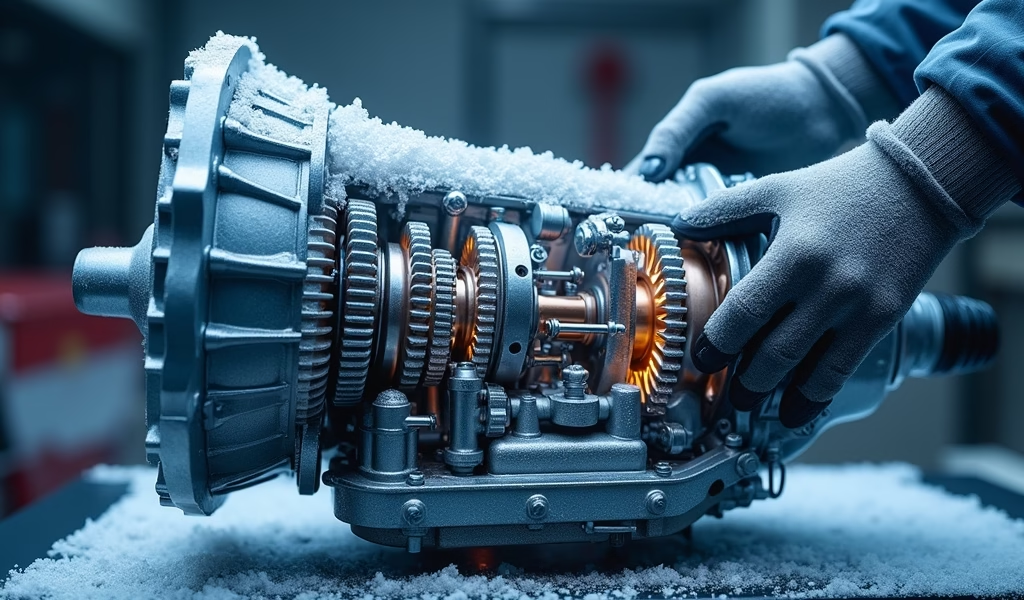
Grinding or shuddering sensations during shifting demand immediate attention. These symptoms suggest internal mechanical problems that DIY methods can’t address and will only worsen with continued driving.
If your check engine light illuminates and stays on, have the codes read by a professional. Many transmission issues trigger diagnostic codes that can pinpoint specific problems, saving diagnostic time and money.
Complete loss of a gear or inability to shift into certain gears requires immediate professional evaluation. This symptom indicates significant internal transmission damage that needs expert repair.
When selecting a transmission specialist:
- Look for shops specializing in transmissions rather than general repair facilities
- Check reviews and ask for recommendations from trusted sources
- Verify certifications and experience with your specific vehicle make
- Get a detailed written estimate before authorizing any work
- Ask about warranty coverage for parts and labor
Consumer Reports suggests that finding the right specialist is as important as the repair itself, with proper diagnosis potentially saving up to 40% on unnecessary transmission work.
Cost-Saving Tips for Transmission Repairs
Transmission repairs can be expensive, but there are strategies to minimize costs without compromising quality. These approaches can help you address why is my transmission slipping when cold without breaking the bank.
Get multiple opinions and estimates before committing to major transmission work. Different shops may diagnose the same problem differently, and repair approaches can vary widely in cost. Three estimates is usually the sweet spot for comparison.
Ask about rebuilt or remanufactured transmission options versus new units. Quality rebuilt transmissions often come with solid warranties at significantly lower prices than new ones. Many manufacturers’ remanufactured units meet or exceed original specifications.
Inquire about replacing only the failing components rather than the entire transmission. In many cases, problems stem from specific parts that can be replaced individually—such as solenoids, valve bodies, or sensors—at a fraction of the cost of full replacement.
Consider independent transmission shops rather than dealerships for out-of-warranty vehicles. Independent specialists often offer lower labor rates while maintaining expertise comparable to or exceeding dealer technicians, especially for transmission-specific issues.
Ask about payment plans or financing options for larger repairs. Many shops partner with financing companies to offer interest-free periods or manageable payment terms for more expensive transmission work.
Check if your extended warranty, vehicle service contract, or even credit card offers coverage for transmission repairs. Some premium credit cards extend warranty coverage beyond manufacturer terms, potentially saving thousands on repairs.
Always address transmission issues promptly when symptoms first appear. What starts as a minor, inexpensive fix can quickly deteriorate into a major repair if ignored. This is especially true with cold transmission slipping, which often indicates problems that will worsen over time.
Conclusion
Understanding why your transmission slips when cold is the first step toward preventing costly repairs. We’ve covered the common causes, from thickened fluid and low levels to worn components and electronic issues. The key takeaway is that cold transmission slipping isn’t always catastrophic—but it should never be ignored.
By implementing regular preventive maintenance, paying attention to early warning signs, and addressing minor issues before they escalate, you can significantly extend your transmission’s lifespan. Remember that proper fluid maintenance alone can prevent many cold-weather transmission problems.
When DIY approaches aren’t enough, knowing when to seek professional help—and how to find the right specialist—becomes crucial. Getting multiple opinions and exploring repair options rather than defaulting to complete replacement can save substantial amounts of money.
Cold-weather transmission slipping may be inconvenient and concerning, but with the knowledge you’ve gained from this guide, you’re well-equipped to address the issue efficiently and economically. Your transmission will thank you with years of reliable service, even on the coldest mornings.
Keep this guide handy as temperatures drop, and remember: proactive care is always less expensive than reactive repairs when it comes to your vehicle’s transmission.
Frequently Asked Questions
Is it normal for a transmission to slip slightly when very cold?
Yes, mild hesitation or brief slipping when extremely cold is relatively normal, especially in older vehicles. This should resolve after the transmission fluid warms up within the first few minutes of driving.
Can low transmission fluid cause slipping only when cold?
Absolutely—low fluid levels are more problematic in cold weather when the remaining fluid becomes thicker. The combination of insufficient volume and increased viscosity commonly causes cold-weather slipping.
How long should I warm up my car to prevent cold transmission slipping?
Allow your vehicle to idle for 1-2 minutes, then drive gently for the first 5-10 minutes. Extended idling isn’t necessary and wastes fuel.
Can using the wrong transmission fluid cause cold weather slipping?
Yes, incorrect fluid specifications can cause slipping, especially in cold temperatures. Always use the manufacturer-recommended fluid type with the correct viscosity rating for your specific transmission.
Will a transmission fluid additive fix my cold slipping problem?
Additives may help minor slipping caused by worn friction materials or slightly degraded fluid. However, they cannot repair mechanical failures or address severe internal transmission damage.