
Overview
That sinking feeling when your temperature gauge hits the red zone isn’t just an inconvenience—it’s a potential financial disaster that demands immediate attention to prevent a $20 thermostat issue from escalating to a $3,000+ engine rebuild. This practical guide explains the common causes of engine overheating (from low coolant levels to head gasket problems), outlines immediate steps to take when your engine runs hot, provides quick fixes to get you back on the road, and offers preventative maintenance strategies to avoid future issues.
Table of Contents
- Understanding Engine Overheating
- Common Causes of an Overheating Engine
- Warning Signs Your Engine Is Running Hot
- Immediate Steps When Your Engine Overheats
- Quick Fixes for an Overheating Engine
- Preventing Future Overheating Issues
- When to Seek Professional Help
- Conclusion
- Frequently Asked Questions
Understanding Engine Overheating
That sinking feeling when your temperature gauge creeps into the red zone is something every driver dreads. An overheating engine isn’t just an inconvenience – it’s a potential financial disaster waiting to happen.
So why is my engine running hot? Your car’s engine operates efficiently within a specific temperature range (usually 195-220°F). When it exceeds this range, you’ve got an overheating situation that demands immediate attention. Think of your engine’s cooling system as its personal climate control – when it fails, things get uncomfortable fast.
Your vehicle’s cooling system is surprisingly straightforward. Coolant circulates through the engine, absorbing heat, then travels to the radiator where that heat dissipates into the surrounding air. The water pump keeps this liquid moving, while the thermostat regulates when coolant flows to the radiator.
When any component in this system fails, temperatures rise quickly. What might start as a $20 thermostat replacement can escalate to a $3,000+ engine rebuild if ignored. That’s why understanding the causes and solutions to an overheating engine is essential knowledge for every driver.
Common Causes of an Overheating Engine
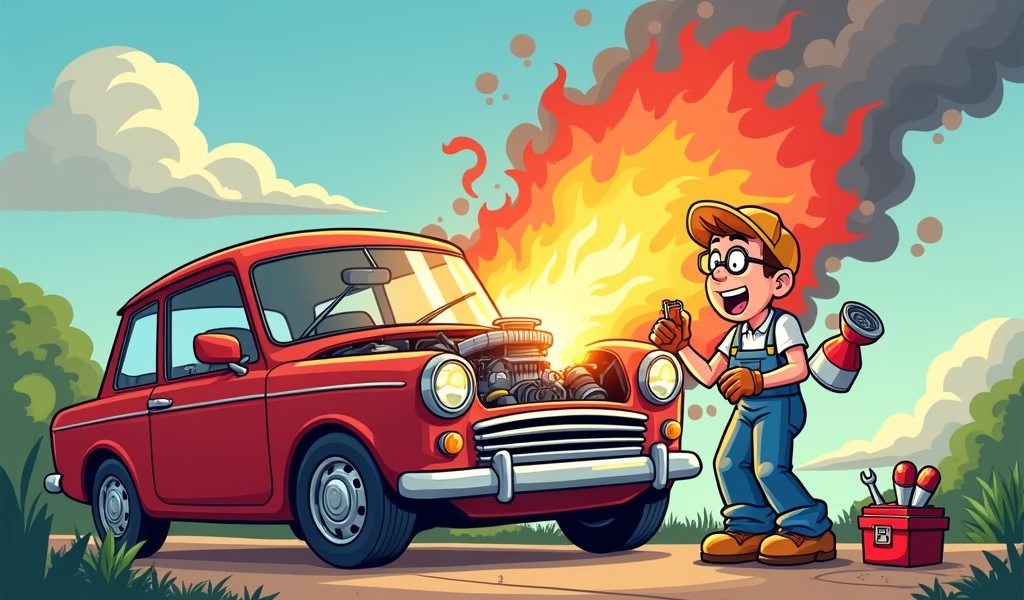
Let’s get to the heart of the matter. Several common culprits typically cause engines to run hot:
Low Coolant Levels
The most straightforward cause is simply not having enough coolant in the system. This can happen due to leaks or natural evaporation over time. Checking your coolant levels regularly can help catch this issue before it becomes problematic.
Coolant Leaks
Your cooling system operates under pressure, and any breach can result in coolant escaping. Common leak points include radiator seams, hose connections, water pump seals, and the heater core. A tell-tale sign is green, orange, or pink fluid underneath your parked car.
Faulty Thermostat
The thermostat controls coolant flow based on engine temperature. When stuck closed, coolant can’t circulate properly, causing rapid overheating. When stuck open, your engine might run cooler than optimal, affecting performance and fuel economy.
Water Pump Failure
Your water pump is the heart of the cooling system, circulating coolant throughout. Usually driven by a belt, these pumps can fail due to bearing wear or impeller damage. When they do, coolant stops flowing, and temperatures skyrocket.
Radiator Issues
Over time, radiators can become clogged with mineral deposits or external debris like bugs and leaves. This restricts airflow and prevents proper heat dissipation. Additionally, damaged fins reduce a radiator’s efficiency.
Failed Radiator Fan
Modern cars use electric fans to pull air through the radiator when the vehicle isn’t moving fast enough for natural airflow. A malfunctioning fan, failing temperature sensor, or blown fuse can prevent this critical cooling function.
Head Gasket Problems
While often a result of overheating rather than a cause, a compromised head gasket can create a vicious cycle. When damaged, it may allow combustion gases into the cooling system, creating air pockets that prevent proper coolant flow.
According to AAA’s automotive experts, over 30% of roadside assistance calls for disabled vehicles relate to cooling system failures. Understanding these common causes is your first step toward prevention.
Warning Signs Your Engine Is Running Hot
Your vehicle usually gives several hints before a full-blown overheating crisis occurs. Recognizing these early warning signs can save you from expensive repairs:
- Temperature gauge reading higher than normal or in the red zone
- Steam (often mistaken for smoke) coming from under the hood
- Sweet, syrupy smell (coolant) inside or outside the vehicle
- Engine performance changes – power loss, rough running
- Warning lights illuminated on your dashboard
- Unusual sounds like ticking, thumping, or hissing
- Coolant puddles beneath your parked car
Many drivers notice their temperature gauge climbing primarily in specific situations – like when idling in traffic or during hot weather. This pattern provides valuable clues about what might be causing your overheating issue.
For example, overheating only in stop-and-go traffic often points to a fan problem, while consistent overheating regardless of driving conditions might suggest a thermostat or water pump issue. These distinctions help narrow down potential causes and solutions.
Immediate Steps When Your Engine Overheats
When that temperature gauge starts climbing toward the danger zone, time is literally of the essence. Here’s what to do immediately:
- Turn off your air conditioning and turn on your heater to maximum. This seems counterintuitive, but it helps draw heat away from the engine.
- If you’re stuck in traffic, shift to neutral or park and gently rev the engine. This speeds up the water pump and fan, potentially helping cool things down.
- If temperature continues rising, pull over as soon as safely possible and turn off your engine. Continuing to drive an overheating engine can cause catastrophic damage in minutes.
- Wait at least 15-30 minutes for the engine to cool down. Never, ever open the radiator cap on a hot engine – the pressurized coolant can cause severe burns.
- Once cooled, check your coolant level (both in the overflow reservoir and, if necessary, the radiator). Low coolant is often the culprit.
Remember, your safety comes first. If you’re in an unsafe location or traffic is heavy, calling for roadside assistance might be the wisest choice. The diagnostic information you gather during this event (when overheating occurred, any unusual sounds, etc.) will be valuable for repairs later.
Quick Fixes for an Overheating Engine
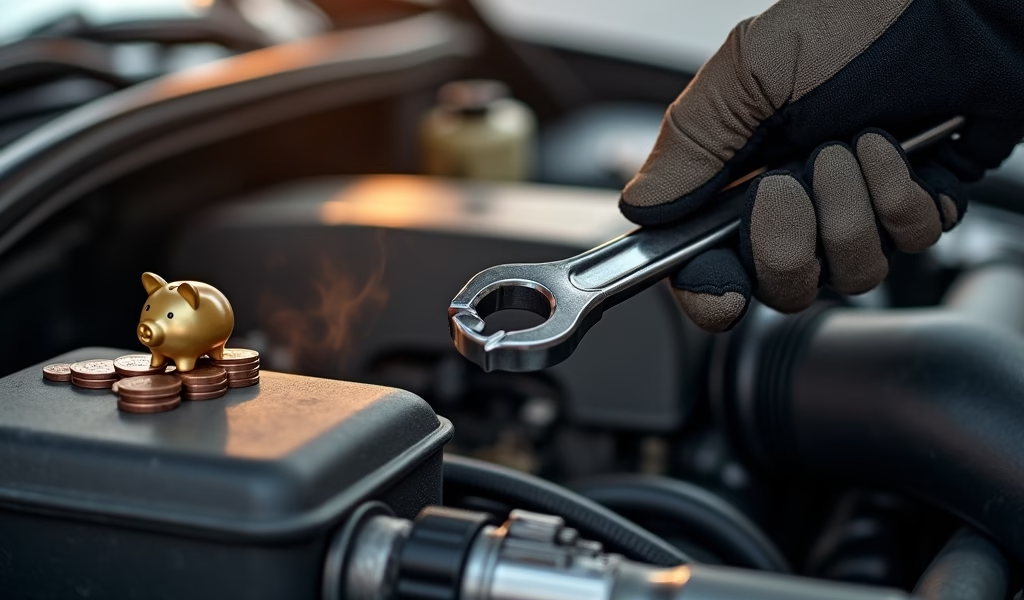
Once your engine has cooled sufficiently, here are some quick fixes that might get you back on the road:
Topping Up Coolant
If your coolant is low with no obvious leaks, adding the proper coolant mixture might solve your immediate problem. Always use a 50/50 mix of the correct coolant type and distilled water unless your vehicle specifies otherwise.
In a genuine emergency with no coolant available, plain water can be used temporarily – but switch to proper coolant as soon as possible to prevent corrosion and freezing issues.
Fixing Minor Leaks
For small external leaks, commercial cooling system sealants (available at auto parts stores) can provide a temporary fix. These products work by sealing small holes from the inside as they circulate through your cooling system.
A word of caution from Consumer Reports’ automotive specialists – these products should only be considered temporary solutions. They can potentially clog smaller passages in your cooling system if used repeatedly.
Dealing with a Stuck Thermostat
If a stuck thermostat is suspected (rapid overheating after a cold start), some experienced DIYers will gently tap on the thermostat housing with a wrench handle. This occasionally frees a stuck thermostat valve enough to get you to a repair shop.
Clearing Debris from the Radiator
Check the front of your radiator for leaves, bugs, or other debris that might be blocking airflow. Using a garden hose (with the engine off and cool), gently spray from the engine side outward to dislodge any buildup.
Checking for Fan Issues
With the engine running and warmed up, confirm your cooling fan is operating. If it’s electric, listen for it to kick on when the engine reaches operating temperature. No fan operation could indicate electrical problems – check fuses first, as this is the easiest fix.
Belt Inspection
If your water pump is driven by a belt, check for signs of wear, proper tension, and alignment. A slipping or damaged belt won’t properly drive the water pump, reducing coolant circulation.
Remember that these are temporary solutions to get you to a professional. Continuing to drive with known cooling system issues is gambling with your engine’s life expectancy.
Preventing Future Overheating Issues
An ounce of prevention is worth a gallon of coolant when it comes to avoiding overheating problems. Here’s how to keep your engine running at the right temperature:
Regular Maintenance Checks
- Check coolant levels monthly (when the engine is cold)
- Inspect hoses and connections for leaks, cracks, or bulges quarterly
- Replace coolant according to your vehicle’s maintenance schedule (typically every 2-5 years)
- Have your cooling system pressure-tested annually, especially before summer
Think of your cooling system maintenance as cheap insurance. Spending $100-200 annually on preventive care can save thousands in emergency repairs later.
Seasonal Considerations
Different seasons bring different challenges for your cooling system. Before summer, ensure your cooling system is in top condition, as higher ambient temperatures reduce its efficiency margin. Before winter, verify your coolant has the proper antifreeze concentration to prevent freezing damage.
Component Replacement Schedules
Some cooling system components have predictable lifespans and should be replaced preemptively:
- Water pump: Often replaced with timing belt (60,000-100,000 miles)
- Thermostat: Every 4-5 years or when showing signs of failure
- Radiator cap: Every 5 years (an inexpensive part with a critical role)
- Coolant hoses: Every 5-7 years, even if they look fine externally
Following these tips for extending your car engine life will help prevent not just overheating issues but many other expensive repairs as well.
When to Seek Professional Help
While some cooling system maintenance is DIY-friendly, certain situations call for professional intervention. Know when to hand over the wrench:
Persistent Overheating
If your vehicle continues overheating after basic troubleshooting and temporary fixes, it’s time for professional diagnostics. Modern cooling systems are interconnected with other vehicle systems, and proper testing equipment is essential for accurate diagnosis.
Internal Leaks
If you suspect an internal coolant leak (symptoms include mysterious coolant loss with no external puddles, white exhaust smoke, or oil that looks like chocolate milk), seek immediate professional help. These symptoms often indicate head gasket issues that require specialized tools and expertise.
Complicated Component Replacements
While replacing a thermostat might be DIY-appropriate on many vehicles, water pump replacement often involves timing belt considerations, special tools, and precise procedures. Radiator replacement on modern vehicles can be complicated by tightly packed engine compartments and multiple electronic connections.
What to Expect at the Shop
A reputable shop will perform a systematic diagnosis rather than just replacing parts. This typically includes:
- Cooling system pressure testing to identify leaks
- Thermostat function verification
- Radiator flow testing
- Combustion leak testing (for head gasket issues)
- Fan operation verification
Expect to pay $50-150 for proper diagnostics, but this investment prevents wasteful part replacements and ensures the actual problem is addressed.
Conclusion
An overheating engine is more than just an inconvenience – it’s a warning sign that demands attention. By understanding the causes, recognizing the symptoms, and knowing both immediate responses and preventative measures, you can protect one of your most valuable assets: your vehicle’s engine.
Remember that cooling system maintenance is remarkably cost-effective when compared to the alternative. A $20 thermostat, $50 coolant flush, or even a $500 radiator replacement pales in comparison to the $3,000+ engine rebuild that can result from ignoring overheating problems.
The next time you see your temperature gauge creeping upward, you’ll be equipped with the knowledge to respond appropriately – potentially saving yourself thousands in repairs and extending your vehicle’s lifespan. Your engine works hard for you; returning the favor through proper maintenance is just good sense.
Frequently Asked Questions
Can I drive with an overheating engine?
No, continuing to drive with an overheating engine can cause catastrophic damage within minutes. Pull over safely, turn off the engine, and allow it to cool before investigating.
How long should I wait for an overheated engine to cool down?
Wait at least 15-30 minutes before opening the hood, and never remove the radiator cap until the engine is completely cool. Full cooling can take up to an hour depending on conditions.
Can I just add water instead of coolant in an emergency?
Plain water can be used as a temporary emergency measure to get you to a service location. Replace with proper coolant mix as soon as possible to prevent corrosion and ensure proper freeze/boil protection.
Why does my car overheat in traffic but not on the highway?
This typically indicates a problem with your cooling fan or airflow. At highway speeds, natural airflow cools the radiator, but in traffic, your vehicle relies on the cooling fan.
How much does it typically cost to fix an overheating engine?
Repair costs vary widely from $20 for a radiator cap to $500-800 for a radiator replacement to $2,000+ for head gasket repairs. Early intervention almost always means lower repair costs.