
Overview
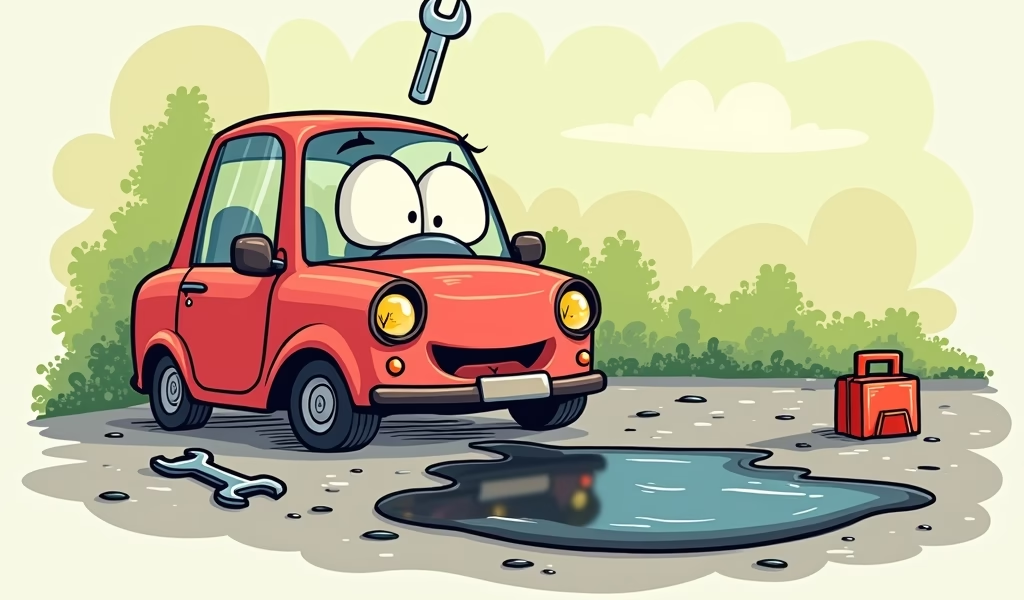
That mysterious oil puddle under your parked car might be caused by anything from deteriorated gaskets and damaged oil pans to loose drain plugs or failed seals, with repair costs ranging from $25 to $1,800 depending on the source. Regular maintenance, prompt attention to minor leaks, and knowing when to seek professional help can prevent catastrophic engine damage while keeping your driveway clean and your wallet intact.
Table of Contents
- Understanding Oil Leaks: Why Is My Car Leaking Oil When Parked?
- Common Signs of an Oil Leak
- Main Causes of Oil Leaks in Parked Vehicles
- How to Diagnose an Oil Leak Yourself
- Preventing Oil Leaks: Maintenance Tips
- Understanding Repair Costs and Avoiding Expensive Fixes
- When to Seek Professional Help
- Conclusion
- Frequently Asked Questions
Understanding Oil Leaks: Why Is My Car Leaking Oil When Parked?
Discovering that dark, slick puddle under your vehicle can instantly trigger alarm bells. If you’ve asked yourself, “Why is my car leaking oil when parked?” you’re not alone. As a mechanic who’s seen thousands of leaky vehicles roll into my shop, I can tell you this is one of the most common issues car owners face. Oil leaks can range from minor nuisances to serious problems that threaten your engine’s health—and your wallet.
The good news? Many oil leaks can be identified and addressed before they lead to costly repairs. Oil serves as your engine’s lifeblood, lubricating crucial components and preventing excessive wear. When that oil escapes, it’s not just creating a mess on your driveway; it’s potentially compromising your vehicle’s performance and longevity.
In this comprehensive guide, we’ll explore the causes behind oil leaks in parked vehicles, how to identify exactly where they’re coming from, and practical solutions that might save you hundreds (or even thousands) in repair bills. Whether you’re a DIY enthusiast or someone who prefers leaving car troubles to the professionals, understanding the basics of oil leaks will empower you to make smarter decisions about your vehicle’s care.
Common Signs of an Oil Leak
Before we dive into the causes, let’s make sure you can properly identify an oil leak. Oil has distinct characteristics that differentiate it from other fluids your car might leak. Here’s what to look for:
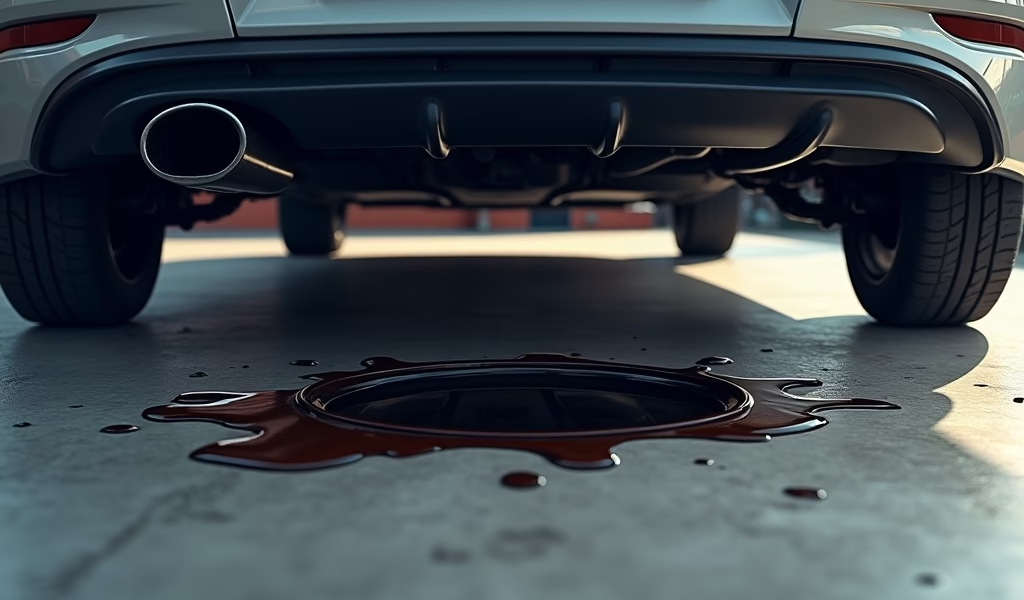
- Dark brown or amber-colored puddles beneath your vehicle
- A burning oil smell, especially after driving
- Blue smoke coming from the exhaust
- The oil pressure warning light illuminating on your dashboard
- Needing to add oil between scheduled car maintenance intervals
The location of the puddle can provide valuable clues. If you find oil spots toward the front of the vehicle, the leak likely originates from the engine area. Spots in the middle might indicate transmission or oil pan issues, while rear spots could suggest rear main seal problems.
Don’t confuse oil with other automotive fluids. Transmission fluid is typically reddish and thinner, while coolant often has a green, orange, or pink tint and feels slippery. Oil has a distinct dark color and feels slick between your fingers. When in doubt, place a piece of cardboard under your car overnight to catch any drips for easier identification.
Main Causes of Oil Leaks in Parked Vehicles
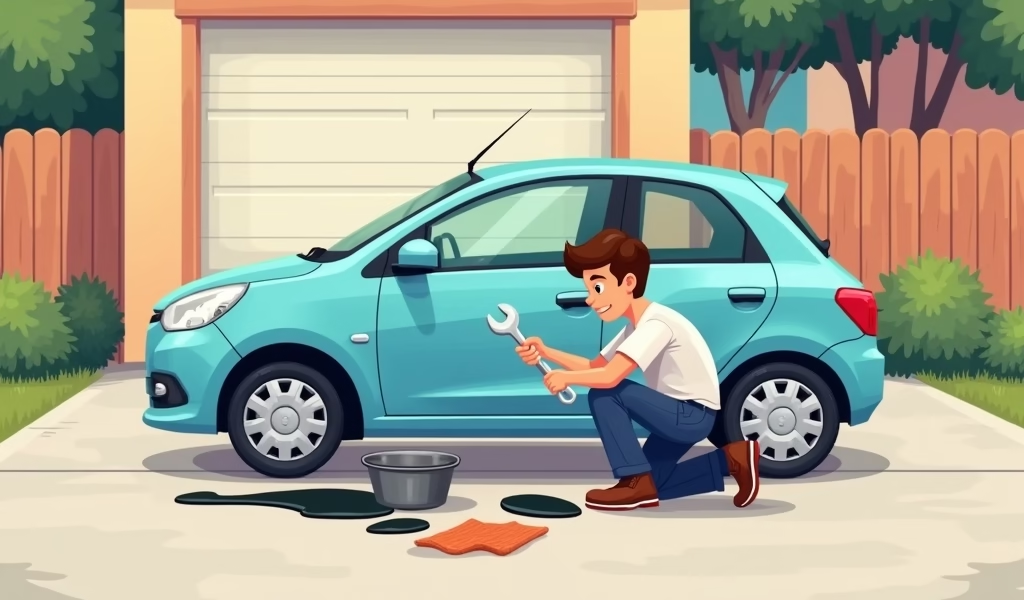
When your car is leaking oil when parked, several culprits might be responsible. After examining thousands of vehicles over my career, I’ve found these are the most common causes:
1. Deteriorated Gaskets and Seals
Your engine contains numerous gaskets and seals designed to keep oil contained within specific areas. The oil pan gasket, valve cover gasket, and timing cover seal are particularly prone to deterioration over time. Heat cycles, age, and normal wear gradually break down these rubber and cork components, creating small gaps where oil can escape.
The oil pan gasket, which seals the bottom of your engine where oil collects, is especially vulnerable since it’s closest to road debris and experiences significant temperature fluctuations. When you park, gravity pulls oil down toward any compromised areas in this gasket, often resulting in those telltale drips on your driveway.
2. Damaged Oil Pan
Driving over road debris, speed bumps, or parking stops can damage your oil pan. Even a small dent or crack can create an escape route for oil. Because the oil pan sits at the bottom of the engine, it’s particularly vulnerable to impact damage. These leaks typically worsen when the car sits, as oil pools in the damaged area.
3. Loose or Damaged Oil Drain Plug
After an oil change, an improperly tightened drain plug can cause leaks. It’s also possible for the drain plug’s threads to become stripped or for the gasket to be missing or damaged. This seemingly minor issue can lead to significant oil loss over time, especially when your vehicle remains stationary and oil settles at the bottom of the pan.
4. Failed Oil Filter or Pressure Switch
An improperly installed oil filter or one that’s come loose can cause leaks around its sealing gasket. Similarly, oil pressure switches and sensors can develop leaks at their connection points. These components undergo tremendous pressure fluctuations and can fail over time, allowing oil to escape when the engine is off and pressure equalizes.
5. Worn Timing Cover or Rear Main Seal
These are among the more serious leaks. The rear main seal sits where the engine connects to the transmission, while the timing cover protects the timing chain or belt at the front of the engine. Both contain oil and can develop leaks after extended use. When the car is parked, gravity pulls oil toward these damaged seals, resulting in drips. According to AAA’s automotive experts, these leaks often become more noticeable during periods of inactivity.
How to Diagnose an Oil Leak Yourself
Before heading to a mechanic, you can perform some basic diagnostic steps to pinpoint the leak’s source. This knowledge will help you communicate more effectively with your mechanic and potentially avoid unnecessary repairs.
Step 1: Clean the Engine
Start with a clean engine so new leaks will be easier to spot. You can use engine degreaser from an auto parts store, following the product instructions carefully. After cleaning, drive the car briefly, then park it on clean concrete or place cardboard underneath to catch fresh leaks.
Step 2: Use UV Dye to Trace Leaks
Oil leak detection kits containing UV dye can be added to your engine oil. After running the engine for a while, use the included UV light to illuminate the leak’s path. The fluorescent dye will glow brightly at the source and along the leak’s trail, making identification much easier.
Step 3: Check Common Trouble Spots
Examine these areas carefully:
- Around the oil filter for loose installation or damaged gaskets
- The oil pan and its gasket for signs of damage or seepage
- Valve covers for deteriorated gaskets
- The timing cover area for oil residue
- Where the transmission meets the engine (rear main seal area)
- The oil drain plug for proper tightness and condition
Don’t overlook the possibility of multiple leak sources. In older vehicles especially, several gaskets might be failing simultaneously. Using a reliable engine diagnostic app can also help you monitor oil pressure and other parameters that might indicate where the problem lies.
Step 4: Assess Leak Severity
Determine how serious the leak is by monitoring:
- How quickly oil levels drop on the dipstick
- The size and frequency of oil puddles
- Whether the leak occurs only when parked or also while driving
Minor seeps that don’t cause the oil level to drop between changes might simply need monitoring rather than immediate repair. However, active drips require attention before they worsen and potentially cause engine damage.
Preventing Oil Leaks: Maintenance Tips
An ounce of prevention is worth a gallon of oil—at least when it comes to keeping your engine leak-free. Here are proven strategies to minimize your risk of developing oil leaks:
Regular Oil Changes
Clean, fresh oil of the correct viscosity helps maintain seal health. Old, dirty oil can break down rubber components and create sludge that increases system pressure. Stick to your manufacturer’s recommended maintenance schedule for oil changes to prolong the life of gaskets and seals.
Check Oil Levels Regularly
Make it a habit to check your oil level every couple of weeks. Sudden drops might indicate a developing leak that’s not yet visible. Early detection can prevent more extensive damage.
Use High-Quality Oil and Filters
Premium oils contain additives that help condition seals and reduce leakage. Similarly, quality filters with proper gaskets reduce the risk of leaks at the filter connection. As noted in a Consumer Reports study, investing in quality maintenance products often results in fewer repairs down the road.
Address Minor Leaks Promptly
What starts as a small seep can progress to a major leak. When you notice the first signs of oil leakage, monitor it closely and address it before it worsens. Some minor seals and gaskets are relatively inexpensive to replace if caught early.
Consider Oil Additives for Older Vehicles
For high-mileage vehicles with minor leaks, oil additives designed to recondition seals might help reduce leakage. Products containing seal swellers can restore flexibility to aged rubber components, potentially extending their useful life.
Understanding Repair Costs and Avoiding Expensive Fixes
Oil leak repair costs vary dramatically depending on the leak’s location and your vehicle’s make and model. Here’s a breakdown of what you might expect to pay and strategies to minimize expenses:
Common Repair Cost Ranges
- Oil pan gasket: $100-$400
- Valve cover gasket: $100-$350
- Oil drain plug or gasket: $25-$50
- Timing cover seal: $400-$1000
- Rear main seal: $800-$1800
Labor typically accounts for a significant portion of these costs, especially for components that require substantial disassembly to access. According to data from RepairPal, labor can represent up to 70% of the total repair cost for complex jobs like rear main seal replacement.
Cost-Saving Strategies
Before committing to expensive repairs, consider these approaches:
- For minor leaks, try a high-quality stop-leak additive first (though these are temporary solutions at best)
- Get multiple repair quotes from different shops
- Ask if aftermarket parts are available (often 20-50% less expensive than OEM)
- For DIY-friendly repairs like valve cover gaskets, consider doing it yourself with online tutorials
- Address multiple leaks simultaneously to save on labor costs
Remember that continuing to drive with an active oil leak risks more than just stained driveways. Low oil levels can cause catastrophic engine failure, turning a few hundred dollar repair into a multi-thousand dollar engine replacement. The key is finding the balance between prudent repair and avoiding unnecessary work.
When to Seek Professional Help
While some oil leak issues can be addressed by DIY enthusiasts, certain situations warrant professional intervention. Here’s when to pick up the phone and call a trusted mechanic:
Signs You Need Professional Help Immediately
- Oil pressure warning light is illuminated
- You’re adding more than a quart of oil between scheduled changes
- You notice performance issues like rough running or unusual noises
- Blue smoke is coming from your exhaust
- The leak appears to be coming from deep within the engine
Professional mechanics have specialized tools like pressure testers, endoscopes, and smoke machines that can pinpoint leak sources without extensive disassembly. They can also identify when multiple issues are present and prioritize repairs based on severity and budget constraints.
When selecting a repair shop, look for ASE certification, positive reviews specifically mentioning oil leak repairs, and shops that offer free or low-cost diagnostics. A good mechanic will explain all your options and help you make an informed decision about how to proceed.
Conclusion
Discovering your car is leaking oil when parked might feel alarming at first, but understanding the potential causes and solutions puts you in the driver’s seat when it comes to addressing the problem. From deteriorated gaskets to damaged oil pans, most oil leaks are fixable without breaking the bank—especially when caught early.
Remember that prevention through regular maintenance is your best defense against developing leaks in the first place. Regular oil changes, quality parts, and prompt attention to minor issues can save you from more costly repairs down the road.
Whether you choose to tackle simple repairs yourself or trust a professional with more complex issues, being an informed vehicle owner allows you to make smarter decisions about your car’s care. By understanding why your car is leaking oil when parked and knowing the appropriate next steps, you’re well on your way to keeping your vehicle running smoothly—and your driveway clean—for years to come.
Frequently Asked Questions
Is it safe to drive with an oil leak?
Driving with a minor oil leak is possible for short distances, but monitor your oil levels frequently. Severe leaks causing rapid oil loss can lead to engine damage and should be addressed immediately.
How much does it typically cost to fix an oil leak?
Repair costs range from $100-$1800 depending on the leak source and your vehicle type. Simple gasket replacements like oil pan or valve cover gaskets are on the lower end, while rear main seal repairs cost substantially more.
Can I use stop-leak additives instead of repairing my car?
Stop-leak additives can temporarily reduce minor leaks by softening and expanding seals. They’re not permanent solutions and won’t fix mechanical issues like cracked components or severely damaged gaskets.
How often should I check for oil leaks?
Check under your vehicle weekly and monitor your oil level every 2-3 weeks. More frequent checking is recommended for older vehicles or those with known leak tendencies.
How can I tell if the leak is oil and not another fluid?
Engine oil is typically amber to dark brown with a slick feel between your fingers. Transmission fluid is reddish, brake fluid is clear to yellowish, and coolant is green, orange, or pink with a slippery feel.