
Overview
When your vehicle’s coolant mysteriously disappears, it signals one of seven potential issues ranging from simple external leaks to serious internal problems like head gasket failures, with repair costs varying from $50 for a radiator cap to $7,000+ for engine replacement. Rather than just topping off coolant and hoping for the best, addressing the underlying cause early through proper diagnosis and maintenance prevents catastrophic engine damage and saves thousands in repairs down the road.
Table of Contents
- Understanding Coolant: What It Is and Why It Matters
- Signs Your Vehicle Is Losing Coolant
- 7 Common Causes of Disappearing Coolant
- How to Diagnose Coolant Loss Yourself
- The Risks of Ignoring Coolant Loss
- Repair Costs: What to Expect
- Preventing Coolant Loss: Maintenance Tips
- Conclusion
- Frequently Asked Questions
Understanding Coolant: What It Is and Why It Matters
When coolant mysteriously disappears from your vehicle without obvious leaks, it’s not just annoying – it’s a warning sign that shouldn’t be ignored. As a mechanic with 15+ years of experience, I’ve seen too many engines destroyed because someone dismissed their vanishing coolant as “just one of those things.”
Coolant (also called antifreeze) is the lifeblood of your engine’s cooling system. This brightly colored fluid circulates through your engine, absorbing heat and carrying it to the radiator where it dissipates into the surrounding air. Without adequate coolant, your engine can overheat in minutes, potentially causing thousands in damage.
Modern coolant is typically a mixture of ethylene glycol or propylene glycol with water, plus corrosion inhibitors and lubricants. These specialized formulations don’t just prevent freezing in winter – they’re designed to protect your engine year-round by:
- Transferring heat efficiently away from critical engine components
- Preventing corrosion inside your cooling system
- Lubricating the water pump and other moving parts
- Maintaining proper pH balance to protect metals and gaskets
Different vehicles require specific coolant types, which is why you’ll see various colors like green, orange, yellow, or blue. Using the wrong type can actually accelerate system damage, so always follow your manufacturer’s recommendations found in your car maintenance checklist.
Signs Your Vehicle Is Losing Coolant
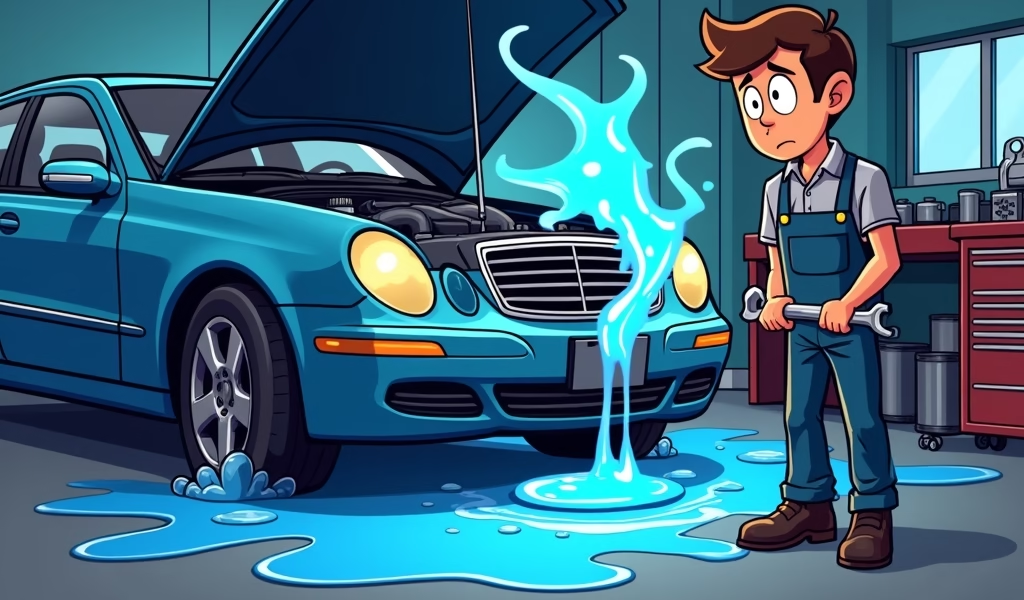
Before your engine overheats and leaves you stranded, your vehicle typically shows several telltale signs that coolant is disappearing. Learning to recognize these early warning signs can save you significant money and hassle.
The most obvious indicator is consistently low coolant in the reservoir. If you’re regularly adding coolant between service appointments, something’s definitely wrong – coolant doesn’t just “get used up” like fuel.
Other warning signs include:
- Sweet, maple-syrup-like smell around your vehicle (especially after driving)
- Temperature gauge reading higher than normal or fluctuating unpredictably
- White steam coming from under the hood
- Heater blowing cold air when it should be hot
- White smoke from the exhaust (particularly when the engine is warming up)
- Puddles or stains under the car (coolant is typically green, orange, pink, or yellow)
- Engine overheating warnings on your dashboard
If you notice any combination of these symptoms, it’s time to investigate – preferably before you end up on the roadside with an overheated engine. According to AAA, continuing to drive with an overheating engine can cause extensive damage in just minutes.
7 Common Causes of Disappearing Coolant
When coolant vanishes without obvious puddles under your car, you might feel like you’re dealing with automotive black magic. In my years as a mechanic, I’ve tracked down hundreds of these mysteries. Here are the seven most common culprits:
1. External Leaks That Evaporate Quickly
The most straightforward cause is small external leaks that evaporate before forming visible puddles. Common leak points include radiator seams, hose connections, the water pump, heater core, and freeze plugs. These leaks often only appear when the engine is hot and the cooling system is under pressure.
Look for dried coolant residue (crusty white, green, or orange deposits) around hose connections and components. Sometimes these leaks are so small they’ll evaporate before hitting the ground, especially during summer.
2. Failing Head Gasket
A compromised head gasket is a more serious issue. This critical gasket seals the space between your engine block and cylinder heads. When it fails, coolant can leak into the combustion chambers where it burns with the fuel-air mixture.
Since the coolant burns inside the engine, there’s no visible external leakage – just mysteriously disappearing fluid and possibly white smoke from your exhaust. A blown head gasket also frequently causes bubbling in the coolant reservoir and oil contamination (look for milky residue on your dipstick).
3. Radiator Cap Problems
Your radiator cap isn’t just a cover – it’s a precision component that maintains specific pressure in your cooling system. This pressure raises the boiling point of the coolant mixture and ensures proper circulation.
A worn or damaged cap that doesn’t maintain proper pressure can allow coolant to escape through the overflow tube, especially when the engine is hot. This is one of the least expensive cooling system issues to fix.
4. Cracked Block or Cylinder Head
Severe overheating or freezing damage can crack your engine block or cylinder heads. These cracks may be microscopic initially but allow coolant to escape into combustion chambers or the oil system.
This serious problem generally requires engine rebuilding or replacement, but catching it early can sometimes allow for more affordable repairs like welding or specialized sealants.
5. Internal Cooling System Corrosion
Over time, especially with improper maintenance, internal corrosion can create small holes or damage in your radiator, heater core, or water pump. Using the wrong coolant type or mixing incompatible coolants accelerates this process.
Corrosion damage often causes coolant loss that worsens gradually over months, making it easy to dismiss until it becomes severe.
6. Intake Manifold Gasket Leak
On many engines, coolant flows through passages in the intake manifold to help regulate temperature. The gaskets sealing these passages can deteriorate over time, allowing coolant to leak internally.
This type of leak often causes rough running or misfires as the coolant enters the combustion chambers, along with the characteristic sweet smell of burning coolant.
7. Exhaust Gas Recirculation (EGR) System Leaks
In some vehicles, especially diesels with EGR coolers, coolant is used to reduce exhaust gas temperatures. Leaks in these components allow coolant to enter the exhaust system and vaporize without leaving visible traces.
These leaks are particularly common in certain diesel trucks and can be challenging to diagnose without specialized equipment.
How to Diagnose Coolant Loss Yourself
Before heading to a repair shop, you can perform several diagnostic steps to help identify where your coolant is disappearing. These approaches might save you money by narrowing down the problem or confirming that professional help is needed.
Visual Inspection
Start with the basics. With the engine completely cool, check all visible cooling system components:
- Examine hoses for cracks, softness, or bulges
- Look for white, green, or rusty deposits around connections
- Check under the car for any signs of leakage
- Inspect the radiator for damage or seepage
- Look at the water pump for weeping around the shaft seal
Sometimes using a flashlight and mirror can help you see areas otherwise hidden from view.
Pressure Testing
Many auto parts stores loan or rent cooling system pressure testers. These simple tools let you pressurize the cooling system without running the engine, making leaks easier to spot.
- With the engine cold, remove the radiator cap
- Attach the pressure tester to the radiator opening
- Pump to the pressure specified on your cap (typically 13-16 psi)
- Watch for pressure drops or visible leakage
- Check under the vehicle for any signs of leaks
If the system holds pressure, your issue might be internal or intermittent.
Checking for Internal Leaks
To check for internal consumption (like a bad head gasket):
- Examine your oil dipstick for milky discoloration (indicating coolant in the oil)
- Look for white smoke from the exhaust, especially on startup
- Check for bubbles in the coolant when the engine is running
- Use a block tester kit (available at auto parts stores) to check for exhaust gases in the coolant
If you’re comfortable with engine diagnostic apps or scan tools, check for misfire codes which can indicate coolant entering the combustion chambers.
UV Dye Method
For elusive external leaks, a UV dye kit can be invaluable:
- Add UV dye to your cooling system following package directions
- Drive the vehicle normally for a day or two
- In dim lighting, use the UV light to inspect the engine compartment
- The dye will glow brightly at leak points
This method often reveals tiny leaks that evaporate before leaving visible traces.
The Risks of Ignoring Coolant Loss
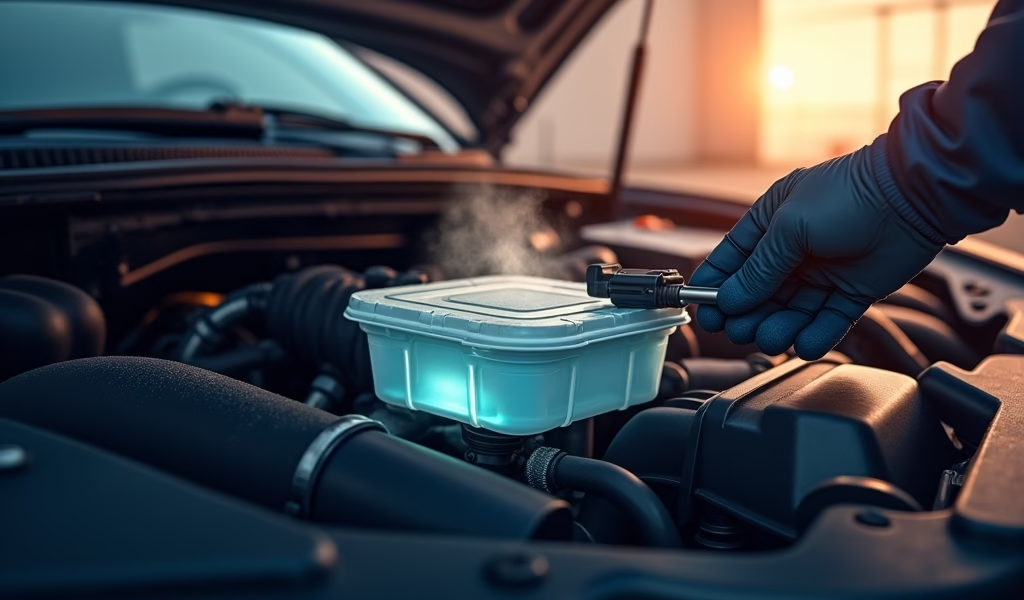
As tempting as it might be to just keep topping off your coolant and carrying on, this approach often leads to costly consequences. Let me share what happens when coolant issues go unchecked:
Overheating Damage
Modern engines have tight tolerances. Even brief overheating can warp cylinder heads, damage head gaskets, and create problems far more expensive than fixing the original leak would have been. According to research from Car Care Council, temperatures above 240°F can cause rapid damage to engine components.
Once warping occurs, you’re looking at potential repair costs in the thousands rather than hundreds of dollars.
Cascading System Failures
One failing component often leads to others. For example, a small radiator leak left unaddressed can lead to overheating, which damages the head gasket, which then allows coolant into the oil, which then causes bearing damage… you get the idea.
What might have been a $200 radiator repair becomes a $3,000 engine rebuild.
Unexpected Breakdowns
Running with insufficient coolant means you’re always one traffic jam away from being stranded. Breakdowns rarely happen at convenient times or locations, adding towing costs and disruption to your already expensive repair.
If you’re noticing coolant loss, address it before your next road trip or during extreme weather conditions when a breakdown could be particularly troublesome or even dangerous.
Secondary System Damage
Coolant loss doesn’t just affect the engine. The cooling system connects to your heater, which means leaks can damage interior components. Coolant is also corrosive to electrical connections and can cause short circuits if it reaches control modules or wiring harnesses.
Even if your engine survives, these secondary damages can add hundreds to your repair bill.
Repair Costs: What to Expect
The financial impact of coolant system repairs varies dramatically depending on the cause. Here’s what you might expect to pay for common issues:
Simple Repairs ($50-300)
- Radiator cap replacement: $10-30
- Hose replacement: $20-150 depending on location and accessibility
- Coolant flush and refill: $80-150
- Thermostat replacement: $125-275
Moderate Repairs ($300-800)
- Radiator replacement: $300-700
- Water pump replacement: $350-800
- Intake manifold gasket: $400-600
- Heater core: $500-900 (higher labor costs due to dashboard removal)
Major Repairs ($900+)
- Head gasket replacement: $1,200-2,000
- Cylinder head repair/replacement: $1,500-2,500
- Engine block crack repair: $2,500-3,500
- Engine replacement: $3,000-7,000+
These costs vary by vehicle make and model. European and luxury vehicles typically cost 30-50% more than domestic or Asian models for the same repair due to parts costs and labor complexity.
The financial math is clear: addressing coolant loss early typically costs hundreds, while waiting until catastrophic failure occurs costs thousands. As one of my mentors used to say, “You can pay a little now or a lot later.”
DIY vs. Professional Repair
Some cooling system repairs are reasonably accessible to DIY mechanics:
- Radiator cap replacement
- Hose replacement
- Coolant flush
- Basic radiator replacement
However, others require specialized tools, knowledge, and facilities:
- Head gasket replacement
- Pressure testing and diagnosis
- Heater core replacement
- Water pump replacement on timing-belt-driven engines
When considering DIY, remember that coolant is toxic and must be disposed of properly. Most auto parts stores accept used coolant for recycling. Never dispose of it in drains or on the ground where it can harm wildlife and contaminate water supplies.
Preventing Coolant Loss: Maintenance Tips
The best way to deal with coolant loss is to prevent it in the first place. Regular maintenance dramatically reduces your risk of problems:
Scheduled Maintenance
Follow the maintenance schedule in your vehicle’s manual. Most manufacturers recommend:
- Coolant changes every 30,000-60,000 miles for traditional coolant
- Extended-life coolant service every 100,000-150,000 miles
- Pressure testing the cooling system during routine maintenance
- Inspecting hoses and belts at regular intervals
These services are particularly important before facing extreme seasonal temperatures. Consider preparing your car for winter driving with a cooling system check to prevent being stranded in freezing conditions.
Regular Inspections
Even between service appointments, take a few minutes monthly to:
- Check coolant levels in the reservoir when the engine is cool
- Look under your vehicle for signs of leakage
- Visually inspect visible hoses and connections
- Monitor your temperature gauge during driving
These simple checks can catch problems before they escalate.
Use the Right Coolant
Mixing incompatible coolants can accelerate system deterioration. Always use the manufacturer-specified coolant type for your vehicle. If you’re uncertain, consult your owner’s manual or ask a trusted mechanic.
The few extra dollars for the correct coolant type could save you thousands in repairs.
Address Minor Issues Promptly
When you notice small problems—a slight seepage around a hose connection, occasional need to top off coolant, or temperature gauge occasionally reading slightly higher than normal—address them promptly.
These minor issues rarely resolve themselves and typically worsen over time. A $20 hose replacement can prevent a $2,000 head gasket repair.
Conclusion
Disappearing coolant is never normal and should always prompt investigation. Whether your coolant is leaking externally, burning in the combustion chambers, or mixing with oil, the underlying cause will typically worsen over time until it results in significant—and expensive—damage.
The good news is that most cooling system issues give plenty of warning before catastrophic failure. By paying attention to the signs, performing regular maintenance, and addressing small problems promptly, you can avoid most major cooling system expenses.
Remember the mechanic’s wisdom: cooling system repairs are among the most predictable and preventable of all automotive issues. A small investment in prevention or early intervention can save thousands in repair costs and keep your vehicle running reliably for years to come.
Your engine’s cooling system isn’t just about preventing overheating—it’s about ensuring optimal performance, efficiency, and longevity for one of your most valuable possessions. Treat it with the respect it deserves, and it will reward you with trouble-free operation and avoid those dreaded roadside breakdowns.
Frequently Asked Questions
Why does my car lose coolant but no leak is visible?
Your car might be experiencing internal leakage, such as coolant burning in combustion chambers due to a head gasket failure. Another possibility is that small external leaks evaporate quickly before forming visible puddles.
How serious is a coolant leak?
All coolant leaks should be considered serious as they can lead to engine overheating and catastrophic damage. Even small leaks typically worsen over time and should be addressed promptly.
Can I just keep adding coolant to my car?
Repeatedly adding coolant without fixing the underlying issue is like putting a bandage on a broken arm. Eventually, the problem will worsen, potentially leading to engine failure and much more expensive repairs.
How do I know if I have a blown head gasket?
Common signs include white exhaust smoke, bubbles in the coolant reservoir, oil that looks like chocolate milk, and coolant loss without visible leaks. These symptoms often accompany performance issues like rough running or misfiring.
What is the most common cause of coolant leaks?
The most common causes are deteriorated hoses, radiator damage, water pump seal failures, and radiator cap issues. These external leaks are typically easier and less expensive to repair than internal leaks like head gasket failures.