

Overview
When your engine shakes with the AC running, it’s typically caused by a worn AC compressor, deteriorated motor mounts, idle control problems, or belt issues—all of which create additional strain that reveals underlying mechanical weaknesses. Regular maintenance including annual AC system inspections, proper belt maintenance, and early intervention when minor vibrations appear can prevent these issues from developing into expensive repairs and keep you comfortably cruising even on the hottest days.
Table of Contents
- Understanding Engine Vibrations When Your AC is Running
- Common Causes of Engine Shake With AC On
- AC Compressor Issues: The Primary Culprit
- Worn Motor Mounts: Silent Troublemakers
- Idle Control Problems and Your AC
- Additional Causes Worth Investigating
- Diagnosing the Problem Properly
- DIY Fixes You Can Try Today
- When to See a Professional Mechanic
- Preventing Future AC-Related Engine Issues
- Conclusion
- Frequently Asked Questions
Understanding Engine Vibrations When Your AC is Running
Ever turned on your car’s air conditioning on a hot day only to feel your engine shake like it’s had too much coffee? If you’re wondering “why does my engine shake when AC is on,” you’re not alone. This common but concerning issue affects many vehicles and can range from a minor annoyance to a warning sign of serious problems ahead.
As a professional mechanic with 15 years of experience, I’ve seen countless cases where a pleasant drive turns uncomfortable the moment the AC kicks in. That sudden vibration or shuddering isn’t just in your imagination—it’s your vehicle communicating that something needs attention.
When your engine begins to shake with the air conditioner running, it’s experiencing an additional load that’s throwing off its normal operation. Your car’s air conditioning system uses gas and energy from the engine, creating extra strain that can reveal underlying issues that might otherwise go unnoticed during regular driving.
Let’s dive into why this happens and, more importantly, how you can fix it before a minor tremor turns into a major repair bill.
Common Causes of Engine Shake With AC On
When your engine starts doing the shimmy as soon as you press that AC button, several common culprits could be responsible. Understanding these potential causes is the first step toward solving the problem.
Most engine vibrations related to air conditioning stem from these key issues:
- Worn or damaged AC compressor
- Deteriorated motor mounts
- Idle control problems
- Loose or worn drive belts
- Electrical system issues
- Air/fuel mixture imbalances
Each of these problems creates a distinct pattern of vibration, though they might feel similar from behind the steering wheel. The good news? Most are fixable without breaking the bank—if you catch them early.
According to research by the Car Care Council, nearly 80% of vehicles on the road need some form of preventative maintenance, with AC systems being one of the most commonly neglected areas. This neglect often leads to the vibrations you’re experiencing now.
Let’s examine each potential cause in detail, starting with the most frequent offender: your AC compressor.
AC Compressor Issues: The Primary Culprit
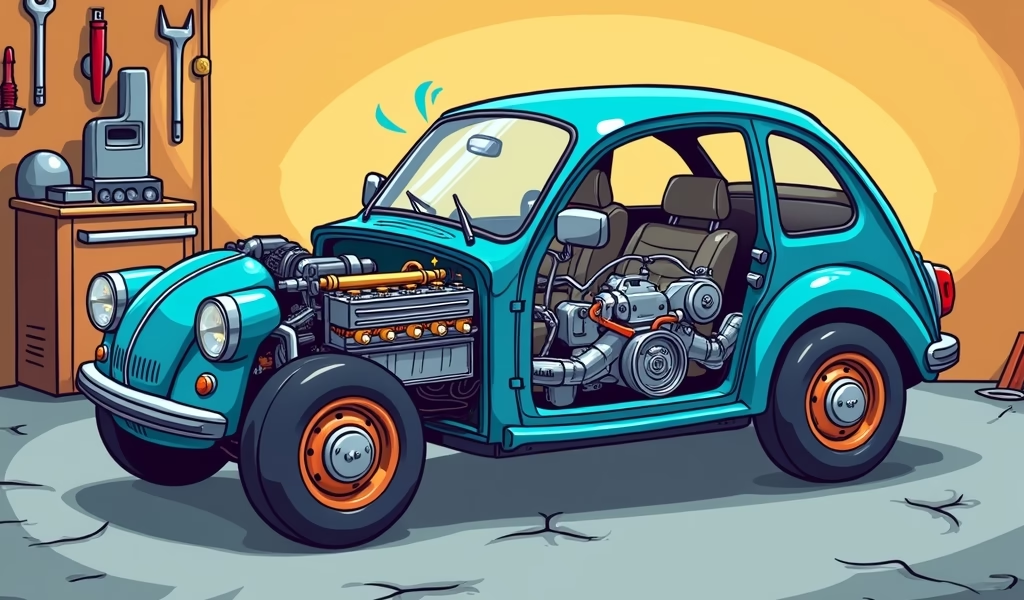
The AC compressor is the heart of your vehicle’s cooling system, and when it’s struggling, you’ll feel it throughout the entire car. This component engages whenever you turn on your air conditioning, creating that sudden additional load on your engine.
When your compressor kicks in, it can draw up to 5-10 horsepower from your engine. That’s significant! If the compressor is damaged, worn, or binding internally, this engagement becomes uneven, causing those unsettling vibrations you feel through the steering wheel and floorboards.
Several compressor-specific issues can trigger engine shake:
- Worn clutch plate on the compressor
- Internal bearing failures
- Seizing or binding of internal components
- Improper refrigerant levels (too high or too low)
- Contamination in the AC system
One telltale sign of compressor issues is if the vibration has a specific rhythm or occurs precisely when the compressor clutch engages (you might hear a distinct “click” when this happens). Another indicator is if the vibration disappears in cooler weather when your AC isn’t working as hard.
Fixing compressor issues typically involves either repairing the existing unit or replacing it entirely. While not the cheapest repair, addressing it promptly can prevent damage to other components like the serpentine belt or pulley system.
Modern vehicles with engine diagnostic systems might even store trouble codes related to AC operation, though these won’t always trigger a check engine light. A professional scan can reveal these hidden warnings before the problem worsens.
Worn Motor Mounts: Silent Troublemakers
Ever thought about what actually keeps your engine attached to your vehicle? Motor mounts serve as the critical connection points between your engine and your car’s frame, absorbing vibrations during normal operation. When they wear out, they can no longer dampen these vibrations effectively.
Motor mounts are designed to last the lifetime of many vehicles, but factors like aggressive driving, frequent short trips, or simply the ravages of time can cause them to deteriorate prematurely. When your AC compressor engages, it creates additional torque—essentially a twisting force—that stresses these mounts.
If your motor mounts are worn or damaged, you’ll notice:
- More pronounced vibrations at idle that intensify with AC use
- A noticeable “clunk” when shifting between drive and reverse
- Excessive engine movement when accelerating or decelerating
- Vibrations that seem to come from below the dashboard or floor
What makes motor mount issues particularly sneaky is that they often develop gradually. You might not notice the problem until it becomes severe, or until that additional AC load makes the symptoms impossible to ignore.
Replacing motor mounts is a moderate repair job that varies in cost depending on your vehicle model. Some vehicles have hydraulic mounts filled with fluid for better vibration dampening, while others use simpler rubber designs. The hydraulic variants are typically more expensive but provide superior performance.
Don’t ignore worn motor mounts—beyond causing uncomfortable vibrations, they can lead to misalignment of drivetrain components and potentially cause damage to hoses, belts, and electrical connections attached to your engine.
Idle Control Problems and Your AC
Modern vehicles maintain a delicate balancing act when idling, adjusting fuel delivery and air intake to keep your engine running smoothly at a stop. When you switch on your AC, the engine computer (ECU) should automatically compensate for this additional load by increasing the idle speed slightly—typically by 50-100 RPM.
If your idle control system isn’t functioning properly, turning on the AC can cause the engine to struggle, resulting in those annoying vibrations. This is especially noticeable when you’re sitting at a traffic light or in park.
Several components work together to maintain proper idle:
- Idle Air Control Valve (IAC)
- Throttle Position Sensor (TPS)
- Mass Airflow Sensor (MAF)
- Engine Control Unit (ECU)
Problems with any of these components can manifest as shaking when your AC compressor engages. A dirty or failing IAC valve is particularly common in vehicles with higher mileage. When this valve can’t properly regulate airflow, the engine may struggle to maintain idle speed under load.
A simple test you can perform: With the engine warmed up and idling in park, note the RPM on your tachometer. Then turn on the AC. You should see a small, immediate increase in RPM (around 50-100). If the RPM drops instead, or if the engine stumbles before recovering, your idle control system likely needs attention.
Cleaning the throttle body and IAC valve can sometimes resolve these issues without major repairs. This maintenance procedure is often overlooked during routine service but can make a significant difference in how your engine handles the AC load.
Additional Causes Worth Investigating
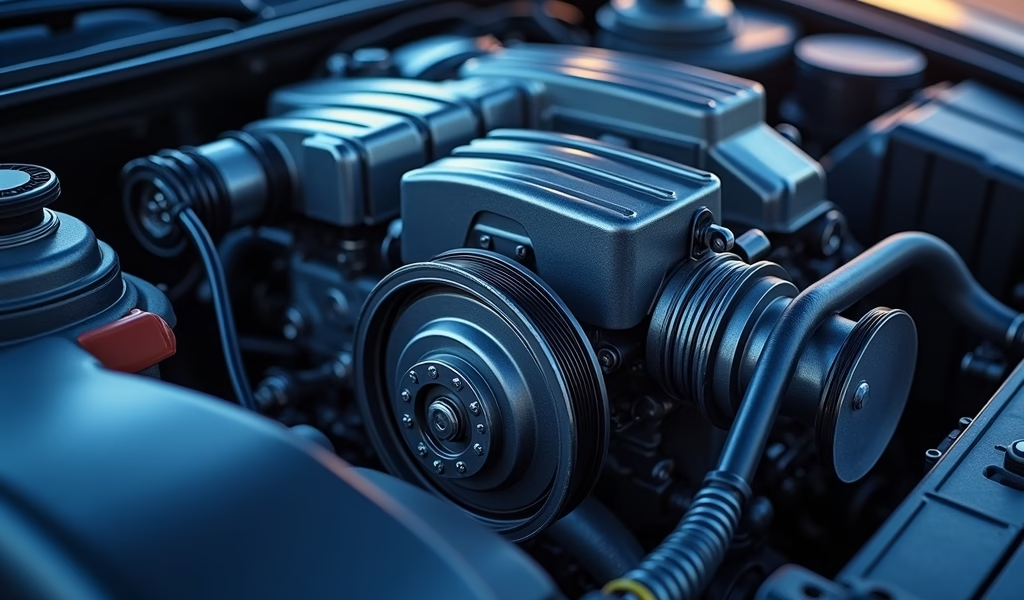
While AC compressors, motor mounts, and idle control issues account for the majority of cases where engines shake with the air conditioning on, several other factors could be contributing to your vehicle’s tremors.
Serpentine or drive belts that have become worn, glazed, or improperly tensioned can cause vibrations that become more noticeable under the additional load of the AC system. These belts connect multiple components, including the AC compressor, alternator, and power steering pump to the crankshaft.
Spark plug problems can also manifest more prominently when the AC is running. A misfiring cylinder might barely be noticeable during normal driving but becomes pronounced when the engine is under additional strain. If your vehicle is due for a tune-up, this could be the perfect opportunity to address the issue.
Fuel delivery problems represent another potential culprit. A partially clogged fuel filter or failing fuel pump might provide adequate fuel under normal conditions but falter when the AC demands more power. The resulting lean condition can cause the engine to run roughly.
Even something as simple as a dirty air filter can contribute to the problem. When your engine can’t “breathe” properly due to restricted airflow, it becomes more sensitive to additional loads like air conditioning.
Electrical issues shouldn’t be overlooked either. Modern vehicles rely on numerous sensors to maintain optimal engine performance. A faulty Mass Airflow Sensor (MAF) or Oxygen Sensor can cause the engine computer to make incorrect adjustments to the air/fuel mixture, resulting in rough operation when the AC is on.
These additional causes highlight why proper diagnosis is crucial—treating the symptom without identifying the underlying cause rarely solves the problem permanently.
Diagnosing the Problem Properly
Before you can fix the issue, you need to determine exactly what’s causing your engine to shake when the AC is running. While professional diagnostics are always recommended for persistent problems, there are several steps you can take to narrow down the possibilities.
Start by paying attention to exactly when and how the vibration occurs. Does it happen immediately when you turn on the AC, or only after the compressor engages (listen for that distinct click)? Does the vibration occur at idle, during acceleration, or at all times? These observations can provide valuable clues.
Next, perform this simple test series:
- With the engine warm and idling, turn the AC on and off several times, noting any changes in how the engine runs
- Rev the engine slightly (to about 1500 RPM) and turn the AC on—if the vibration disappears, an idle control issue is likely
- Visually inspect the serpentine belt for cracks, glazing, or improper tension
- Check for excessive engine movement when the AC engages, which might indicate motor mount issues
For those comfortable with basic automotive tools, a mechanic’s stethoscope can be invaluable for pinpointing the source of vibrations. By placing the tip on various components while the AC is running, you can often identify which area is generating the most noise or vibration.
Don’t overlook the value of diagnostic trouble codes. Even if your check engine light isn’t illuminated, the vehicle’s computer may have stored codes that can help identify the problem. Many auto parts stores offer free code reading services.
Remember that multiple issues can sometimes combine to create the problem you’re experiencing. A slight compressor issue might not cause noticeable vibration on its own, but when combined with a borderline motor mount, the symptoms become apparent.
DIY Fixes You Can Try Today
While some causes of engine shake require professional attention, several DIY approaches might resolve the issue without a trip to the mechanic. These solutions address the most common and easily fixable causes.
First, check and adjust your idle speed if your vehicle allows for it. Consult your owner’s manual for the proper procedure, as this varies by make and model. Sometimes a small adjustment can compensate for the additional load from the AC compressor.
Next, clean your throttle body and IAC valve. This relatively simple procedure can often restore proper idle control. You’ll need throttle body cleaner from any auto parts store and basic hand tools. Numerous online tutorials specific to your vehicle can guide you through this process.
Inspect and tighten all accessible belts. Look for glazing (shiny spots), cracks, or fraying along the belt’s surface. Most vehicles use an automatic tensioner, but some still allow for manual adjustment. A properly tensioned belt should deflect about ½ inch when pressed firmly at its longest run.
Consider replacing your air filter. This inexpensive part can significantly impact how your engine handles additional loads. Most air filters can be changed with no tools or just a simple screwdriver.
If your car’s air conditioner uses gas inefficiently due to a refrigerant issue, you might notice performance problems. While refrigerant recharging is best left to professionals with proper equipment, ensuring your AC system isn’t overcharged can sometimes resolve vibration issues.
Finally, perform a basic tune-up if your vehicle is due for one. Fresh spark plugs, clean fuel injectors, and new ignition components can make a dramatic difference in how your engine handles the AC load.
Keep in mind that these DIY approaches won’t solve structural issues like damaged motor mounts or a failing AC compressor, but they represent a good starting point before investing in more expensive repairs.
When to See a Professional Mechanic
While DIY troubleshooting has its place, certain scenarios warrant professional attention immediately. Knowing when to seek expert help can save you money and prevent dangerous situations.
Consider scheduling a professional assessment if:
- The vibration is severe enough to affect driveability
- You notice unusual noises accompanying the vibration
- The check engine light is illuminated
- Basic DIY fixes haven’t resolved the issue
- The problem is progressively worsening
- You smell burning odors when the AC is running
A qualified mechanic has specialized tools that can quickly pinpoint issues that might take hours to diagnose at home. Vibration analyzers, pressure testing equipment for AC systems, and advanced computer diagnostics can identify problems that aren’t visible to the naked eye.
When selecting a repair shop, consider facilities that specialize in either your vehicle’s make or AC systems specifically. Ask if they have ASE-certified technicians (Automotive Service Excellence), which indicates they’ve passed rigorous testing in their specialty areas.
Be prepared to provide the technician with detailed information about when and how the vibration occurs. The more specific you can be, the more efficiently they can diagnose the problem. Mention any recent repairs or maintenance, as these might be related to the current issue.
Remember that addressing these problems promptly usually results in less expensive repairs. What starts as a minor vibration can eventually lead to component failure if ignored for too long.
Preventing Future AC-Related Engine Issues
An ounce of prevention is worth a pound of cure—especially when it comes to your vehicle’s AC system and engine performance. Implementing a few simple practices can help you avoid the frustration of engine shake when your AC is running.
Regular maintenance is your first line of defense. Follow these preventative measures:
- Adhere to your vehicle manufacturer’s recommended service intervals
- Have your AC system inspected annually, ideally before the hot season begins
- Replace the cabin air filter according to your owner’s manual
- Ensure belts are inspected and replaced at recommended intervals
- Use your AC system regularly, even in cooler months, to keep seals lubricated
Proper driving habits can also extend the life of your AC components. When starting your vehicle on extremely hot days, allow the engine to idle for 30 seconds before turning on the AC. This gives the oil a chance to circulate properly before adding the AC load.
Similarly, turn off your AC a few minutes before reaching your destination but leave the fan running. This helps dry out the evaporator core and prevents mold growth, which can affect system performance over time.
Pay attention to early warning signs. If you notice even slight vibrations when using your AC, don’t wait for them to worsen. Early intervention often means simpler, less expensive repairs.
Consider using a higher-grade motor oil that meets your manufacturer’s specifications. Quality oil provides better protection for engine components under load and can help minimize wear on bearings and other moving parts.
Finally, if you live in an area with extreme temperatures, consider having your cooling system inspected more frequently. Heat stress can accelerate wear on components that affect how your engine handles the AC load.
Conclusion
Engine vibrations when your AC is on shouldn’t be ignored or accepted as normal. They’re your vehicle’s way of signaling that something needs attention—whether it’s a struggling AC compressor, worn motor mounts, or an idle control system that needs adjustment.
The good news is that most causes of why does my engine shake when AC is on are identifiable and repairable before they lead to more serious issues. By understanding the potential causes and taking appropriate action, you can restore your driving comfort and potentially save hundreds or even thousands in repair costs.
Remember that preventative maintenance is always less expensive than emergency repairs. Regular check-ups of your vehicle’s AC system, engine mounts, and belt system can help catch problems before they manifest as that annoying shake.
Whether you tackle some of the simpler fixes yourself or seek professional assistance, addressing these vibrations promptly will ensure your AC keeps you cool without the unwelcome side effect of a shaking engine. Stay proactive, stay comfortable, and enjoy smooth driving no matter how hot it gets outside.
Frequently Asked Questions
Is it dangerous to drive with my engine shaking when the AC is on?
While minor vibrations might not pose immediate danger, they can quickly worsen and potentially damage other components. It’s best to address the issue promptly rather than continuing to drive with noticeable shaking.
Could low refrigerant cause my engine to shake with AC on?
Yes, low refrigerant can cause the AC compressor to work harder or cycle improperly, resulting in engine vibrations. This condition can also damage your compressor if not addressed quickly.
How much does it typically cost to fix engine shaking related to AC use?
Costs vary widely based on the underlying cause, ranging from $50 for simple maintenance to $1,000+ for compressor replacement. Early diagnosis generally results in lower repair costs.
Will using the AC less frequently prevent engine shaking issues?
Surprisingly, using your AC regularly (even briefly in cooler months) helps maintain system components and prevents seals from drying out. Underuse can actually contribute to problems over time.
Can a bad battery cause engine vibrations when AC is running?
Yes, a weak battery can cause the electrical system to struggle when the AC creates additional load, potentially resulting in engine performance issues and vibrations. Have your battery and charging system tested if you suspect this issue.