

Overview
When your car overheats only with the AC running, it’s typically due to cooling system components (like fans, radiators, or water pumps) that can handle normal driving but fail under the additional strain of air conditioning. Understanding the interplay between your AC and engine cooling systems allows for easier diagnosis of common culprits—from blocked radiators and fan problems to low coolant levels—and helps you implement timely solutions before minor issues escalate into expensive engine damage.
Table of Contents
- Understanding Car Overheating With AC
- How AC and Engine Cooling Systems Interact
- Common Causes of AC-Related Overheating
- Warning Signs to Watch For
- Diagnosing the Problem Yourself
- Fixes for AC-Related Overheating
- Preventing Future Overheating Issues
- When to Seek Professional Help
- Conclusion
- Frequently Asked Questions
Understanding Car Overheating With AC
Ever noticed your temperature gauge creeping into the red zone only when your air conditioning is running? You’re not alone. This frustrating problem affects many drivers, especially during sweltering summer months when you need that cool air the most.
When your car overheats only with the AC on, it’s usually telling you something specific about your cooling system. It’s like your vehicle is saying, “I can handle normal driving just fine, but this extra AC load is pushing me over the edge!”
The good news? This symptom actually helps narrow down potential issues, making diagnosis more straightforward than mysterious overheating that happens at random. Plus, catching this problem early can save you from expensive repairs down the road.
Let’s break down why this happens and what you can do about it—without the confusing mechanic jargon or scare tactics. By the end of this article, you’ll understand exactly what’s happening under your hood and have a clear action plan to keep both your engine and yourself cool.
How AC and Engine Cooling Systems Interact
To understand why your car overheats with the AC running, you need to know how these two systems work together. Think of them as roommates sharing limited resources in your engine bay.
Your car’s cooling system has one job: keep the engine from getting too hot. It circulates coolant through the engine to absorb heat, then passes that coolant through the radiator where outside air cools it down. A water pump keeps everything moving, while the thermostat regulates temperature.
When you turn on your air conditioning, several things happen simultaneously. The AC compressor kicks on, which adds mechanical load to your engine. This compressor is typically driven by the same belt system that powers your water pump and other accessories.
The AC system also has its own heat exchanger called a condenser. Here’s the critical part: this condenser usually sits right in front of your radiator. Both components need adequate airflow to release heat, and they’re essentially competing for the same air.
Finally, your cooling fan (or fans) must work harder when the AC is on. Modern cars automatically increase fan speed when you activate the AC precisely because the system knows there’s extra heat to manage.
When all systems are healthy, this arrangement works beautifully. Your engine stays cool even with AC blasting on the hottest day. But when one component weakens or fails, that delicate balance tips, and your temperature gauge starts climbing as soon as you hit that AC button.
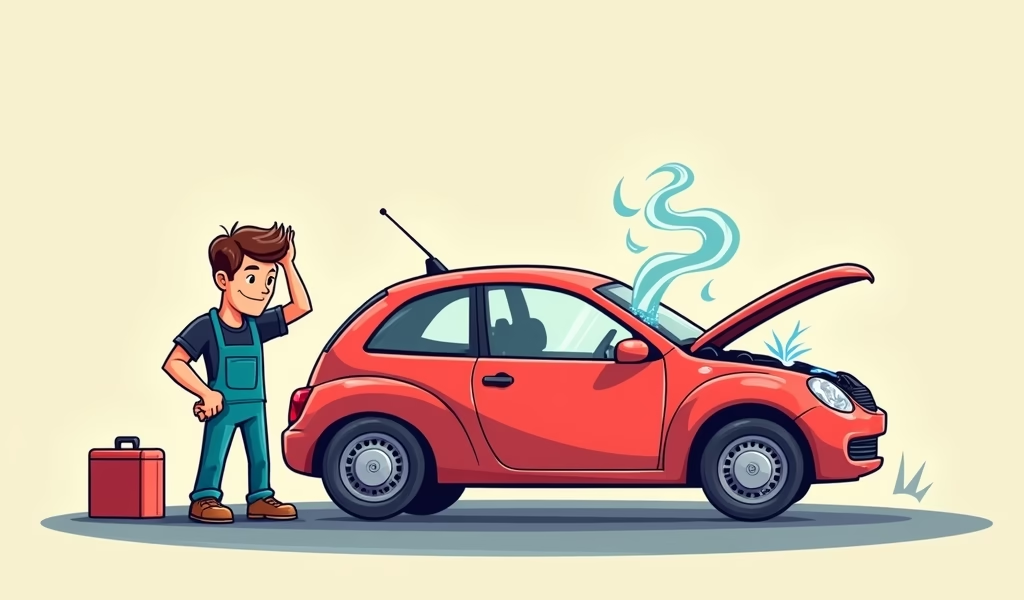
Common Causes of AC-Related Overheating
When your car overheats only with the AC running, certain culprits are more likely than others. Let’s look at the usual suspects:
Cooling Fan Problems
Your cooling fan is crucial when the AC is on, especially at low speeds when there’s no natural airflow through the radiator. Fan issues are one of the most common causes of AC-related overheating.
The fan might be failing to engage when the AC compressor kicks on, or it could be running but at too low a speed. Electric fans can suffer from motor problems, while the relay or wiring that controls the fan might have failed. Some vehicles have multiple cooling fans, and even if one is working, that might not provide enough airflow when the AC is running.
Radiator Issues
Your radiator might be partially clogged internally, restricting coolant flow. Even if it’s sufficient for normal driving, the added heat from AC operation pushes it past its compromised capacity.
External blockage is another common problem. Leaves, bugs, dirt, and road debris can accumulate on the radiator and AC condenser, blocking airflow right when you need it most. Research shows that even a 25% blockage can significantly impact cooling efficiency.
Low Coolant Level
If your coolant is low due to a leak or evaporation, your cooling system might barely manage under normal conditions but fail when the AC adds extra heat to the equation. Checking your coolant levels regularly is essential preventative maintenance.
Even a small leak can eventually lead to significant coolant loss. Common leak points include radiator seams, hose connections, the water pump seal, and the heater core.
Water Pump Problems
A water pump with worn impellers might provide adequate circulation during normal driving but fail to keep up with increased demands when the AC is running. Water pumps typically don’t fail completely at once—they gradually lose efficiency as internal components wear.
Thermostat Issues
A thermostat that’s beginning to stick might open enough for normal driving but can’t open fully when additional cooling is needed. This restricts coolant flow right when your engine needs maximum circulation.
Warning Signs to Watch For
Before your car reaches critical overheating, it usually gives you several hints that something’s wrong. Learning to recognize these early warning signs can save you from being stranded—or worse, facing an expensive engine rebuild.
Temperature Gauge Behavior
The most obvious indicator is your temperature gauge. Normal operating temperature is typically in the middle of the gauge. If it consistently rises above the halfway mark when your AC is on, that’s a warning sign even if it hasn’t reached the red zone yet.
Pay attention to how quickly the temperature rises. If it climbs steadily over several minutes of AC use, that suggests a cooling capacity issue. If it shoots up rapidly within seconds of turning on the AC, you might have a more serious problem like a cooling fan failure.
Visible and Audible Clues
Steam from under the hood is never normal and indicates your coolant has reached boiling point. If you see this, pull over immediately and turn off the engine.
Listen for changes in your cooling fan operation. Most cars increase fan speed when the AC is on—you should be able to hear it. If your fan remains quiet after turning on the AC, especially when idling, there might be a control issue.
A sweet, syrupy smell often indicates coolant leaking onto hot engine components. If this odor appears when your AC is running, check for visible leaks around your radiator, hoses, and water pump.
AC Performance Changes
Before your car overheats, you might notice the air conditioning isn’t as cold as it should be or varies in temperature. This can indicate the systems are already struggling.
If your AC blows cold only when you’re driving at highway speeds (when natural airflow helps cooling) but becomes warm at idle, that strongly suggests airflow problems across the condenser and radiator.
Engine Performance Issues
An engine fighting overheating may idle roughly or hesitate during acceleration. These symptoms often become more noticeable when the AC compressor is engaged, adding additional load to the already-stressed engine.
In extreme cases, you might even notice a temporary drop in power when the AC kicks on—a sign your engine is working much harder than it should be to handle the additional load.
Diagnosing the Problem Yourself
Before heading to the mechanic, there are several checks you can perform yourself to narrow down the cause. These simple diagnostics might even solve the problem without professional help.
Visual Inspection
Start with the basics. With your engine cool (this is important!), check your coolant level in both the overflow reservoir and the radiator. If it’s low, you’ve found at least part of your problem.
Examine the front of your car for debris blocking the radiator or condenser. Leaves, bugs, and road grime can significantly reduce airflow. A garden hose (with gentle pressure) can help clear these obstructions.
Look for coolant leaks around hose connections, the radiator, water pump, and under the car. Dried coolant often leaves a crusty, colored residue that can help you pinpoint leak locations.
Testing Cooling Fan Operation
With the engine running and AC on, the cooling fan(s) should activate. If not, there could be an electrical problem. Check fuses first—they’re the easiest to replace.
If the fuses are good, you can test the fan directly by disconnecting its electrical connector and applying 12 volts directly from the battery. If the fan runs when directly powered but not normally, the issue is in the control circuit rather than the fan itself.
Checking Airflow
With the engine idling and AC on, carefully hold your hand near (not touching!) the front of the radiator. You should feel warm air being pushed out by the fan. No airflow suggests fan problems; weak airflow might indicate partial blockage or a failing fan.
Similarly, check that the AC condenser fins aren’t bent or damaged, which would restrict airflow. Special “fin combs” are available to straighten bent cooling fins if needed.
Advanced Diagnostics
If you have access to an OBD-II scanner, check for trouble codes related to cooling system components or sensors. Codes like P0128 (thermostat malfunction) or P0480 (cooling fan circuit) can point you in the right direction.
Some scanners also allow you to monitor engine temperature in real-time, which can help identify exactly when overheating begins in relation to AC operation.

Fixes for AC-Related Overheating
Once you’ve identified the likely culprit, it’s time to fix the problem. Some solutions are DIY-friendly, while others might require professional assistance.
Cooling System Maintenance
A cooling system flush can work wonders for an aging system. Over time, coolant breaks down and can leave deposits that restrict flow. Flushing removes old coolant and contaminants, allowing better heat transfer.
When replacing coolant, always use the type specified for your vehicle. Using the wrong coolant can cause corrosion or inadequate protection. Mix according to manufacturer specifications—typically a 50/50 blend with distilled water.
If your coolant level was low, refilling it might temporarily solve the problem, but you’ll need to find and fix the leak to prevent recurrence.
Cooling Fan Repairs
If your fan isn’t working, check the simplest things first. Inspect the fuse (usually in the main fuse box) and replace if blown. Next, examine the fan relay—a common failure point that’s relatively inexpensive to replace.
For the fan itself, replacement is often more practical than repair. Fortunately, aftermarket cooling fans are widely available and often reasonably priced compared to dealer parts.
If you’re comfortable with basic wiring, you can even install a manual override switch for your cooling fan. This allows you to turn on the fan whenever you want, regardless of engine temperature or AC status—a helpful backup if the automatic controls fail again.
Radiator and Condenser Cleaning
For external blockage, thoroughly clean both the radiator and condenser. Use low-pressure water spray from the back side (engine side) toward the front to push debris out in the opposite direction it entered.
For stubborn buildup, commercial radiator cleaners can help, but avoid high-pressure washers which might damage delicate cooling fins. Understanding how your AC works with the engine cooling system can help you maintain both systems more effectively.
Addressing Water Pump and Thermostat Issues
If diagnosis points to your water pump or thermostat, replacement is typically the only solution. While thermostat replacement is often DIY-friendly, water pump replacement can be complex on many modern engines and might be best left to professionals.
When replacing either component, it’s smart to replace related items at the same time. For example, if you’re already replacing the water pump, consider new coolant hoses and a fresh timing belt (if your water pump is driven by the timing belt).
Preventing Future Overheating Issues
An ounce of prevention is worth a pound of cure—especially when it comes to cooling systems. These preventative measures can help you avoid AC-related overheating in the future:
Regular Maintenance Schedule
Flush and replace your coolant according to your manufacturer’s recommendations—typically every 30,000 to 60,000 miles. Fresh coolant maintains proper heat transfer and contains important corrosion inhibitors.
Inspect your cooling system components visually at least twice yearly. Look for leaks, cracks in hoses, loose connections, or signs of wear on the belt that drives the water pump and AC compressor.
Clean your radiator and condenser annually, more often if you drive in dusty conditions or areas with lots of insects. A quick rinse with a garden hose during regular car washes can prevent buildup.
Seasonal Considerations
Before summer arrives, perform a cooling system check. This is especially important if you live in a hot climate or plan a road trip through warm areas.
Consider having your AC system serviced every 2-3 years. Proper refrigerant levels and clean components reduce strain on both systems.
In extremely hot conditions, give your car a break occasionally. If stuck in traffic with the AC running and temperature rising, finding shade and turning off the engine for 15 minutes can prevent overheating and potential damage.
Long-Term Protection
Use high-quality coolant and change it on schedule. Premium coolants might cost more upfront but provide better protection and typically last longer.
Consider an auxiliary cooling fan if you frequently drive in hot weather or heavy traffic. These can supplement your factory cooling system during extreme conditions.
Keep good records of all cooling system work. This helps you track component ages and anticipate when replacements might be needed before they fail.
When to Seek Professional Help
While many cooling system issues can be addressed by DIY-minded owners, some scenarios warrant professional intervention:
Complex Repairs
Water pump replacement on many modern vehicles requires specialized tools and expertise, particularly when they’re driven by or housed within timing components.
Any repair involving refrigerant handling legally requires certified professionals with proper equipment. If your diagnosis suggests problems with the AC compressor or refrigerant system, seek professional help.
Electrical system diagnostics beyond basic fuse and relay checks often require professional-grade scanning tools and expertise in automotive electrical systems.
When Safety is Concerned
If your vehicle has overheated severely (gauge pegged in the red), professional inspection is advisable even after fixing the obvious cause. Serious overheating can cause hidden damage like warped cylinder heads or blown head gaskets.
Coolant is toxic and environmentally hazardous. Professional shops have proper disposal facilities for old coolant and other chemicals.
Getting the Right Help
When choosing a shop, look for ASE-certified technicians with experience in cooling system repairs. Ask about warranties on parts and labor.
Be specific about your symptoms—tell them exactly when overheating occurs and what you’ve already checked. This saves diagnostic time and often leads to more accurate repairs.
Request a detailed explanation and estimate before authorizing work. Understanding exactly what will be done helps you make informed decisions and prevents unexpected costs.
Conclusion
When your car overheats only with the AC running, it’s sending you an important message about your cooling system’s health. The good news is that this specific symptom helps narrow down potential causes, making diagnosis more straightforward than random overheating issues.
In most cases, the culprit is either reduced airflow (from fan problems or blockages), insufficient coolant circulation (from pump or thermostat issues), or inadequate heat exchange capacity (from low coolant or radiator problems). By methodically checking each possibility, you can often identify and address the problem before it leads to serious engine damage.
Remember that your engine cooling and air conditioning systems share resources and must work together harmoniously. Regular maintenance of both systems is your best defense against AC-related overheating and the expensive repairs that can result from neglect.
Whether you tackle the repairs yourself or seek professional help, addressing the root cause promptly will keep both your engine and your passengers cool—even during the hottest summer days. Your wallet will thank you for catching these issues early, and you’ll enjoy worry-free driving with all the cool comfort your AC was designed to provide.
Frequently Asked Questions
Is it normal for temperature to rise slightly when AC is on?
A very slight temperature increase (less than 1/4 gauge movement) can be normal when the AC compressor engages. Anything more significant or continuing to rise indicates a problem that should be addressed.
Can a bad AC compressor cause engine overheating?
Yes, a seized or binding AC compressor can create excessive load on the engine, generating extra heat. This typically comes with other symptoms like belt squealing or vibration.
Will driving with overheating damage my engine?
Absolutely. Continued driving with an overheating engine can cause catastrophic damage including warped cylinder heads, blown head gaskets, or even cracked engine blocks.
How much does it typically cost to fix AC-related overheating?
Costs vary widely depending on the cause, from under $100 for a thermostat replacement to $800+ for a water pump job. Catching problems early typically results in less expensive repairs.
Can I just add water if my coolant is low?
In an absolute emergency, water can temporarily get you to safety. However, you should replace it with proper coolant mix as soon as possible to prevent corrosion and ensure proper freeze/boil protection.