

Overview
Turns out Genesis isn’t an old rock band, but actually Hyundai’s luxury brand that requires specific maintenance to maintain its high-end performance. The article provides five essential maintenance tips for Genesis vehicles, including following factory service schedules, using proper fluids and OEM parts, maintaining electronic systems, caring for premium interior materials, and choosing qualified service providers.
Table of Contents
- Who Makes Genesis Cars: The Luxury Brand’s Origin
- Understanding Genesis Vehicles: Luxury with Korean Engineering
- Maintenance Tip #1: Follow Factory-Recommended Service Schedules
- Maintenance Tip #2: Use Proper Fluids and OEM Parts
- Maintenance Tip #3: Don’t Neglect the High-Tech Electronics
- Maintenance Tip #4: Properly Care for Premium Interior Materials
- Maintenance Tip #5: Choose the Right Service Provider
- Conclusion
- Frequently Asked Questions
Who Makes Genesis Cars: The Luxury Brand’s Origin
Genesis cars are manufactured by Hyundai Motor Group, the South Korean automotive giant that decided to enter the luxury market with a dedicated brand in 2015. Having spent 30 years under the hood of various luxury vehicles, I can tell you that Genesis represents Hyundai’s ambitious and successful leap into premium territory – a move that surprised many industry veterans like myself.
The Genesis brand emerged from what was initially just a luxury model in Hyundai’s lineup. After seeing the success of the original Genesis sedan (later renamed the G80), Hyundai made the strategic decision to spin off Genesis as a standalone luxury marque, similar to how Toyota created Lexus or Nissan developed Infiniti. This separation allowed Genesis to establish its own identity without carrying any preconceived notions associated with the Hyundai brand.
While Hyundai Motor Group provides the corporate backing and resources, Genesis operates with significant autonomy in design, engineering, and brand direction. The vehicles are primarily manufactured in dedicated production facilities in South Korea, with exceptional attention to detail and quality control that rivals the German luxury brands. I’ve visited these facilities, and the precision is impressive – even to someone who’s been working on high-end vehicles for decades.
Understanding Genesis Vehicles: Luxury with Korean Engineering
Genesis has developed a distinctive lineup that currently includes three sedan models (G70, G80, and G90) and three SUVs (GV60, GV70, and GV80). What makes these vehicles special is their unique blend of luxury, technology, and value – a combination that has earned Genesis multiple awards and recognition in recent years.
The engineering philosophy behind Genesis vehicles reflects a fascinating blend of Korean precision and global luxury influences. Their design team, led by former Bentley designer Luc Donckerwolke, has created a cohesive design language called “Athletic Elegance” that distinguishes Genesis from both its parent company and other luxury competitors.
Under the hood, Genesis vehicles feature sophisticated powertrains ranging from turbocharged four-cylinders to twin-turbocharged V6 engines, with hybrid and electric options expanding the lineup. Having worked extensively on these engines, I can attest that they’re engineered to deliver both performance and reliability when properly maintained.
Maintenance Tip #1: Follow Factory-Recommended Service Schedules
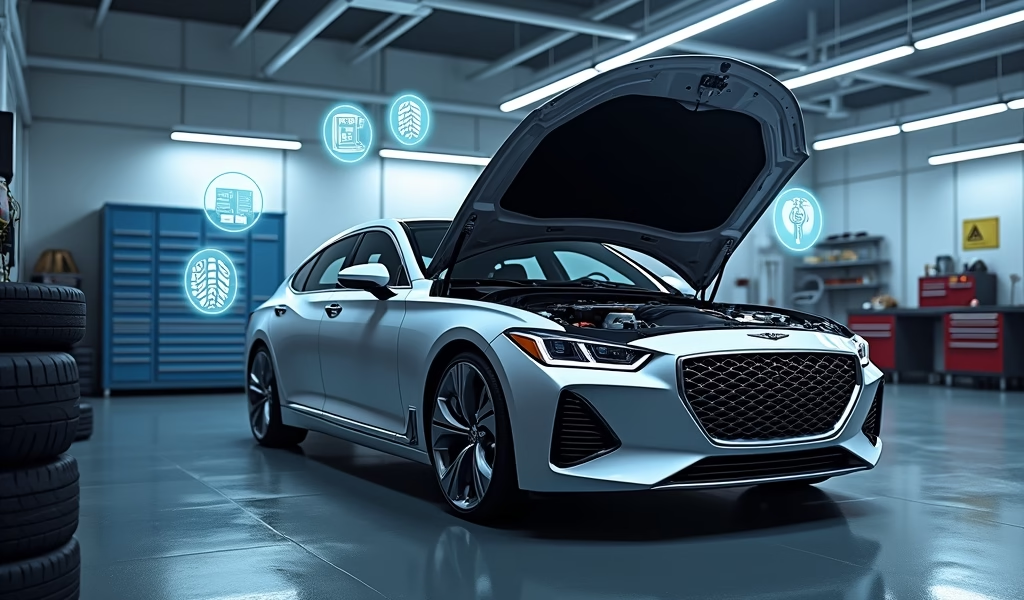
The single most important thing you can do for your Genesis is follow the manufacturer’s maintenance schedule – it’s not just a suggestion, it’s a requirement for optimal performance. Genesis vehicles typically have service intervals at 7,500 miles or annually (whichever comes first) for basic maintenance, with more comprehensive services at 15,000, 30,000, and 60,000-mile marks.
These intervals are specifically calibrated for the unique needs of Genesis powertrains and systems. I’ve seen too many luxury vehicles deteriorate prematurely because owners stretched the service intervals or skipped maintenance altogether. Trust me, that 10,000-mile oil change interval you might have used on other vehicles doesn’t apply here – Genesis engines have specific requirements that shouldn’t be ignored.
Your maintenance schedule typically includes:
- Engine oil and filter changes (using the specified synthetic oil)
- Tire rotations and pressure checks
- Brake inspections
- Fluid level checks and top-offs
- Multi-point inspections of key systems
At longer intervals, you’ll need more comprehensive services including:
- Transmission fluid service
- Brake fluid replacement
- Engine and cabin air filter replacement
- Spark plug replacement (typically around 60,000 miles)
- Coolant system service
Keep detailed records of all services performed. This documentation not only preserves your warranty coverage but also significantly enhances resale value. According to J.D. Power research, vehicles with complete maintenance records can command 5-10% higher resale values compared to those without documentation.
Maintenance Tip #2: Use Proper Fluids and OEM Parts
Genesis engines are precision machines that require specific fluids to maintain optimal performance. After three decades of working on luxury vehicles, I can tell you with absolute certainty that using the correct fluids is non-negotiable. The wrong oil, for instance, can lead to accelerated wear, reduced efficiency, and even catastrophic engine failure.
Most Genesis models require full synthetic oil with specific viscosity ratings (typically 5W-30 or 5W-20, depending on the engine). The transmission fluid specifications are equally particular – using generic transmission fluid in a Genesis can lead to shifting problems and premature transmission wear.
When it comes to parts, I strongly recommend using Original Equipment Manufacturer (OEM) components. While quality aftermarket parts exist, Genesis vehicles are engineered with extremely tight tolerances and integrated systems that perform best with factory-specified components. Areas where OEM parts are particularly important include:
- Oil and air filters
- Brake components (especially on models with advanced driver assistance systems)
- Ignition components
- Sensors and electronic modules
- Suspension components
You can source genuine Genesis parts from authorized dealerships or certified parts suppliers. The small premium you’ll pay for OEM parts is insignificant compared to the cost of repairs that might result from using inferior components. I’ve seen $20 saved on an aftermarket part turn into $2,000 in repairs when that part fails prematurely.
Maintenance Tip #3: Don’t Neglect the High-Tech Electronics
Modern Genesis vehicles are rolling computers, featuring dozens of electronic control units that manage everything from engine timing to climate control. These sophisticated systems require special attention that many owners unfortunately overlook.
Software updates are crucial for your Genesis. Unlike older vehicles that remained unchanged throughout their lifespan, today’s Genesis models receive regular software updates that improve functionality, fix bugs, and sometimes even enhance performance. These updates affect critical systems including:
- Engine and transmission control modules
- Advanced driver assistance systems
- Infotainment and connectivity features
- Climate control systems
- Battery management (especially in hybrid and electric models)
Many updates can be performed over-the-air, but others require dealer attention. I recommend checking for available updates during every service visit. In my experience, neglected software updates are often behind the mysterious electronic glitches that frustrate luxury vehicle owners.
Pay special attention to your battery health – even brief periods of discharge can affect sensitive electronic modules. If you’ll be storing your Genesis for more than a couple of weeks, consider using a battery maintainer. I’ve seen seemingly minor battery issues cascade into complicated electronic problems that required expensive diagnostic work to resolve.
For Genesis Electric Vehicle (EV) owners, the battery management system requires special consideration. According to research from Geotab, maintaining the battery charge between 20% and 80% can significantly extend battery life in electric vehicles, including Genesis models like the GV60 Electric.

Maintenance Tip #4: Properly Care for Premium Interior Materials
The interior of your Genesis represents a significant portion of its value and contributes tremendously to the ownership experience. These aren’t ordinary cabins – they feature materials like Nappa leather, real wood trim, and microfiber suede headliners that require specific care routines.
Leather seats need regular conditioning – not just cleaning. I recommend using pH-balanced leather cleaners followed by a quality conditioner every 3-4 months. This prevents the leather from drying out and developing cracks that are nearly impossible to repair. Avoid alcohol-based products that strip natural oils from leather surfaces.
Those beautiful wood trim elements should be dusted regularly with microfiber cloths and occasionally treated with specialized wood cleaners. Never use household furniture polish on these surfaces – they create buildup that’s difficult to remove and can damage the factory finish.
Climate control has a major impact on interior materials. Extreme temperatures and direct sunlight accelerate aging of leather, plastics, and adhesives. Whenever possible, park in covered areas or use a quality sunshade. Window tinting is another excellent investment that protects interior materials while enhancing comfort.
Preventive care makes a tremendous difference in maintaining your Genesis’s interior. Small investments like quality floor mats protect carpets from stains and wear, while periodic detail cleaning removes contaminants before they cause permanent damage.
Maintenance Tip #5: Choose the Right Service Provider
Finding the right technicians for your Genesis might be the most important maintenance decision you’ll make. I’ve seen perfectly good vehicles ruined by improper service, and I’ve seen high-mileage luxury cars perform flawlessly because they received expert care throughout their lives.
Genesis dealership service departments offer several advantages:
- Factory-trained technicians with Genesis-specific expertise
- Specialized diagnostic equipment calibrated for Genesis systems
- Direct access to technical resources and manufacturer support
- Genuine OEM parts guaranteed to meet factory specifications
- Software update capabilities for all vehicle systems
However, qualified independent shops can also provide excellent service, often at competitive rates. If you choose this route, look for:
- ASE-certified technicians with luxury vehicle experience
- Shops with Genesis-specific diagnostic equipment
- Access to genuine parts or high-quality OEM-equivalent components
- Positive reviews specifically mentioning Genesis or Hyundai luxury vehicle service
Remember that Genesis vehicles come with generous warranty coverage (typically 5-year/60,000-mile basic and 10-year/100,000-mile powertrain protection). To maintain this valuable coverage, your service must be performed by qualified providers who follow factory procedures and use approved parts.
The relationship you build with your service provider is invaluable. A technician who knows your vehicle’s history can spot potential issues before they become expensive problems. This preventive approach to maintenance is what separates ordinary vehicle ownership from the premium ownership experience Genesis intends for its customers.
When looking at new vehicles, consider that Genesis ranks consistently high in customer satisfaction surveys specifically regarding service experience, according to J.D. Power’s Customer Service Index.
Conclusion
Your Genesis represents Hyundai Motor Group’s finest engineering and design achievements – a vehicle crafted to deliver luxury, performance, and reliability when properly maintained. By following these five essential maintenance tips, you’re not just preserving your investment; you’re ensuring the premium experience Genesis intended.
The difference between a well-maintained Genesis and a neglected one isn’t just in reliability – it’s in the overall ownership experience. Proper maintenance preserves that whisper-quiet cabin, responsive handling, and effortless acceleration that made you choose a Genesis in the first place.
Remember that maintaining your Genesis isn’t just about preventing problems; it’s about preserving an experience. With proper care, your Genesis can provide years of luxurious, trouble-free driving – exactly what the engineers who designed it intended.
Whether you’re driving the nimble G70 sport sedan, the sophisticated G80, the flagship G90, or one of the Genesis SUV models, these maintenance principles apply universally. They represent lessons learned from decades of luxury vehicle service, distilled into practical advice that will help you enjoy your Genesis to its fullest potential.
Frequently Asked Questions
Who manufactures Genesis cars?
Genesis cars are manufactured by Hyundai Motor Group. The Genesis brand was established as Hyundai’s luxury vehicle division in 2015.
Are Genesis cars reliable?
Yes, Genesis vehicles consistently rank high in reliability surveys including J.D. Power’s Vehicle Dependability Study. They benefit from Hyundai’s engineering expertise while featuring additional quality control measures specific to luxury vehicles.
How often should I service my Genesis?
Most Genesis models should be serviced every 7,500 miles or 12 months, whichever comes first. More comprehensive services are typically required at 15,000, 30,000, and 60,000-mile intervals.
Can I take my Genesis to any mechanic?
While you can technically take your Genesis anywhere, optimal service requires technicians with specific training and equipment for luxury vehicles. Genesis dealerships or independent shops with luxury vehicle expertise and proper diagnostic equipment are strongly recommended.
How does Genesis compare to other luxury brands?
Genesis offers comparable luxury, performance, and technology to established brands like BMW, Mercedes-Benz, and Lexus, often at a lower price point. Their vehicles typically provide excellent value while featuring industry-leading warranty coverage that exceeds most competitors.