
Overview
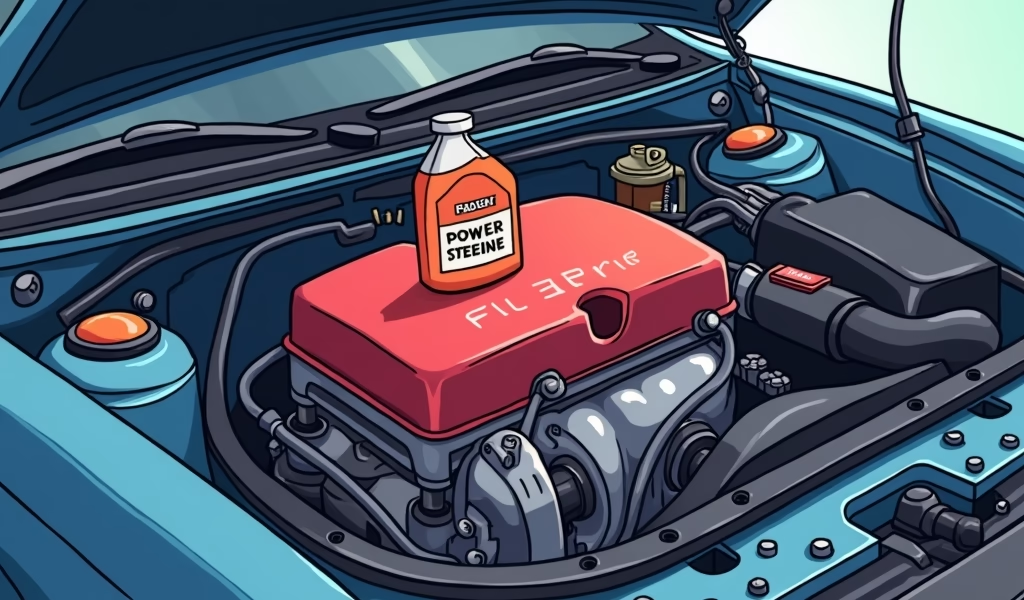
Power steering fluid is the unsung hero of your vehicle’s steering system, making turns effortless while protecting components from wear and corrosion. Regular maintenance—including monthly level checks and periodic fluid changes—can prevent expensive repairs and ensure smooth driving, turning a simple $20 fluid service into thousands in savings when you avoid the steering rack failures that mechanics like me see all too often.
Table of Contents
- What is Power Steering Fluid?
- The Importance of Power Steering Fluid
- How Power Steering Works
- Signs You’re Running Low on Power Steering Fluid
- How to Check Your Power Steering Fluid
- How to Add Power Steering Fluid
- Types of Power Steering Fluid
- Power Steering Fluid Maintenance Schedule
- Common Power Steering System Problems
- Tips for Preventing Power Steering Problems
- Conclusion
- Frequently Asked Questions
What is Power Steering Fluid?
Power steering fluid is the lifeblood of your vehicle’s steering system – a special hydraulic fluid that makes turning your steering wheel smooth and effortless. Without this unsung hero, you’d be arm-wrestling your steering wheel every time you needed to parallel park or navigate a tight corner. As a mechanic who’s seen countless steering systems fail due to fluid neglect, I can tell you that understanding what power steering fluid is and how to maintain it can save you from expensive repairs down the road.
This specialized fluid transfers hydraulic pressure throughout your power steering system, allowing you to turn your vehicle’s wheels with minimal effort. It also serves as a lubricant for the power steering pump and other components while helping to prevent corrosion and wear within the system. Most modern vehicles rely on this fluid to make driving comfortable and safe – something you’ll immediately notice if your system ever fails while you’re behind the wheel.
Power steering fluid is typically a translucent, amber or reddish liquid that’s specifically formulated to withstand the high pressures and temperatures within the steering system. It contains additives that help it maintain its viscosity across a wide range of temperatures and prevent foaming under pressure – crucial properties that keep your steering responsive in all driving conditions.
The Importance of Power Steering Fluid
Think of power steering fluid as the silent partner that makes your daily driving experience comfortable. Without it, every turn would require significant upper body strength – something we’ve all experienced if you’ve ever had your power steering fail or driven a classic car without power steering. The fluid creates hydraulic pressure that multiplies the force you apply to the steering wheel, making it possible to steer with just your fingertips.
Beyond just making steering easier, proper power steering fluid levels and quality are critical for several reasons:
- Prevents premature wear of steering components
- Reduces heat buildup in the power steering pump
- Protects metal surfaces from corrosion
- Maintains consistent steering feel and responsiveness
- Helps seal the system against leaks
Neglecting your power steering fluid is like ignoring a slow oil leak – it might seem fine at first, but eventually leads to a cascade of problems. In my years working as a mechanic, I’ve seen $3,000+ steering rack replacements that could have been prevented with basic fluid maintenance. That’s why I recommend including power steering fluid in your regular maintenance routine, just like you would with your engine oil or coolant.
The good news? Checking and maintaining your power steering fluid is something most car owners can handle themselves with minimal tools and knowledge. A little preventive care goes a long way toward avoiding those steering system failures that always seem to happen at the most inconvenient times.

How Power Steering Works
To truly appreciate what power steering fluid does, it helps to understand the basics of how your power steering system operates. Most vehicles on the road today use hydraulic power steering, though some newer models feature electric power steering (which doesn’t use fluid at all).
In a hydraulic power steering system, here’s what happens when you turn the wheel:
- The engine drives a power steering pump through a belt
- This pump pressurizes the power steering fluid (typically to 1,000+ PSI)
- When you turn the steering wheel, a valve directs this pressurized fluid to assist in the direction you’re turning
- The pressurized fluid pushes against a piston in the steering rack or cylinder
- This hydraulic force multiplies your steering input, making it much easier to turn the wheels
The entire system depends on having the correct amount of clean, high-quality power steering fluid. According to NHTSA’s vehicle maintenance guidelines, proper fluid levels are essential for safe vehicle operation. The fluid not only transfers power but also absorbs heat from the pump and lubricates all the moving parts in the system.
It’s a surprisingly elegant system when you think about it – converting the rotational force of your engine into hydraulic pressure that makes steering effortless. However, this also means that any issues with fluid levels, quality, or leaks directly impact your steering performance and safety.
Signs You’re Running Low on Power Steering Fluid
Your steering system usually gives clear warnings when fluid levels are dropping. Catching these early can save you significant repair costs down the road. Based on my years in the garage, here are the telltale signs that your power steering fluid needs attention:
Difficult steering is usually the first and most obvious symptom. If your steering wheel suddenly feels heavier than normal, especially during low-speed maneuvers like parking, your fluid might be low. This increased effort happens because the system can’t generate enough hydraulic pressure with insufficient fluid.
Strange noises are your car’s way of crying for help. A whining or groaning noise when turning the steering wheel – especially when turning it all the way in either direction – is a classic symptom of low power steering fluid. The pump is essentially “starving” for fluid and letting you know about it loudly.
Steering wheel vibrations or “shuddering” during turns can indicate air in the power steering system, often due to low fluid levels. This creates inconsistent hydraulic pressure that you can feel through the steering wheel. It’s similar to how air in your home’s water pipes causes them to knock or vibrate.
Delayed response when turning the wheel is concerning and potentially dangerous. If there’s a lag between turning your steering wheel and your vehicle actually changing direction, low fluid could be the culprit, as the system can’t build pressure quickly enough.
Fluid leaks under your vehicle are an obvious red flag. Power steering fluid is typically amber, red, or sometimes clear with a distinctive smell. If you spot puddles under the front of your car with these characteristics, your system is likely leaking. These leaks often look similar to transmission fluid but are usually located more toward the center-front of the vehicle.
If you experience any of these symptoms, checking your essential vehicle fluids, particularly your power steering fluid, should be your first step. Catching low fluid early can prevent the pump from running dry and self-destructing – a repair that can easily cost hundreds of dollars.
How to Check Your Power Steering Fluid
Checking your power steering fluid is one of the easiest maintenance tasks you can perform, requiring just a minute or two of your time. Here’s how to do it properly:
- Make sure your engine is off and cool (or follow your owner’s manual guidance – some vehicles specify checking with the engine running)
- Locate the power steering reservoir – typically a small tank near the front of the engine with a cap marked “Power Steering Fluid” or with a steering wheel symbol
- Wipe the cap and surrounding area clean to prevent contamination
- Remove the cap (which usually has a dipstick attached)
- Check the fluid level against the “MIN” and “MAX” markings
- Examine the fluid’s condition – it should be clear or amber/reddish and not dark brown, black, or cloudy
- Replace the cap securely
The owner’s manual for your specific vehicle is always the best reference, as procedures can vary. Some European vehicles, for instance, have different checking procedures or specify checking with the wheels turned in a particular direction.
Beyond just the level, pay attention to the fluid’s appearance. Clean power steering fluid is usually amber or reddish and transparent. If your fluid looks dark brown or black, smells burnt, or contains visible particles, it’s time for a flush and replacement. Contaminated fluid can accelerate wear on expensive components like the power steering pump and rack.
I recommend checking your power steering fluid at least monthly, or whenever you check your oil. This simple habit has saved many of my customers from expensive repairs. As noted in Consumer Reports’ maintenance guidelines, regular fluid checks are one of the most important preventive maintenance steps you can take.
How to Add Power Steering Fluid
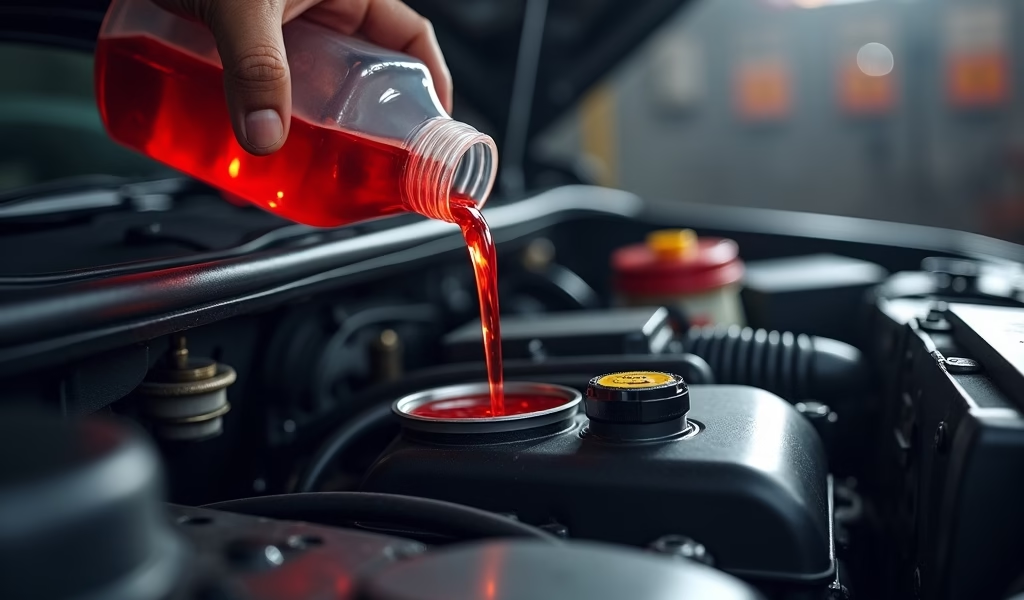
If your power steering fluid is low, topping it up is a straightforward process. Here’s how to add power steering fluid correctly:
- Purchase the correct type of power steering fluid for your vehicle (check your owner’s manual or ask at an auto parts store)
- Clean the area around the reservoir cap thoroughly
- Remove the cap and have a clean funnel ready
- Slowly add small amounts of fluid, checking the level frequently to avoid overfilling
- Fill only to the “MAX” line on the reservoir or dipstick
- Replace the cap securely and wipe away any spilled fluid
- Start the engine and turn the steering wheel lock-to-lock (fully left to fully right) several times to circulate the fluid
- Turn off the engine and recheck the fluid level, adding more if necessary
A word of caution: consistently low power steering fluid usually indicates a leak somewhere in the system. While adding fluid will temporarily restore normal steering function, it doesn’t solve the underlying problem. I always tell my customers that if they need to add fluid more than once in a short period, they should have the system inspected for leaks.
Common leak points include the pump shaft seal, pressure hoses, steering rack seals, or the reservoir itself. Catching these leaks early typically means a simple hose replacement or seal repair. Ignore them, and you’ll eventually face a failed pump or steering rack – repairs that can cost ten times more than addressing the initial leak.
If you’re not comfortable adding the fluid yourself, any repair shop or quick lube facility can handle this basic service for you. Just be sure to mention if you’ve been experiencing any of the symptoms we discussed earlier so they can check for potential leaks.
Types of Power Steering Fluid
Not all power steering fluids are created equal, and using the wrong type can damage your system. There are several main types of power steering fluid on the market:
- Conventional mineral oil-based fluids
- Synthetic power steering fluids
- Universal power steering fluids
- Automatic transmission fluid (ATF), which some vehicles specify for power steering use
- Manufacturer-specific proprietary fluids
Your vehicle manufacturer specifies a particular type of fluid for a reason. Some systems use seals and components that are compatible only with certain fluid formulations. Using the incorrect fluid can cause seals to swell, shrink, or deteriorate, leading to leaks and system failure.
For example, many GM vehicles use their specific power steering fluid, while some European manufacturers specify synthetic fluid. Many Japanese vehicles require Dexron automatic transmission fluid for their power steering systems. Using the wrong type can void your warranty and cause expensive damage.
Always consult your owner’s manual or contact your dealer to determine the exact type of fluid your vehicle requires. The small additional cost of using the correct, high-quality fluid is insignificant compared to the potential repair costs of using the wrong product. As part of your essential car maintenance, using the right fluids is as important as changing them regularly.
If your manual is unavailable, a trusted mechanic or the parts counter at a dealership can look up the correct specification based on your vehicle’s make, model, and year. I always recommend keeping a small bottle of the correct fluid in your garage for occasional top-ups.
Power Steering Fluid Maintenance Schedule
Unlike engine oil, there’s no universal change interval for power steering fluid. Maintenance schedules vary significantly between manufacturers, with some recommending changes as frequently as every 30,000 miles while others consider the fluid “lifetime” and don’t specify changes at all.
In my professional experience, even “lifetime” fluids benefit from periodic replacement. Power steering fluid degrades over time due to heat cycling and contamination. As it ages, it loses its lubricating properties and corrosion inhibitors, potentially leading to premature component wear.
Here’s a general maintenance guideline based on my years in the field:
- Check fluid level and condition monthly or with each oil change
- Replace fluid every 50,000 miles for normal driving conditions
- Replace fluid every 30,000 miles for severe driving conditions (extreme temperatures, towing, off-road use)
- Replace immediately if the fluid appears dark, contaminated, or smells burnt
- Always replace fluid after any power steering component replacement
These recommendations err on the side of preventive maintenance. Even vehicles with “lifetime” fluid can benefit from a fluid exchange every 60,000-75,000 miles. The cost of a power steering flush (typically $80-150) is minimal compared to replacing a failed pump ($350-500) or steering rack ($800-2000+).
According to Edmunds’ maintenance guide, power steering fluid service is one of the most commonly overlooked maintenance items. Many drivers never change their power steering fluid, then are surprised when they experience premature system failure.
Common Power Steering System Problems
Beyond simply low fluid levels, several common power steering problems can develop over time. Understanding these issues can help you identify problems early when they’re less expensive to repair:
Fluid leaks are the most common issue I see in my shop. These typically develop at connection points, such as where hoses meet the pump or rack, or from deteriorated seals. Even small leaks should be addressed promptly before they lead to fluid starvation and component damage.
Worn pump bearings or vanes cause a distinctive whining noise that changes pitch with engine speed. This usually indicates a pump that’s near the end of its life, often due to contaminated fluid or running with low fluid levels. Once the pump begins making noise, replacement is usually the only solution.
Power steering hoses deteriorate over time due to heat, pressure cycles, and environmental factors. Older hoses can develop cracks, bubbles, or soft spots that eventually lead to leaks or bursts. Inspecting hoses during routine maintenance can catch these issues before they strand you on the roadside.
Steering rack leaks typically manifest as fluid dripping from the rack boots or seals. Racks can be resealed in some cases, but full replacement is often necessary, especially in higher-mileage vehicles. A leaking rack will eventually fail completely, making steering extremely difficult.
Air in the system causes inconsistent steering assist and a sputtering or growling sound during turns. This can happen after repairs or when fluid levels have been extremely low. Properly bleeding the system (removing the air) requires a specific procedure that varies by vehicle.
Contaminated fluid accelerates wear on all system components. Metal particles from normal component wear mix with the fluid over time, essentially creating a mildly abrasive fluid that circulates through your delicate steering components. Regular fluid changes prevent this buildup.
Tips for Preventing Power Steering Problems
An ounce of prevention is worth a pound of cure, especially when it comes to your power steering system. Here are my top recommendations for keeping your system healthy and avoiding expensive repairs:
- Check your fluid level monthly – this takes just seconds but can save thousands
- Address even minor leaks promptly – they rarely fix themselves and usually worsen
- Use only the manufacturer-recommended fluid type
- Replace the fluid at the intervals recommended above, even if not specified in your manual
- Avoid holding the steering wheel at full lock (completely turned) for extended periods
- Let your engine run for a minute before driving in extremely cold weather to allow fluid to warm up
- Have your power steering system inspected during routine maintenance appointments
- Listen for unusual noises during steering – early intervention saves money
One prevention tip that many drivers overlook is their driving habits. Frequently turning the wheel while the vehicle is stationary (like when parking) puts maximum strain on your power steering system. The pump has to work hardest when you’re not moving. When possible, keep the car rolling slowly while turning to reduce system stress.
Another important prevention strategy is to be mindful of how you turn the steering wheel. Cranking it quickly to full lock (as far as it will go) and holding it there creates pressure spikes and heat in the system. A smoother, more gradual steering approach reduces wear on pumps, valves, and seals.
Finally, be attentive to changes in how your steering feels. Modern power steering systems are remarkably consistent – any change in effort, noise, or response is usually an early warning sign. Catching issues early typically means simpler, less expensive repairs.
Conclusion
Power steering fluid may not get the same attention as engine oil or coolant, but it’s every bit as essential to your vehicle’s health and your driving safety. This humble hydraulic fluid is what makes modern driving comfortable and accessible to everyone, regardless of their physical strength. Without it, you’d be wrestling with your steering wheel like drivers from decades past.
Taking a few minutes each month to check your power steering fluid level and condition is one of the simplest yet most effective preventive maintenance steps you can take. The minor investment in occasional fluid changes and prompt attention to leaks can save you from expensive repairs and the inconvenience of steering failure.
Remember that your power steering system works constantly whenever your vehicle is running, operating under high pressure and temperature. It deserves the same care and attention you give to other critical systems. By understanding what power steering fluid is and maintaining it properly, you’re investing in your vehicle’s longevity, your safety, and your wallet.
Whether you’re a DIY enthusiast or prefer to leave maintenance to the professionals, I hope this guide has given you the knowledge to make informed decisions about your vehicle’s power steering system. Happy (and smooth) driving!
Frequently Asked Questions
Can I use any power steering fluid in my car?
No, you should only use the specific type of power steering fluid recommended in your owner’s manual. Using the wrong fluid can damage seals and components.
How often should power steering fluid be changed?
Most manufacturers recommend changing power steering fluid every 50,000-100,000 miles. Check your owner’s manual for your specific vehicle’s requirements.
What happens if you drive with low power steering fluid?
Driving with low power steering fluid can damage the power steering pump due to inadequate lubrication and cooling. You’ll also experience increasingly difficult steering.
Can I use ATF instead of power steering fluid?
Some vehicles specifically call for ATF in their power steering systems, but never substitute ATF unless your manual explicitly allows it. Using the wrong fluid can cause system damage.
Why is my power steering fluid foamy?
Foamy power steering fluid usually indicates air in the system, often due to a leak allowing air to be sucked in. This requires professional attention to find and fix the leak.