
Overview
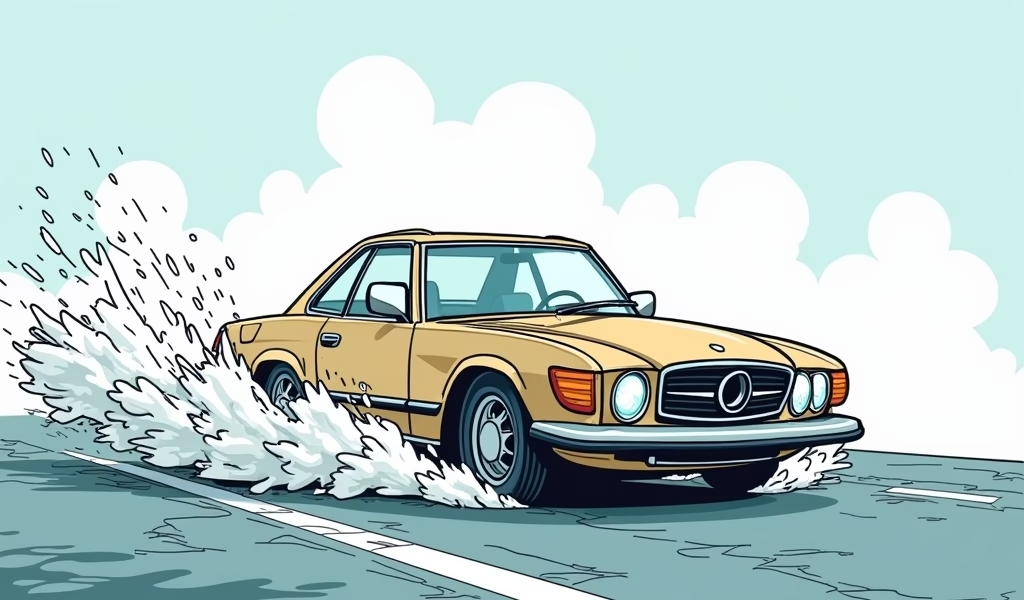
Like finding yourself suddenly ice skating in a car, hydroplaning occurs when your tires lose contact with the road and skim across water, creating a dangerous loss of control that can happen at speeds as low as 35 mph. Prevention is your best defense through maintaining proper tire tread depth, reducing speed in wet conditions, avoiding cruise control on rainy roads, and knowing the proper recovery technique—stay calm, ease off the gas, hold the steering wheel steady, and wait for traction to return.
Table of Contents
- Understanding Hydroplaning: When Your Car Turns Into a Boat
- What Causes Hydroplaning? The Perfect Storm of Factors
- Recognizing Hydroplaning Before It Gets Scary
- Preventing Hydroplaning: Smart Strategies for Wet Roads
- What to Do If You Start Hydroplaning
- Tire Maintenance: Your First Line of Defense
- The Financial Impact of Hydroplaning Incidents
- Conclusion: Staying Safe on Wet Roads
- Frequently Asked Questions
Understanding Hydroplaning: When Your Car Turns Into a Boat
Hydroplaning happens when your tires lose contact with the road and skim across a layer of water instead. This dangerous loss of traction occurs when water builds up faster than your tires can push it away, creating a situation where you’re essentially driving on water rather than asphalt. Hydroplaning can happen in just seconds, turning an ordinary rainy drive into a white-knuckle experience where steering and braking become almost useless.
Unlike some car problems that develop slowly with warning signs, hydroplaning strikes suddenly. It most commonly occurs during heavy rainfall but can happen in even light rain if conditions are right. Understanding hydroplaning is crucial for every driver who ever faces wet road driving conditions – which is pretty much all of us!
Think of your tires like squeegees. When working properly, they push water out of the way so rubber can maintain contact with the road. But when water gets too deep or your vehicle moves too fast, those tire “squeegees” can’t clear water quickly enough. That’s when the physics of hydroplaning takes over, and your car temporarily becomes more boat than automobile.
What Causes Hydroplaning? The Perfect Storm of Factors
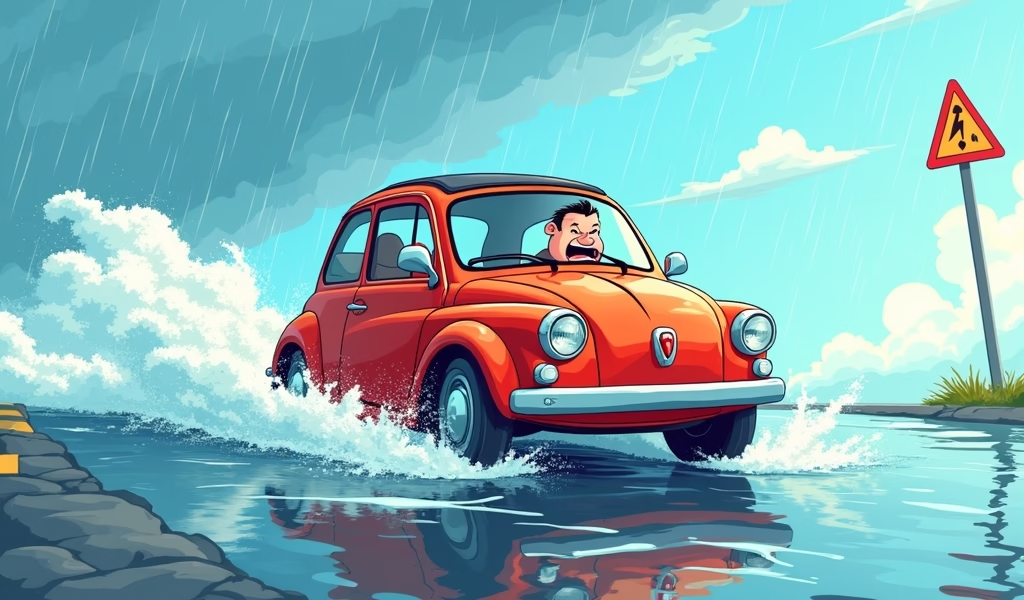
Several factors contribute to hydroplaning, often working together to create hazardous conditions:
Water Depth
Contrary to popular belief, hydroplaning doesn’t require deep puddles. As little as 1/10 inch of water on the road can cause hydroplaning at highway speeds. The first 10 minutes of rainfall are especially dangerous because oil and dirt haven’t washed away yet, creating an extra-slippery surface.
Vehicle Speed
Speed dramatically increases hydroplaning risk. While it can technically occur at any speed, the danger zone typically begins around 35 mph and increases exponentially from there. According to NHTSA research, reducing your speed by even 5-10 mph in rainy conditions significantly decreases your risk.
Tire Condition
Worn tires are hydroplaning magnets. Your tire treads are designed with channels to evacuate water, but as they wear down, their ability to channel water away diminishes. Consumer Reports testing shows that tires with 4/32-inch or less tread depth are significantly more prone to hydroplaning than newer tires.
Tire Width and Pressure
Wider tires actually hydroplane more easily than narrow ones because they need to displace more water. Similarly, tire pressure affects how your treads meet the road – underinflated tires flatten out, changing how water channels through the treads, while overinflated tires reduce the contact patch with the road.
The tire rating system actually includes wet traction measurements, something many drivers don’t realize when purchasing new tires.
Recognizing Hydroplaning Before It Gets Scary
Knowing the warning signs of hydroplaning can give you those precious extra seconds to react appropriately. Here’s what hydroplaning feels like from behind the wheel:
- Steering suddenly feels light or “floaty”
- The back end of the car feels like it’s “wandering” or sliding sideways
- Engine RPMs might unexpectedly increase as wheels spin more freely
- Road noise decreases as tires lose contact with the pavement
- The vehicle continues straight even when turning the steering wheel
That last point is particularly alarming – you turn the wheel, but nothing happens! This disconnect between your steering input and vehicle response is the classic symptom of hydroplaning.
Many drivers describe the sensation as if the car suddenly turned into a sled or boat, with a distinctive feeling of gliding rather than driving. If you’ve ever pushed a shopping cart across a wet floor, that’s a miniature version of what your car experiences during hydroplaning.
Preventing Hydroplaning: Smart Strategies for Wet Roads
The best way to handle hydroplaning is to prevent it altogether. Here are practical strategies to keep your tires firmly planted on wet roads:
Slow Down When It Rains
This might seem obvious, but it’s worth emphasizing: reduce your speed by at least 30% in wet conditions. The physics of hydroplaning is directly related to speed – slower driving gives your tires more time to channel water away. Even modern vehicles with advanced traction control systems can’t overcome the basic physics of hydroplaning at high speeds.
Follow the Tracks
When driving behind other vehicles in rain, try to drive in their tire tracks. The vehicles ahead have already displaced some water, giving you slightly better traction. Just be sure to maintain a safe following distance – at least 4 seconds in rain instead of the normal 2-3 seconds.
Avoid Standing Water
This might seem obvious, but avoid visible puddles and standing water whenever safely possible. What looks like a harmless puddle might be hiding a deep pothole or be deep enough to cause immediate hydroplaning.
Maintain Proper Tire Pressure
Check your tire pressure monthly and before long trips. The correct pressure is listed in your owner’s manual or on the driver’s door jamb – not on the tire sidewall, which shows maximum pressure, not recommended pressure.
Disable Cruise Control
Never use cruise control on wet roads. If hydroplaning occurs, cruise control will continue trying to maintain speed, potentially making the situation worse. You need to be in complete control of throttle input on wet roads.
Drive in Lower Gears
If you drive a vehicle with selectable gears, using a lower gear in heavy rain provides better control and prevents sudden acceleration that could trigger hydroplaning.
What to Do If You Start Hydroplaning

Even with perfect prevention, you might find yourself hydroplaning someday. If it happens, these steps can help you regain control safely:
1. Stay Calm and Ease Off the Gas
Fight the instinct to slam on the brakes – this often makes hydroplaning worse. Instead, gently take your foot off the accelerator to allow the car to slow naturally. Sudden movements are your enemy when hydroplaning.
2. Hold the Steering Wheel Steady
Keep a firm grip on the wheel, but resist the urge to jerk it in any direction. If your front wheels are aligned straight ahead, try to keep them that way. If you were turning when hydroplaning began, maintain a gentle steering input in your intended direction.
3. Wait for Traction to Return
As your vehicle slows, your tires will regain contact with the road. You’ll feel this happening as control returns to the steering wheel. This might take only a second or two, but it can feel much longer when you’re experiencing it.
4. Once You Feel Traction, Gently Correct
After you regain traction, you might need to make gentle steering corrections to return to your lane. Avoid sudden movements that could cause you to lose control again.
Many modern vehicles come equipped with advanced safety features that can help during hydroplaning situations. Electronic Stability Control (ESC) and Anti-lock Braking Systems (ABS) can help maintain control, but they can’t overcome physics completely. These systems work best when combined with proper driver technique.
Tire Maintenance: Your First Line of Defense
Your tires are the only parts of your vehicle that actually touch the road, making them your primary defense against hydroplaning. Here’s how to keep them in optimal condition for wet weather:
Check Tread Depth Regularly
While the legal minimum tread depth is 2/32″, wet weather performance begins declining well before that point. For rainy conditions, maintain at least 4/32″ of tread depth. The classic penny test works (Lincoln’s head should be partially covered), but a proper tread depth gauge costs just a few dollars and provides more precise measurements.
Inspect Tread Wear Patterns
Uneven tread wear indicates alignment or suspension issues that can increase hydroplaning risk. Look for wear concentrated on the edges or center of the tire rather than even wear across the tread. If you notice uneven patterns, have your alignment checked promptly.
Consider Specialized Wet-Weather Tires
If you live in a rainy climate, consider tires specifically designed for wet conditions. These feature specialized tread patterns with wider and deeper grooves to channel water away more effectively. The small premium you’ll pay for quality wet-weather tires is insignificant compared to the cost of even a minor accident.
Rotate Your Tires
Regular tire rotation (every 5,000-7,000 miles) ensures even tread wear, maximizing the wet-traction capability of all four tires. Front tires typically wear faster than rear tires, so rotation helps maintain balanced performance.
Remember that tire performance degrades with age, even if tread depth seems adequate. Rubber compounds harden over time, reducing wet traction. Most manufacturers recommend replacing tires that are more than six years old, regardless of tread depth.
The Financial Impact of Hydroplaning Incidents
Beyond the safety concerns, hydroplaning accidents can hit your wallet hard. Let’s break down the potential costs:
Vehicle Damage
Even minor hydroplaning incidents that result in collisions with curbs or guardrails typically cost $1,000-$3,000 to repair. More serious crashes can easily reach $5,000-$15,000 in damages, especially if airbags deploy or if your vehicle hits another car.
Insurance Consequences
A single at-fault accident can increase your insurance premiums by 20-40% for three to five years. That could mean thousands in additional premiums over time. Some insurers also consider hydroplaning accidents preventable, meaning you might be considered at fault even if conditions were severe.
Indirect Costs
Don’t forget about deductibles, rental car expenses while your vehicle is being repaired, potential lost work time, and decreased vehicle value after an accident report appears on your car’s history. These indirect costs can sometimes exceed the direct repair costs.
The prevention math is pretty simple: New tires cost $400-$1,000 for a quality set. Regular maintenance runs perhaps $100-200 annually. Compare that to the potential thousands in repair costs and increased insurance premiums, and prevention becomes the obvious financial choice.
Conclusion: Staying Safe on Wet Roads
Hydroplaning represents one of the most sudden and frightening loss-of-control scenarios most drivers will face. The good news? It’s largely preventable with the right knowledge and precautions.
Maintaining proper tire condition, adjusting your speed appropriately for wet conditions, and knowing how to respond if hydroplaning occurs can make the difference between a scary moment and a serious collision. Remember that hydroplaning doesn’t discriminate – it can affect any vehicle, from economy cars to luxury SUVs, if conditions are right.
Take time before rainy seasons to check your tire tread depth, pressure, and overall condition. Consider whether your regular driving routes include areas prone to water accumulation and plan alternatives when heavy rain is forecast. The extra few minutes these precautions take are trivial compared to the time, expense, and stress of dealing with a hydroplaning accident.
The physics of hydroplaning can’t be changed, but with proper preparation and technique, you can dramatically reduce your risk and ensure you stay in control even when the roads are at their worst. Drive safely out there!
Frequently Asked Questions
Can hydroplaning happen at low speeds?
Yes, hydroplaning can occur at speeds as low as 35 mph under the right conditions. The risk increases dramatically with higher speeds, especially above 50 mph.
Are SUVs and trucks less likely to hydroplane than cars?
Generally yes, because their greater weight provides more downforce on the tires. However, no vehicle is immune to hydroplaning, and SUVs’ higher center of gravity can make recovery more challenging.
Does ABS prevent hydroplaning?
ABS (Anti-lock Braking System) doesn’t prevent hydroplaning but helps maintain control during braking if it occurs. The system allows you to maintain steering control even during hard braking situations.
How can I tell if my tires are good for wet conditions?
Look for a tread depth of at least 4/32″ and check for a “wet traction” rating on the tire. Good wet-weather tires have deeper grooves, special tread patterns, and rubber compounds designed to maintain flexibility in cold, wet conditions.
Will driving in the tracks of vehicles ahead help prevent hydroplaning?
Yes, following the tracks of vehicles ahead can reduce hydroplaning risk because those vehicles have already displaced some water. Just be sure to maintain a safe following distance, which should be greater in wet conditions.