
Overview
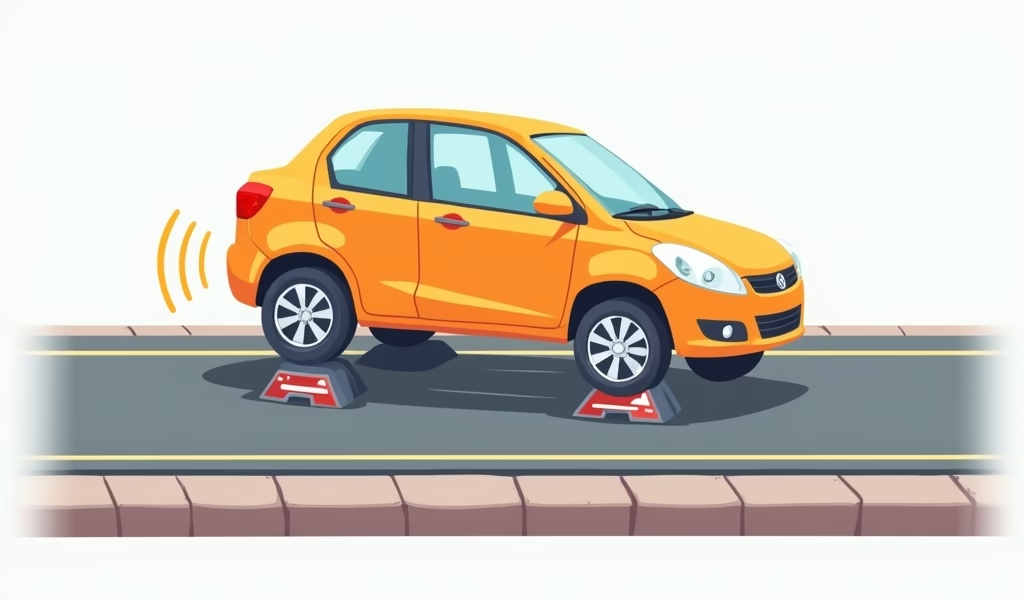
Just like having a guardian angel for your wheels, your car’s Anti-lock Braking System prevents wheel lock-up during emergency stops, helping you maintain steering control while reducing stopping distance on slippery surfaces. Understanding ABS warning signs and following key maintenance practices—particularly changing brake fluid every 2-3 years—can prevent costly repairs while ensuring this critical safety system is ready when you need it most.
Table of Contents
- Understanding ABS: Your Car’s Safety Net
- How ABS Works: The Science Behind the Safety
- Warning Signs Your ABS Needs Attention
- Common Causes of ABS Failures
- Maintenance Tips to Prevent Costly ABS Repairs
- DIY vs. Professional Repairs: What You Should Know
- Cost Expectations for ABS Repairs
- Conclusion
- Frequently Asked Questions
Understanding ABS: Your Car’s Safety Net
The Anti-lock Braking System (ABS) is one of the most important safety features in your vehicle, yet many drivers don’t fully understand what it does until they need it most. As a mechanic who’s worked on thousands of braking systems, I can tell you that what is ABS in cars is pretty straightforward – it’s essentially your emergency braking assistant.
In simple terms, ABS prevents your wheels from locking up during hard braking. When wheels lock, you lose steering control and stopping efficiency, particularly on wet or slippery surfaces. The National Highway Traffic Safety Administration reports that vehicles with properly functioning ABS have significantly lower crash rates in wet conditions compared to those without this technology.
The system was first developed for aircraft in the 1920s but didn’t become common in passenger vehicles until the 1980s. Today, it’s standard equipment on virtually all new cars and has saved countless lives by helping drivers maintain control during emergency stops.
How ABS Works: The Science Behind the Safety
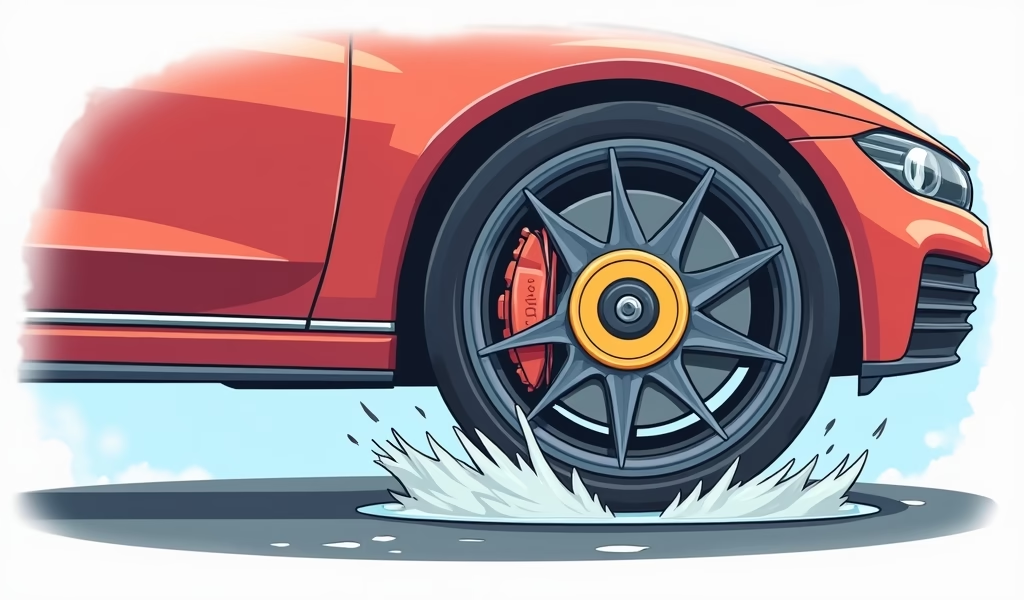
Your ABS is a sophisticated system with four main components working together with remarkable precision:
- Speed sensors at each wheel
- A hydraulic control unit
- A pump to restore pressure
- An electronic control unit (the system’s brain)
When you hit the brakes hard, the wheel sensors detect if any wheels are slowing too quickly (about to lock). If lock-up is imminent, the control unit activates the ABS pump and valves, which rapidly pulse brake pressure to that wheel. This happens up to 15 times per second – much faster than any human could manually pump the brakes.
This pulsing action is why you feel vibration in the brake pedal during emergency stops. That vibration is actually feedback letting you know the system is working properly. The science behind anti-lock braking systems shows they can reduce stopping distances by up to 22% on slippery roads.
Modern ABS doesn’t work alone – it’s integrated with other crucial safety systems in modern cars like traction control and electronic stability control. Together, these systems form a comprehensive safety net that keeps your vehicle stable in challenging conditions.
Warning Signs Your ABS Needs Attention
After years in the garage, I’ve learned that ABS rarely fails without warning. Here are the telltale signs that something’s amiss with your anti-lock brakes:
ABS Warning Light
The most obvious sign is an illuminated ABS light on your dashboard. This amber warning light typically appears as the letters “ABS” inside a circle or within parentheses. Don’t ignore it! While your regular brakes will still function, you’ve lost the anti-lock capability that prevents skidding.
Unusual Brake Pedal Behavior
Pay attention to how your brake pedal feels. If it suddenly becomes too hard, too soft, or inconsistent, your ABS system may be malfunctioning. A properly functioning brake pedal should offer steady, predictable resistance.
Strange Noises During Braking
While a slight pulsing sound during emergency braking is normal (that’s your ABS working), grinding, clicking, or continuous pumping noises during regular braking aren’t normal. These sounds often indicate problems with the ABS pump or module.
Increased Stopping Distance
If your vehicle takes longer to stop than it used to, particularly on wet or slippery surfaces, your ABS might not be functioning properly. This could be dangerous in emergency situations when every foot counts.
The moment you notice any of these warning signs, it’s time to have your system checked. According to research from the Insurance Institute for Highway Safety, properly functioning ABS can reduce your risk of being in a fatal crash by up to 35% on wet roads.
Common Causes of ABS Failures
In my experience, ABS failures typically stem from a handful of common issues:
Sensor Problems
The wheel speed sensors are particularly vulnerable as they’re exposed to road debris, water, and temperature extremes. These sensors can become damaged or coated with metal particles (due to their magnetic properties), sending incorrect signals to the ABS module.
Electrical Issues
Damaged wiring, blown fuses, or corroded connections can interrupt the electrical signals necessary for proper ABS function. These electrical problems account for roughly 40% of the ABS failures I’ve diagnosed.
Hydraulic Complications
The ABS module contains small valves and passages that can become clogged with contaminated brake fluid or corroded over time. Leaks in the brake lines can also cause system failure by reducing hydraulic pressure.
Control Module Failures
Like any computer, the ABS control module can fail due to electrical issues, age, or moisture exposure. When this happens, the entire ABS system typically stops functioning.
Perhaps the most common cause of ABS issues I see in my shop is neglected brake fluid. Old fluid absorbs moisture, causing corrosion inside the system and eventually leading to component failure. Regular fluid changes every 2-3 years can prevent many ABS problems before they start.
Maintenance Tips to Prevent Costly ABS Repairs

An ounce of prevention is worth a pound of cure, especially when it comes to your ABS. Here’s my professional advice for keeping your system in top shape:
Regular Brake Fluid Changes
This is the single most important maintenance item for your ABS. Brake fluid absorbs moisture over time, which lowers its boiling point and promotes internal corrosion. Have your brake fluid completely replaced every 2-3 years, regardless of mileage.
Check the color of your brake fluid – fresh fluid is clear to amber, while old fluid turns dark brown. If your fluid is dark, it’s time for a change, even if you haven’t hit the 2-year mark.
Keep Sensors Clean
When having your brakes serviced, ask your mechanic to clean the ABS sensors. These sensors can accumulate road debris and metal particles that affect their accuracy.
Proper Inspection During Brake Service
Whenever you have brake work done, make sure the shop includes an ABS inspection. This should include checking sensor connections, examining wiring for damage, and scanning for stored fault codes even if your warning light isn’t on.
Address Minor Issues Promptly
Don’t wait for complete system failure. If you notice any of the warning signs we discussed earlier, have your ABS checked right away. Early intervention often means simpler, less expensive repairs.
Following these maintenance tips will not only extend the life of your ABS system but also help you avoid the surprise of understanding ABS, ESC, and traction control failures at the worst possible moment – when you need them most.
DIY vs. Professional Repairs: What You Should Know
As someone who’s worked on ABS systems for years, I’ll be straight with you – some ABS maintenance can be handled by a competent DIYer, while other tasks should absolutely be left to professionals. Here’s my honest breakdown:
What You Can Do Yourself
- Check brake fluid levels and condition
- Visually inspect brake lines for leaks or damage
- Clean visible sensor areas (without disconnecting)
- Use an OBD-II scanner to read basic ABS codes
For the average car owner with basic tools and mechanical knowledge, these tasks are relatively safe and straightforward. Just remember to always consult your vehicle’s service manual first.
When to Call a Professional
- Bleeding the ABS system (requires specialized equipment)
- Replacing ABS components
- Troubleshooting intermittent ABS issues
- Programming or resetting the ABS module
These tasks require specialized tools, diagnostic equipment, and manufacturer-specific knowledge that most DIYers don’t have. I’ve seen too many well-intentioned DIY attempts lead to more extensive damage and higher repair bills.
If your ABS warning light is on, it’s best to have a professional diagnosis. Many auto parts stores offer free code reading services, but they typically can’t perform the in-depth diagnostics needed for ABS problems.
The truth is that modern ABS systems are complex, and mistakes can be both costly and dangerous. When in doubt, consult with a certified brake specialist who has the proper tools and training.
Cost Expectations for ABS Repairs
Let’s talk money – because ABS repairs can vary widely in cost. Here’s what you might expect to pay:
Diagnostic Fees
Most shops charge $80-150 for ABS diagnostics. This typically includes scanning for codes, basic testing, and a recommendation for repairs. Some places will apply this fee toward repairs if you have the work done there.
Common Repair Costs
- ABS wheel speed sensor: $150-400 per sensor (including labor)
- ABS module replacement: $700-1,200
- ABS pump/hydraulic unit: $600-1,200
- ABS ring replacement: $150-350
- Complete brake fluid flush: $80-200
These prices can vary based on your vehicle make and model, your location, and whether you’re using OEM or aftermarket parts. Luxury and European vehicles typically have higher parts costs than domestic or Asian models.
It’s worth noting that the preventative maintenance I mentioned earlier – particularly regular brake fluid changes – typically costs $80-120 every 2-3 years but can prevent repairs costing ten times that amount. This makes fluid maintenance one of the best investments you can make in your vehicle’s braking system.
If you’re facing a particularly expensive repair on an older vehicle, it’s worth getting a second opinion and considering the vehicle’s overall value. Sometimes, on older vehicles with multiple issues, it may make more financial sense to trade up than to invest in major ABS repairs.
Conclusion
Your car’s ABS is more than just another automotive system – it’s a crucial safety feature that can prevent accidents and potentially save lives. Understanding what ABS is and how it works is the first step in ensuring it’s there for you when you need it most.
Remember, proper maintenance is the key to avoiding costly ABS repairs. Regular brake fluid changes, prompt attention to warning signs, and including ABS inspection during routine brake service can help you avoid major problems down the road.
When problems do arise, knowing when to tackle issues yourself and when to seek professional help can save you time, money, and headaches. And while ABS repairs can sometimes be expensive, they’re an investment in your safety and your vehicle’s longevity.
Drive safely, maintain wisely, and your ABS will be ready when that unexpected obstacle appears in your path – quietly doing its job to keep you and your passengers safe.
Frequently Asked Questions
What exactly does ABS do in emergency situations?
ABS prevents your wheels from locking up during hard braking, allowing you to maintain steering control while stopping. This helps you avoid obstacles while reducing your stopping distance on slippery surfaces.
Can I drive with the ABS light on?
Yes, but with caution – your normal brakes still work, but you’ve lost the anti-lock functionality. Drive carefully in wet or slippery conditions and have the system checked as soon as possible.
How often should I replace my brake fluid?
Brake fluid should be completely replaced every 2-3 years regardless of mileage. This prevents moisture accumulation that can damage ABS components and reduce braking effectiveness.
Are aftermarket ABS parts as good as OEM?
Quality varies widely among aftermarket ABS components. For critical safety systems like ABS, OEM or high-quality aftermarket parts from reputable brands are generally worth the extra cost.
Will my car pass inspection with the ABS light on?
This varies by state and inspection type. Some states include ABS in safety inspections while others don’t, but a functioning ABS system is required to pass emissions in many regions.
For more information on how ABS works with other vehicle safety systems, check out our guide on understanding ABS, ESC, and traction control. These integrated systems work together to keep you safe on the road.