

Overview
Just like a bartender mixing the perfect cocktail, your fuel injection system precisely delivers fuel to your engine—when it sputters, warning signs like rough idling, hesitation, and decreased fuel economy signal potential issues that can lead to breakdowns. Understanding this crucial system empowers you to prevent problems through simple maintenance like using quality fuel, replacing filters regularly, and heeding early warning signs—potentially saving you from expensive repairs and extending your vehicle’s life by thousands of miles.
Table of Contents
- Introduction: When Your Car Starts Acting Up
- What Is a Fuel Injection System and How Does It Work?
- Why Your Fuel Injection System Matters
- Warning Signs of Fuel Injection Problems
- Common Causes of Fuel Injection System Failure
- Essential Maintenance Tips to Prevent Breakdowns
- When to Consider Replacement
- DIY vs. Professional Service: Making the Right Choice
- Conclusion: Keeping Your Fuel Injection System Healthy
- Frequently Asked Questions
Introduction: When Your Car Starts Acting Up
Picture this: you’re cruising down the highway when suddenly your car loses power. You press the gas pedal, but instead of accelerating, your vehicle sputters and stalls. That sinking feeling in your stomach? It might be your fuel injection system letting you know something’s wrong.
I’ve seen this scenario play out thousands of times in my shop. Fuel injection problems account for about 25% of the engine-related issues that leave drivers stranded on the roadside. The frustrating part? Most of these breakdowns are completely preventable with basic knowledge and maintenance.
Understanding how your fuel injection system operates isn’t just for car enthusiasts or mechanics – it’s practical knowledge that can save you serious money and headaches. In this guide, I’ll walk you through everything you need to know about this critical system in straightforward, no-nonsense terms.
Whether you’re a hands-on DIYer or someone who prefers to leave maintenance to the pros, by the end of this article, you’ll understand what’s happening under your hood and how to prevent those costly, inconvenient breakdowns.
What Is a Fuel Injection System and How Does It Work?
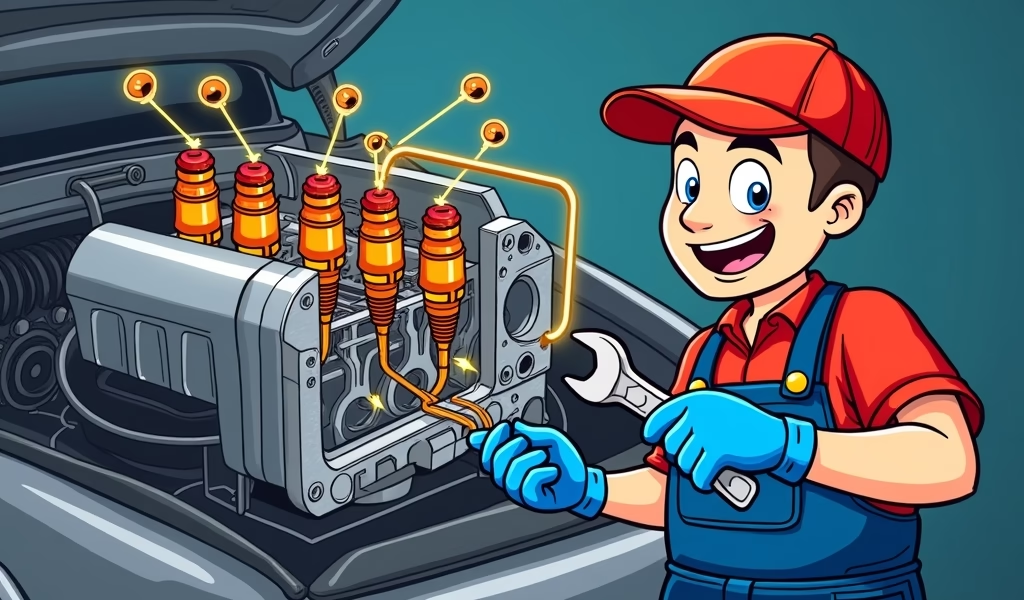
Think of your fuel injection system as your car’s bartender – it’s responsible for mixing just the right amount of fuel with air and delivering it to your engine. Unlike the carburetors found in older cars (which were basically mechanical devices that often needed adjusting), modern fuel injection systems use computer control to deliver precisely measured sprays of fuel.
Your fuel injection system has several key components that work together:
- Fuel injectors – nozzles that spray fuel in specific patterns
- Fuel pump – pushes fuel from your tank to the injectors under pressure
- Fuel filter – keeps contaminants from reaching sensitive components
- Various sensors – provide data about engine conditions
- Engine Control Unit (ECU) – the computer that orchestrates everything
When you start your car, the fuel pump activates, creating pressure in the system. As you press the gas pedal, the ECU calculates exactly how much fuel your engine needs based on information from various sensors. It then signals the injectors to spray a precise amount of fuel into the intake manifold or directly into the combustion chamber (depending on your car’s design).
What’s impressive is how precisely this happens – many modern systems can adjust fuel delivery thousands of times per minute! According to research published by the Society of Automotive Engineers, today’s injectors can deliver fuel with accuracy measured in milligrams, adapting instantly to changing driving conditions.
This precision is what gives modern cars their smooth operation, improved fuel economy, and lower emissions compared to vehicles from just a couple decades ago. The system keeps your engine running at peak efficiency whether you’re crawling through traffic or cruising on the highway.
Why Your Fuel Injection System Matters
Your fuel injection system might not be something you think about often, but it affects virtually every aspect of your driving experience. Here’s why it deserves your attention:
First and foremost, it directly impacts your fuel economy. A properly functioning system can improve your gas mileage by 20-30% compared to older carburetor systems. In my experience working on thousands of vehicles, even minor issues with fuel injectors can drop your MPG by 10-15% before you notice other symptoms.
Performance is another big one. That smooth acceleration you expect when pressing the gas pedal? That’s your fuel injection system responding in real-time. When it’s working correctly, you get consistent power without hesitation, stumbling, or surging.
Then there’s reliability. Many mechanics will tell you that fuel system issues rank among the top causes of roadside breakdowns. A well-maintained system means fewer unexpected repair bills and fewer instances of being stranded somewhere inconvenient.
Your fuel injection system also plays a crucial role in your vehicle’s emissions. Modern cars must meet stringent environmental standards, and precise fuel delivery is essential for reducing harmful pollutants. In fact, EPA data shows that modern fuel injection has been instrumental in reducing vehicle emissions by over 98% compared to pre-controlled vehicles.
Simply put, a healthy fuel injection system means better gas mileage, smoother performance, fewer breakdowns, and cleaner air. That’s why understanding this system isn’t just for car enthusiasts – it’s practical knowledge that benefits every driver.
Warning Signs of Fuel Injection Problems
Your car is pretty good at telling you when something’s wrong – if you know what to look for. Here are the telltale signs that your fuel injection system might be crying out for attention:
Rough Idle and Hesitation
If your car shakes, vibrates, or runs unevenly when you’re stopped at a light, your fuel injectors might be clogged or not spraying properly. Similarly, if you press the gas pedal and there’s a noticeable delay before your car accelerates, that hesitation often points to fuel delivery issues.
Hard Starting
When your car cranks but takes longer than usual to start – especially on cold mornings – it could indicate fuel pressure problems or injectors that aren’t delivering enough fuel for proper startup.
Poor Fuel Economy
If you’re suddenly making more frequent trips to the gas station, your fuel injection system might be overcompensating for a problem by delivering too much fuel. In my shop, we often see a 15-20% drop in fuel efficiency before drivers notice other symptoms.
Engine Misfires
That stuttering, hesitating feeling when you’re driving – especially under load or when accelerating – often indicates that one or more cylinders aren’t getting the proper fuel-air mixture.
Check Engine Light
While many issues can trigger this warning, fuel system problems rank among the most common causes. Don’t ignore this light – it’s your car’s way of saying something needs attention before it becomes a bigger problem.
Strong Fuel Smell
If you notice a gasoline odor around your vehicle or from the exhaust, it could indicate that fuel isn’t being properly combusted – potentially due to injection problems.
These symptoms typically don’t appear suddenly – they develop gradually, giving you time to address the underlying issues before you’re left stranded. The key is not to ignore these warning signs, as they rarely resolve themselves and usually worsen over time.
Many drivers I’ve worked with admit they noticed small issues weeks or even months before a major breakdown. Taking action when you first notice these symptoms can save you from costly repairs and inconvenient breakdowns down the road.
Common Causes of Fuel Injection System Failure
After working on thousands of vehicles, I’ve seen patterns emerge in what typically causes fuel injection systems to fail. Understanding these common culprits can help you prevent problems before they start:
Poor Fuel Quality
Not all gas is created equal. Discount fuel stations sometimes sell gas with fewer detergent additives that help keep injectors clean. Over time, this can lead to carbon buildup that disrupts the injector’s spray pattern. Many mechanics recommend using Top Tier certified fuel, which contains more detergents to keep your system clean.
Neglected Fuel Filters
Your fuel filter is the unsung hero that protects your injectors from contaminants. When it becomes clogged, it restricts flow and forces your fuel pump to work harder. Yet it’s one of the most commonly overlooked maintenance items. In our experience, a surprising number of vehicles come in with original filters at 100,000+ miles, despite manufacturer recommendations to replace them every 30,000-50,000 miles.
Failing Fuel Pumps
The pump creates the pressure necessary for proper injection. When it begins to fail, it typically causes inconsistent pressure, resulting in performance issues that may come and go before complete failure. Running your car regularly with less than a quarter tank can accelerate pump wear, as the fuel helps cool the pump during operation.
Electrical Issues
Modern injectors are electronically controlled, and problems with wiring, connectors, or control modules can cause erratic operation. These can be challenging to diagnose without specialized equipment, but they account for approximately 15-20% of the fuel system issues we see.
Carbon Buildup
Over time, carbon naturally accumulates on injector tips, disrupting spray patterns. This is especially common in vehicles that make frequent short trips where the engine doesn’t fully warm up. Direct injection systems are particularly prone to carbon buildup on intake valves since fuel no longer washes over them as it does in port injection systems.
Understanding these common failure points helps explain why regular maintenance is so important. Most of these issues develop gradually and can be prevented or addressed early with proper care.
Essential Maintenance Tips to Prevent Breakdowns
An ounce of prevention is worth a pound of cure – especially when it comes to your fuel injection system. Here are practical maintenance steps that can save you from expensive repairs and inconvenient breakdowns:
Replace Your Fuel Filter Regularly
This simple maintenance item is your first line of defense. Most manufacturers recommend replacement every 30,000-50,000 miles, but if you frequently drive in dusty conditions or use less-than-ideal fuel sources, consider doing it more often. It’s relatively inexpensive insurance against bigger problems.
Use Quality Fuel
I’ve seen the difference quality fuel makes firsthand. Top Tier certified gasoline contains more detergents that help keep injectors clean. It typically costs just a few cents more per gallon but can significantly extend the life of your fuel system. Proper fuel selection is one of the simplest ways to protect your injection system.
Add Fuel System Cleaner Occasionally
Most mechanics recommend adding a quality fuel system cleaner to your tank every 3,000-5,000 miles. These products help dissolve carbon deposits before they become problematic. Just be sure to use respected brands – some additives contain harsh solvents that can damage sensors or seals.
Don’t Run on Empty
Your fuel pump relies on the gasoline in your tank for cooling and lubrication. Regularly running your tank near empty forces the pump to work harder and run hotter, potentially shortening its life. Try to keep at least a quarter tank at all times.
Consider Professional Cleaning Services
Every 30,000-45,000 miles, consider having a professional cleaning service performed. These use specialized equipment to run cleaning solutions through your injectors, removing deposits that regular additives might miss. It’s particularly valuable for direct injection systems, which are more prone to carbon buildup.
Listen to Your Car
Pay attention to how your vehicle runs. If you notice even slight hesitations, rough idling, or changes in fuel economy, don’t wait for the problem to worsen. Early intervention is almost always less expensive than waiting for complete failure.
These maintenance steps might seem simple, but they’re remarkably effective at preventing problems. I’ve seen vehicles with 200,000+ miles running on original injectors simply because their owners followed these basic practices.
Remember, the small investment in preventative maintenance typically pays dividends in reliability, performance, and long-term cost savings. As the saying goes in our shop: “You can pay a little now, or a lot later.”
When to Consider Replacement
While maintenance can extend the life of your fuel injection system, eventually, components will require replacement. Here’s how to know when that time has come:
First, consider the age and mileage of your vehicle. Most fuel injectors last between 80,000 and 150,000 miles with proper maintenance. If you’re approaching or exceeding this range and experiencing symptoms, replacement might make more sense than repair.
Look at your repair history. If you’ve already had multiple cleaning services with only temporary improvement, it often indicates internal mechanical wear that cleaning can’t fix. In my experience, when symptoms return within 3,000 miles after a professional cleaning, it’s usually time to replace rather than clean again.
Consider your diagnostic results. Modern scan tools can provide valuable data about injector performance. If testing shows significant flow rate discrepancies between cylinders or erratic patterns, replacement is typically the best path forward.
Many mechanics recommend replacement when repair costs approach 50-60% of replacement costs. This is especially true if your vehicle has high mileage, as other components might soon need attention as well.
When weighing repair versus replacement, remember that fuel injectors are precision components with tight manufacturing tolerances. Rebuilding can be an option for some specialized applications, but for most modern vehicles, new or remanufactured injectors from reputable sources typically provide the best reliability and performance.
The good news? Replacing fuel injectors often provides a noticeable improvement in performance, fuel economy, and emissions – making it a worthwhile investment in your vehicle’s overall health and your driving experience.
DIY vs. Professional Service: Making the Right Choice
When it comes to fuel injection maintenance and repairs, knowing what you can safely handle yourself and when to call in the pros can save you time, money, and potential headaches.
What You Can Do Yourself
Even if you’re not particularly mechanically inclined, there are several fuel system maintenance tasks you can handle:
- Adding fuel system cleaners to your tank (follow product instructions carefully)
- Replacing fuel filters on vehicles where they’re externally mounted (not in-tank designs)
- Using an OBD-II scanner to read basic trouble codes
- Performing visual inspections of accessible fuel lines and connections
These DIY tasks require minimal tools and can save you some money on maintenance costs. Just be sure to follow your vehicle’s service manual and take appropriate safety precautions.
When to Call a Professional
For more complex issues, professional service is usually the safer and more cost-effective choice. Consider leaving these tasks to the experts:
- Diagnosing complex drivability issues
- Replacing fuel injectors or pumps
- Any work that requires relieving fuel system pressure
- Accessing in-tank components
- When check engine lights indicate multiple fuel system issues
Professional shops have specialized diagnostic equipment that most DIYers lack. For example, injector flow testing machines can precisely measure performance, helping to identify which injectors need attention. They also have the proper equipment to safely handle pressurized fuel systems and the expertise to correctly diagnose complex issues.
Remember that fuel systems remain pressurized even when the engine is off, and gasoline is highly flammable. Improper service can create fire hazards, damage to electronic components, or fuel leaks. Weigh your skill level against these risks when deciding whether to DIY.
If you do decide to tackle more advanced fuel system maintenance, invest in a service manual specific to your vehicle, research proper procedures thoroughly, and always disconnect the battery before working on fuel system components.
The most cost-effective approach for most owners is to handle basic maintenance themselves while leaving complex diagnostics and repairs to professionals. This balanced approach helps you maintain your vehicle properly without taking unnecessary risks.
Conclusion: Keeping Your Fuel Injection System Healthy
Your fuel injection system might not be the most glamorous part of your vehicle, but it’s certainly among the most important. After working on countless cars over the years, I’ve seen how proper maintenance can extend the life of these systems while preventing those frustrating, unexpected breakdowns.
The key takeaways are simple: use quality fuel, don’t ignore warning signs, replace filters regularly, and consider professional cleaning services as part of your routine maintenance. These straightforward steps can save you thousands in repairs and countless hours of inconvenience.
Remember that most fuel injection problems don’t happen overnight – they develop gradually, giving you plenty of opportunity to address them before they leave you stranded. Pay attention to how your car performs and don’t dismiss subtle changes in behavior.
Whether you’re a DIY enthusiast or someone who prefers professional service, understanding the basics of your fuel injection system empowers you to make better decisions about your vehicle’s care. And in the end, that knowledge translates directly into a more reliable, efficient, and enjoyable driving experience.
Take care of your fuel injection system, and it will take care of you – keeping you on the road and away from those expensive repair shops for many miles to come.
Frequently Asked Questions
What is the average lifespan of fuel injectors?
With proper maintenance, fuel injectors typically last between 80,000 and 150,000 miles. Vehicles that receive regular fuel system cleanings and use quality fuel often see injectors last well beyond these numbers.
How can I tell if my fuel injectors need cleaning?
Watch for symptoms like rough idle, hesitation during acceleration, or decreased fuel economy. These early warning signs often indicate that injectors would benefit from cleaning before more serious problems develop.
Can bad fuel damage my injection system?
Absolutely. Low-quality or contaminated fuel can clog injectors and damage fuel pumps. Whenever possible, purchase fuel from reputable stations that sell Top Tier gasoline with enhanced detergent packages.
Do fuel injector cleaners really work?
Quality fuel system cleaners can be effective for maintenance and addressing minor carbon buildup. However, they’re typically not powerful enough to solve severe clogging issues, which require professional cleaning equipment.
Is it better to repair or replace faulty injectors?
For most modern vehicles, replacement is typically more cost-effective than repair. The labor cost is similar either way, and new or quality remanufactured injectors provide better reliability than rebuilt ones in most cases.