

Overview
Just like your car’s environmental bodyguard, a catalytic converter transforms harmful engine pollutants into less harmful substances while quietly doing its job between your engine and muffler. Understanding the signs of failure (check engine light, reduced performance, unusual odors), practicing proper maintenance, and taking theft prevention measures can save you from the shock of replacement costs ranging from $500 to over $2,500, while extending the life of this essential emissions control device.
Table of Contents
- What is a Catalytic Converter?
- How Catalytic Converters Work
- Signs of a Failing Catalytic Converter
- Common Causes of Catalytic Converter Failure
- Preventing Catalytic Converter Damage
- Catalytic Converter Theft
- Repair vs. Replacement Options
- Cost-Saving Strategies
- Conclusion
- Frequently Asked Questions
What is a Catalytic Converter?
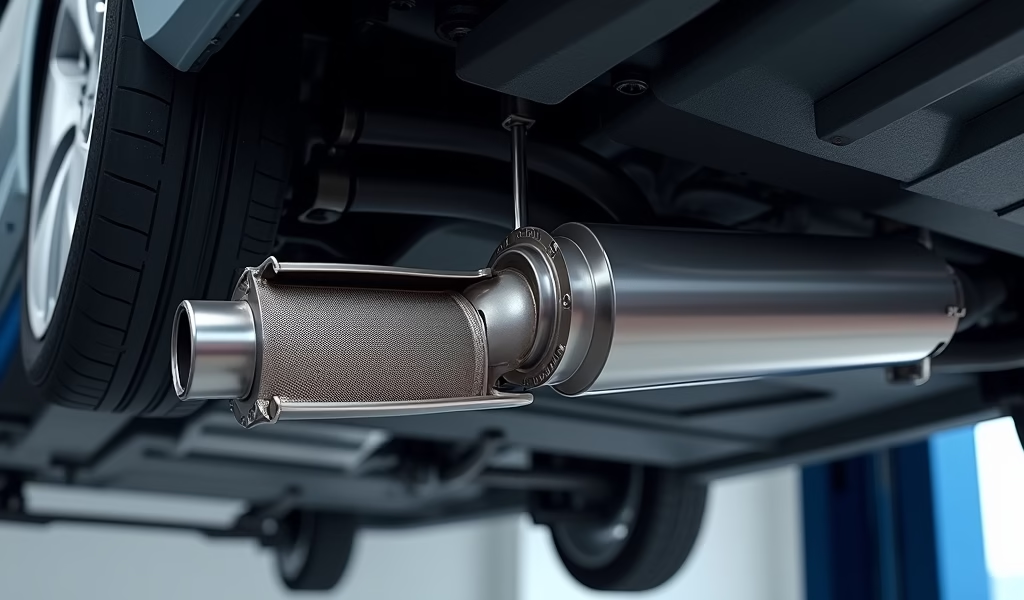
A catalytic converter is an essential emissions control device that transforms harmful pollutants from your engine into less harmful substances before they exit your vehicle’s exhaust system. Think of it as your car’s environmental guardian, quietly working beneath your vehicle to reduce its carbon footprint. Located between the engine and muffler, this unassuming metal canister plays a crucial role in keeping our air cleaner and meeting environmental regulations.
First introduced in the 1970s in response to the Clean Air Act, what is a catalytic converter has evolved from a simple pollution reducer to a sophisticated component that’s now standard equipment on virtually all gasoline and diesel-powered vehicles worldwide. Without this device, your car would emit significantly higher levels of toxic gases including carbon monoxide, nitrogen oxides, and unburned hydrocarbons.
Despite its importance, many drivers only think about their catalytic converter when something goes wrong—or when faced with the potentially shocking replacement costs. With prices ranging from $500 to over $2,500 depending on your vehicle, catalytic converter repairs can certainly put a dent in your wallet. But the good news? Many converter issues can be prevented with proper understanding and maintenance.
How Catalytic Converters Work
Let’s break down the magic happening inside that metal housing without getting too technical. Inside a catalytic converter lies a honeycomb-structured ceramic core coated with precious metals—typically platinum, palladium, and rhodium. These metals serve as catalysts, meaning they speed up chemical reactions without being consumed in the process.
When hot exhaust gases flow through this honeycomb structure, something remarkable happens. The catalysts facilitate chemical reactions that convert harmful pollutants into less harmful substances. Specifically, they transform carbon monoxide (CO) into carbon dioxide (CO2), unburned hydrocarbons into carbon dioxide and water, and nitrogen oxides (NOx) into nitrogen and oxygen.
Modern vehicles typically use what we call “three-way” catalytic converters because they tackle all three major pollutants simultaneously. It’s a bit like having a chemistry lab working around the clock beneath your car! The inner workings of catalytic converters are truly fascinating for those interested in automotive engineering.
For optimal performance, catalytic converters need to reach an operating temperature of about 800°F (426°C). That’s why they’re positioned relatively close to the engine where exhaust gases are hottest. This design ensures the catalytic reactions occur efficiently, allowing your vehicle to meet strict emissions standards established by the EPA and other regulatory bodies around the world.
Signs of a Failing Catalytic Converter
Catching catalytic converter problems early can save you significant money and headaches. As a mechanic, I’ve seen countless customers ignore the warning signs until it’s too late. Here are the telltale indicators that your catalytic converter might be struggling:
- Check Engine Light: Often the first warning sign, specifically with codes P0420, P0430, or related emissions codes. Don’t ignore this dashboard alert!
- Reduced Engine Performance: A clogged converter restricts exhaust flow, creating backpressure that can make your engine feel sluggish or underpowered.
- Poor Fuel Economy: When your converter isn’t working properly, your engine management system may try to compensate, often resulting in increased fuel consumption.
- Sulfur Smell: A rotten egg odor from your exhaust can indicate a converter that’s not properly processing fuel compounds.
- Excessive Heat Under Vehicle: A malfunctioning converter can overheat, potentially causing heat damage to nearby components or floor panels.
- Rattling Noises: If the honeycomb structure inside has broken apart, you might hear pieces rattling around, especially during cold starts or when accelerating.
If you notice any of these symptoms, it’s wise to have your vehicle checked promptly. According to EPA studies, driving with a failing catalytic converter not only increases pollution but can lead to more extensive engine damage when left unchecked.
Early diagnosis typically means more repair options. A partially clogged converter might be salvageable with cleaning procedures, while a completely failed unit will almost certainly require replacement. The key is not to ignore these symptoms—what might start as a minor issue can quickly escalate into a major repair bill.
Common Causes of Catalytic Converter Failure
Catalytic converters are built to last—typically for at least 100,000 miles under normal conditions. However, several factors can lead to premature failure. Understanding these causes is your first step toward prevention.
Engine performance issues are the number one culprit behind converter failures. When your engine misfires or runs rich (too much fuel, not enough oxygen), unburned fuel enters the exhaust system. This fuel can ignite inside the catalytic converter, creating excessive heat that damages or melts the internal components. Regular engine maintenance, particularly of your ignition and fuel systems, is therefore crucial for converter longevity.
Physical damage is another common issue. Because converters are located underneath your vehicle, they’re vulnerable to impacts from road debris, speed bumps, and off-road driving. A dented housing or cracked internal structure can significantly reduce performance or cause complete failure.
Contamination from oil or coolant can also poison your catalytic converter. If your engine has internal leaks allowing these fluids into the combustion chamber, they’ll eventually reach and coat the converter’s catalyst materials, rendering them ineffective. This is why addressing head gasket leaks or worn piston rings promptly is essential for protecting your emissions system.
Age and high mileage will eventually take their toll as well. Over time, the precious metal catalysts gradually become less effective through a process called thermal degradation. While this natural aging process can’t be completely prevented, proper engine maintenance can significantly extend your converter’s functional lifespan.
Preventing Catalytic Converter Damage
An ounce of prevention is worth a pound of cure—especially when that “cure” could cost you thousands of dollars! Keeping your catalytic converter healthy starts with proper engine maintenance. Here are practical steps every vehicle owner should take:
- Address Check Engine Lights Promptly: Don’t ignore that warning light! Early intervention for engine misfires or rich-running conditions can prevent converter damage.
- Maintain Your Fuel System: Regular fuel injector cleaning and fresh fuel filters help ensure proper fuel-air mixture, reducing unburned fuel entering your exhaust.
- Change Oil Regularly: Fresh oil reduces the chance of oil consumption issues that can contaminate your converter.
- Use Quality Fuel: Lower-quality fuels may contain contaminants that can affect your engine’s performance and, consequently, your catalytic converter.
- Drive Regularly: Short trips prevent your converter from reaching optimal operating temperature. Try to include a 20-minute highway drive in your regular routine to keep things clean.
- Be Cautious on Rough Terrain: Remember that your converter has limited ground clearance—drive carefully over speed bumps and avoid deep potholes when possible.
Taking these preventative measures can significantly extend your catalytic converter’s life. Plus, they’re generally good practices for overall vehicle health. Consider scheduling emissions testing checks between your regular maintenance appointments if you suspect any issues.
One often overlooked prevention tip: be mindful of where you park. Catalytic converters operate at extremely high temperatures. Parking over dry grass or leaves presents a real fire hazard, as these materials can ignite when touching a hot converter. Always park on paved surfaces when your engine has been running hard.
Catalytic Converter Theft
Unfortunately, we need to address a growing problem affecting vehicle owners nationwide: catalytic converter theft. These components have become prime targets for thieves because they contain valuable precious metals—particularly rhodium, which can be worth more than gold per ounce. A thief with the right tools can remove a converter in under two minutes, leaving you with a loud, non-emissions-compliant vehicle and a repair bill that can exceed $2,000.
Certain vehicles are particularly vulnerable. Hybrids like the Toyota Prius are common targets because their converters tend to contain higher concentrations of precious metals. SUVs and trucks are also frequently targeted due to their higher ground clearance, which provides easier access to the exhaust system without needing to jack up the vehicle.
To protect your vehicle from converter theft, consider these preventative measures:
- Park in well-lit, high-traffic areas whenever possible
- Install a catalytic converter protection shield or cage
- Have your converter etched with your VIN number to deter thieves and help with recovery
- Consider installing a car alarm that’s sensitive to vibration
- Park in a garage at home if available
Some insurance policies cover catalytic converter theft, but many require comprehensive coverage, not just liability. It’s worth checking with your insurer about your specific coverage. According to the National Insurance Crime Bureau, catalytic converter thefts have increased by over 1,000% in some areas since 2019, making this a serious consideration for vehicle owners.
Repair vs. Replacement Options
When facing catalytic converter issues, you’ll generally have two paths forward: repair or replacement. Let’s explore both options to help you make an informed decision.
In some cases, especially when the converter is clogged rather than physically damaged, cleaning might be possible. Fuel additives designed to clean catalytic converters can sometimes resolve minor clogging. These products work by breaking down carbon deposits during regular driving. However, their effectiveness is limited to early-stage problems and mild contamination.
For more serious clogs, some repair shops offer catalytic converter cleaning services. This typically involves removing the converter and using specialized equipment to blast out carbon deposits. Success rates vary widely, and this approach won’t fix converters with melted substrates or physical damage.
When replacement becomes necessary, you have several options:
- OEM (Original Equipment Manufacturer) Converters: These match your vehicle’s original specifications exactly but come with the highest price tag.
- Aftermarket Converters: Less expensive alternatives that still meet emissions requirements, though quality varies significantly between brands.
- Direct-fit Converters: Designed as drop-in replacements for your specific vehicle model, making installation straightforward.
- Universal Converters: Require welding and modification to install but can be more cost-effective for older vehicles.
It’s crucial to understand that federal law prohibits installing “test pipes” or other devices that bypass your catalytic converter. While these might improve performance slightly, they’re illegal for road use and will cause you to fail emissions testing where required.
If your vehicle is still under warranty, check if converter replacement might be covered. Many manufacturers provide extended emissions system warranties up to 8 years or 80,000 miles under federal requirements. This could save you significant out-of-pocket expenses.
Cost-Saving Strategies
Let’s talk dollars and cents. Catalytic converter replacements aren’t cheap, but there are legitimate ways to reduce costs without cutting corners on quality or legality.
First, get multiple quotes. Prices can vary dramatically between dealerships and independent repair shops. Dealerships typically charge more but might offer better warranty coverage. Independent shops often provide more competitive pricing while still using quality parts. Don’t be afraid to make a few calls—it could save you hundreds.
Consider aftermarket options carefully. While OEM converters are generally the gold standard, high-quality aftermarket units from reputable manufacturers can perform nearly as well at a fraction of the cost. Brands like Walker, MagnaFlow, and Eastern have solid reputations for emissions components. Just ensure any replacement converter is EPA-compliant and approved for your specific vehicle and state.
If you’re mechanically inclined, labor costs can be reduced through DIY installation—particularly with direct-fit converters that bolt into place. However, this approach isn’t for everyone. Converters can be challenging to access, may require specialized tools, and often involve dealing with rusty exhaust components. A botched DIY job could end up costing more than professional installation.
For older vehicles approaching the end of their service life, discuss with your mechanic whether a universal converter might be appropriate. While installation requires welding, the parts cost significantly less than vehicle-specific units. Just ensure it meets emissions requirements for your area.
Finally, check if your auto insurance might cover part of the replacement cost, especially if the failure resulted from an accident or if your converter was stolen. Some policies include provisions for emissions equipment, so it’s worth a quick call to your agent before paying out of pocket.
Conclusion
Understanding what is a catalytic converter and how it works is the first step toward protecting this valuable component of your vehicle. While replacement costs can be substantial, many converter failures are preventable with proper maintenance and care. By recognizing the warning signs early, addressing engine issues promptly, and taking security precautions, you can significantly extend your converter’s lifespan and avoid those painful repair bills.
Remember that your catalytic converter isn’t just about compliance with emissions laws—it’s about reducing your vehicle’s environmental impact and ensuring cleaner air for everyone. The technology behind these devices represents one of the automotive industry’s most significant contributions to environmental protection, reducing harmful emissions by up to 90% compared to pre-converter vehicles.
Whether you’re dealing with a current converter issue or simply want to prevent future problems, I hope this guide has equipped you with the knowledge to make informed decisions about your vehicle’s emissions system. With the right approach to maintenance and repair, you can keep your catalytic converter functioning properly for the long haul, saving money while helping protect our shared environment.
Frequently Asked Questions
How long should a catalytic converter last?
A catalytic converter typically lasts between 100,000 and 150,000 miles under normal driving conditions. With proper engine maintenance, many converters will last the lifetime of the vehicle.
Can I drive with a bad catalytic converter?
While your car may still run with a failing converter, it’s not recommended for extended periods. A bad converter can cause reduced performance, increased emissions, and potentially damage other engine components.
How much does it cost to replace a catalytic converter?
Replacement costs typically range from $500 to $2,500 depending on your vehicle make and model. Luxury and performance vehicles tend to have more expensive converters due to higher precious metal content.
Why are catalytic converters stolen?
Catalytic converters contain valuable precious metals including platinum, palladium, and rhodium. These metals can be extracted and sold for significant profit, making converters attractive targets for thieves.
Can a catalytic converter be cleaned instead of replaced?
Minor clogs can sometimes be resolved with cleaning products or professional services. However, converters with physical damage or melted components will require complete replacement.