

Overview
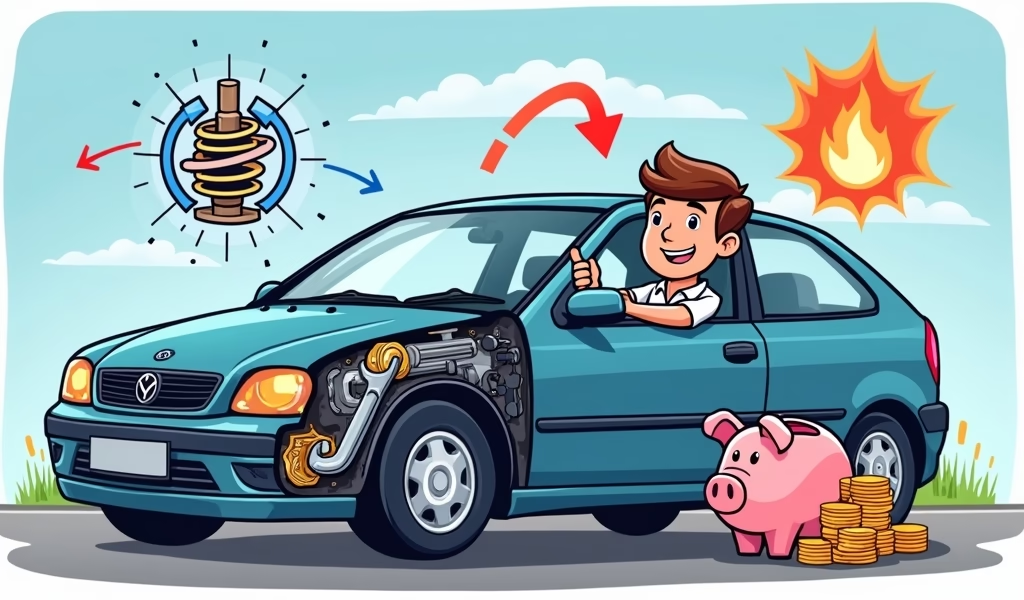
Your car’s thermostat, that humble valve between the engine and radiator, regulates engine temperature by controlling coolant flow—staying closed when cold to help the engine warm up and opening when hot to prevent overheating. Recognizing the warning signs of thermostat failure (including temperature gauge fluctuations, overheating, or poor heating performance) can save you from expensive engine damage and keep your vehicle running efficiently with a repair that costs just $150-300 professionally or $20-50 if you’re willing to DIY.
Table of Contents
- What Is a Car Thermostat?
- How Does a Car Thermostat Work?
- Signs of a Failing Thermostat
- Consequences of a Bad Thermostat
- Thermostat Replacement Costs
- DIY Thermostat Replacement: Save Money on Repairs
- Preventive Maintenance for Your Thermostat
- Conclusion
- Frequently Asked Questions
What Is a Car Thermostat?
A car thermostat is a small but mighty component in your vehicle’s cooling system that regulates engine temperature. Think of it as the gatekeeper that controls the flow of coolant between your engine and radiator. Located between the engine and the radiator, this valve-like device ensures your engine operates at the optimal temperature range – not too hot, not too cold, but just right.
The primary job of a car thermostat is surprisingly simple yet critically important. When your engine is cold (like when you first start your car in the morning), the thermostat remains closed, preventing coolant from flowing to the radiator. This helps your engine warm up faster to its ideal operating temperature. Once the engine reaches this temperature (usually around 195-220°F), the thermostat opens gradually, allowing coolant to circulate through the radiator where it cools down before returning to the engine.
Many drivers overlook this humble part, but understanding what is a car thermostat and how it functions can save you from expensive repairs and keep your vehicle running efficiently. A properly functioning thermostat maintains the delicate balance necessary for optimal fuel economy, reduced emissions, and extended engine life.
How Does a Car Thermostat Work?
The inner workings of a car thermostat are fascinatingly simple yet effective. At its heart, a thermostat contains a temperature-sensitive wax element that expands when heated and contracts when cooled. This wax is sealed inside a small chamber connected to a valve.
When you start your car with a cold engine, the thermostat is in its default closed position. This restricts coolant flow to the radiator, creating a “short circuit” where coolant only circulates within the engine block. This clever design helps your engine reach operating temperature more quickly, improving efficiency and reducing wear from cold operation.
As the engine warms up, so does the coolant and the wax element inside the thermostat. When the temperature reaches the thermostat’s rating (typically 180-195°F), the wax begins to melt and expand. This expansion pushes a rod that gradually opens the valve, allowing coolant to flow through the entire cooling system including the radiator.
The beauty of this system lies in its self-regulating nature. The thermostat opens more as temperatures rise and closes as they fall, maintaining remarkably consistent engine temperatures. Modern thermostats are even more precise, with some vehicles using electronically controlled thermostats that can vary their opening temperature based on engine load and other factors, as explained by Gates Corporation’s technical resources.
Signs of a Failing Thermostat
Catching a failing thermostat early can save you from expensive repairs down the road. Here are the telltale signs that your car’s thermostat might be on its way out:
Thermostat Stuck Open
When a thermostat is stuck in the open position, your engine might have trouble reaching proper operating temperature. You might notice:
- Temperature gauge reading lower than normal or fluctuating
- Heater blowing lukewarm air, even after driving for a while
- Poor fuel economy (cold engines run less efficiently)
- Increased emissions as the engine struggles to maintain combustion efficiency
This condition is particularly common in older vehicles and is often overlooked because it doesn’t immediately cause dramatic symptoms. However, chronic cold running can lead to increased engine deposits and premature wear.
Thermostat Stuck Closed
A thermostat stuck in the closed position presents a more urgent problem, as it prevents proper cooling. Watch for these warning signs:
- Temperature gauge reading unusually high or climbing into the red zone
- Engine overheating, especially during highway driving or hot weather
- Sweet-smelling coolant odor as it boils over or leaks
- Steam coming from under the hood
- Engine performance problems, including stalling or power loss
If you notice these symptoms, it’s crucial to address them immediately. Pull over safely if your temperature gauge enters the red zone, as continuing to drive can result in catastrophic engine damage.
Inconsistent Temperature Behavior
Sometimes a thermostat doesn’t fail completely but becomes erratic. You might notice your temperature gauge fluctuating abnormally or your heating system alternating between hot and cold. This usually indicates a thermostat that’s sticking or opening at the wrong temperature.
If you’re experiencing any of these symptoms, it’s wise to check your coolant levels and consider having your cooling system professionally evaluated. Catching thermostat issues early typically means a simple, affordable repair rather than major engine work.
Consequences of a Bad Thermostat
Ignoring a faulty thermostat can lead to serious consequences for your vehicle and wallet. Let’s break down what can happen if you delay addressing this relatively inexpensive part.
Engine Damage from Overheating
When a thermostat sticks closed, preventing coolant flow to the radiator, your engine can quickly overheat. Even brief periods of overheating can cause:
- Warped cylinder heads (a $1,500+ repair)
- Blown head gaskets ($1,000-2,500 to replace)
- Cracked engine blocks (often means total engine replacement)
- Damaged pistons and connecting rods
Modern engines, particularly those with aluminum components, are especially vulnerable to heat damage. According to research from AA1Car, temperatures just 30°F above normal operating range can begin causing metal fatigue and component damage.
Poor Fuel Economy
A thermostat stuck open produces the opposite problem – an engine that runs too cool. While less immediately catastrophic than overheating, cool running leads to:
- Decreased fuel efficiency (often 10-15% worse)
- Increased emissions and potential check engine lights
- Carbon buildup in the combustion chambers
- Premature wear on engine components
Modern engines are designed to operate at specific temperatures for optimal fuel combustion. Running consistently below this temperature means you’re literally burning money in wasted fuel.
Comfort and Convenience Issues
Beyond mechanical concerns, a bad thermostat affects your driving comfort. A stuck-closed thermostat can lead to an uncomfortably hot cabin, while a stuck-open one might leave you shivering as your heater struggles to produce warm air. In extreme cases, you might find yourself stranded on the roadside waiting for a tow truck.
The bottom line? That $20-50 thermostat part could save you thousands in repairs and countless headaches if replaced at the first sign of trouble.
Thermostat Replacement Costs
One of the silver linings of thermostat issues is that replacement is relatively affordable compared to many other automotive repairs. Let’s break down what you can expect to pay:
Professional Replacement Costs
If you opt to have a mechanic handle the job, your total cost typically ranges from $150 to $300, depending on several factors:
- Parts: $20-50 for the thermostat itself
- Labor: $80-200, varying by vehicle make and model
- Coolant: $15-30 for fresh antifreeze
- Location: Prices vary significantly by region and shop type
Luxury and European vehicles generally fall on the higher end of this spectrum, while domestic and Asian models are typically less expensive. Some vehicles make thermostat access particularly difficult, driving up labor costs.
Factors Affecting Replacement Cost
Several variables can influence the final price tag:
- Vehicle design: Some engines place the thermostat in hard-to-reach locations
- Thermostat housing: Sometimes the housing must be replaced along with the thermostat
- Dealer vs. independent shop: Dealerships typically charge 20-30% more
- Additional services: Many shops recommend cooling system flushes when replacing thermostats
It’s worth noting that thermostat replacement often provides an excellent return on investment. The improved fuel economy alone can recoup the cost over time, not to mention avoiding potential engine damage from improper temperature regulation.
If you’re on a tight budget, the good news is that thermostat replacement is one of the more DIY-friendly maintenance tasks, which we’ll explore next.
DIY Thermostat Replacement: Save Money on Repairs
Rolling up your sleeves and replacing your car’s thermostat yourself can save you $80-200 in labor costs. For many vehicles, this is a straightforward job that requires only basic tools and about an hour of your time. Here’s how to tackle it:
Tools and Materials Needed
- New thermostat (verify correct temperature rating for your vehicle)
- Thermostat gasket or silicone sealant (as specified by manufacturer)
- Basic socket set and screwdrivers
- Pliers
- Catch pan for coolant
- Fresh coolant/antifreeze (typically 1-2 gallons)
- Shop towels
- Safety glasses
Step-by-Step Replacement Process
Safety first: Ensure your engine is completely cool before beginning. Hot coolant can cause severe burns.
- Locate the thermostat housing – It’s typically found where the upper radiator hose connects to the engine block.
- Drain the cooling system – Either open the radiator drain plug or disconnect the lower radiator hose, capturing the fluid in your catch pan.
- Remove the thermostat housing – Usually secured by 2-3 bolts or screws.
- Remove the old thermostat – Note its orientation before removal; most thermostats must be installed in a specific direction.
- Clean the mounting surfaces – Gently scrape away any old gasket material or sealant.
- Install the new thermostat – Place it in the same orientation as the original, with the spring typically facing the engine.
- Apply new gasket or sealant – Follow the manufacturer’s recommendation.
- Reinstall the housing – Tighten bolts evenly, but don’t overtighten.
- Refill the cooling system – Use the recommended mix of coolant and distilled water for your vehicle.
- Bleed air from the system – Follow your vehicle’s specific procedure for removing air pockets.
Many DIYers find video tutorials for their specific make and model extremely helpful. Sites like YouTube offer numerous detailed guides that can walk you through the process visually.
When to Call a Professional
While thermostat replacement is generally DIY-friendly, certain situations warrant professional help:
- Limited access in cramped engine compartments
- Vehicles with complex cooling systems (some modern European cars)
- If you encounter stuck or broken bolts
- When additional cooling system issues are suspected
- If you lack a safe way to dispose of used coolant (which is toxic)
Remember that coolant is harmful to pets and wildlife, so proper disposal is essential. Most auto parts stores accept used coolant for recycling.
Preventive Maintenance for Your Thermostat
While thermostats eventually wear out, proper maintenance can extend their lifespan and help you catch problems before they lead to expensive repairs. Here’s how to keep your cooling system in top shape:
Regular Cooling System Checks
Make these simple checks part of your routine maintenance:
- Monitor your temperature gauge – Get familiar with your car’s normal operating temperature. Any persistent changes warrant investigation.
- Check coolant levels – Inspect your overflow reservoir monthly when the engine is cool. Low levels could indicate leaks or other issues affecting the thermostat.
- Inspect hoses – Look for cracks, bulges, or softness in radiator hoses. Deteriorating hoses can cause pressure issues that affect thermostat operation.
- Test coolant quality – Use an inexpensive coolant tester to check freezing protection and pH levels. Degraded coolant can damage your thermostat and other cooling system components.
Being proactive with these simple checks can help you spot warning signs before they develop into serious problems. Many essential car fluids should be routinely inspected to maintain your vehicle’s health.
Cooling System Flush Benefits
Over time, coolant breaks down and can deposit minerals and contaminants throughout your cooling system, including on your thermostat. A cooling system flush:
- Removes accumulated debris that can interfere with thermostat operation
- Replaces depleted corrosion inhibitors that protect metal components
- Helps maintain proper pH levels to prevent premature thermostat failure
- Can improve heat transfer efficiency throughout the system
Most manufacturers recommend flushing your cooling system every 30,000-50,000 miles or 2-5 years, depending on your vehicle and the type of coolant used. Following this schedule can significantly extend the life of your thermostat and other cooling system components.
Seasonal Considerations
Your cooling system, including the thermostat, faces different challenges throughout the year:
- Summer preparation – Before hot weather arrives, have your cooling system pressure-tested to ensure it can handle summer heat.
- Winter readiness – Verify your coolant’s freeze protection before temperatures drop. Frozen coolant can damage your thermostat housing.
- After long periods of disuse – If your vehicle has been sitting for months, consider a thermostat check before returning to regular use.
These seasonal checks are particularly important for older vehicles or those operated in extreme climates, where thermal cycling puts additional stress on the thermostat.
Conclusion
Understanding what is a car thermostat and its critical role in your vehicle’s health is more than just automotive trivia—it’s practical knowledge that can save you significant money and hassle. This small, relatively inexpensive component plays an outsized role in your engine’s efficiency, longevity, and reliability.
By recognizing the early warning signs of thermostat failure—whether it’s running too hot, too cold, or inconsistently—you can address issues before they escalate into major repairs. The beauty of thermostat maintenance is that it represents one of the best values in car care: low-cost preventive action that helps avoid high-cost engine damage.
Whether you choose the DIY route or professional service, replacing a failing thermostat is one of the more straightforward and economical repairs in automotive maintenance. The key is not to procrastinate when symptoms appear, as the consequences of delay can be exponentially more expensive.
Remember to incorporate cooling system checks into your regular maintenance routine and follow manufacturer recommendations for coolant flushes. These simple steps will not only extend your thermostat’s life but also contribute to your vehicle’s overall reliability and performance.
Your car’s thermostat might be hidden from view, but its proper function should never be out of mind. With the knowledge you’ve gained from this guide, you’re well-equipped to keep your engine running at its perfect temperature—not too hot, not too cold, but just right.
Frequently Asked Questions
How long does a car thermostat typically last?
Most car thermostats last between 80,000 and 100,000 miles. However, lifespan varies based on driving conditions, coolant quality, and vehicle make/model.
Can I drive with a bad thermostat?
While possible in emergency situations, driving with a bad thermostat is risky and not recommended. It can lead to engine overheating or decreased efficiency depending on how it has failed.
How much does it cost to replace a car thermostat?
Professional replacement typically costs $150-300 including parts and labor. DIY replacement costs $20-50 for just the thermostat part and gasket.
What happens if I put my thermostat in backward?
An incorrectly installed thermostat will likely cause overheating as it won’t open properly. Most thermostats have directional markings or a specific orientation that must be followed.
Will a bad thermostat trigger a check engine light?
Yes, in many modern vehicles, a malfunctioning thermostat can trigger the check engine light. This typically happens when the engine consistently operates outside its optimal temperature range.