

Overview
While that wispy white smoke during cold mornings is typically just harmless condensation that disappears as your engine warms up, thick, persistent white smoke with a sweet smell indicates coolant leaking into your combustion chamber—often due to head gasket failure or cracked engine components. Early diagnosis of these coolant leaks can save you from costly repairs ranging from $1,000 for a head gasket replacement to over $4,000 for a full engine rebuild, making regular cooling system maintenance your best defense against these potentially wallet-draining issues.
Table of Contents
- White Smoke Basics: What You’re Actually Seeing
- Normal Condensation: When Not to Worry
- Coolant Leaking Into the Combustion Chamber
- Head Gasket Issues: The Common Culprit
- Cracked Engine Components: The Serious Stuff
- Diagnosing White Smoke: DIY Assessment
- Prevention Tips: Avoid Costly Repairs
- Repair Costs: What to Expect
- Conclusion
- Frequently Asked Questions
White Smoke Basics: What You’re Actually Seeing
When your exhaust pipe starts billowing white smoke, it’s your vehicle’s way of waving a little white flag. But before you panic and start shopping for a new engine (or a new car), let’s clear the air on what’s really happening under the hood.
White smoke from your exhaust is typically the result of moisture, coolant, or fuel being burned in the combustion chamber. The color and consistency of the smoke provide valuable diagnostic clues about what’s going on in your engine. While thin, wispy white vapor is often harmless, thick, billowing white smoke usually signals something more serious.
Understanding the difference between normal exhaust condensation and problematic white smoke is your first step toward proper diagnosis. As we explore the various causes, you’ll learn how to save yourself from unnecessary repairs while addressing real problems before they become expensive catastrophes.
Normal Condensation: When Not to Worry
Let’s start with the good news. That plume of white vapor you see on cold mornings is often just condensation – completely normal and harmless. When you start your car after it’s been sitting overnight, the exhaust system is cold. As hot exhaust gases pass through this cold system, the water vapor in the exhaust condenses, creating what looks like white “smoke.”
You’re seeing the same principle that creates your visible breath on a chilly morning. This condensation is more noticeable in cold or humid weather and typically disappears within minutes as your exhaust system warms up. If the white vapor dissipates as your engine reaches normal operating temperature, you can breathe easy – your wallet is safe.
Normal condensation vapor has some distinguishing characteristics:
- Disappears within 1-2 minutes of the engine warming up
- Appears thin and translucent rather than thick and opaque
- Has no sweet smell or unusual odor
- Is more pronounced on cold, damp mornings
This harmless vapor is simply physics in action, not a mechanical problem. Even the most meticulously maintained vehicles will show this vapor during cold starts, especially in winter months.
Coolant Leaking Into the Combustion Chamber
When white smoke persists after your engine has warmed up, it’s time to pay attention. The most common serious cause is coolant finding its way into your combustion chambers – where it definitely doesn’t belong.
Your engine’s cooling system circulates a mixture of water and antifreeze through passages in the engine block and cylinder head. This coolant absorbs heat from the engine and releases it through the radiator. When coolant leaks into the combustion chamber, it vaporizes instantly due to the high temperatures and exits as dense white smoke.
This type of white smoke has some telltale characteristics:
- Thick, dense, and white (sometimes appearing slightly bluish)
- Continues or even worsens as the engine reaches operating temperature
- Often has a distinct sweet, syrupy smell (from the ethylene glycol in antifreeze)
- Typically accompanied by gradual coolant loss
The presence of coolant in your combustion chamber isn’t just causing smoke – it’s also compromising your engine’s performance. Coolant doesn’t burn efficiently, can damage spark plugs, and reduces the effective compression in your cylinders. Plus, your engine is losing its vital cooling capacity with every puff of white smoke.
According to research from the Society of Automotive Engineers, even small amounts of coolant in the combustion chamber can significantly increase hydrocarbon emissions and reduce fuel efficiency. It’s not just smoke – it’s a sign of compromised engine performance.
Head Gasket Issues: The Common Culprit
When coolant enters your combustion chambers, a failed head gasket is often the culprit. Think of your head gasket as the critical seal between your engine block and cylinder head – it keeps oil, coolant, and combustion gases in their proper channels. When this seal fails, these fluids can mix where they shouldn’t.
Head gasket failures typically occur where the gasket seals combustion chambers adjacent to coolant passages. These areas experience extreme temperature fluctuations and pressure, making them vulnerable to failure. Once compromised, the high-pressure combustion chamber can draw coolant in during the intake stroke, creating that telltale white smoke.
Beyond white exhaust smoke, a failing head gasket often produces these symptoms:
- Engine overheating, especially under load
- Bubbling in the coolant reservoir while the engine runs
- Unexplained coolant loss with no visible external leaks
- Engine misfires or rough running
- White, milky residue in the oil (resembling a chocolate milkshake)
Head gaskets typically fail due to engine overheating, age, improper installation, or pre-ignition damage. Modern multi-layer steel (MLS) head gaskets are more durable than older composite types, but even these can fail eventually, especially if the engine overheats repeatedly.
While not the most catastrophic engine problem, head gasket replacement is labor-intensive and can cost between $1,000-$2,000 depending on your vehicle. The good news is that diagnosing this engine fault early and addressing it promptly can prevent more serious damage to cylinder heads and other components.
Cracked Engine Components: The Serious Stuff
Sometimes the problem goes deeper than a failed gasket. Cracks in the cylinder head or engine block represent more serious issues that can also allow coolant into the combustion chamber.
These critical engine components contain precisely machined passages for coolant, oil, and combustion. When cracks develop between these passages, they create paths for fluids to mix. A cracked cylinder head or block can mimic head gasket failure symptoms, including white exhaust smoke, but generally represents a more serious (and expensive) problem.
Cracks typically develop due to:
- Severe overheating episodes
- Freezing damage (when coolant mixture is too weak for winter conditions)
- Manufacturing defects or metal fatigue
- Engine knock or pre-ignition damage
- Impact damage or trauma
Aluminum cylinder heads are particularly susceptible to cracking when overheated, as aluminum expands at nearly twice the rate of cast iron. When an engine repeatedly cycles between extreme temperatures, microscopic cracks can form and gradually expand until they create leak paths.
Diagnosing cracks often requires specialized testing beyond visual inspection, such as pressure testing, dye penetrant testing, or even removing components for inspection. Many professional shops use a cylinder leak-down test to identify whether combustion pressure is escaping into the cooling system.
Diagnosing White Smoke: DIY Assessment
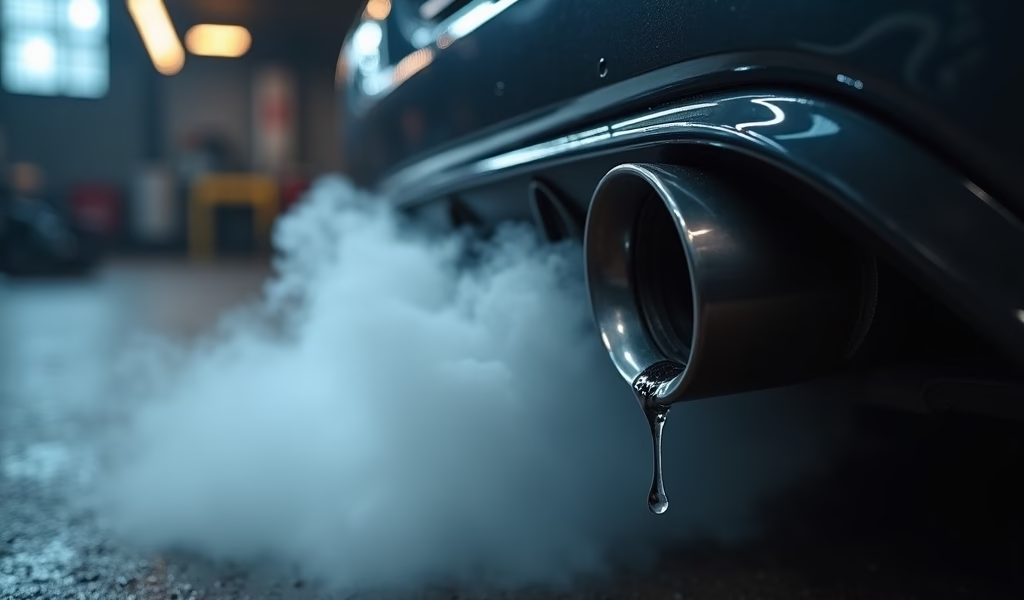
Before you rush to the mechanic, there are several diagnostic steps you can take to better understand your white smoke situation. These simple checks might save you from unnecessary repair bills or help you communicate more effectively with your mechanic.
First, evaluate when and how the smoke appears:
- Does it only happen during cold starts and disappear when warmed up? (Likely condensation)
- Does it persist or worsen after the engine is warm? (Likely coolant leak)
- Does it come and go with engine temperature changes? (Possible small head gasket leak)
- Is it constant regardless of engine temperature? (Potential serious internal leak)
Next, perform these simple checks to gather more information:
Coolant Level Check: When the engine is cool, remove the radiator cap (if accessible) or check the coolant reservoir. If the level consistently drops without external leaks, coolant may be entering the combustion chamber.
Oil Inspection: Pull the dipstick and check the oil color. Milky, light-brown oil indicates coolant contamination. Also check the underside of the oil fill cap – a creamy residue suggests coolant mixing with oil.
Radiator Observation: With the engine warm (not hot) and running, carefully remove the radiator cap (using appropriate protection) and look for bubbling. Combustion gases entering the cooling system will create noticeable bubbles.
Smell Test: White smoke with a sweet, syrupy smell indicates coolant. Odorless smoke is more likely to be water vapor. A fuel smell might indicate injection or timing issues.
These simple diagnostics can help you determine whether you’re dealing with normal condensation or a more serious problem requiring professional attention. When in doubt, a compression test or cooling system pressure test from a professional can provide definitive answers.
Remember, troubleshooting engine problems early often prevents minor issues from becoming major repairs. The cost of a diagnostic service is far less than the cost of a seized engine from continued operation with a serious coolant leak.
Prevention Tips: Avoid Costly Repairs
The best way to deal with white smoke issues is to prevent them from happening in the first place. These simple maintenance practices can help protect your engine from the conditions that lead to coolant leaks and white smoke:
1. Maintain proper cooling system health
- Flush and replace coolant according to manufacturer schedules (typically every 30,000-60,000 miles)
- Use the correct coolant type and mixture ratio for your vehicle
- Replace the radiator cap if it shows signs of wear (they maintain proper system pressure)
- Repair external coolant leaks promptly, no matter how minor
2. Prevent overheating situations
- Keep the radiator and cooling passages clean and unobstructed
- Ensure the electric cooling fans are functioning properly
- Address any temperature gauge irregularities immediately
- Avoid pushing an overheating engine (“just getting home” can cause permanent damage)
3. Practice good engine operation habits
- Allow brief warm-up time in cold weather (30-60 seconds is usually sufficient)
- Avoid extreme engine loads when cold
- Don’t ignore warning lights or unusual engine noises
- Change oil regularly to maintain proper lubrication and cooling
According to data from CarMD’s Vehicle Health Index, cooling system issues rank among the top reasons for check engine lights and subsequent repairs. Proactive maintenance can dramatically reduce your chances of experiencing these problems.
Remember that modern engines are designed to operate without visible smoke of any color. When white smoke appears and persists after warm-up, your car is sending you an important message. Listening to that message early can save thousands in repair costs.
Repair Costs: What to Expect
If you’ve determined that your white smoke issue requires repair, it’s helpful to understand the potential costs involved. Repairs range from simple and inexpensive to complex and costly, depending on the underlying cause.
Normal Condensation
Cost: $0 (no repair needed)
This isn’t a repair situation at all – just normal operation, especially in cooler weather.
Coolant Hose or External Leak Repair
Cost: $100-$300
These relatively simple repairs address external leaks that might be depleting coolant. While not directly causing white smoke, fixing these prevents cooling system failure.
Thermostat Replacement
Cost: $150-$400
A stuck thermostat can cause overheating that damages head gaskets. Replacing it might be part of addressing the root cause.
Head Gasket Replacement
Cost: $1,000-$2,500
This common repair requires significant labor to disassemble the engine’s top end. Costs vary widely based on engine design complexity and local labor rates.
Cylinder Head Repair or Replacement
Cost: $1,500-$3,500
If a cylinder head is cracked or warped, it requires machine shop services or replacement with a remanufactured unit.
Engine Block Repair
Cost: $2,500-$4,000+
Cracked blocks sometimes can be repaired with specialized metal stitching or welding processes, though results vary.
Engine Replacement
Cost: $4,000-$10,000+
In severe cases, particularly with cracked blocks or extensively damaged engines, complete replacement with a new or remanufactured engine may be necessary.
When evaluating repair options, consider:
- Vehicle age and overall condition
- Vehicle market value compared to repair costs
- How long you plan to keep the vehicle
- Whether remanufactured or quality used parts could reduce costs
- The reputation and warranty offered by the repair facility
Sometimes it makes financial sense to perform a major repair on an older vehicle, particularly if it’s otherwise in good condition. Other times, especially with higher-mileage vehicles with multiple issues, it might be more economical to replace the vehicle entirely.
Always get multiple estimates for major repairs, and don’t be afraid to ask questions about exactly what work will be performed and what guarantees are offered on the repair.
Conclusion
White smoke from your exhaust can range from a completely harmless sign of normal condensation to a serious warning of impending engine failure. The key is knowing how to tell the difference and taking appropriate action.
Remember these important takeaways:
- White vapor that disappears after warm-up is usually just condensation
- Persistent white smoke with a sweet smell indicates coolant entering the combustion chamber
- Head gasket failures are the most common cause of coolant-related white smoke
- Early diagnosis and repair prevent minor issues from becoming major expenses
- Regular cooling system maintenance is your best defense against these problems
By understanding what causes white smoke from your exhaust, you can make informed decisions about when repairs are necessary and avoid both unnecessary expenses and catastrophic failures. Your vehicle is designed to run without visible smoke – when it appears, pay attention to what your car is trying to tell you.
The difference between a $1,500 head gasket repair now and a $5,000 engine replacement later often comes down to timely diagnosis and action. With the knowledge you’ve gained from this guide, you’re well-equipped to save money while keeping your vehicle running smoothly for years to come.
Frequently Asked Questions
Is white smoke from exhaust always serious?
No, white smoke is often just harmless water vapor condensation, especially during cold startups. It’s only concerning when the smoke is thick, persistent after the engine warms up, or has a sweet smell.
Can I drive with white smoke coming from my exhaust?
It depends on the cause – if it’s just morning condensation that clears up, driving is fine. If the smoke persists, has a sweet smell, or the engine temperature rises, driving further could cause serious damage.
Will adding coolant fix white smoke from exhaust?
Adding coolant is only a temporary band-aid that replaces what’s being lost. The underlying leak allowing coolant into the combustion chamber will continue until properly repaired.
How much does it cost to fix white smoke from exhaust?
Repair costs range from nothing (for normal condensation) to $1,000-$2,500 for head gasket replacement, or $4,000+ for severe cases requiring engine rebuilding. Early diagnosis usually means lower repair costs.
Can a head gasket sealer product fix my white smoke problem?
Chemical head gasket sealers occasionally work for very minor leaks but rarely provide a permanent solution for significant problems. They may temporarily reduce symptoms but can cause additional problems by clogging coolant passages.