
Overview
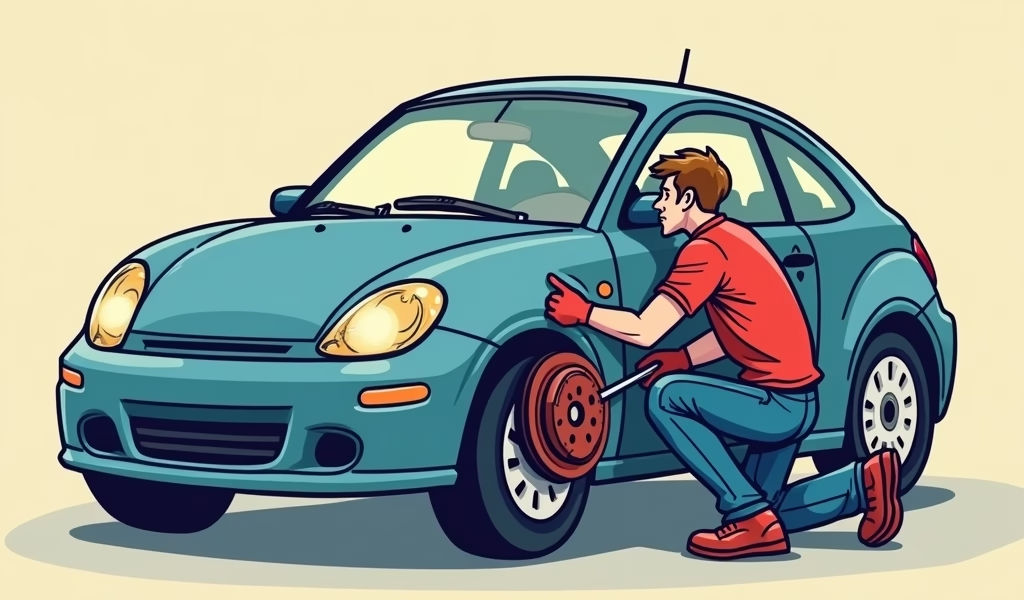
That annoying squeal when you brake isn’t just trying to ruin your morning commute—it’s your car’s way of flagging potential issues that, when ignored, can transform a $150 pad replacement into a $1,000+ repair nightmare. This guide breaks down the common causes of squeaky brakes (from worn pads to moisture and debris), provides DIY inspection tips, and explains why addressing those high-pitched warnings early not only saves money but also ensures your vehicle’s most critical safety system remains effective when you need it most.
Table of Contents
- Understanding Squeaky Brakes: What Causes That Annoying Noise?
- Common Causes of Squeaky Brakes
- Why Ignoring Squeaky Brakes Can Be Dangerous and Expensive
- DIY Brake Inspections: What to Look For
- Preventative Maintenance Tips for Quieter, Longer-Lasting Brakes
- When to See a Mechanic: Red Flags You Shouldn’t Ignore
- Cost Breakdown: Routine Maintenance vs. Major Repairs
- Conclusion
- Frequently Asked Questions
Understanding Squeaky Brakes: What Causes That Annoying Noise?
That high-pitched squeal when you tap the brake pedal isn’t just annoying—it’s your car’s way of telling you something needs attention. Understanding what causes squeaky brakes can save you from costly repairs down the road and, more importantly, keep you safe behind the wheel.
As a mechanic with over 15 years of experience, I’ve seen countless drivers ignore these warning sounds until they’re faced with major repair bills. Brake squeaks are rarely random; they’re typically early warning signals of developing issues that, when caught early, can be addressed quickly and affordably.
In this comprehensive guide, we’ll dive into the common culprits behind squeaky brakes, how to diagnose them yourself, when it’s time to call a professional, and most importantly—how to avoid turning a minor squeak into a major expense. Whether you’re hearing occasional squeaks or persistent screeching, this article will help you understand what your brakes are trying to tell you.
Common Causes of Squeaky Brakes
What causes squeaky brakes? It’s a question I hear almost daily in my shop. The truth is, several factors can contribute to that nerve-wracking noise, and identifying the specific cause is the first step toward solving the problem.
Let’s break down the most common culprits:
- Worn Brake Pads: The most frequent cause of squeaky brakes is worn-down brake pads. Most modern brake pads include a small metal indicator specifically designed to create noise when the pad material has worn thin. This “wear indicator” is essentially your car’s built-in warning system telling you it’s time for new brake pads.
- Moisture and Rust: If you hear squeaking primarily in the morning or after rain, a thin layer of rust may have formed on the rotors overnight. This surface rust typically wears off after a few brake applications, which is why the noise disappears after driving for a short while.
- Low-Quality Brake Pads: Economy-grade brake pads often contain harder materials that can cause more noise during operation. While they may save money upfront, they frequently lead to more noise complaints.
- Glazed Brake Pads or Rotors: Excessive heat can cause the surface of pads and rotors to become glazed or hardened, creating a smooth, glass-like surface that squeals during braking.
- Loose Components: Sometimes, the hardware that holds brake components in place can become loose, allowing parts to vibrate and create noise when the brakes are applied.
- Debris or Contamination: Foreign materials like small rocks, dirt, or brake dust can get caught between the pad and rotor, causing irregular squeaking.
Understanding these common causes gives you a head start on diagnosis. In my experience, about 70% of brake squeaks are related to pad wear or moisture, while the remaining 30% stem from quality issues, contamination, or mechanical problems. Knowing what you’re up against makes finding the solution much more straightforward.
Why Ignoring Squeaky Brakes Can Be Dangerous and Expensive
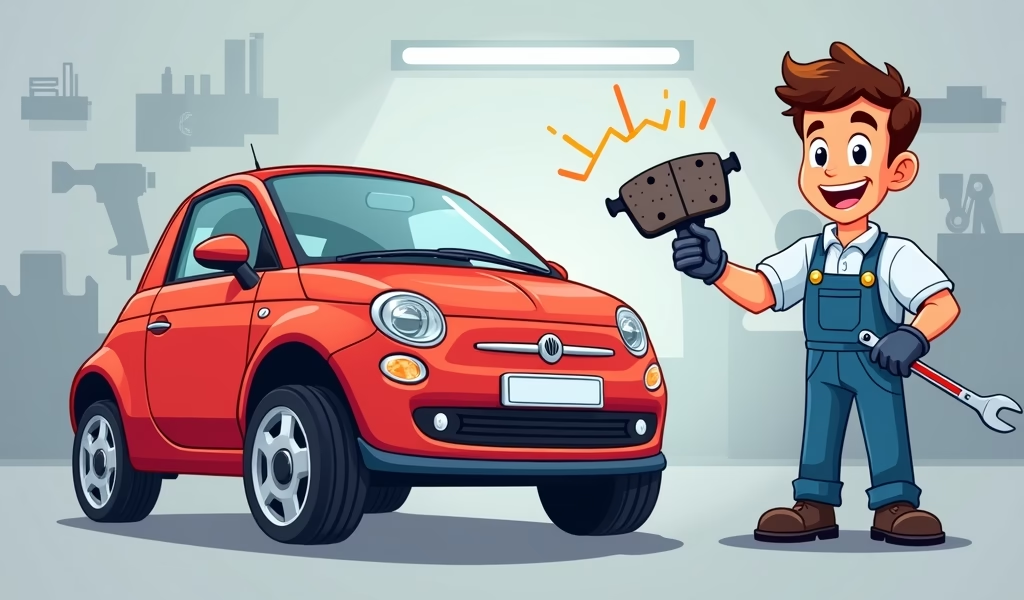
Let me share a story from my shop that illustrates why you should never ignore squeaky brakes. Last year, Sarah came in with her sedan, complaining about a grinding noise when braking—a sound that had evolved from a minor squeak she’d heard months earlier. What could have been a simple $150 brake pad replacement had become a $600+ repair involving new rotors, calipers, and emergency service.
Ignoring squeaky brakes can lead to several serious consequences:
- Metal-on-Metal Contact: Once brake pads wear completely through, metal backing plates grind against your rotors, causing significant damage to both components.
- Compromised Stopping Power: Worn brakes require longer stopping distances, which can be dangerous in emergency situations. NHTSA studies show that brake issues contribute to approximately 22% of accidents where vehicle defects played a role.
- Damage to Other Components: Problems can cascade to other parts of your braking system, including calipers, brake lines, and even wheel bearings.
- Higher Repair Costs: A simple brake pad replacement typically costs $100-300 depending on your vehicle. Wait too long, and you’re looking at rotor replacement ($200-400), caliper repairs ($300-800), or even more extensive work.
- Safety Risks: Most critically, brake failure puts you, your passengers, and others on the road at serious risk.
The financial impact of delayed brake maintenance follows a predictable pattern. For every month you drive with noticeably squeaky brakes, repair costs typically increase by 20-30%. After three months of consistent squeaking, you’re almost guaranteed to need more than just new pads.
Remember, your braking system doesn’t fail catastrophically without warning. Those squeaks are early indicators designed to give you time to address problems before they become dangerous. Treat them as the important safety signals they are.
DIY Brake Inspections: What to Look For
You don’t need to be a certified mechanic to perform a basic brake inspection. With some simple tools and careful observation, you can often identify the source of brake squeaks before heading to a professional. Here’s my step-by-step guide for a DIY brake inspection:
Tools You’ll Need:
- Flashlight
- Jack and jack stands (if you plan to remove the wheels)
- Lug wrench
- Work gloves
- Spray bottle with water (optional)
Visual Inspection Process:
- Look Through the Wheel Spokes: Without removing anything, shine your flashlight between the wheel spokes to examine the outer edge of the rotor and the visible part of the brake pads. Look for uneven wear, scoring on the rotors, or very thin pad material.
- Check for Rust and Debris: Surface rust on rotors is normal, especially in humid climates or after rain. However, heavy, flaking rust may indicate a problem.
- Examine Brake Fluid: Open the hood and locate the brake fluid reservoir (consult your owner’s manual if needed). The fluid should be between the “min” and “max” lines and appear clean, not dark brown or black.
For a More Thorough Inspection (Requires Wheel Removal):
- Safely jack up the vehicle and secure it on jack stands.
- Remove the wheel to fully expose the brake assembly.
- Measure brake pad thickness. As a rule of thumb, pads less than 1/4 inch thick (about 6mm) should be replaced soon. Anything under 1/8 inch (3mm) requires immediate attention.
- Check the rotor surface for grooves, cracks, or uneven wear.
- Inspect the caliper for leaking fluid or uneven movement.
If you’re comfortable with basic car maintenance, performing routine brake inspections can become part of your regular vehicle care routine. I recommend checking your brakes every 10,000 miles or whenever you rotate your tires, which provides a convenient opportunity since the wheels are already off.
Remember, this DIY inspection helps you understand the problem, but for actual repairs—especially if you’re not experienced—consulting a professional is usually the safest choice. Being able to explain exactly what you’ve observed will help your mechanic provide more accurate service and might even save you money on diagnostic fees.
Preventative Maintenance Tips for Quieter, Longer-Lasting Brakes
After years in the shop, I’ve noticed that drivers who follow a few simple maintenance practices enjoy quieter brakes and significantly longer service intervals. The secret isn’t fancy products or expert-level knowledge—it’s consistency and awareness. Here are my top recommendations for keeping brake squeaks at bay:
- Brake Gently: Aggressive braking generates excessive heat that can glaze pads and rotors, leading to squeaks. Try to anticipate stops and brake gradually when possible.
- Avoid Carrying Excessive Weight: The heavier your vehicle, the harder your brakes work. Remove unnecessary items from your trunk or cargo area to reduce strain on your braking system.
- Choose Quality Parts: When replacement time comes, invest in mid-grade or premium brake components. The price difference is often minimal compared to the improved performance and longevity you’ll experience. Consumer Reports recommends ceramic or semi-metallic pads for most daily drivers.
- Regular Brake Fluid Changes: Most manufacturers recommend changing brake fluid every 2-3 years. Fresh fluid prevents corrosion inside the system and maintains proper hydraulic pressure.
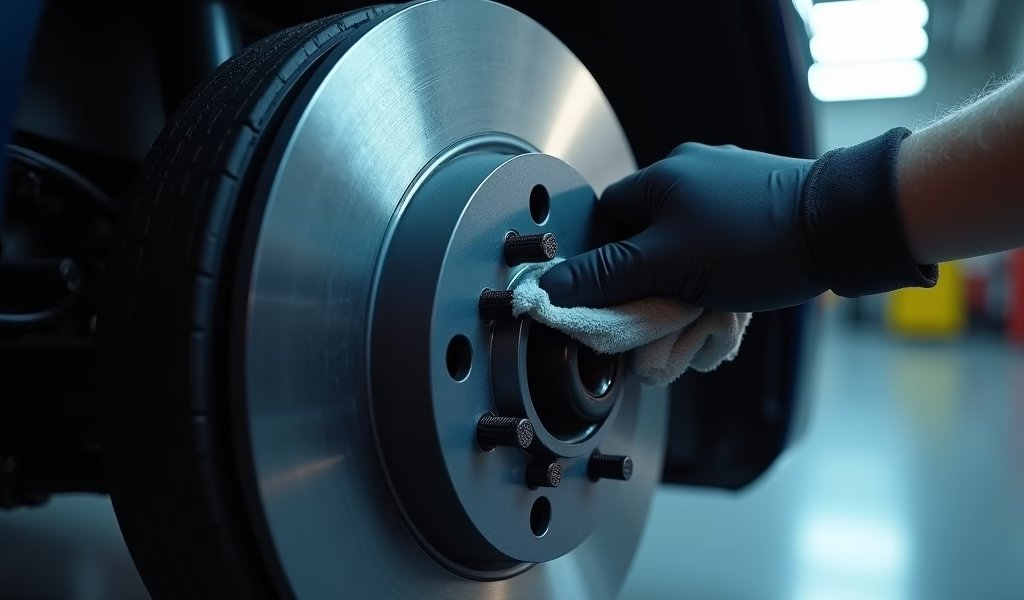
- Clean Brakes Occasionally: If you live in an area with salty roads or lots of dust, consider having your brakes cleaned during routine maintenance visits to remove corrosive elements and debris.
- Address Minor Squeaks Promptly: When you first notice occasional squeaking, try a few gentle stops from about 30 mph to remove surface rust or minor debris. If the noise persists for more than a day or two, have it checked.
One often overlooked aspect of essential car maintenance is driving habits. Your personal driving style has an enormous impact on brake longevity. Drivers who maintain greater following distances and anticipate traffic patterns can extend their brake life by up to 50% compared to aggressive “brake-riders.”
I’ve had customers implement these simple practices and double the life of their brake components—turning what was once a yearly expense into a service needed only every two years. The financial savings are significant, but the convenience of less frequent maintenance is equally valuable for most busy car owners.
When to See a Mechanic: Red Flags You Shouldn’t Ignore
While some brake noises are relatively harmless, others demand immediate professional attention. In my years as a mechanic, I’ve developed a simple list of brake warning signs that should never be ignored—these are the red flags that separate minor issues from potential safety hazards:
Seek Professional Help Immediately If:
- Grinding Noises: A harsh metal-on-metal sound indicates your brake pads have worn completely through, and metal components are making direct contact with your rotors. This requires immediate attention.
- Pulling to One Side When Braking: This suggests uneven braking force, possibly due to a stuck caliper, hydraulic issue, or contaminated brake pads. This asymmetrical braking can be dangerous, especially in emergency situations.
- Vibration or Pulsation: A steering wheel or brake pedal that vibrates during braking often indicates warped rotors or uneven pad deposits. Beyond the unpleasant feel, this condition reduces braking efficiency.
- Soft or Spongy Brake Pedal: If your pedal feels soft or sinks to the floor, you may have air in your brake lines or a more serious hydraulic issue. This significantly compromises stopping power.
- Brake Warning Light: Modern vehicles have sophisticated sensors monitoring your brake system. A warning light might indicate pad wear, fluid level issues, or electronic brake control problems.
- Leaking Fluid: Brake fluid is crucial for hydraulic pressure. If you notice clear to yellowish fluid beneath your car (especially near the wheels), have it checked immediately.
- Squealing That Persists After Warming Up: While morning squeaks often disappear as surface rust wears off, persistent squealing throughout your drive suggests worn indicators or other issues requiring attention.
Remember, modern braking systems are complex and integrated. What seems like a simple noise can sometimes indicate deeper problems that affect other vehicle systems. For example, ABS (Anti-lock Braking System) components may be affected by issues that begin with traditional brake components.
When choosing a shop for brake work, look for ASE-certified technicians who specialize in brake systems. A quality shop will not only fix the immediate issue but also inspect related components to prevent future problems. Don’t hesitate to ask questions—a reputable mechanic will take time to explain what’s happening with your brakes and why specific repairs are necessary.
Cost Breakdown: Routine Maintenance vs. Major Repairs
Understanding the financial impact of brake maintenance versus repairs helps put those annoying squeaks into perspective. When customers balk at maintenance costs, I often show them this breakdown to illustrate the value of addressing issues early:
Routine Maintenance Costs (National Averages):
- Basic Brake Inspection: $0-89 (Many shops offer free inspections or waive the fee with repairs)
- Brake Pad Replacement (Front or Rear): $150-300 per axle including labor
- Brake Fluid Flush: $80-150 every 2-3 years
- Caliper Lubrication Service: $30-50 (often included with pad replacement)
Major Repair Costs When Maintenance Is Delayed:
- Brake Rotors Replacement: $250-500 per axle with labor
- Caliper Replacement: $300-800 per axle
- Master Cylinder Repair: $400-650
- Complete Brake System Overhaul: $1,000-2,500+
- Emergency Roadside Service: Add $75-200 if your vehicle becomes unsafe to drive
The difference is striking. Regular maintenance typically costs about $300-500 annually, while delaying until major components fail can easily exceed $1,000 in a single repair visit. Moreover, emergency repairs often come with premium pricing due to their urgent nature and the potential need for expedited parts delivery.
Additionally, consider the hidden costs of brake failure: towing expenses, missed work, rental cars, and in worst-case scenarios, accident-related expenses and insurance implications. These secondary costs can dwarf the direct repair expenses.
I advise my customers to budget for brake maintenance just like they do for oil changes—it’s a predictable, necessary expense that prevents much larger unexpected costs. Many shops offer brake inspections with routine services, making it easy to monitor your system’s condition without additional appointments.
Conclusion
Understanding what causes squeaky brakes is more than just solving an annoying noise—it’s about maintaining one of your vehicle’s most critical safety systems while protecting your wallet from expensive repairs down the road. Those high-pitched squeals are your car’s way of communicating potential issues before they become serious problems.
Throughout this guide, we’ve explored the common causes of brake squeaks, from worn pads and moisture to quality issues and mechanical problems. We’ve discussed how ignoring these warning signs can lead to cascading damage, compromised safety, and repair bills that multiply with time. The pattern is clear: addressing squeaky brakes early typically costs hundreds less than waiting until components fail.
Regular inspections, whether DIY or professional, help catch developing issues before they escalate. Combined with preventative maintenance and mindful driving habits, you can significantly extend the life of your braking system while enjoying quieter, more effective stops.
Remember, your brakes don’t just stop your car—they protect you, your passengers, and others on the road. When they speak up with squeaks and squeals, they’re asking for attention that will keep everyone safer. Listen to what your brakes are telling you, and you’ll enjoy more trouble-free miles with greater peace of mind.
Whether you’re a DIY enthusiast or prefer professional service, staying aware of your brake system’s condition is one of the smartest investments you can make in your vehicle. After all, in my two decades as a mechanic, I’ve never met anyone who regretted maintaining their brakes—but I’ve met plenty who wished they hadn’t ignored those early warning squeaks.
Frequently Asked Questions
Are squeaky brakes always dangerous?
Not always. Morning squeaks due to moisture or light surface rust typically aren’t dangerous, but persistent squeaking during normal driving warrants inspection.
How long can I safely drive with squeaky brakes?
It depends on the cause. If it’s a wear indicator making noise, you generally have 500-1,500 miles before brake performance becomes compromised.
Can weather affect brake noise?
Yes. High humidity, rain, and temperature fluctuations can cause temporary brake noise due to moisture accumulation or thermal expansion.
Will brake noise go away on its own?
Minor noise from surface rust typically disappears after a few stops. Persistent squeaking usually indicates an issue requiring attention.
Can I fix squeaky brakes without replacing parts?
Sometimes. Applying brake-specific lubricant to contact points (not the friction surface) can reduce noise from vibration or minor debris issues.