
Overview
Just like your body needs a healthy heart, your engine relies on a leak-free radiator to prevent it from cooking itself to death—with corrosion, physical damage, pressure issues, aging plastic components, and manufacturing defects being the primary culprits. Regular maintenance including coolant flushes, pressure testing, proper coolant selection, and timely repairs can extend your radiator’s lifespan to 8-10 years, potentially saving you from costly engine repairs and the special kind of dread that comes with seeing steam billowing from under your hood.
Table of Contents
- Understanding Radiator Function: The Heart of Your Cooling System
- Common Causes of Radiator Leaks
- Warning Signs You Shouldn’t Ignore
- Preventing Radiator Leaks Before They Start
- Repair Options: DIY vs. Professional Help
- Cost Factors: What to Expect for Repairs
- Coolant Maintenance: The Lifeblood of Your Radiator
- Conclusion: Protecting Your Engine and Your Wallet
- Frequently Asked Questions
Understanding Radiator Function: The Heart of Your Cooling System
When it comes to what causes radiator leaks, we first need to understand what your radiator actually does. Think of your radiator as the heart of your cooling system—it circulates coolant that prevents your engine from cooking itself to death.
Your engine generates tremendous heat during operation—reaching temperatures well over 200°F. Without proper cooling, those temperatures would quickly damage critical components and leave you with repair bills that could make your wallet weep.
The radiator works by allowing hot coolant from your engine to flow through a series of thin metal tubes surrounded by cooling fins. As air passes over these fins (either from your movement or via the fan), the heat transfers from the coolant to the surrounding air. This cooled fluid then returns to the engine to absorb more heat, completing the cycle.
Over time, this constant heating and cooling puts stress on your radiator. Add in pressure fluctuations, vibration from driving, and the corrosive potential of coolant, and you’ve got a recipe for eventual leaks.
Common Causes of Radiator Leaks
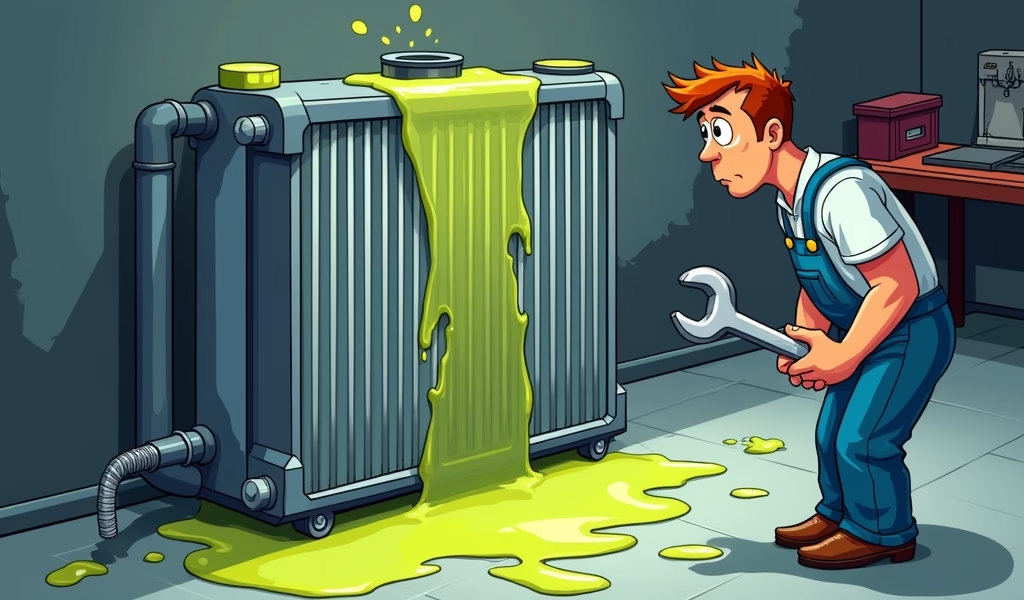
Radiator leaks don’t just happen randomly—they’re usually the result of specific conditions or wear patterns. Let’s look at the most common culprits:
Corrosion
The most frequent cause of radiator leaks is internal corrosion. Your cooling system is a cocktail of metal components bathing in liquid—creating perfect conditions for corrosion if not properly maintained. When coolant breaks down or becomes contaminated, it loses its anti-corrosive properties and starts attacking your radiator from the inside out.
Older vehicles with copper/brass radiators are particularly susceptible, though even modern aluminum radiators aren’t immune. These corrosion spots eventually develop into pinhole leaks that worsen over time.
Physical Damage
Your radiator sits at the front of your engine bay, making it vulnerable to road debris, minor fender benders, and even careless hands during other repairs. The thin metal tubes and fins can be easily damaged by impacts that you might not even notice while driving.
Something as simple as a small stone kicked up on the highway can puncture a radiator tube if it hits just right. I’ve seen perfectly functional radiators destroyed by someone leaning too heavily on them while working on something else!
Pressure Issues
Your cooling system operates under pressure (typically 12-15 psi), which raises the boiling point of the coolant and improves efficiency. A failing radiator cap that can’t maintain proper pressure or a blocked system that builds excessive pressure can both lead to leaks.
Many drivers overlook the humble radiator cap, but this small component is crucial to maintaining proper system pressure. When it fails, it often manifests as leaks at the weakest points in your cooling system.
Aging Plastic Components
Modern radiators typically feature aluminum cores with plastic end tanks. While this design reduces weight and cost, those plastic components deteriorate over time. Constant heat cycles cause the plastic to become brittle, eventually developing cracks around mounting points or seam connections.
This aging process is inevitable—most manufacturers expect a radiator to last 8-10 years under normal conditions. If your vehicle is approaching this age, proactive replacement might save you from being stranded with an overheating engine.
Manufacturing Defects
Sometimes leaks occur due to flaws in the radiator’s manufacturing. Improper crimping between the core and tanks, inconsistent soldering in seam areas, or poor-quality materials can create weak spots that develop into leaks prematurely.
In my experience as a mechanic, these issues usually show up relatively early in a vehicle’s life. If you’ve got a newer vehicle developing radiator leaks, it’s worth checking if there are any technical service bulletins about cooling system issues for your model.
Warning Signs You Shouldn’t Ignore
Catching radiator problems early can save your engine and your bank account. Here are the tell-tale signs that your cooling system might be compromised:
- Puddles under your parked car (coolant is typically green, orange, pink, or yellow with a sweet smell)
- Rising temperature gauge during normal driving
- Sweet smell coming from the engine bay
- White steam from under the hood
- Coolant levels dropping without obvious leaks
- Discolored or rusty coolant in the overflow tank
- Crusty white or green deposits on radiator surfaces
The most obvious sign is visible coolant puddles under your vehicle after parking. Modern coolants come in various colors, but they all have a distinctive sweet smell that differentiates them from other fluids like oil or transmission fluid.
Don’t ignore your temperature gauge! If it’s creeping higher than normal during typical driving, your cooling system isn’t keeping up. This warning sign appears before catastrophic overheating and gives you a chance to address the problem before serious damage occurs.
A regular maintenance check should always include a quick inspection of coolant levels and condition. If you’re constantly needing to top up your coolant, it’s going somewhere—either leaking externally or burning internally (which can indicate more serious issues like a blown head gasket).
Preventing Radiator Leaks Before They Start
An ounce of prevention is worth a pound of cure—especially when it comes to your cooling system. Here’s how to extend your radiator’s lifespan:
Regular Coolant Flushes
Coolant doesn’t last forever. Over time, its corrosion inhibitors break down, leaving your radiator vulnerable. Most manufacturers recommend changing conventional coolant every 30,000-50,000 miles and extended-life formulations every 100,000 miles.
A proper coolant flush removes all the old fluid along with any contaminants and deposits that have built up in your system. This fresh start helps prevent internal corrosion—the leading cause of radiator leaks. According to Car Care Council research, proper coolant maintenance can double your radiator’s service life.
Pressure Testing
Annual pressure testing is like a physical for your cooling system. A technician uses a specialized tool to pressurize your system and check for small leaks or weaknesses before they become major problems.
Many shops offer this service for minimal cost, or even free during other maintenance. It’s the best way to catch developing issues before they leave you stranded on the roadside.
Radiator Cap Replacement
Replace your radiator cap every 5 years or if you notice any signs of wear on the sealing surfaces. This inexpensive part plays a crucial role in maintaining proper system pressure.
A failing cap can’t maintain pressure, leading to lower boiling points and potential overheating. It’s one of those “ounce of prevention” items that costs under $20 but can save hundreds in damage.
Use the Right Coolant
Different engines require different coolant formulations. Using the wrong type can accelerate corrosion or create compatibility issues with gaskets and seals.
Always use the manufacturer-recommended coolant type and proper distilled water mixture (typically 50/50). This ensures optimal corrosion protection and proper heat transfer properties. Mixing different coolant types can create a chemical soup that damages your entire cooling system.
With proper maintenance, most radiators can last 8-10 years or more. These simple preventative measures can help you achieve—or even exceed—that lifespan without unexpected leaks.
Repair Options: DIY vs. Professional Help
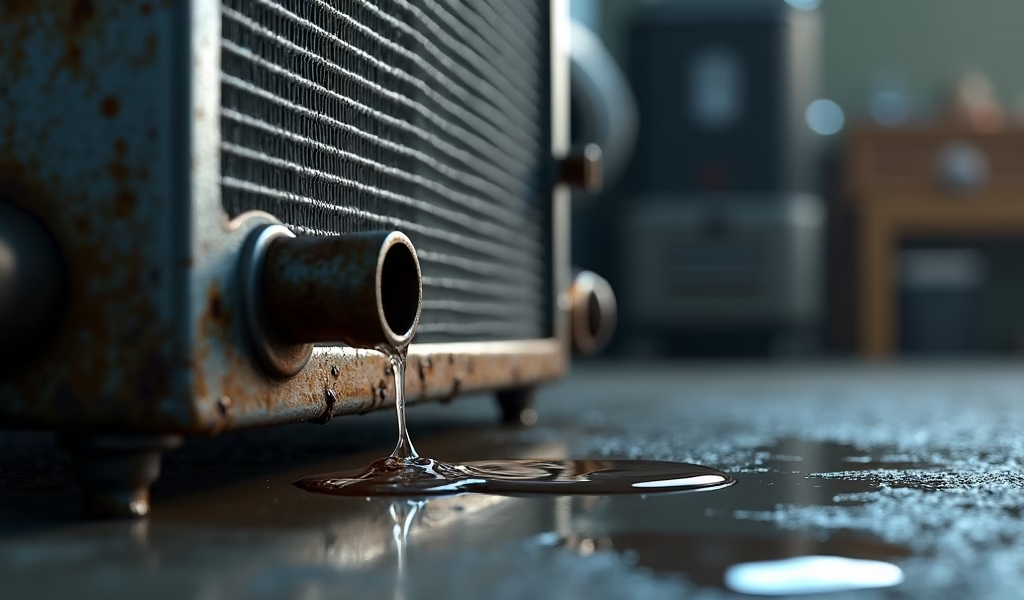
When faced with a radiator leak, you have several repair options depending on the severity of the problem and your comfort level with automotive repairs.
DIY Temporary Fixes
For emergency situations, commercial stop-leak products can provide a temporary solution. These products contain particles that collect at leak points and create a temporary seal. They’re best used to get you home or to a repair shop, not as a permanent fix.
If you’re mechanically inclined, you might be able to replace a leaking hose or radiator cap yourself. These simple repairs require basic tools and can often be completed in under an hour. Just be sure to work with a cool engine and properly dispose of any used coolant—it’s highly toxic to pets and wildlife.
Using an engine diagnostic app can help identify overheating patterns that might point to radiator issues before they become serious. These tools connect to your OBD-II port and provide real-time temperature data that can alert you to cooling problems.
Professional Repairs
For more serious leaks or when the radiator core itself is damaged, professional repair is usually necessary. A qualified mechanic can:
- Pressure test the entire system to find all leak points
- Repair minor damage through specialized soldering (on older copper/brass radiators)
- Replace damaged components like hoses, clamps, or the water pump
- Perform a complete system flush to remove contaminants
In many cases, radiator replacement is more cost-effective than attempting repairs on the existing unit. Modern radiators with plastic components aren’t designed to be repaired once they develop significant leaks or cracks.
When choosing between repair and replacement, consider the age of your radiator and the extent of the damage. If your radiator is already 6+ years old or has multiple leak points, replacement will likely provide better long-term value.
According to AAA recommendations, attempting to drive with a known radiator leak risks engine damage that can cost thousands to repair—making prompt professional attention the most economical choice in the long run.
Cost Factors: What to Expect for Repairs
Understanding potential costs helps you budget appropriately for radiator repairs. Several factors influence what you’ll pay:
Vehicle Make and Model
Radiator costs vary widely depending on your vehicle. A replacement radiator for a common domestic sedan might cost $200-400, while luxury or performance vehicles can run $500-800 just for the part. European imports typically fall at the higher end of the spectrum.
More complex cooling systems or those with integrated transmission coolers or oil coolers will cost more to replace. Some vehicles also have more labor-intensive radiator access that drives up installation costs.
Repair vs. Replacement
Minor repairs like hose replacement or clamp tightening might cost just $100-200 including labor. A radiator cap replacement runs about $20-50 including installation.
Complete radiator replacement typically costs between $300-1,000 depending on your vehicle. This usually includes:
- New radiator unit
- Fresh coolant
- Labor (typically 1-3 hours)
- New hoses if needed
- System bleeding and testing
Using car repair estimate apps can help you get a better idea of what to expect for your specific vehicle before heading to the shop. These tools provide location-specific pricing for parts and labor based on your make and model.
Shop Selection
Dealer service departments typically charge the highest rates but offer OEM parts and manufacturer-trained technicians. Independent shops usually offer lower labor rates and may provide options between OEM and aftermarket parts.
National repair chains often run promotions on cooling system service, potentially saving you money. However, quality can vary significantly between locations.
Remember that the cheapest option isn’t always the most economical long-term. Quality parts and proper installation prevent repeat failures. Getting multiple estimates is always wise for major repairs.
Coolant Maintenance: The Lifeblood of Your Radiator
Your coolant does far more than just prevent overheating—it’s a sophisticated fluid that protects your entire cooling system. Understanding proper coolant maintenance is essential for preventing radiator leaks.
Types of Coolant
Modern vehicles use several different coolant formulations, each with specific properties:
- IAT (green) – Traditional ethylene glycol with silicate corrosion inhibitors
- OAT (orange/red) – Extended life organic acid technology
- HOAT (yellow/orange) – Hybrid organic acid technology
- P-HOAT (pink/purple) – Phosphated HOAT used in many Asian vehicles
Using the wrong coolant is like putting diesel in a gasoline engine—it might work briefly, but problems will develop. Always check your owner’s manual for the specific coolant type recommended for your vehicle.
Testing Coolant Condition
You should periodically check not just your coolant level but also its condition. Inexpensive testing strips can measure the pH and corrosion inhibitor levels to determine if your coolant is still protecting your system.
Coolant that’s turned brown or contains floating particles indicates internal corrosion is already happening. This contaminated fluid should be flushed immediately to prevent radiator damage.
Proper Mixing Ratios
Most coolants should be mixed with distilled water in a 50/50 ratio. This provides freezing protection down to about -34°F while maintaining optimal heat transfer properties.
In extremely cold climates, this ratio can be adjusted to 60/40 (coolant to water) for additional freezing protection. However, using undiluted coolant actually reduces cooling efficiency and can damage your system.
The quality of water matters too. Tap water contains minerals that can contribute to scaling and deposit formation inside your radiator. Always use distilled water for coolant mixing to prevent these issues.
Conclusion: Protecting Your Engine and Your Wallet
Understanding what causes radiator leaks gives you the power to prevent them. Your cooling system isn’t just another car component—it’s the guardian that keeps your engine from self-destructing under its own heat.
By recognizing the warning signs of developing problems, maintaining proper coolant chemistry, and addressing small issues before they become major failures, you can avoid the expense and inconvenience of roadside breakdowns and engine damage.
Remember that prevention is always less expensive than cure. Regular cooling system maintenance might seem like an unnecessary expense when everything appears to be working fine, but it’s significantly cheaper than engine repairs or replacement necessitated by overheating.
Treat your radiator with respect, and it will keep your engine running cool for many years to come. A little attention to your cooling system today means more reliable transportation tomorrow—and that’s something every driver can appreciate.
Frequently Asked Questions
How long can I drive with a radiator leak?
You shouldn’t drive at all with a known radiator leak except in emergencies for very short distances. Even small leaks can suddenly worsen and cause catastrophic engine damage within minutes of overheating.
Can I use stop-leak products as a permanent fix?
Stop-leak products should only be used as temporary emergency measures to get you to a repair shop. They can clog small passages in your cooling system and create bigger problems if used as long-term solutions.
What’s the average cost to fix a radiator leak?
Minor repairs like hose replacement typically cost $100-300, while complete radiator replacement ranges from $300-1,000 depending on your vehicle make and model. The final price depends on the specific cause and severity of the leak.
How often should coolant be changed to prevent leaks?
Traditional green coolant should be changed every 30,000-50,000 miles, while extended-life formulations (orange, yellow, pink) typically last 100,000 miles. Following your manufacturer’s recommended interval prevents coolant degradation that leads to internal corrosion.
Are plastic radiators more prone to leaking than metal ones?
Modern plastic/aluminum radiators aren’t necessarily more leak-prone but fail differently than older all-metal designs. The plastic tanks typically develop cracks after 8-10 years due to heat cycling and brittleness rather than the corrosion pinhole leaks common in metal radiators.