
Overview
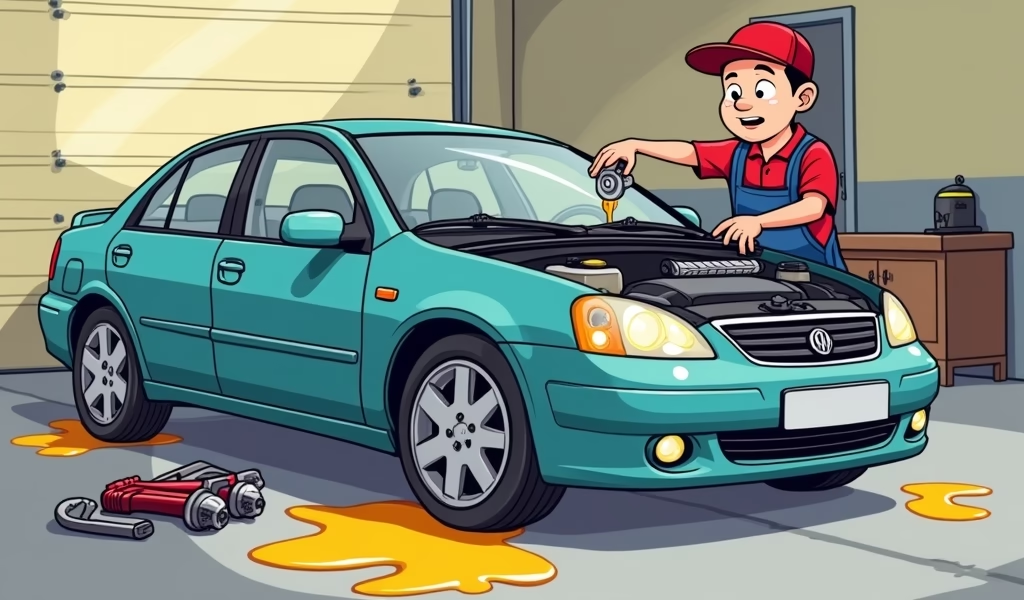
That innocent oil spot on your driveway isn’t just making a mess—it’s signaling potentially serious engine issues from deteriorated gaskets, damaged components, or poor maintenance that can escalate from a $200 fix to a $4,000+ engine replacement. Regular maintenance, prompt attention to warning signs like oil spots or burning smells, and knowing when to DIY versus seek professional help can prevent leaks from draining both your engine’s lifeblood and your wallet.
Table of Contents
- Understanding Oil Leaks: The Basics
- Common Causes of Oil Leaks
- Warning Signs of an Oil Leak
- How to Diagnose an Oil Leak
- Preventing Oil Leaks: Maintenance Tips
- DIY Repairs vs. Professional Help
- Cost Implications of Ignoring Oil Leaks
- Conclusion
- Frequently Asked Questions
Understanding Oil Leaks: The Basics
Oil leaks are among the most common issues vehicle owners face, yet they’re often ignored until they become serious problems. As a mechanic with over 15 years of experience, I’ve seen what causes oil leaks develop from minor nuisances into expensive nightmares. Oil is essentially your engine’s lifeblood – it lubricates, cools, and cleans the internal components that keep your car running smoothly.
When oil escapes from its designated pathways within your engine, it’s not just making a mess under your car. It’s compromising your engine’s health with every drop that leaks out. Think of it as your car slowly bleeding out vital fluids needed for survival.
The concerning part is that many drivers dismiss small leaks as “normal” or “not worth fixing yet.” But here’s the reality – even minor oil leaks can signal underlying issues that, if left untreated, can lead to catastrophic engine failure. And let’s be honest, nobody wants to face a repair bill that costs more than their car is worth!
In this comprehensive guide, we’ll explore what causes oil leaks, how to identify them early, and most importantly, how to prevent them from draining your wallet. By understanding the root causes of oil leaks, you’ll be better equipped to maintain your vehicle and avoid those heart-stopping repair estimates.
Common Causes of Oil Leaks
Let’s get our hands a bit dirty and look at the culprits behind those pesky oil leaks. In my years working under hoods, I’ve found several repeat offenders that cause most oil leaks:
Deteriorated Gaskets and Seals
Gaskets and seals are the unsung heroes of your engine, creating tight seals between various engine components. Over time, these rubber or silicone parts can harden, crack, or simply wear out due to constant exposure to heat cycles and engine oil. The most common problematic gaskets include the valve cover gasket, oil pan gasket, and the dreaded head gasket.
These components are designed to create perfect seals between metal parts that don’t naturally fit together with absolute precision. When they fail, oil finds the path of least resistance – usually downward and outward, creating those telltale drips on your driveway.
Damaged Oil Pan or Plug
Your oil pan sits at the bottom of the engine, making it vulnerable to road debris and accidental impacts. Even a small puncture or dent can compromise its ability to contain oil. Similarly, the oil drain plug can become stripped or loose, especially after routine oil changes if not properly tightened.
I’ve lost count of how many vehicles I’ve seen with oil pans damaged from hitting road debris or aggressive speed bumps. It’s a common but entirely preventable cause of leaks.
Warning Signs of an Oil Leak
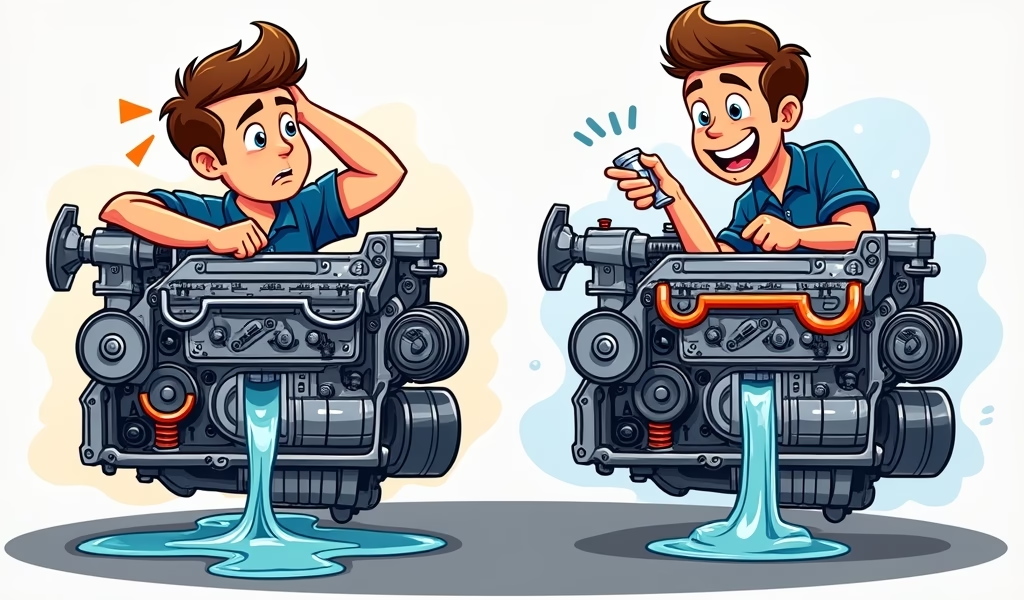
Catching oil leaks early can save you thousands in repairs. Here are the telltale signs your vehicle might be leaking oil:
Visible Oil Spots
The most obvious sign is finding oil spots where you park your car. Fresh engine oil typically appears amber to dark brown and feels slick between your fingers. If you’re unsure whether those spots are oil or another fluid, place a piece of cardboard under your parked car overnight – it’ll help you identify both the type of fluid and potentially where it’s coming from.
Burning Oil Smell
If oil is leaking onto hot engine components, you’ll likely notice a distinctive burning smell, especially after driving. This happens when oil drips onto the exhaust manifold or other hot parts, creating smoke and that unmistakable burnt oil aroma that makes other drivers roll up their windows.
Low Oil Level
Regularly checking your vehicle’s fluid levels is crucial. If you’re finding yourself needing to add oil between scheduled changes, you likely have a leak. Even small leaks can lead to significant oil loss over time, potentially causing serious engine damage if levels get too low.
Oil Pressure Warning Light
When your dashboard oil light illuminates, it’s your car’s way of saying, “Hey, we have a problem here!” This warning should never be ignored, as it often indicates your oil pressure has dropped to dangerous levels – possibly due to a leak reducing the overall oil volume in your engine.
According to a study by AAA, nearly 30% of vehicles on the road are running with insufficient oil levels, many due to unaddressed leaks. This neglect significantly increases the risk of premature engine failure.
How to Diagnose an Oil Leak
Before rushing to a repair shop, you can do some detective work to pinpoint where your oil leak is coming from. Here’s my professional approach to diagnosing oil leaks:
Clean Engine Inspection
Start with a clean engine. You can use engine degreaser and a gentle rinse (being careful around electrical components) or have a professional clean the engine bay. Once clean, drive the vehicle for a few days, then inspect with a flashlight to see where fresh oil is appearing. The highest point of oil residue is typically close to the source of the leak.
Dye Testing
For more elusive leaks, consider using an oil leak detection dye. This special UV-reactive dye is added to your oil, and after running the engine, a UV light will make the leak path glow brightly, revealing even small or hidden leak sources.
Common Leak Locations
When I’m hunting for leaks, I check these common trouble spots first:
- Valve cover gaskets (top of the engine)
- Oil pan and gasket (bottom of the engine)
- Oil filter and oil cooler lines (often midway on the engine)
- Timing cover gasket (front of the engine)
- Rear main seal (where the engine meets the transmission)
- Oil pressure sensor and switch
Some leaks are easier to spot than others. Rear main seal leaks, for instance, are notoriously difficult to diagnose and repair, often requiring significant disassembly. According to Consumer Reports, properly identifying the exact source of an oil leak can reduce repair costs by up to 40% by avoiding unnecessary part replacements.
Preventing Oil Leaks: Maintenance Tips
An ounce of prevention is worth a gallon of oil! Here are my tried-and-true maintenance practices to prevent oil leaks before they start:
Regular Oil Changes
This isn’t just mechanic talk – regularly changing your oil is genuinely the best prevention against leaks. Fresh oil contains additives that help keep seals and gaskets pliable. Old, dirty oil can accelerate the degradation of these crucial components, leading to hardening and eventual leaking.
Follow your vehicle manufacturer’s recommended oil change intervals, but be aware that severe driving conditions (short trips, extreme temperatures, dusty conditions) may require more frequent changes. For most modern vehicles, that means every 5,000-7,500 miles, though some can go longer with synthetic oils.
Use Quality Oil and Filters
Not all oils are created equal. Using the manufacturer-recommended grade and type of oil ensures proper viscosity and additive packages that protect your engine. Similarly, quality oil filters trap more contaminants and maintain proper oil pressure. The few extra dollars spent on premium oil and filters can save hundreds in prevented leaks.
Address Minor Leaks Promptly
When you spot even a small leak, don’t procrastinate. Minor leaks are typically easier and less expensive to fix before they worsen. What might be a simple gasket replacement today could turn into a major component repair if the leaking oil damages other parts or if the underlying issue worsens.
Avoid Overfilling Oil
Believe it or not, too much oil can be just as problematic as too little. Overfilling creates excessive pressure within the engine, forcing oil past seals and gaskets. Always check your dipstick after adding oil and ensure the level falls within the recommended range.
Professional diagnostic services can catch potential issues before they become leaks. Many modern leaks develop from overlooked minor problems that cascade into bigger failures.
DIY Repairs vs. Professional Help
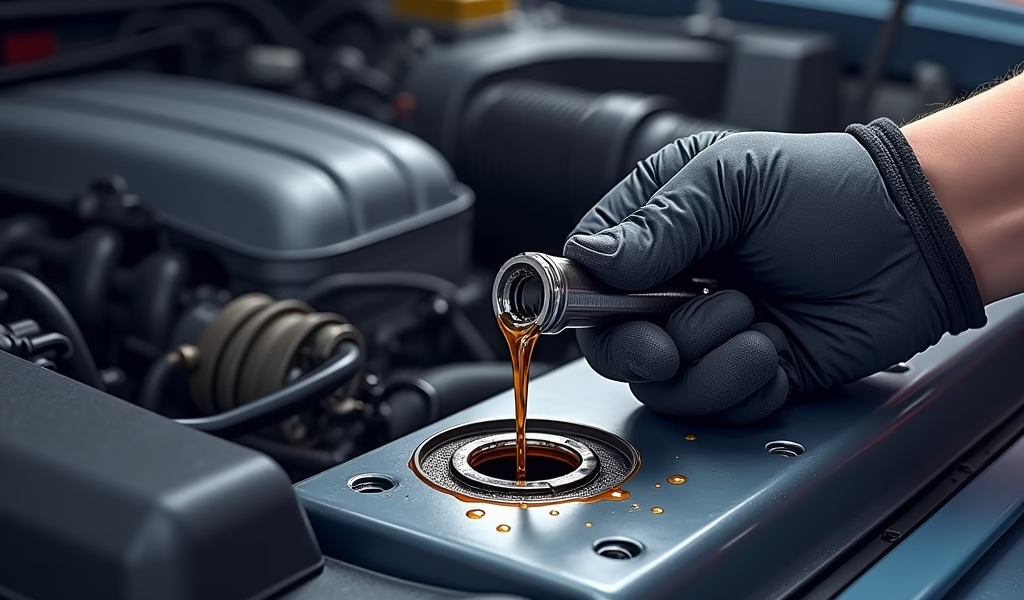
As someone who started fixing cars in my driveway before turning professional, I understand the appeal of DIY repairs. Let’s look at what oil leak repairs you might tackle yourself and when to call in the experts:
DIY-Friendly Repairs
Some oil leak repairs are quite manageable for the home mechanic with basic tools and reasonable mechanical aptitude:
- Oil pan drain plug replacement
- Oil filter and housing gasket replacement
- Valve cover gasket replacement (on some engines)
- Oil pressure sensor replacement
These repairs typically require basic hand tools, a jack and jack stands (always with proper safety precautions), and a free afternoon. Online tutorials and service manuals can guide you through the process.
When to Seek Professional Help
Some oil leak repairs involve complex disassembly or specialized tools that make them impractical for most DIYers:
- Rear main seal replacement
- Timing cover gasket repairs
- Head gasket replacement
- Oil cooler or line repairs in difficult-to-access locations
- Any repair requiring engine removal or significant disassembly
These repairs often require specialized knowledge, tools, and sometimes programming equipment for modern vehicles. What might take a professional shop a few hours could consume an entire weekend (or longer) for a DIYer, with significant risk of additional problems if reassembly isn’t perfect.
When choosing between DIY and professional repair, honestly assess your skill level, available tools, and the complexity of the repair. Sometimes the most cost-effective approach is having a professional fix it right the first time.
Cost Implications of Ignoring Oil Leaks
In my years as a mechanic, I’ve seen countless cases where a small, inexpensive repair turned into a budget-busting catastrophe because someone decided to “drive it until it fails.” Let me share some real-world cost perspectives:
The Cost Escalation
Here’s how ignoring oil leaks typically escalates in terms of repair costs:
- Minor gasket replacement (valve cover, oil pan): $150-$400
- Mid-level repairs (timing cover, oil cooler): $400-$800
- Major repairs (rear main seal): $800-$1,500
- Engine damage from oil starvation: $2,500-$4,000+
- Complete engine replacement: $4,000-$10,000+
That minor oil leak that seems “not worth fixing yet” can quickly become an engine-destroying problem if it causes oil starvation or if leaking oil damages other components like belts, alternators, or electrical systems.
Environmental and Safety Concerns
Beyond the financial impact, oil leaks pose environmental and safety hazards. Engine oil is toxic to plants and wildlife, and in many areas, allowing oil to leak onto roads or into storm drains can result in fines. From a safety perspective, oil dripping onto hot exhaust components creates fire hazards, while oil spots on your garage floor become slip hazards.
Research from Edmunds suggests that addressing oil leaks promptly can extend engine life by up to 30% compared to vehicles where leaks are chronically ignored. That translates to potentially years of additional service from your vehicle – a compelling return on investment for timely repairs.
Conclusion
Understanding what causes oil leaks is the first step toward preventing costly repairs and extending your vehicle’s life. As we’ve explored, oil leaks typically stem from deteriorated gaskets and seals, damaged components, or improper maintenance – all issues that worsen dramatically when ignored.
The good news? Most oil leaks can be prevented through regular maintenance and prompt attention to warning signs. By changing your oil regularly, using quality parts and fluids, and addressing minor issues before they become major problems, you can keep your engine running smoothly and leak-free for years to come.
Remember, that small spot on your driveway isn’t just an aesthetic nuisance – it’s your car telling you something needs attention. Listen to what your vehicle is trying to communicate, and you’ll be rewarded with reliability, better performance, and substantial savings in the long run.
Whether you choose to tackle some repairs yourself or partner with a trusted mechanic, addressing oil leaks promptly is always the most economical strategy. Your car, your wallet, and the environment will all thank you for it.
Frequently Asked Questions
How serious is a small oil leak?
Even small oil leaks should be taken seriously as they can worsen over time and potentially lead to engine damage. If left unaddressed, minor leaks can escalate into major repairs costing thousands.
Can I just add more oil instead of fixing a leak?
Simply adding oil is a temporary band-aid, not a solution to the underlying problem. Continuing to drive with a leak risks engine damage and environmental contamination.
How much does it typically cost to fix an oil leak?
Repair costs range from $150-400 for minor gasket replacements to $800-1,500 for more complex issues like rear main seals. The cost varies widely depending on the leak location and your specific vehicle.
Can extreme temperatures cause oil leaks?
Yes, both very hot and cold temperatures can accelerate gasket and seal deterioration. Extreme heat causes rubber components to harden and crack, while severe cold can make them brittle.
Is it safe to drive with an oil leak?
It depends on the severity and location of the leak. Minor, slow leaks might be temporarily manageable with frequent oil level checks, but significant leaks can lead to catastrophic engine failure if oil levels drop too low.