
Overview
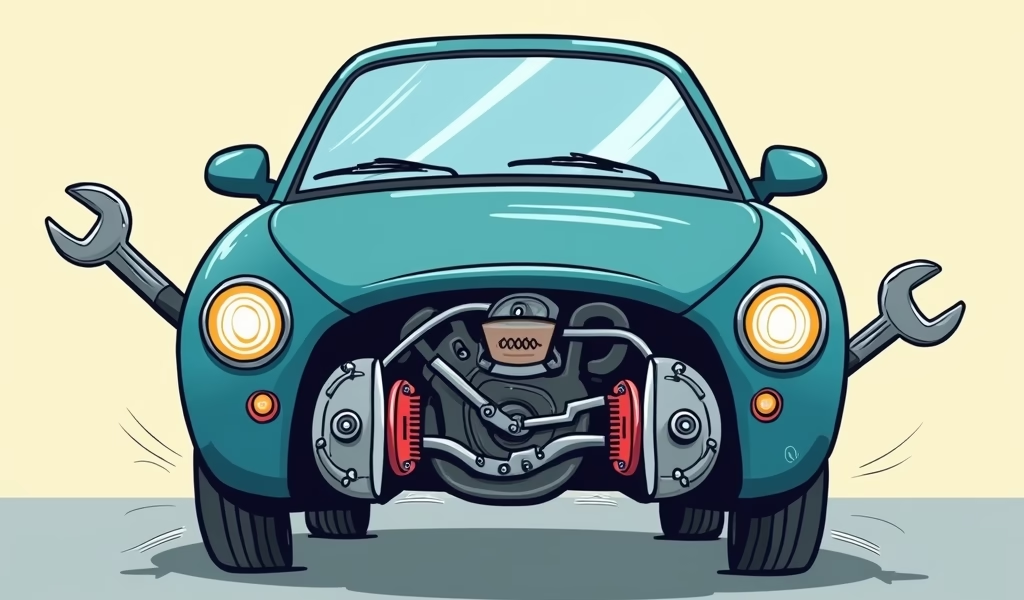
When your car jerks while slowing down, it’s likely caused by issues in one of three systems: transmission problems (like low fluid or worn mounts), brake system failures (such as warped rotors or sticking calipers), or engine-related troubles (including dirty sensors or clogged fuel injectors). While some issues can be fixed with DIY maintenance like fluid checks or spark plug replacements, persistent jerking accompanied by warning lights or unusual noises signals it’s time to visit a professional mechanic to prevent more expensive repairs down the road.
Table of Contents
- Understanding Jerking When Slowing Down
- Common Causes of Vehicle Jerking
- Transmission-Related Issues
- Brake System Problems
- Engine-Related Causes
- Diagnosing the Problem
- DIY Fixes You Can Try
- When to See a Professional
- Preventing Future Jerking Issues
- Conclusion
- Frequently Asked Questions
Understanding Jerking When Slowing Down
Ever been cruising along and suddenly feel your car jerk or shudder when you start to slow down? That abrupt, lurching sensation is more than just an uncomfortable driving experience—it’s your vehicle trying to tell you something’s not quite right. So what causes jerking when slowing down? As a mechanic with over 15 years of experience, I can tell you this is a common complaint that can stem from several different systems in your vehicle.
This jerking or stuttering sensation typically occurs when you’re decelerating, pressing on the brake pedal, or downshifting. It’s not just annoying—it can also indicate potentially serious issues that might lead to costly repairs if left unchecked. The good news? Many of these problems are entirely fixable, especially if caught early.
In this comprehensive guide, we’ll explore the various causes of vehicle jerking during deceleration, how to diagnose the problem yourself, and when it’s time to consult a professional. By understanding what’s happening under the hood, you might just save yourself a significant amount of money and prevent more serious issues down the road.
Common Causes of Vehicle Jerking
When your car jerks while slowing down, the culprit usually falls into one of three main categories: transmission issues, brake system problems, or engine-related causes. Each system interacts with the others during the deceleration process, which is why pinpointing the exact cause can sometimes feel like detective work.
Let’s break down these potential troublemakers into manageable chunks. By understanding the most common causes, you’ll be better equipped to address the problem—whether that means a simple DIY fix or knowing exactly what to tell your mechanic.
Remember that vehicles are complex machines with interconnected systems. Sometimes what appears to be a transmission issue might actually be related to your engine, or what feels like a brake problem could be linked to your suspension. That’s why a systematic approach to diagnosis is so important.
Transmission-Related Issues
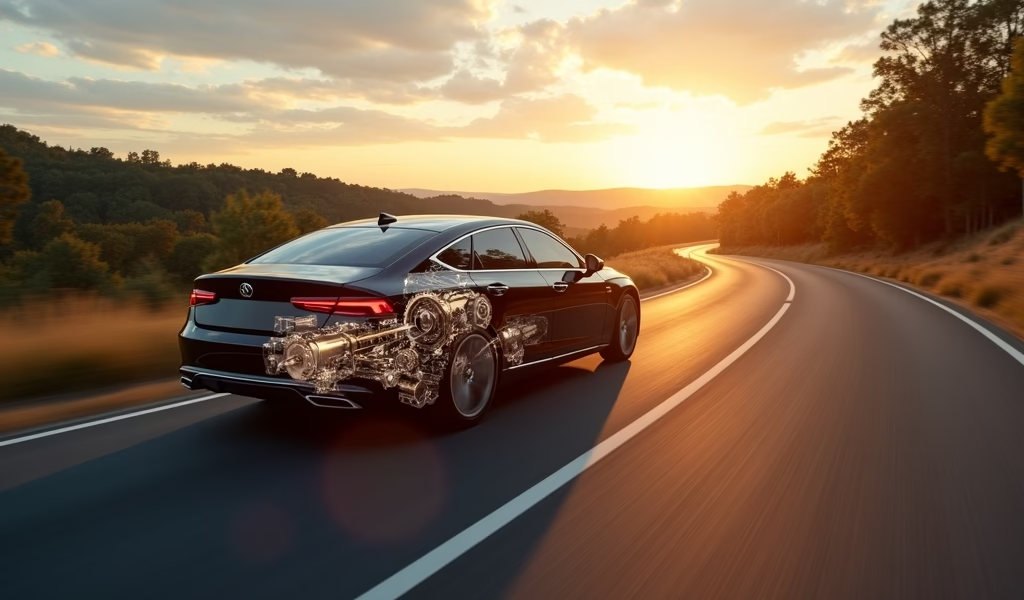
The transmission is often the prime suspect when jerking occurs during deceleration. This complex system is responsible for changing gears and transferring power from the engine to the wheels, making it particularly noticeable when things go wrong during speed changes.
One of the most common transmission issues is low or dirty transmission fluid. This vital liquid lubricates the moving parts in your transmission and helps transfer power smoothly. When it’s low or contaminated, your car might jerk or shudder when slowing down. Checking your transmission fluid level should be one of your first diagnostic steps.
Worn-out transmission mounts can also cause jerking sensations. These mounts secure the transmission to the vehicle’s frame, and when they deteriorate, they allow excessive movement of the transmission, especially during speed changes. This movement translates into that uncomfortable jerking you feel in the cabin.
Another culprit could be a failing torque converter. This component acts as a fluid coupling between the engine and transmission in automatic vehicles. When it starts to fail, you’ll often notice jerking, especially during deceleration or when shifting from drive to reverse. According to AAA’s auto repair experts, torque converter issues account for approximately 20% of transmission-related problems.
For vehicles with manual transmissions, a worn-out clutch can cause similar jerking symptoms. The clutch is what engages and disengages the engine from the transmission, and when it’s wearing out, it doesn’t perform this function smoothly. This results in jerky deceleration as the clutch struggles to manage the power transfer.
If you’re experiencing jerking along with other symptoms like delayed engagement, strange noises, or warning lights, you might be dealing with more common signs of transmission problems that require professional attention.
Brake System Problems
Your vehicle’s brake system plays a crucial role in smooth deceleration. When components start to wear or malfunction, you’ll feel it immediately in the form of jerking or pulsating when you press the brake pedal.
Warped brake rotors are among the most common brake-related causes of jerking when slowing down. These metal discs sit behind your wheels, and your brake pads clamp down on them when you press the brake pedal. Over time, heat and stress can cause rotors to warp. When this happens, the brake pads can’t make even contact with the warped surface, causing a pulsating or jerking sensation during braking.
Unevenly worn brake pads can also cause jerking. If your brake pads have worn down unevenly or if one pad is significantly more worn than others, it creates an imbalance in braking force. This imbalance manifests as jerking or pulling to one side when you slow down.
A malfunctioning ABS (Anti-lock Braking System) is another potential culprit. While the ABS is designed to prevent wheel lock-up during hard braking, a failing ABS module or sensor can cause the system to engage unnecessarily during normal braking. This typically creates a shuddering or jerking sensation, often accompanied by unusual noises.
Sticking brake calipers can also lead to jerking. Calipers house the brake pads and push them against the rotors when you brake. If a caliper is sticking, it might not release properly or might apply uneven pressure, resulting in jerky deceleration. According to the National Highway Traffic Safety Administration, brake-related problems contribute to approximately 22% of vehicle mechanical failures that lead to crashes.
Brake system issues should never be ignored, as they directly impact your safety on the road. If you suspect your jerking problem is brake-related, addressing it promptly is not just about comfort—it’s about ensuring your vehicle can stop reliably when needed.
Engine-Related Causes
While transmission and brake issues are common suspects, the engine itself can be responsible for jerking during deceleration. Modern engines are sophisticated systems controlled by complex electronics, and several components can cause jerking when they’re not functioning properly.
A common engine-related cause is a dirty or failing mass airflow sensor (MAF). This sensor measures the amount of air entering the engine and helps the car’s computer determine how much fuel to inject. When it’s dirty or failing, it sends incorrect information, causing the engine to run rich (too much fuel) or lean (too little fuel), especially during deceleration when air intake is changing rapidly.
Clogged fuel injectors can also cause jerking when slowing down. Injectors spray precise amounts of fuel into the combustion chamber, and when they’re clogged, this spray pattern becomes irregular. During deceleration, when the engine management system is trying to reduce fuel delivery, clogged injectors can cause an uneven fuel distribution, resulting in jerking or hesitation.
A failing throttle position sensor (TPS) is another potential culprit. This sensor tells the car’s computer the position of the throttle pedal. When it malfunctions, the computer receives incorrect information about how much you’re pressing or releasing the gas pedal, leading to jerky response, especially when you’re easing off the accelerator to slow down.
Spark plug issues can also manifest as jerking during deceleration. Worn or fouled spark plugs can’t ignite the fuel-air mixture efficiently, causing misfires that feel like jerking or stuttering. This is especially noticeable when the engine is under changing loads, such as when slowing down.
If you notice your engine warning light is illuminated along with the jerking sensation, it’s a strong indication that an engine-related issue is at play. Modern vehicles have sophisticated diagnostic systems that can often identify the specific component that’s malfunctioning.
Diagnosing the Problem
Now that we understand the potential causes of jerking when slowing down, let’s talk about how you can diagnose the issue. With some basic observation skills and a methodical approach, you can often narrow down the possibilities before heading to a mechanic.
Start by paying close attention to exactly when the jerking occurs. Does it happen only when you apply the brakes, or does it occur whenever you decelerate, even without braking? Brake-related issues typically only manifest when you’re pressing the brake pedal, while transmission or engine problems might occur during any deceleration.
Next, note if there are any accompanying symptoms. Strange noises, warning lights, burning smells, or fluid leaks can all provide valuable clues. For example, a grinding noise with jerking during braking suggests brake rotor issues, while a burning smell with jerking during deceleration might indicate transmission problems.
Check your vehicle’s maintenance history. When was the last time you changed the transmission fluid, had a brake service, or replaced the spark plugs? Overdue maintenance is often the culprit behind performance issues like jerking.
If your vehicle has an OBD-II port (most cars made after 1996 do), consider using an OBD scanner to check for trouble codes. Even basic scanners are relatively affordable and can provide valuable diagnostic information. According to Edmunds automotive experts, about 80% of check engine light issues can be identified through OBD scanning.
Pay attention to driving conditions. Does the jerking worsen when the engine is cold or hot? Does it happen more on humid days or in certain temperature ranges? These environmental factors can help pinpoint issues related to sensors or fuel delivery systems.
DIY Fixes You Can Try
Before heading to the mechanic, there are several DIY fixes you can attempt that might resolve your vehicle’s jerking issues. These approaches target the most common and easily addressable causes.
If you suspect transmission fluid issues, check the level and condition of your transmission fluid. Low fluid levels can be topped up, while dirty fluid might require a complete flush and replacement. Clean, proper-level fluid can often resolve jerking related to transmission problems. Remember to use the specific type of transmission fluid recommended for your vehicle.
For potential fuel system issues, try using a fuel system cleaner. These products are added to your gas tank and can help clean fuel injectors, remove carbon deposits, and improve overall fuel system performance. A good-quality fuel system cleaner can sometimes resolve jerking caused by clogged injectors or carbon buildup.
If you suspect spark plug issues, consider replacing them, especially if they’re old or if you can’t remember the last time they were changed. This relatively simple maintenance task can significantly improve engine performance and eliminate jerking caused by misfires.
Here’s a simple checklist of DIY fixes to try:
- Check and top up transmission fluid if needed
- Use a quality fuel system cleaner
- Replace old spark plugs and wires
- Clean the mass airflow sensor with MAF-specific cleaner
- Check for loose vacuum hoses and reconnect them
- Inspect brake pads and rotors for obvious wear
- Clear any OBD codes and see if they return
Remember, safety comes first with any DIY auto repair. Always disconnect the battery before working on electrical components, use jack stands when working under your vehicle, and consult your vehicle’s service manual for specific procedures related to your make and model.
When to See a Professional
While DIY approaches can resolve some causes of vehicle jerking, there are clear situations when professional help is necessary. Recognizing these scenarios can save you time, money, and potential safety hazards.
Seek professional help immediately if the jerking is accompanied by loss of power, inability to accelerate, or difficulty stopping. These symptoms suggest serious mechanical issues that could compromise your safety on the road.
If warning lights remain illuminated after your DIY attempts, it’s time to consult a professional. Modern vehicles have sophisticated diagnostic systems, and persistent warning lights indicate problems that require professional-grade diagnostic equipment to resolve.
When jerking occurs alongside unusual noises like grinding, knocking, or whining, professional diagnosis is warranted. These sounds often indicate mechanical wear or damage that requires specialized knowledge and tools to address properly.
If you’ve tried the basic DIY fixes without improvement, don’t continue throwing parts and products at the problem. A qualified mechanic can perform systematic testing to pinpoint the exact cause, potentially saving you money in the long run by avoiding unnecessary replacements.
When selecting a mechanic, look for ASE certification and specialization in your vehicle’s make if possible. The Automotive Service Excellence (ASE) certification ensures the technician has passed industry-standard tests and maintains current knowledge of automotive systems.
Preventing Future Jerking Issues
After you’ve addressed the immediate jerking problem, taking preventative measures can help ensure smooth driving for the long term. Prevention is always less expensive and less stressful than repairs.
Stick to your vehicle’s recommended maintenance schedule. Regular fluid changes, filter replacements, and inspections can catch potential problems before they manifest as performance issues like jerking. Your owner’s manual contains the manufacturer’s recommended maintenance intervals for your specific vehicle.
Pay attention to your driving habits. Aggressive acceleration and braking put additional stress on your vehicle’s components, potentially leading to premature wear. Smooth, gradual acceleration and deceleration can extend the life of your transmission, brakes, and engine.
Use quality fuels and fluids. Bargain-basement products might save a few dollars upfront but can cost more in the long run through reduced performance and increased wear. This is especially true for transmission fluid, where using the manufacturer-specified type is crucial for proper operation.
Address minor issues promptly. That small hesitation or occasional jerk might seem minor now, but automotive problems rarely resolve themselves and often worsen over time. Early intervention can prevent more extensive damage and more expensive repairs.
Consider regular fuel system cleaning. Even with quality fuel, deposits can build up over time. Using a fuel system cleaner every 5,000-7,500 miles can help maintain optimal performance and prevent jerking related to fuel delivery issues.
Conclusion
Understanding what causes jerking when slowing down is the first step toward resolving this uncomfortable and potentially damaging issue. Whether the culprit is in your transmission, brakes, or engine, addressing the problem promptly can save you money, prevent more serious mechanical failures, and ensure your safety on the road.
We’ve explored the most common causes, from low transmission fluid and warped brake rotors to failing sensors and clogged injectors. We’ve also covered diagnostic approaches that can help you narrow down the possibilities, DIY fixes for the most straightforward issues, and clear indicators of when professional help is necessary.
Remember that prevention through regular maintenance and attentive driving is your best defense against future jerking issues. By listening to your vehicle and responding to early warning signs, you can often avoid the more serious problems that lead to that uncomfortable lurching sensation when slowing down.
Ultimately, a smooth-running vehicle isn’t just about comfort—it’s about reliability, efficiency, and safety. By addressing jerking issues promptly and properly, you’re investing in all these aspects of your driving experience. Your wallet, your passengers, and your future self will thank you for it.
Frequently Asked Questions
Can low transmission fluid cause jerking when slowing down?
Yes, low transmission fluid is a common cause of jerking during deceleration. When fluid levels are insufficient, the transmission cannot engage gears smoothly, resulting in jerky movements.
How much does it typically cost to fix car jerking when slowing down?
Repair costs vary widely depending on the cause, ranging from $20 for DIY fluid top-offs to $2,500+ for major transmission repairs. Simple issues like dirty sensors or spark plugs typically cost $100-300 to fix professionally.
Can bad spark plugs cause jerking when braking?
Yes, worn or fouled spark plugs can cause engine misfires that feel like jerking, particularly during deceleration. The changing engine load during braking can make misfires more noticeable.
Is it safe to drive when my car jerks while slowing down?
It’s not ideal and could potentially become dangerous. While occasional minor jerking might not pose immediate danger, it indicates an underlying issue that could worsen and potentially affect your ability to control the vehicle safely.
Could a dirty air filter cause my car to jerk when slowing down?
Yes, a severely clogged air filter can disrupt the air-fuel mixture, causing jerking during deceleration. The engine management system may struggle to adjust the fuel delivery when airflow is restricted, resulting in uneven performance.