

Overview
That mysterious hiccup when you press the gas pedal isn’t just annoying—it’s your engine’s cry for help across seven potential problem areas including fuel system issues, ignition problems, and sensor malfunctions. Promptly diagnosing and addressing engine hesitation through systematic troubleshooting can prevent safety risks, improve fuel economy, and save thousands in repair costs that would result from ignoring these early warning signs.
Table of Contents
- Understanding Engine Hesitation
- Why Engine Hesitation Matters
- Common Symptoms of Engine Hesitation
- 7 Primary Causes of Engine Hesitation
- Fuel System Issues
- Ignition System Problems
- Air Intake Issues
- Sensor Malfunctions
- Vacuum Leaks
- Exhaust System Restrictions
- Mechanical Engine Problems
- Diagnosing Hesitation Problems
- Preventative Maintenance to Avoid Hesitation
- Conclusion
- Frequently Asked Questions
Understanding Engine Hesitation
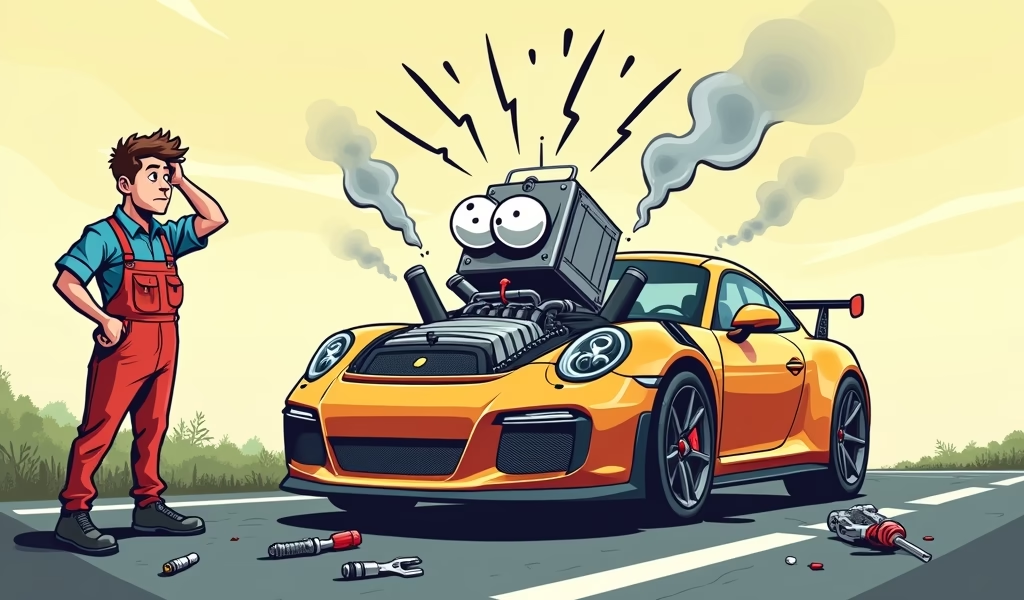
That momentary lag when you press the gas pedal and your car stumbles before responding isn’t just annoying—it’s your vehicle’s way of waving a red flag. Engine hesitation occurs when your vehicle briefly loses power or fails to respond properly during acceleration. Unlike a complete stall, hesitation is that brief “hiccup” when your car pauses before picking up speed or delivers power inconsistently.
I’ve seen countless drivers ignore these symptoms until they’re facing much costlier repairs. Think of hesitation as your engine’s early warning system—a subtle hint that something needs attention before it escalates into a major problem. In my 20+ years working on vehicles, I’ve found that addressing hesitation promptly can save hundreds, sometimes thousands, in repair costs.
Modern vehicles with computerized fuel injection experience hesitation for different, often more complex reasons than older carbureted engines. Today’s cars rely on numerous sensors and electronic components working in perfect harmony—when just one element falls out of sync, that telltale stumble appears.
Why Engine Hesitation Matters
Hesitation isn’t just about comfort—it presents several serious concerns worth your attention:
Safety risks: When your vehicle hesitates while merging onto a highway or crossing an intersection, that momentary lack of power can create dangerous situations. Split-second decisions in traffic depend on predictable vehicle response.
Fuel economy: A hesitating engine typically runs inefficiently, burning more fuel than necessary. I’ve seen mild hesitation problems reduce fuel economy by 10-15% before the driver even notices a change at the pump.
Early warning system: In my experience, hesitation rarely occurs in isolation. It’s usually the first domino to fall before more serious (and expensive) problems develop. Think of it as your check engine light before the actual check engine light comes on.
Environmental impact: That stuttering engine is likely producing more emissions than it should. Not only is this bad for the planet, but it could cause your vehicle to fail emissions testing in states with strict requirements.
Common Symptoms of Engine Hesitation
Recognizing the specific symptoms helps pinpoint the cause:
- Stuttering during acceleration when you press the gas pedal
- Momentary power loss, especially under load or when climbing hills
- Rough idle or stalling when the engine is stopped
- Check engine light activation (though hesitation can occur without triggering codes)
- Unusual sounds like sputtering or popping during acceleration attempts
- Inconsistent performance that varies with temperature or humidity
Pay attention to when the hesitation occurs. Is it only when the engine is cold? Only after it’s fully warmed up? Only during humid weather? These patterns provide valuable diagnostic clues that can fast-track repairs and save you money on unnecessary parts replacements.
7 Primary Causes of Engine Hesitation
After diagnosing thousands of vehicles with hesitation issues, I’ve found that most problems fall into these seven categories. Understanding them can help you communicate more effectively with your mechanic or tackle basic issues yourself.
1. Fuel System Issues
The fuel system delivers the precise amount of fuel your engine needs. When components in this system fail, hesitation often results:
Clogged fuel filters restrict flow, creating fuel starvation under demand. Most manufacturers recommend replacement every 30,000-60,000 miles. I’ve seen filters so clogged they restricted flow by 70%, causing significant hesitation under acceleration.
Dirty fuel injectors can’t deliver proper spray patterns, causing uneven combustion. Deposits build up over time, especially with lower-quality fuels. A professional cleaning can restore performance without replacement in many cases.
Failing fuel pumps can’t maintain proper pressure, particularly when demand increases during acceleration. Listen for an unusual humming from your fuel tank—a common warning sign that the pump is struggling. A fuel pressure test can confirm this diagnosis before you invest in a replacement.
Low-quality fuel may contain contaminants or improper additive mixtures. This is especially common after filling up at unfamiliar stations or when fuel has sat in your tank for extended periods. Try a tank of premium fuel with a quality fuel system cleaner as an inexpensive diagnostic step.
2. Ignition System Problems
Without proper spark, even perfect fuel mixture won’t create efficient combustion:
Worn spark plugs can’t create sufficient spark for proper combustion. Modern platinum or iridium plugs typically last 60,000-100,000 miles, while traditional copper plugs need more frequent replacement. I’ve seen high-mileage spark plugs with gaps nearly twice their specification, guaranteeing hesitation issues.
Faulty ignition coils fail to generate adequate voltage, especially when hot or under load. These components often fail gradually, with symptoms worsening over time. In modern multi-coil systems, sometimes just one failing coil creates intermittent hesitation.
Bad spark plug wires leak voltage or create excessive resistance. While many modern vehicles use coil-on-plug designs without traditional wires, those with conventional wires should have them inspected regularly. A simple resistance test can identify failing wires before they leave you stranded.
According to NGK Spark Plugs, a leading manufacturer, just a 10% reduction in spark energy can create noticeable hesitation, especially during acceleration or high-load conditions.
3. Air Intake Issues
Engines need precisely balanced air-to-fuel ratios. Air flow restrictions or excess air cause hesitation:
Dirty air filters restrict airflow, creating rich fuel conditions. This simple maintenance item should be checked every 15,000-30,000 miles or more frequently in dusty conditions. I’ve seen air filters so clogged they were causing a 30% power loss.
Mass airflow sensor malfunctions cause the computer to miscalculate fuel needs. These sensors often become contaminated by dirt or oil particles and may be cleanable without replacement, saving you significant money.
Throttle body deposits restrict air passage and interfere with throttle plate movement. Carbon buildup is common after 50,000+ miles and can often be cleaned rather than requiring component replacement.
Using an engine diagnostic app can help identify air intake issues before they cause significant performance problems or damage other components.
4. Sensor Malfunctions
Modern engines rely on accurate sensor data to make split-second adjustments:
Oxygen sensor failures prevent the computer from properly adjusting fuel mixtures. Most vehicles have multiple O2 sensors that typically last 60,000-100,000 miles. When they begin to fail, they often report incorrect readings that cause the engine computer to run the engine too rich or too lean.
Throttle position sensor issues confuse the computer about driver demands. This sensor directly translates your foot movement into electronic signals. When it fails, the computer receives incorrect information about how much power you’re requesting.
Coolant temperature sensor problems keep the engine in permanent “cold mode,” creating rich fuel conditions. An engine that never seems to reach normal operating temperature on your gauge may have this issue.
MAP/MAF sensor inaccuracies provide incorrect air density or flow information. Cleaning these sensors sometimes resolves hesitation before replacement becomes necessary. I’ve seen MAF sensors restored to proper function with a simple cleaning, saving hundreds in unnecessary parts.
5. Vacuum Leaks
Modern engines rely on precisely controlled air intake. Vacuum leaks introduce unmetered air that disrupts carefully calculated air-fuel mixtures:
Cracked vacuum hoses become brittle with age and heat exposure. These can be especially difficult to find, as cracks may open only under specific engine operating conditions. I’ve tracked down vacuum leaks that only appeared when the engine reached full operating temperature and the hoses expanded.
Leaking intake manifold gaskets allow air to enter the system undetected by sensors. This creates lean running conditions that manifest as hesitation, especially under load.
Faulty brake booster connections can draw excessive vacuum during braking, causing momentary hesitation when you press the brake pedal.
PCV system failures can create vacuum leaks while also allowing oil contamination into the intake system—a double problem that compounds hesitation issues.
6. Exhaust System Restrictions
Engines need to expel exhaust gases efficiently to make room for fresh air:
Catalytic converter clogs create backpressure that prevents proper exhaust flow. Listen for rattling sounds or notice a sulfur smell when this component begins failing. A clogged converter can reduce power by 30% or more and cause significant hesitation.
Exhaust gas recirculation (EGR) valve issues allow too much exhaust gas back into the intake or prevent proper recirculation. Carbon buildup commonly affects these components and can often be cleaned rather than replaced if caught early.
Muffler or pipe restrictions from damage or internal collapse inhibit exhaust flow. Inspect for dents, rust, or crushed sections, especially if you’ve recently driven over road debris or high center points.
According to EPA data, exhaust restrictions not only cause hesitation but can significantly increase harmful emissions while reducing fuel economy.
7. Mechanical Engine Problems
Physical issues within the engine itself can cause hesitation:
Low compression from worn rings, damaged valves, or leaking head gaskets prevents proper combustion. A compression test can identify these serious issues before they lead to complete engine failure.
Timing belt/chain issues disrupt the precise relationship between moving components. Listen for rattling sounds, especially during startup. Even being off by a single tooth on the timing chain can create noticeable hesitation.
Valve problems from carbon buildup or mechanical wear affect airflow and compression. Regular valve cleanings are becoming more important in direct injection engines, which are particularly prone to carbon accumulation.
Carbon buildup on intake valves and combustion chambers creates hot spots and disrupts flame propagation. This is especially problematic in direct injection engines, which lack the cleaning effect of fuel washing over intake valves.
Diagnosing Hesitation Problems
When your vehicle hesitates, a systematic approach saves time and money:
Start with the basics: Check maintenance records and perform any overdue service first. I’ve seen countless “complex” hesitation problems resolved with simple spark plug changes or air filter replacements.
Use diagnostic tools: Even inexpensive OBD-II scanners can reveal valuable trouble codes that may not have triggered the check engine light yet. Professional-grade scanners can monitor sensor data in real-time, often revealing problems during actual hesitation events.
Consider driving patterns: Note exactly when hesitation occurs—cold starts, hot engine, specific speeds, or during particular maneuvers. This information is incredibly valuable for accurate diagnosis.
Try process of elimination: Start with the simplest, least expensive potential causes. Clean before replacing, test before assuming. This methodical approach prevents wasteful parts replacements.
For complex or intermittent hesitation issues, consider how to improve car performance through professional diagnostics using specialized equipment that can identify problems invisible to basic tools.
Preventative Maintenance to Avoid Hesitation
An ounce of prevention is worth a pound of cure when it comes to engine hesitation:
- Follow manufacturer-recommended maintenance schedules, especially for fuel system components
- Use quality fuel from reputable stations
- Consider fuel system cleaners every 5,000-10,000 miles
- Replace air filters at recommended intervals or when visibly dirty
- Have spark plugs inspected and replaced according to your vehicle’s schedule
- Consider professional fuel injector cleaning services every 30,000-45,000 miles
- Address check engine lights promptly, even if the vehicle seems to run normally
Regular car maintenance treatments can prevent most hesitation problems before they start. A well-maintained vehicle rarely develops serious hesitation issues, and when minor problems do occur, they’re typically caught early before causing secondary damage.
As the researchers at CarMD’s Vehicle Health Index have found, addressing minor issues promptly typically costs 30-50% less than waiting until the problem escalates to component failure.
Conclusion
Engine hesitation is your vehicle’s way of asking for help before small issues become major problems. By understanding the common causes—from fuel system issues to sensor malfunctions—you can better communicate with your mechanic or tackle basic problems yourself.
The key to addressing hesitation successfully lies in prompt diagnosis and appropriate repair. Whether you’re handling basic maintenance yourself or seeking professional assistance, understanding the underlying causes helps you make informed decisions about your vehicle’s care.
Remember that hesitation rarely improves on its own. That momentary stumble when accelerating is likely to worsen over time, potentially leading to more extensive damage and much costlier repairs. By addressing hesitation when it first appears, you’ll enjoy a smoother driving experience, better fuel economy, and likely save substantial money by preventing cascade failures.
Your vehicle is designed to deliver power smoothly and efficiently. When it doesn’t, take that as the early warning it’s meant to be—your engine’s way of communicating that something needs attention before it becomes a serious problem.
Frequently Asked Questions
Can bad gas cause my engine to hesitate?
Yes, contaminated or low-quality fuel is a common cause of engine hesitation. If the hesitation started immediately after refueling, try adding a fuel system cleaner and filling up at a different station next time.
How can I tell if hesitation is from ignition problems or fuel issues?
Ignition problems typically worsen under load and may create popping sounds, while fuel issues often occur at specific RPM ranges. Checking for misfire codes (P0300-P0308) with a scanner can help identify ignition problems.
Will a check engine light always come on with engine hesitation?
Not necessarily, as some conditions causing hesitation don’t trigger fault codes until they become severe. Slight vacuum leaks, partially clogged injectors, or minor fuel pressure issues may cause noticeable hesitation without illuminating warning lights.
Is it safe to drive with engine hesitation?
Driving with hesitation can be dangerous, particularly when merging onto highways or crossing busy intersections. Beyond safety concerns, continuing to drive can also cause additional damage to components like catalytic converters.
How much does it typically cost to fix engine hesitation?
Repair costs vary widely depending on the cause, from $20 for a simple air filter to $1,000+ for fuel pumps or major sensor replacements. Addressing the problem early typically costs significantly less than waiting until secondary damage occurs.