

Overview
Just like your relationship status, your Volvo V90’s sophisticated 8-speed transmission requires attention and care to avoid the dreaded “it’s complicated” phase. This comprehensive guide covers everything from understanding common transmission issues and warning signs to essential maintenance practices and cost-effective repair options, ultimately helping you extend your V90’s transmission life while protecting your investment.
Table of Contents
- Understanding Your V90 Transmission
- Common Transmission Issues in the Volvo V90
- Warning Signs Your V90 Transmission Needs Attention
- Essential Maintenance Tips to Extend Transmission Life
- DIY vs. Professional Transmission Maintenance
- Cost Considerations: Repairs vs. Replacement
- Driving Habits That Protect Your Transmission
- Conclusion
- Frequently Asked Questions
Understanding Your V90 Transmission
The Volvo V90 comes equipped with one of the most sophisticated transmission systems in the luxury wagon segment. Most V90 models feature an 8-speed Geartronic automatic transmission, engineered to deliver both smooth performance and optimal fuel efficiency.
This isn’t your grandfather’s old automatic. The V90’s transmission is a complex electronic and hydraulic system that’s constantly communicating with your engine control module. It’s making thousands of calculations per second to determine the perfect shift points based on your driving style, road conditions, and vehicle load.
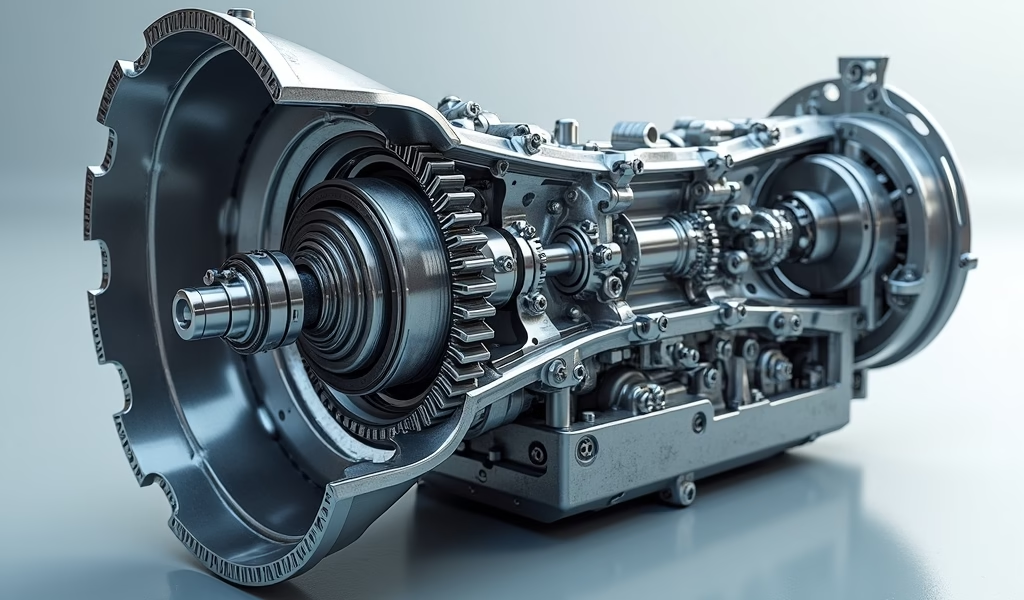
The heart of this system includes several components: a torque converter, planetary gearsets, valve body, solenoids, and a sophisticated control module. When everything works in harmony, you get seamless power delivery that’s characteristic of Volvo’s refined driving experience.
Depending on your specific V90 model, you might have front-wheel drive or all-wheel drive configurations. The AWD versions incorporate additional components to distribute power to all four wheels, which adds another layer of complexity to the transmission system.
What makes these modern types of automatic transmissions special is their adaptive learning capability. Your V90’s transmission actually learns your driving patterns and adjusts its behavior accordingly. This is why sometimes after a battery disconnect or transmission service, the car might shift differently until it relearns your habits.
Common Transmission Issues in the Volvo V90

While Volvo builds remarkably reliable vehicles, no transmission is immune to problems. Having worked on hundreds of V90s over the years, I’ve noticed several recurring issues that owners should be aware of.
The most common complaint I hear in the shop relates to hesitation during shifting, particularly when the vehicle is cold. This is often caused by degraded transmission fluid that’s lost its viscosity properties. Unlike wine, transmission fluid doesn’t get better with age!
Another frequent issue involves the solenoids – those electromagnetic valves that control fluid flow within the transmission. When they begin to fail, you’ll experience erratic shifting patterns or even find the transmission stuck in a particular gear. The good news is that solenoid replacement is considerably less expensive than a complete transmission rebuild.
Many V90 owners also report a shuddering sensation during light acceleration between 30-50 mph. This typically indicates torque converter lock-up clutch problems, which can often be resolved with a fluid flush and sometimes a torque converter replacement.
The valve body, which directs hydraulic fluid throughout the transmission, can develop debris buildup over time. This leads to inconsistent pressure and erratic shifting. According to transmission specialists, valve body issues account for approximately 25% of all automatic transmission problems.
Electronic control module failures are less common but more frustrating, as they can mimic mechanical problems. Sometimes what seems like a failing transmission is actually just a software issue that can be resolved with a module update at your Volvo service center.
Warning Signs Your V90 Transmission Needs Attention
Your V90’s transmission typically gives plenty of warning before major failures occur. Think of these as your transmission’s way of crying for help before things get catastrophically expensive.
The most obvious sign is delayed engagement when shifting from Park to Drive or Reverse. If you notice a 1-2 second pause before the car moves after selecting a gear, your transmission is telling you something’s wrong. This hesitation tends to worsen over time, so don’t ignore it.
Unusual noises specific to transmission problems include whining, buzzing, or clunking sounds that change with vehicle speed or when shifting. A high-pitched whine during acceleration often points to torque converter problems, while clunking typically indicates worn internal components.
Fluid leaks are another telltale sign. Transmission fluid has a distinctive red color and slightly sweet smell that distinguishes it from other fluids. Even small puddles under your parked V90 warrant immediate investigation.
Dashboard warnings shouldn’t be ignored. While a general “Check Engine” light can indicate many issues, messages specifically mentioning transmission performance are serious red flags. Modern Volvos have sophisticated self-diagnostic systems that can detect problems before they become catastrophic.
Perhaps the most concerning symptom is when gears slip unexpectedly. If your engine revs higher without corresponding acceleration, or if the transmission unexpectedly shifts to neutral while driving, you’re experiencing a serious condition that needs immediate professional attention.
Burning smells after driving often indicate overheated transmission fluid. This distinctive odor resembles burnt toast and suggests internal damage may already be occurring. Never ignore this warning sign – pull over safely and have your vehicle towed to prevent further damage.
Essential Maintenance Tips to Extend Transmission Life
The single most important thing you can do for your V90’s transmission is maintain proper fluid levels and quality. Volvo officially recommends transmission fluid changes every 60,000 miles, but in my 20+ years working on European luxury vehicles, I’ve found that’s often too long.
For V90s driven in stop-and-go traffic, hot climates, or hilly terrain, I recommend a more conservative transmission service interval of 30,000-40,000 miles. The additional cost of more frequent service pales in comparison to premature transmission failure.
Using the correct fluid specification is absolutely critical. Volvo transmissions require specific synthetic fluids that meet their unique specifications. Using incorrect fluid—even high-quality alternatives—can cause shifting problems and accelerate wear. Always verify that your service provider is using Volvo-approved transmission fluid.
The transmission filter should be replaced with every fluid change. This often-overlooked component captures debris that could otherwise damage precision components. The procedure requires dropping the transmission pan and replacing the pan gasket, which is why many quick-lube shops don’t include it in basic service.
Keep your cooling system in top condition. Your transmission relies on the engine’s cooling system to regulate fluid temperature. Ensuring your coolant is fresh and the radiator is functioning efficiently helps prevent transmission overheating—a leading cause of premature failure.
Consider installing an auxiliary transmission cooler if you frequently tow with your V90 or live in an extremely hot climate. These affordable additions can dramatically extend transmission life by maintaining optimal fluid temperatures under stress.
Don’t overlook software updates. Volvo periodically releases transmission control module updates that improve shift quality and address known issues. Having these updates applied during regular service can prevent problems before they develop and improve your driving experience.
DIY vs. Professional Transmission Maintenance
As someone who’s been under thousands of vehicles, I understand the appeal of DIY maintenance. There are certainly transmission-related tasks that competent home mechanics can handle on their V90.
Visual inspections for leaks are completely DIY-friendly. Simply place clean cardboard under your parked V90 overnight, then check for spots the next morning. The color and location of leaks can tell you a lot about their source.
Checking transmission fluid levels on the V90 is more complex than on older vehicles, as it requires specific procedures and often special tools. Unlike engine oil, there’s no simple dipstick. The process involves keeping the engine running at a specific temperature while checking fluid through a fill plug.
For more involved maintenance like fluid and filter changes, I’d recommend seeking professional help unless you have experience with similar systems. The procedure requires precise fluid measurements, proper torque specifications, and sometimes reprogramming the transmission control module.
If you do attempt DIY transmission maintenance, invest in a factory service manual or reputable online subscription service that provides detailed procedures. YouTube videos rarely cover the V90-specific details you’ll need to do the job correctly.
When selecting a professional service provider, consider independent Volvo specialists as well as dealerships. The best shops have factory-trained technicians, dealer-level diagnostic equipment, and specialization in Volvo transmissions. Often these independent shops charge 30-40% less than dealerships for identical services while providing the same quality of work.
Always ask your service provider specific questions about the clutch adjustment frequency and other maintenance details. Knowledge is power when it comes to protecting your investment.
Cost Considerations: Repairs vs. Replacement
When facing transmission problems with your V90, the financial implications can be significant. Understanding typical costs helps you make informed decisions when issues arise.
Routine maintenance is your best value. Expect to pay $300-450 at independent shops or $450-650 at dealerships for a basic transmission fluid and filter service. This preventative maintenance can save thousands down the road.
Minor repairs like solenoid replacements typically range from $350-600, while valve body replacements can cost $850-1,500. These targeted repairs often resolve specific shifting issues without requiring complete transmission rebuilds.
For major failures, you’ll need to weigh several options. A complete rebuild involves disassembling your existing transmission, replacing worn parts, and reassembling it. This typically costs $3,500-5,000 and preserves original components that aren’t worn.
Remanufactured transmissions offer an alternative, with costs ranging from $4,500-6,500 installed. These units have been completely overhauled in a factory setting and usually carry warranties of 2-3 years, making them an attractive option for many owners.
New factory transmissions represent the premium option at $7,500-9,000 installed. While expensive, they come with full factory warranty coverage and peace of mind.
When deciding between repair and replacement, consider your long-term plans for the vehicle. If you intend to keep your V90 for many years, investing in a quality remanufactured unit often makes the most sense. According to the American Automobile Association, the average ownership period for luxury vehicles is now approaching seven years, making quality repairs economically sensible.
For older V90s with multiple issues, it’s worth considering the vehicle’s overall value before making major transmission investments. When repair costs exceed 50% of the vehicle’s value, it might be time to consider alternatives.
Driving Habits That Protect Your Transmission
How you drive your V90 directly impacts transmission longevity. A few simple habits can add years to your transmission’s life without compromising your driving experience.
Allow your vehicle to warm up properly, especially in cold weather. Let the engine idle for 60-90 seconds before driving, and avoid aggressive acceleration until the transmission reaches operating temperature (usually after 5-10 minutes of gentle driving).
Use your brakes—not the transmission—to hold position on hills. When waiting at a stoplight on an incline, hold position with the brake pedal rather than increasing throttle against the transmission. This reduces wear on clutch packs and bands.
Avoid aggressive acceleration from a stop. While your V90 might be capable of impressive 0-60 times, frequent hard launches put tremendous stress on the transmission. Smooth, progressive acceleration is best for longevity.
When towing with your V90, always use the designated towing mode when available. This modifies shift patterns to reduce heat buildup and prevents premature wear. Stay within Volvo’s recommended weight limits, which are typically around 3,500-4,000 pounds depending on your specific model.
If your V90 is equipped with paddle shifters, use them judiciously. Constant manual shifting, particularly aggressive downshifts, can increase wear on transmission components. The transmission’s automatic mode is engineered for optimal balance between performance and longevity.
Finally, address minor issues promptly before they escalate. That slight hesitation when shifting into Drive might seem minor now, but addressing it early could save thousands in repairs. Transmission problems virtually never resolve themselves and typically worsen over time.
Conclusion
Your Volvo V90’s transmission is an engineering marvel that deserves proper care and attention. By understanding how it works, recognizing warning signs, and following recommended maintenance procedures, you can enjoy tens of thousands of miles of trouble-free driving while avoiding expensive repairs.
Remember that prevention is always more economical than cure when it comes to transmission issues. Regular fluid and filter changes, using the correct specifications, and adapting your driving habits can dramatically extend your transmission’s service life.
When problems do arise, addressing them promptly often prevents minor issues from cascading into major failures. Don’t ignore warning signs like hesitation, unusual noises, or fluid leaks – they’re your transmission’s way of asking for help.
Whether you choose DIY maintenance or professional service, keeping detailed maintenance records not only helps you track care but becomes a valuable asset when selling your vehicle. A documented history of proper transmission service can add significant value to your V90 when it’s time to sell or trade.
By following the advice in this guide, you’ll not only save money and prevent breakdowns but also ensure your Volvo V90 continues to deliver the premium driving experience it was designed to provide. Your transmission will thank you with years of smooth, reliable service – and your wallet will appreciate the savings from avoided major repairs.
If you’d like more personalized advice about your specific V90 model or have questions about transmission issues you’re experiencing, consider reaching out to a certified Volvo specialist in your area. They can provide tailored recommendations based on your vehicle’s unique condition and your driving needs.
Frequently Asked Questions
How long should a Volvo V90 transmission last?
With proper maintenance, a V90 transmission typically lasts 150,000-200,000 miles. Regular fluid changes and avoiding aggressive driving habits can help reach the upper end of this range.
How much does it cost to replace a V90 transmission?
Replacement costs range from $4,500-6,500 for a remanufactured unit to $7,500-9,000 for a new factory transmission. Labor typically accounts for about 30-40% of these costs.
Can I drive with a slipping transmission?
No, continuing to drive with a slipping transmission can cause catastrophic damage and potentially unsafe conditions. Have your vehicle towed to a repair facility if you experience gear slippage.
How often should I change the transmission fluid in my V90?
Volvo recommends every 60,000 miles, but many specialists suggest 30,000-40,000 mile intervals for optimal protection. More frequent changes are particularly important if you drive in stop-and-go traffic or hilly terrain.
What’s the difference between a transmission flush and a fluid change?
A fluid change replaces 40-50% of the fluid by draining what’s in the pan, while a flush replaces 90-95% using machine pressure. Both have their place, with changes suitable for regular maintenance and flushes providing more complete renewal when needed.