

Overview
Like a dependable family member with occasional quirks, the Volkswagen Atlas’s 8-speed automatic transmission requires specific maintenance to avoid common issues including hesitation, hard shifting, and fluid leaks that can lead to expensive repairs. Understanding warning signs, following the recommended 60,000-mile fluid change interval, using manufacturer-specified fluids, and adopting transmission-friendly driving habits can extend your Atlas transmission’s life well beyond 150,000 miles while avoiding repair costs that can range from $400 for minor fixes to $7,000 for complete replacement.
Table of Contents
- Understanding Volkswagen Atlas Transmission
- Common Transmission Issues in the Volkswagen Atlas
- Warning Signs of Transmission Problems
- Causes of Transmission Problems
- Preventative Maintenance Tips
- Repair Options and Costs
- DIY vs. Professional Transmission Service
- Conclusion
- Frequently Asked Questions
Understanding Volkswagen Atlas Transmission
The Volkswagen Atlas comes equipped with an 8-speed automatic transmission that’s responsible for delivering power from the engine to the wheels. As a mechanic who’s worked on countless Atlas models, I can tell you this transmission system is quite sophisticated, using a combination of planetary gears, hydraulics, and electronic controls to deliver smooth shifting under normal conditions.
Most Atlas models use an Aisin 8-speed automatic transmission, which Volkswagen has employed across their lineup since the SUV’s introduction in 2018. This transmission is designed to balance performance with fuel economy, automatically selecting the optimal gear based on driving conditions and driver input.
The heart of the system includes several key components working in harmony:
- Torque converter – Transfers power from engine to transmission
- Valve body – Controls hydraulic fluid flow to engage gears
- Planetary gear sets – Create different gear ratios
- Transmission control module – The electronic brain making shift decisions
When functioning properly, you’ll barely notice your Atlas transmission working. It smoothly upshifts as you accelerate and downshifts when you need more power. The automatic transmission technology in the Atlas represents a significant advancement over earlier systems, offering better fuel efficiency and responsiveness.

Common Transmission Issues in the Volkswagen Atlas
While the Volkswagen Atlas is generally reliable, certain transmission problems have emerged across various model years. Having diagnosed hundreds of these SUVs, I’ve noticed several recurring issues owners should watch for:
Hesitation during acceleration is one of the most reported problems, particularly in 2018-2019 models. You’ll notice this as a delay between pressing the gas pedal and feeling the vehicle respond, which can be concerning when merging onto highways.
Hard shifting between gears manifests as noticeable jolts or thuds when the transmission changes gears. This isn’t just uncomfortable—it’s a warning sign of potential mechanical issues developing within your transmission.
Transmission fluid leaks commonly originate from the pan gasket, cooler lines, or seals. Even small leaks deserve immediate attention, as low fluid levels can quickly lead to catastrophic transmission damage.
According to CarComplaints.com, the 2018 model year saw the highest number of transmission-related complaints, with issues decreasing in subsequent years as Volkswagen addressed these concerns through design refinements and software updates.
Some owners have experienced complete transmission failures, typically occurring between 60,000-90,000 miles. While not extremely common, these failures represent a significant repair expense, often exceeding $4,000 when addressed at dealerships.
Transmission overheating can occur during heavy towing or in mountainous regions, causing accelerated wear on internal components. The Atlas’s cooling system for the transmission is generally adequate for everyday driving but can be stressed under extreme conditions.
Warning Signs of Transmission Problems
Catching transmission issues early can save you thousands in repair costs. As someone who’s rebuilt countless failed transmissions, I can tell you that most catastrophic failures give plenty of warning signs before they leave you stranded.
Unusual noises are often the first indicator something’s amiss. Listen for whining sounds during acceleration, clunking when shifting gears, or grinding noises. A healthy Atlas transmission operates quietly—any persistent noise deserves professional attention.
Burning odors, particularly smells resembling burnt toast, indicate overheating transmission fluid. This smell is most noticeable after driving in challenging conditions and should never be ignored, as overheated fluid rapidly loses its protective properties.
Dashboard warning lights are your vehicle’s way of communicating problems. While a check engine light can indicate various issues, it often signals transmission concerns when accompanied by performance changes. Some Atlas models also display specific transmission warning indicators.
Gear slipping feels like your transmission momentarily shifts into neutral before reengaging. You might notice the engine revving higher without corresponding acceleration. This symptom indicates serious internal issues requiring immediate attention.
Delayed engagement occurs when there’s a noticeable pause between selecting Drive or Reverse and the vehicle actually moving. This delay often worsens as the problem progresses and can be particularly dangerous in traffic situations.
Fluid condition tells a critical story about transmission health. Healthy transmission fluid is clear red—if yours appears brown, smells burnt, or contains metal particles, your transmission is likely experiencing internal damage.
Causes of Transmission Problems
Understanding what causes transmission issues can help you prevent them. After diagnosing countless Atlas transmissions, I’ve identified several common culprits behind these expensive repairs.
Poor maintenance is the leading cause of premature transmission failure. The Atlas transmission requires regular maintenance including fluid changes approximately every 60,000 miles under normal conditions. Many owners extend this interval or skip it entirely, not realizing the damage they’re causing.
Fluid quality and level problems develop when incorrect fluid is used or when small leaks go unaddressed. The Atlas requires specific transmission fluid meeting Volkswagen’s strict specifications—using universal or incorrect fluids can cause rapid deterioration of internal components.
Software calibration issues affect some Atlas models, causing the transmission control module to make poor shifting decisions. Volkswagen has released several software updates to address these problems, highlighting the importance of keeping your vehicle’s software current.
Excessive heat is transmission’s worst enemy. Towing beyond capacity, aggressive driving, or sustained high-speed driving in extreme temperatures can cause fluid temperatures to rise beyond safe operating ranges, breaking down fluid and damaging internal components.
Manufacturing defects affected some early production Atlas models. These ranged from improperly machined components to assembly issues that only appeared after thousands of miles. According to NHTSA data, Volkswagen has addressed many of these concerns through technical service bulletins and recalls.
Driving habits significantly impact transmission longevity. Frequent short trips prevent the transmission from reaching optimal operating temperature, while aggressive acceleration and braking place additional stress on components. Smooth, measured driving extends transmission life considerably.
Preventative Maintenance Tips
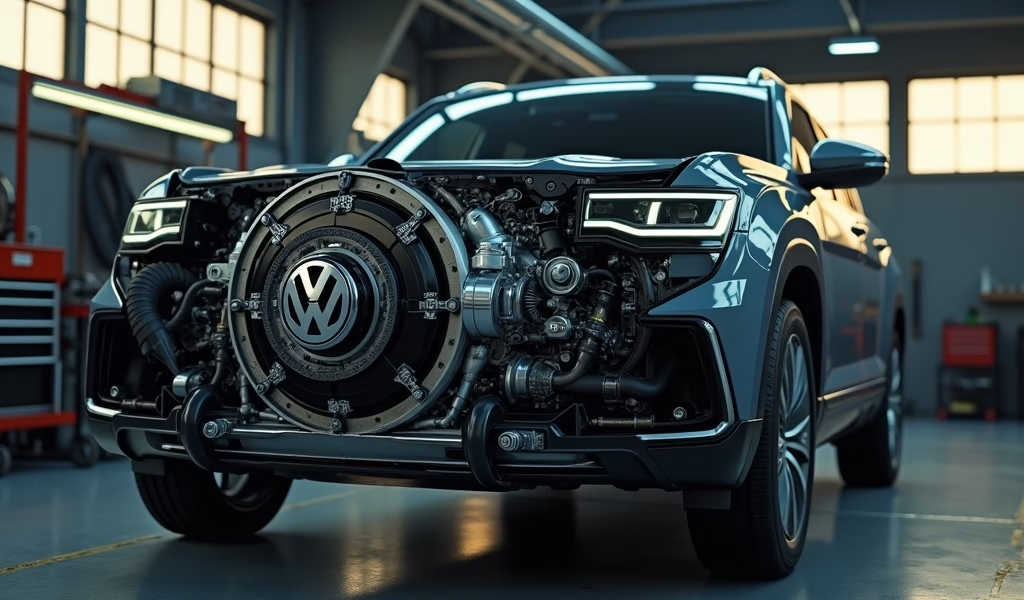
An ounce of prevention truly is worth a pound of cure when it comes to Atlas transmissions. Following these preventative measures can help you avoid costly repairs and extend transmission life significantly.
Follow the recommended transmission fluid change interval of 60,000-80,000 miles for normal driving conditions. If you frequently tow, drive in mountainous terrain, or experience extreme temperatures, consider changing fluid more frequently—around every 40,000 miles instead.
Always use the correct transmission fluid specified by Volkswagen. The Atlas requires a specific fluid formulation—using incorrect fluid, even if high quality, can cause serious damage. When in doubt, consult your owner’s manual or ask your dealer for the exact specification.
Have software updates performed during regular service visits. Volkswagen periodically releases transmission control module updates that improve shifting performance and prevent premature wear. These updates are often free under warranty and inexpensive even for out-of-warranty vehicles.
Adopt driving habits that reduce transmission strain:
- Allow your vehicle to warm up before demanding driving
- Accelerate gradually rather than aggressively
- Come to complete stops before shifting between Drive and Reverse
- Use lower gears when driving downhill instead of riding the brakes
- Observe towing capacity limits carefully
Consider installing an auxiliary transmission cooler if you frequently tow or drive in hot climates. These affordable additions (typically $100-300 installed) can dramatically reduce transmission operating temperatures, extending fluid life and component durability.
Have your transmission inspected during regular service intervals. A qualified technician can spot developing issues—like small leaks or unusual wear patterns—before they become expensive problems. This proactive approach costs little but can save thousands.
Repair Options and Costs
When transmission problems do arise, understanding your repair options helps you make informed decisions. As a mechanic who’s helped countless Atlas owners navigate these waters, I can tell you costs vary tremendously based on the specific issue.
Minor repairs like replacing shift solenoids, sensors, or addressing small fluid leaks typically range from $400-800. These repairs generally don’t require removing the transmission and can often resolve shifting issues when caught early.
Moderate repairs including valve body replacement or torque converter issues usually cost between $1,200-2,500. These repairs require partial transmission disassembly but not complete rebuilding or replacement.
Complete transmission replacement represents the most expensive option, typically costing:
- Remanufactured transmission: $3,500-5,000 installed
- New factory transmission: $5,000-7,000 installed
- Rebuilt transmission: $3,000-4,500 installed
When weighing repair options, consider your vehicle’s age, mileage, and overall condition. For newer Atlas models with low mileage, factory new or remanufactured transmissions often make the most sense despite higher upfront costs. For higher-mileage vehicles, quality rebuilt units offer good value with reasonable warranties.
Extended warranty coverage becomes valuable when facing transmission issues. If your Atlas is still covered, ensure you follow proper claim procedures—typically requiring diagnosis at authorized facilities. For vehicles approaching warranty expiration, consider manufacturer extended coverage or reputable third-party warranties that specifically cover transmission components.
Always get multiple estimates before proceeding with major transmission work. Prices can vary by 30% or more between shops for essentially identical services. Look for specialists with specific experience with Volkswagen automatic transmissions rather than general repair facilities.
DIY vs. Professional Transmission Service
Modern Atlas transmissions are sophisticated systems with limited DIY-friendly maintenance options. As someone who’s seen the results of well-intentioned but unsuccessful home repairs, I can help you understand what’s reasonable to tackle yourself versus when to call the professionals.
Tasks reasonable for DIY-minded owners include:
- Visual inspections for fluid leaks
- Checking transmission mounts for damage
- Monitoring fluid condition (though this requires special tools)
- Managing driving habits to reduce transmission strain
Tasks requiring professional assistance include:
- Transmission fluid changes (the Atlas lacks a traditional dipstick and requires special filling procedures)
- Diagnosis of shifting problems or unusual noises
- Software updates or reprogramming
- Any internal transmission repairs
When selecting a professional for transmission work, consider specialized transmission shops with Volkswagen experience rather than general repair facilities. The best shops will have factory-equivalent diagnostic equipment, access to technical service bulletins, and experience with Atlas-specific concerns.
Questions to ask potential repair shops include:
- What diagnostic approach will you use?
- Is this a common issue for Atlas models?
- What are my repair options beyond complete replacement?
- What warranty comes with the repair?
- Can you provide references from other Atlas owners?
The expertise gap between DIY and professional service is particularly wide with modern transmissions. Even experienced home mechanics often lack the specialized equipment needed to properly diagnose and repair these complex systems. According to ATRA (Automatic Transmission Rebuilders Association), transmission diagnosis requires equipment costing tens of thousands of dollars to perform properly.
Conclusion
Your Volkswagen Atlas transmission deserves attention and care to provide the reliable service your family depends on. By understanding warning signs, maintaining proper service intervals, and addressing minor issues promptly, you can avoid most catastrophic failures and extend transmission life significantly.
Remember that prevention is always less expensive than cure when it comes to transmissions. The modest cost of regular fluid changes and inspections pales in comparison to major repairs or replacement. Adopting mechanical-sympathy in your driving habits costs nothing yet pays significant dividends in transmission longevity.
When problems do arise, don’t panic—but don’t delay either. Most transmission issues provide warning signs well before complete failure, giving you time to make informed decisions about repairs. Finding a qualified specialist with Atlas experience gives you the best chance of accurate diagnosis and appropriate repairs.
Your Atlas was designed to provide years of reliable family transportation. With proper care and attention to its transmission needs, it can fulfill that promise while avoiding unnecessary repair expenses. A well-maintained Atlas transmission should easily last 150,000+ miles—often the lifetime of the vehicle for most owners.
Frequently Asked Questions
How often should I change the transmission fluid in my Volkswagen Atlas?
Volkswagen recommends changing the transmission fluid every 60,000-80,000 miles under normal conditions. Consider more frequent changes (every 40,000 miles) if you regularly tow, drive in mountainous areas, or experience extreme temperatures.
How much does it cost to replace an Atlas transmission?
Complete transmission replacement typically costs between $3,500-7,000 depending on whether you choose rebuilt, remanufactured, or new. Dealer prices generally run 20-30% higher than independent transmission specialists.
What are the first signs of transmission problems in a Volkswagen Atlas?
Early warning signs include delayed shifting, unusual noises (whining or clunking), jerky gear changes, and burning odors after driving. Any check engine light accompanied by shifting changes also warrants immediate attention.
Can I check the transmission fluid level myself?
The Atlas uses a sealed transmission without a traditional dipstick, making DIY fluid checks difficult. Proper level checks require a scan tool to monitor fluid temperature while following a specific procedure best performed by professionals.
Are Atlas transmissions covered under warranty?
Volkswagen’s powertrain warranty covers transmission components for 6 years/72,000 miles on 2018-2019 models and 4 years/50,000 miles on 2020+ models. Some dealerships offer goodwill repairs slightly beyond warranty periods for known issues.