

Overview
Those tiny rubber tubes under your hood might seem insignificant, but vacuum hoses are the unsung heroes of your engine that control everything from brake boosters to emissions systems, with their failure causing a cascade of mysterious performance issues that can empty your wallet. Regular inspection of these humble components—which typically last 5-7 years before degrading—can prevent expensive diagnostic fees and repairs, potentially saving you hundreds of dollars annually compared to the mere $30-75 in parts for proactive DIY replacement.
Table of Contents
- Understanding Vacuum Hoses: The Unsung Heroes of Your Engine
- Why Regular Vacuum Hose Inspection Matters
- Warning Signs of Vacuum Hose Problems
- DIY Vacuum Hose Inspection: A Step-by-Step Guide
- Replacement Tips and Best Practices
- Preventive Maintenance: Saving Money in the Long Run
- Conclusion: Don’t Let Small Hoses Cause Big Problems
- Frequently Asked Questions
Understanding Vacuum Hoses: The Unsung Heroes of Your Engine
Vacuum hoses might be among the most overlooked components in your vehicle, but don’t let their humble appearance fool you. These small rubber tubes play a crucial role in your engine’s performance and overall vehicle operation. When working properly, you’ll never even think about them. When they fail, though, they can cause a cascade of puzzling problems that might leave even experienced mechanics scratching their heads.
I’ve spent over two decades under the hood, and I can’t count how many times I’ve solved mysterious engine issues by simply finding and fixing a cracked vacuum hose. These flexible rubber lines create the necessary pathways for vacuum pressure (that’s negative air pressure) to control various components throughout your vehicle.
In modern vehicles, vacuum hoses control everything from your brake booster to fuel pressure regulators and emissions systems. They’re essentially the nervous system of your engine, silently doing their job until something goes wrong. A thorough car diagnostic check often reveals vacuum issues at the root of performance problems.
Most vacuum hoses are made of rubber or silicone, designed to withstand engine heat and maintain flexibility over time. However, like any rubber component, they eventually degrade, crack, and fail. The typical lifespan ranges from 5-7 years, though this varies dramatically based on your climate, driving habits, and the hose’s proximity to heat sources.
Why Regular Vacuum Hose Inspection Matters
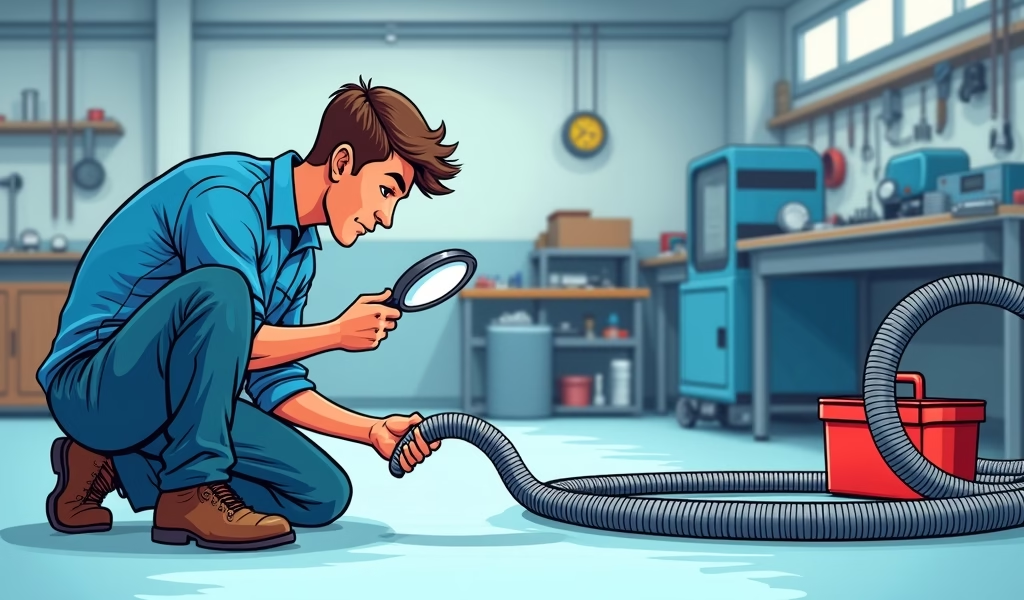
You might be wondering, “If these hoses are so important, why doesn’t my mechanic check them at every service?” The truth is, vacuum hoses often fall into the “if it ain’t broke, don’t fix it” category. Many shops won’t inspect them thoroughly unless you’re experiencing specific problems or request the service.
Regular inspection matters for several compelling reasons:
- Prevent performance issues before they start
- Avoid costly diagnostic fees for mysterious problems
- Maintain optimal fuel economy
- Ensure proper emissions system operation
- Extend the life of related components
A failed vacuum hose can mimic various serious engine problems, leading to unnecessary parts replacements and repairs. I’ve seen folks spend hundreds on new sensors, fuel injectors, or even catalytic converters when the real culprit was a 50-cent piece of rubber hose.
According to research from Car and Driver, proactive maintenance like vacuum hose inspection can save drivers an average of $817 annually compared to reactive repair approaches. That’s the difference between a cheap preventive fix and an expensive roadside breakdown.
Warning Signs of Vacuum Hose Problems
Your car has ways of telling you when vacuum hoses are failing, if you know what to look for. Here are the most common symptoms that should prompt a closer inspection:
- Rough idle or stalling, especially when the engine is warm
- Decreased fuel economy (often 10-20% worse than usual)
- Check engine light illumination
- Hissing sounds from the engine bay
- Hard brake pedal (if the brake booster vacuum line is affected)
- Erratic idle speed that fluctuates up and down
- Failed emissions tests with “lean condition” codes
One of the most distinctive signs is a change in engine sound when you spray a bit of starting fluid or carburetor cleaner near suspected leak areas. If the engine momentarily speeds up or smooths out, you’ve found your leak. Just be extremely careful with these flammable sprays around a hot engine!
The tricky part about vacuum leaks is they often worsen as the engine warms up. The rubber expands with heat, making cracks larger and more problematic. This explains why many vacuum-related issues seem to disappear when you take your car to the mechanic, only to return once you’re back on the road. The engine troubleshooting process needs to account for these temperature-dependent behaviors.
Engine codes like P0171, P0174 (system too lean), P0401 (insufficient EGR flow), or P0420 (catalyst system efficiency) frequently point to vacuum system problems. These should be taken as early warning signs worth investigating before more expensive components suffer damage.
DIY Vacuum Hose Inspection: A Step-by-Step Guide
The good news is you don’t need advanced mechanical skills to inspect your vacuum hoses. With some basic tools and a methodical approach, you can perform this check in your driveway in about 30-45 minutes. Here’s how:
What You’ll Need
- Flashlight (preferably a headlamp for hands-free work)
- Spray bottle with soapy water solution
- Small mirror on an extension handle
- Clean shop rags
- Your vehicle’s vacuum diagram (check repair manuals or online resources)
The Inspection Process
First, ensure your engine is completely cool before beginning. Hot engines not only pose burn risks but make rubber hoses expand, potentially hiding smaller cracks.
Start by visually inspecting all visible vacuum hoses. Look for:
- Cracks or splits in the rubber
- Hardened, brittle sections that have lost flexibility
- Soft, spongy areas (often indicating oil contamination)
- Loose connections at component attachment points
- Collapsed sections or pinched areas
Pay special attention to areas near heat sources like the exhaust manifold or turbocharger. These hoses deteriorate faster due to the higher temperatures. Also check hoses that make sharp bends or connect to frequently-used components like the brake booster.
For a more thorough check, start the engine (in a well-ventilated area) and listen carefully for hissing sounds that indicate leaks. The spray bottle with soapy water can help locate invisible leaks – spray a small amount on suspected areas and watch for bubbles forming, which indicate escaping air.
Don’t forget to check vacuum hoses connected to these common components:
- Brake booster (large round canister on the firewall)
- EGR valve
- Fuel pressure regulator
- Purge valve/canister
- PCV valve
- MAP/MAF sensors
- HVAC controls (especially if climate control functions are acting up)
If you’re comfortable with more advanced diagnostics, a smoke machine can be rented from many auto parts stores. These devices pump harmless smoke into the vacuum system, making leaks immediately visible as smoke escapes. Professional mechanics rely on this method for tricky vacuum leaks, as Motor Magazine explains in their diagnostic guide.
Replacement Tips and Best Practices
If your inspection reveals problematic hoses, replacement is straightforward and inexpensive. Here’s how to do it right:
Selecting the Right Hoses
Always match the original diameter of your vacuum hoses. Most automotive vacuum hoses come in standard sizes:
- 3/32 inch (2.4mm)
- 1/8 inch (3.2mm)
- 5/32 inch (4mm)
- 3/16 inch (4.8mm)
- 1/4 inch (6.4mm)
For most standard applications, regular vacuum hose from any auto parts store will work fine. However, for areas exposed to high heat (near the exhaust manifold) or fuel vapors (near the fuel rail), invest in silicone vacuum hose or specialized high-temp hose. The few extra dollars are worth it for the extended lifespan.
Before removing old hoses, I always recommend taking clear photos from multiple angles or drawing a diagram. Vacuum systems can be complex, and routing matters. A misconnected vacuum hose can cause performance problems just as serious as a cracked one.
Removal and Installation
When removing old hoses, be gentle with the plastic or metal fittings they connect to. These can break easily, turning a simple hose replacement into a much bigger job. A slight twisting motion while pulling often works better than straight pulling.
Cut new hoses slightly longer than the ones you’re replacing – about 1/4 inch per end. This provides a stress-free fit and prevents pulling or stretching that can lead to premature failure.
Ensure hoses are pushed fully onto their fittings – at least 1/2 inch engagement for secure connection. For critical connections, consider using small hose clamps, especially in high-performance applications.
After replacement, start the engine and check for proper operation of all affected systems. Listen carefully for any remaining hissing sounds that might indicate you missed a leak.
Preventive Maintenance: Saving Money in the Long Run
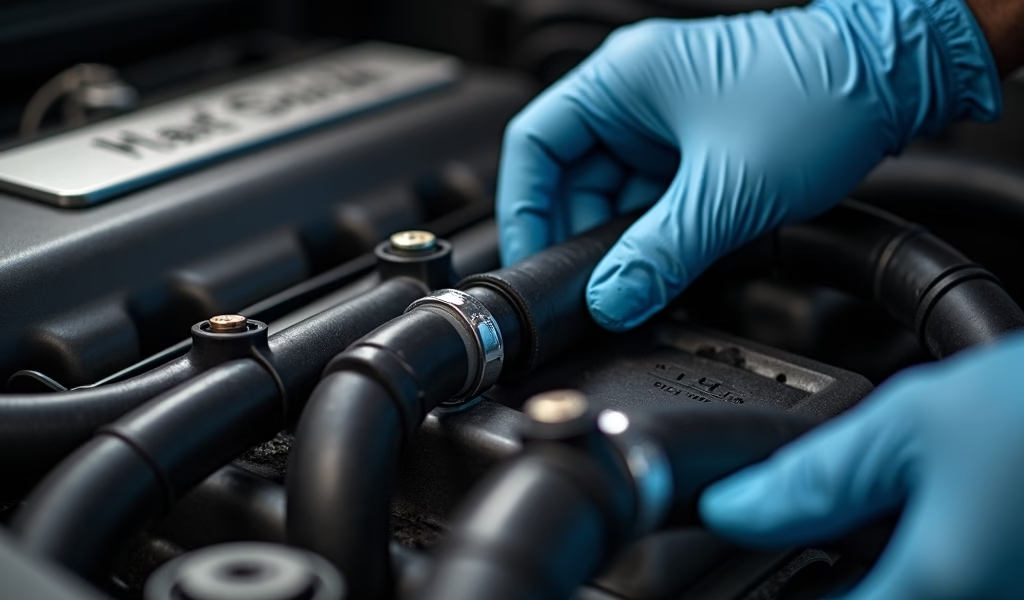
The smartest approach to vacuum hoses is preventive replacement before they fail. Many savvy owners include a complete vacuum hose refresh as part of their 100,000-mile maintenance routine. This proactive strategy typically costs $30-75 in parts if you do it yourself, or $150-300 if you have a shop handle it.
Compare that to the potential costs when vacuum leaks cause problems:
- Diagnostic fees: $75-150 (often multiple visits)
- Failed emissions tests and repairs: $200-500
- Towing due to breakdown: $75-250
- Decreased fuel economy: $100-300 annually
- Damage to oxygen sensors or catalytic converter: $350-1,200
The math makes the case for prevention pretty compelling. Following essential car maintenance tips like regular vacuum system checks can save substantial money over your vehicle’s lifetime.
For even better protection, consider these maintenance practices:
- Keep your engine bay clean – oil and grime accelerate rubber deterioration
- Add vacuum hose inspection to your annual maintenance checklist
- Replace any questionable hoses immediately rather than waiting for failure
- Consider complete vacuum hose replacement every 7 years or 100,000 miles
- Use silicone hoses in critical applications for extended lifespan
If you’re maintaining a higher-mileage vehicle, consider replacing all accessible vacuum hoses in a single session rather than one at a time as they fail. The labor saved and headaches prevented make this approach worthwhile, as Consumer Reports notes in their maintenance guide.
Conclusion: Don’t Let Small Hoses Cause Big Problems
Vacuum hoses may be among the least expensive components in your vehicle, but their impact on performance, reliability, and operating costs is enormous. Taking the time to inspect these humble rubber lines can save you from frustrating breakdowns, expensive repairs, and that sinking feeling when your check engine light illuminates on a road trip.
Remember that proactive maintenance almost always costs less than reactive repairs. A systematic inspection of your vacuum hoses takes less than an hour but can prevent days of headaches and hundreds in unnecessary repair bills.
Whether you’re a DIY enthusiast or prefer professional service, make vacuum hose inspection part of your regular maintenance routine. Your engine, your wallet, and your peace of mind will thank you for it.
Frequently Asked Questions
How often should vacuum hoses be inspected?
Vacuum hoses should be visually inspected at least once a year or every 15,000 miles. If your vehicle is older than 5 years, increase the frequency to twice yearly to catch deterioration before it causes problems.
Can I drive with a vacuum leak?
While you can technically drive with a minor vacuum leak, it’s not recommended for extended periods. A vacuum leak will decrease fuel economy, potentially damage other components, and might leave you stranded if it affects critical systems like power brakes.
How much does it cost to replace vacuum hoses?
DIY vacuum hose replacement typically costs $20-75 in materials depending on your vehicle. Professional replacement usually runs $150-300 including labor, though complex systems in luxury vehicles may cost more.
Will a vacuum leak trigger a check engine light?
Yes, vacuum leaks commonly trigger check engine lights with codes related to lean running conditions (P0171/P0174) or improper EGR flow (P0401). Modern engine management systems are sensitive to the air-fuel ratio disruptions caused by vacuum leaks.
What’s the best way to find a hidden vacuum leak?
The most effective method for finding hidden vacuum leaks is using a smoke machine, which can be rented from many auto parts stores. Alternatively, listen for hissing sounds with the engine running or spray suspected areas with soapy water to look for bubbles.