
Overview
Forget the cool factor—window tint is essentially battle armor for your car, with options ranging from top-tier ceramic films that block 99% of UV rays to budget-friendly dyed variants that’ll fade faster than your summer tan. This guide breaks down five main window tint types (ceramic, carbon, metallized, dyed, and hybrid), explaining their heat rejection capabilities, appearance differences, and price points to help drivers select the right option based on their climate, budget, and electronic needs.
Table of Contents
- Understanding Window Tint: More Than Just Aesthetics
- 5 Key Benefits of Window Tinting
- Ceramic Window Film: Premium Protection
- Carbon Window Film: The Reliable Middle-Ground
- Metallized Window Film: Reflective Defense
- Dyed Window Film: Budget-Friendly Option
- Hybrid Window Film: Best of Both Worlds
- Choosing the Right Tint for Your Vehicle
- Installation and Maintenance Tips
- Conclusion
- Frequently Asked Questions
Understanding Window Tint: More Than Just Aesthetics
When it comes to types of tint for your vehicle, we’re talking about much more than just making your ride look cool. As someone who’s spent 20+ years working with automotive glass and protection systems, I can tell you window films are essentially a suit of armor against the sun’s invisible assault.
Window tint is a thin film applied to glass surfaces that blocks various types of light radiation. Quality window films protect your car’s interior from UV damage while significantly reducing heat buildup – something your posterior will thank you for on those scorching summer days.
“Window tinting is one of the most cost-effective vehicle upgrades you can make,” explains Dr. Sarah Jenkins, automotive materials specialist at the Vehicle Protection Institute. “Modern films can block up to 99% of UV radiation while rejecting significant heat, all without necessarily making your windows appear dark.”
Before diving into specific types, let’s understand what we’re measuring. When browsing window tints, you’ll encounter these terms:
- VLT (Visible Light Transmission): The percentage of visible light allowed through the film
- IRR (Infrared Rejection): How effectively the film blocks heat-carrying infrared rays
- UV Rejection: The percentage of harmful ultraviolet rays blocked
- TSER (Total Solar Energy Rejected): The overall effectiveness at blocking all solar energy
Lower VLT percentages mean darker tint (15% is quite dark, 70% is very light), while higher rejection numbers indicate better protection. Now, let’s explore your options for keeping your car cool and protected.
5 Key Benefits of Window Tinting
Before we dive into the specific types of tint available, let’s talk about why you might want to consider window tinting in the first place. As a car care professional, I’ve seen firsthand how proper window film transforms the driving experience.
First, quality window film blocks 99% of harmful UV rays. This isn’t just about preventing your dashboard from cracking and upholstery from fading – it’s about protecting your skin. The Skin Cancer Foundation reports that drivers receive more sun damage on their left side due to exposure through car windows.
Second, good tint dramatically reduces interior heat. Tests show that quality films can reduce interior temperatures by up to 60°F during peak summer conditions. This means less reliance on your AC system, improved fuel economy, and no more scorching seat belt buckles.
Third, window film enhances privacy and security. It makes it harder for potential thieves to see valuables inside your vehicle, and some higher-end films even make your windows more shatter-resistant.
Fourth, properly installed window film reduces glare, making driving safer and more comfortable, especially during sunrise/sunset hours or when facing oncoming headlights.
Finally, let’s not ignore the aesthetic factor. A professionally installed window tint gives your vehicle that sleek, finished look that stands out in any parking lot. Think of it as detailing your car from the inside out.
Ceramic Window Film: Premium Protection
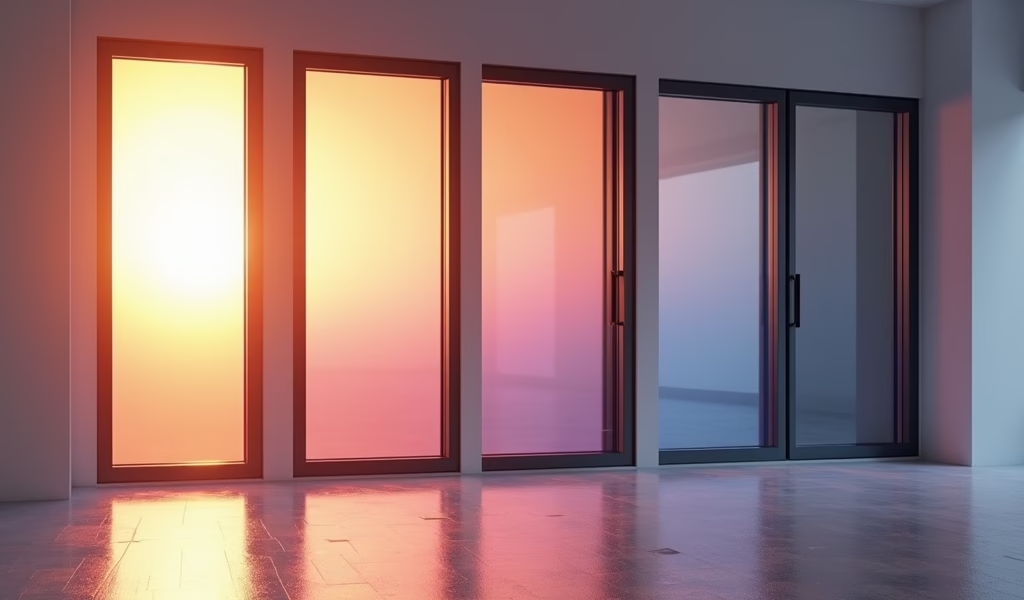
Ceramic window film sits at the pinnacle of window tinting technology. Unlike other options, ceramic tint contains nano-ceramic particles that block heat without using metals or dyes. This technological marvel provides exceptional performance without interfering with electronic signals or sacrificing clarity.
In my 20+ years working on vehicles, ceramic films consistently deliver the best results for discerning car owners. The ceramic particles work by absorbing and dispersing heat rather than simply reflecting it, creating a more comfortable interior environment even in extreme conditions.
The advantages of ceramic film are substantial:
- Superior heat rejection (up to 80% of infrared heat)
- Exceptional clarity with minimal darkening
- Zero signal interference with electronics
- Outstanding durability (10+ year lifespan)
- No metal content to cause corrosion or electronic interference
“Ceramic film represents the biggest advancement in window film technology we’ve seen in decades,” says Tom Wilson, master installer at Elite Automotive Protection. “The nano-ceramic particles create a barrier that’s remarkably effective at blocking heat without compromising visibility or electronic functionality.”
Of course, premium performance comes with premium pricing. Expect to pay $300-$800 for a complete vehicle, depending on your location and specific product. However, considering the extended lifespan and superior performance, ceramic film offers excellent value for those who can make the initial investment.
Ceramic films are ideal for luxury vehicles, cars with sophisticated electronics, and anyone who wants maximum protection without an overly dark appearance. You can even get virtually clear ceramic films that block significant heat – perfect for windshields and front windows where darker tints may be illegal.
Carbon Window Film: The Reliable Middle-Ground
Carbon window film represents the sweet spot for many car owners – offering impressive performance at a more accessible price point than ceramic options. As someone who’s installed thousands of tint jobs, I often recommend carbon film as the best balance of quality and value.
Carbon film contains thousands of tiny carbon particles embedded in the film’s layers. These carbon particles effectively absorb heat instead of just reflecting it, giving carbon tints their distinctive non-reflective, matte appearance that many drivers prefer.
The benefits of carbon film include:
- Excellent heat rejection (40-60% of infrared heat)
- Non-reflective, matte finish that won’t interfere with visibility
- Good longevity without fading or turning purple
- No metal content to interfere with electronic signals
- Mid-range pricing ($200-$400 for most vehicles)
Carbon films perform particularly well in moderate to hot climates where heat reduction is important but extreme heat rejection isn’t essential. The matte finish also complements darker vehicles and gives a subtle, sophisticated appearance many car enthusiasts prefer.
When detailing your vehicle after installing carbon film, you’ll appreciate how the non-reflective finish minimizes fingerprints and smudges compared to more reflective options. This makes maintenance easier and keeps your windows looking cleaner longer.
For most daily drivers and family vehicles, carbon window film hits the perfect balance – not too expensive, excellent performance, and a clean, understated appearance that enhances rather than dominates your vehicle’s aesthetics.
Metallized Window Film: Reflective Defense
Metallized window film incorporates tiny metal particles (usually aluminum) that excel at reflecting heat away from your vehicle. Think of metallized film as a mirror for infrared radiation – bouncing heat away before it can enter your car’s interior.
In my years working with various tint materials, metallized films have always impressed me with their reflective capabilities. The metal content gives these films their distinctive, somewhat shiny appearance that’s immediately recognizable.
Key advantages of metallized window film include:
- Excellent heat reflection (rejects 30-50% of solar heat)
- Enhanced window strength and shatter resistance
- Good longevity compared to dyed films
- Distinctive, somewhat reflective appearance
- Generally affordable ($150-$300 for most vehicles)
However, there are important considerations with metallized films. The metal content can interfere with electronic signals including cell phones, GPS systems, and radio reception. For newer vehicles with numerous electronic systems, this can be problematic.
Additionally, some jurisdictions have restrictions on highly reflective window films, so check your local regulations before installation. The reflective properties that make these films effective at heat rejection can also create visibility issues for other drivers in certain lighting conditions.
Metallized films are particularly well-suited for extremely sunny climates where maximum heat reflection is the priority. They’re also a good choice for older vehicles without sophisticated electronics or for drivers who prioritize the distinctive, reflective appearance.
Dyed Window Film: Budget-Friendly Option
Dyed window film is the entry-level option in the window tint family, but that doesn’t mean it should be dismissed. As someone who started my career installing primarily dyed films, I can tell you they still offer significant advantages over untinted windows.
Dyed films work by absorbing solar heat through layers of dye particles embedded in the film. While not as effective as ceramic or carbon options, they still provide meaningful heat reduction and excellent privacy at a price point that makes quality tinting accessible to everyone.
The benefits of dyed window film include:
- Most affordable option ($100-$200 for complete vehicles)
- Excellent privacy due to non-reflective darkness
- Good glare reduction for safer driving
- Various darkness levels available
- No signal interference with electronics
The primary drawbacks of dyed film are its shorter lifespan and less effective heat rejection. Dyed films typically last 3-5 years before showing noticeable fading, often turning purple as the dyes break down from sun exposure. They also absorb heat rather than reflecting it, which means some of that heat radiates into the vehicle’s interior.
Dyed films are ideal for budget-conscious drivers, those who prioritize privacy over heat rejection, and vehicles in moderate climates where extreme heat isn’t a daily concern. They’re also a good option for secondary vehicles or if you plan to upgrade or sell your vehicle within a few years.
When properly installed, dyed films can still provide a clean, finished appearance. Just be prepared to replace them more frequently than premium options if you want to maintain optimal appearance and performance.
Hybrid Window Film: Best of Both Worlds
Hybrid window films represent an intelligent middle ground, combining dye and metallic technologies to create a product that addresses the limitations of each. In my experience, hybrid films often provide the best value proposition for most drivers.
By combining the non-reflective appearance of dyed film with the heat-reflecting properties of metallized film, hybrids deliver good heat rejection without excessive reflectivity or signal interference. The metal content is significantly reduced compared to fully metallized films, minimizing electronic interference while still enhancing heat rejection.
The advantages of hybrid window film include:
- Better heat rejection than dyed films (40-50% heat reduction)
- Less signal interference than fully metallized options
- Balanced appearance with minimal reflectivity
- Good longevity (5-7 years typically)
- Reasonable pricing ($150-$250 for most vehicles)
When customers ask me for a recommendation that won’t break the bank but still performs well, hybrid films are often my go-to suggestion. They represent the “Goldilocks zone” of window tinting – not too expensive, not too cheap, with performance that’s just right for most applications.
Hybrid films work particularly well for daily drivers, family vehicles, and anyone seeking a balance between performance and value. They’re also a good option if you want some of the benefits of metallized film without worrying about signal interference with your electronics.
For the average driver who wants quality protection without premium pricing, hybrid films hit the sweet spot of performance, appearance, and value.
Choosing the Right Tint for Your Vehicle
Selecting the right window tint isn’t a one-size-fits-all proposition. As a professional, I always ask customers about their priorities before making recommendations. Here are the key factors to consider when choosing the best film for your needs:
First, consider your climate. If you live in Phoenix, Miami, or other sun-baked regions, heat rejection should be your priority – ceramic or metallized films shine here. In moderate climates, carbon or hybrid films offer excellent performance at lower cost points.
Next, think about your budget. Be realistic about what you can afford, but remember that window tint is an investment in comfort and interior protection. I’ve seen too many customers return after cheap tint jobs turned purple within a year.
Your vehicle’s electronic systems matter too. Modern cars with advanced navigation, keyless entry, and cellular connectivity work best with ceramic or carbon films that won’t interfere with signals. Older vehicles can often use metallized films without issues.
Consider appearance preferences. Do you want that mirror-like, reflective look, or prefer a more subtle, matte finish? Metallized films provide that shiny appearance, while carbon films offer a sophisticated non-reflective finish. Dyed films give the darkest appearance for the money.
Finally, check your local regulations. Laws governing window tint darkness vary widely between jurisdictions. Most areas restrict darkness on front side windows and windshields. Professional shops know local regulations and can guide you toward legal options.
For most drivers seeking the best overall value, I recommend carbon or hybrid films. If budget allows, ceramic film offers unmatched performance. Budget-conscious customers can still get significant benefits from quality dyed films – just be aware of their limitations.
Whatever you choose, proper installation matters as much as the film itself. Even premium ceramic film will disappoint if poorly installed. Car care professionals have the tools and expertise to ensure bubble-free, precisely cut installation that maximizes both appearance and performance.
Installation and Maintenance Tips
Once you’ve selected your ideal window film, proper installation and maintenance are crucial to maximizing its performance and longevity. As someone who’s installed thousands of tint jobs, I can tell you that installation quality often matters more than the film itself.
Professional installation provides significant advantages over DIY kits. Professionals have the tools and techniques to ensure proper adhesion, precise cutting, and bubble-free application – especially around complex curved rear windows and dot-matrix patterns.
When selecting an installer, look for certification from film manufacturers and positive reviews specifically mentioning quality and durability. Ask to see examples of their work, particularly on vehicles similar to yours. A proper installation should be virtually invisible – no bubbles, gaps, or debris trapped under the film.
After installation, proper maintenance will extend your tint’s lifespan:
- Wait at least 3-7 days after installation before cleaning windows (follow installer recommendations)
- Use only ammonia-free cleaners and microfiber cloths
- Avoid abrasive materials that could scratch the film
- Clean gently, especially near edges where film could lift
- Don’t roll windows down fully until curing is complete
Mark Davis, master installer with 30 years of experience, emphasizes patience during the curing process: “The biggest mistake new customers make is rushing the curing process. Those tiny bubbles and haziness are normal during curing and will disappear as the adhesive fully sets – usually within 30 days in normal conditions.”
Quality window film properly maintained can last 5-15 years depending on the type, climate, and care. Ceramic films typically last longest, while dyed films require replacement sooner. Warning signs that it’s time to replace your tint include bubbling, purple discoloration, or peeling edges.
Conclusion
When it comes to types of tint, there’s no single “best” option – only the best option for your specific needs, vehicle, and budget. Whether you choose premium ceramic film for maximum performance or dyed film for affordable privacy, any quality window tint will enhance your driving experience.
Modern window films offer remarkable protection against heat and UV radiation while improving comfort, privacy, and vehicle appearance. The technology continues to advance, with ceramic and spectrally selective films providing levels of performance that were unimaginable just a decade ago.
As a long-time automotive professional, I’ve seen firsthand how proper window tinting transforms the driving experience for my customers. Beyond just looking good, quality window film is one of the most cost-effective investments you can make to protect your vehicle’s interior and enhance your comfort.
Remember that proper installation is just as important as the film you select. A professional installation ensures you’ll get the full benefit and longevity from your window film investment.
Whether you’re cruising through desert heat or simply want to protect your interior from premature aging, the right window tint makes every drive more comfortable and protects your vehicle for years to come. Your car takes care of you on the road – returning the favor with quality window protection is only sensible.
Frequently Asked Questions
How dark can I legally tint my windows?
Legal tint darkness varies by state and country, typically ranging from 20% to 70% VLT for front side windows. Check your local regulations as laws often differ for front windows, rear windows, and windshields.
Will window tint reduce my car’s interior temperature?
Yes, quality window tint can reduce interior temperatures by 15-60°F depending on the film type. Ceramic films provide the best heat rejection, followed by carbon and metalized options.
How long does window tint last?
Lifespan varies by film type: ceramic films last 10+ years, carbon and hybrid films 5-7 years, and dyed films 3-5 years. Climate, maintenance, and quality of installation significantly impact longevity.
Can I install window tint myself?
While DIY kits exist, professional installation ensures bubble-free application and proper adhesion, especially for complex curved windows. DIY installations often result in bubbles, debris inclusion, and premature peeling.
Will window tint interfere with my electronic devices?
Metallized films may interfere with GPS, cell signals, and electronic toll transponders. Ceramic, carbon, and dyed films have no metal content and won’t cause signal interference.