
Overview
Ever wondered why your neighbor’s car looks like it’s wearing a tuxedo while yours resembles a sweaty t-shirt after a marathon? This article explains different car paint textures (gloss, metallic, pearl, matte, and satin), offering maintenance tips for each type and guidance on when to DIY versus hiring professionals.
Table of Contents
- Understanding Car Paint Textures
- Common Types of Car Paint Textures
- Choosing the Right Paint Texture for Your Vehicle
- Paint Texture Maintenance: 5 Proven Tips for Lasting Shine
- Common Paint Texture Problems and Solutions
- Professional vs DIY: When to Call the Experts
- Conclusion
- Frequently Asked Questions
Understanding Car Paint Textures
When you run your hand across your car’s surface, that feeling beneath your fingertips isn’t just paint—it’s a carefully engineered texture that combines aesthetics with protection. As a professional who’s spent decades in auto body shops, I’ve seen how the types of paint textures cars feature can dramatically affect both appearance and longevity.
Car paint isn’t simply about color; it’s about how that color presents itself to the world. Is it glossy and mirror-like? Subtly matte? Perhaps it has a pearlescent shimmer that changes with the light? These variations aren’t just stylistic choices—they represent different paint formulations and application techniques that serve specific purposes.
The texture of your vehicle’s paint does more than just catch the eye. It creates the first line of defense against environmental hazards, from harsh UV rays to road salt and acidic rain. Understanding these textures helps you make informed decisions about your vehicle’s appearance and protection.
Most factory paint jobs include multiple layers: primer, basecoat, and clearcoat, creating what we call the paint system. Each layer contributes to the final texture you see and feel. Modern automotive paints have evolved significantly from the lacquers and enamels of yesteryear, offering improved durability while maintaining that head-turning shine many drivers desire.
Let’s dive deeper into the various textures available in today’s automotive market, and how you can maintain that showroom shine for years to come.
Common Types of Car Paint Textures
The automotive industry has developed a remarkable variety of paint textures over the decades. Each has distinctive characteristics that affect not just appearance but durability and maintenance requirements. Here’s a breakdown of the most common types of paint textures cars typically feature:
Gloss Finish
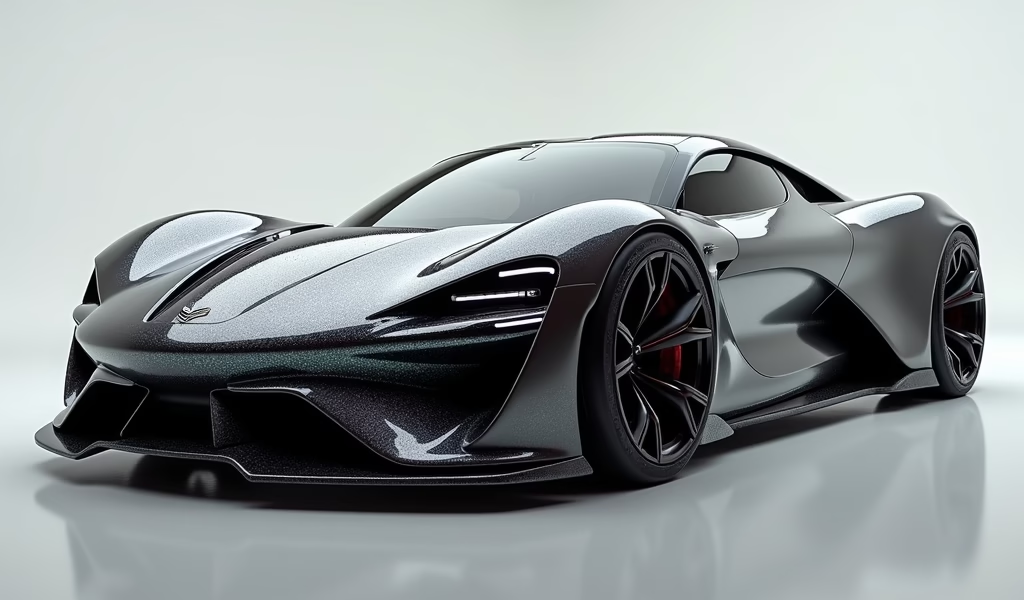
The classic high-shine finish is what most people envision when thinking about car paint. This smooth, reflective surface creates that mirror-like quality that showcases a vehicle’s lines and curves. Gloss finishes are achieved through multiple layers of clear coat that are polished to perfection.
What makes gloss finishes special is their ability to reflect light uniformly, creating that wet-look shine that’s been the industry standard for decades. While beautiful, these finishes do show scratches and swirl marks more readily than other textures. Most factory paint jobs feature a gloss finish, as it’s what consumers have traditionally expected.
Metallic Finish
Adding metal flakes to paint creates the distinctive sparkle of metallic finishes. These tiny particles—usually aluminum but sometimes other metals—reflect light in multiple directions, creating depth and dimension. When sunlight hits a metallic finish, you’ll notice a sparkle that plain gloss paints don’t offer.
Beyond aesthetics, metallic finishes have practical benefits. The reflective properties of metal flakes help disperse heat, potentially reducing sun damage over time. They also excel at hiding minor scratches and imperfections by breaking up the light that would otherwise reveal these flaws.
Pearl or Pearlescent Finish
Pearl finishes represent one of the more sophisticated options in automotive paint. Instead of metal flakes, these paints contain ceramic crystals (mica particles) that create an iridescent effect, shifting colors depending on viewing angle and lighting conditions.
The result is a paint job that seems to change color as you walk around the vehicle—a truly dynamic appearance that adds substantial visual interest. Learning car painting techniques for pearlescent finishes requires special skill, as the application process is more complex than standard paints.

Choosing the Right Paint Texture for Your Vehicle
Selecting the ideal paint texture goes beyond personal preference—though that certainly matters. Consider your driving environment, maintenance habits, and how long you plan to keep your vehicle. Each texture has its sweet spot in terms of use cases.
Matte Finish
The anti-gloss option has gained tremendous popularity in recent years. Matte finishes deliberately minimize reflection, creating a sophisticated, understated look. The surface contains microscopic imperfections that scatter light rather than reflecting it uniformly.
Be aware that matte finishes require specialized care. Traditional car washes and polishes can damage the texture by accidentally adding shine to areas meant to remain flat. Repairs also present challenges, as matching the exact level of matteness during touch-ups requires considerable expertise.
Satin Finish
If matte seems too extreme but high-gloss isn’t your style, satin finishes offer a middle ground. They provide a subtle luster without the full mirror effect of gloss paint. Think of it as a soft glow rather than a bright reflection.
Satin finishes have grown in popularity because they hide minor imperfections better than gloss while being more forgiving than matte in terms of maintenance. For those seeking a contemporary look without the high-maintenance requirements of matte, satin offers an excellent compromise.
Textured Finishes
Some specialized vehicles feature intentionally textured surfaces—think of the bedliner-style finishes on off-road vehicles or the “wrinkle” finishes sometimes used on performance parts. These textures serve functional purposes, providing increased grip, scratch resistance, or heat dissipation.
While less common for entire vehicles, textured finishes excel in specific applications where durability trumps smoothness. Their irregular surface makes them exceptionally resistant to showing scratches and minor damage, perfect for working vehicles or off-road applications.
According to Car and Driver’s research on automotive finishes, the paint texture you choose can affect everything from resale value to maintenance costs. Factory options typically provide the best value, but aftermarket textures can deliver unique benefits for specific needs.
Paint Texture Maintenance: 5 Proven Tips for Lasting Shine
Maintaining your car’s paint texture isn’t just about aesthetics—it’s about protecting your investment. Here are five field-tested methods to ensure your vehicle’s finish stays vibrant and protected for years to come:
1. Regular Washing with Proper Technique
The foundation of paint care starts with regular washing, but technique matters tremendously. Always use automotive-specific soap—never dish detergent, which strips protective waxes. Work from top to bottom using separate washing mitts for upper surfaces and lower areas (which collect more abrasive dirt).
For glossy finishes, the two-bucket method prevents swirl marks: one bucket with soapy water, another with clean rinse water to remove grit from your wash mitt. Matte and satin finishes require specialized products labeled specifically for those textures to avoid adding unwanted shine.
2. Protection Through Proper Waxing and Sealing
Different textures require different protection strategies. For gloss and metallic finishes, traditional carnauba waxes or synthetic sealants provide excellent protection while enhancing shine. Apply every 3-4 months for optimal protection against UV damage and contaminants.
For matte finishes, never use traditional wax! Instead, seek products specifically designed for matte paint that protect without adding shine. Car detailing step by step processes differ significantly between glossy and non-glossy finishes, so always verify product compatibility with your specific texture.
3. Addressing Contamination with Clay Bar Treatment
Even with regular washing, microscopic contaminants embed themselves in your paint’s surface—industrial fallout, tree sap, and airborne pollutants that washing alone can’t remove. This is where clay bar treatments prove invaluable.
A quality detailing clay, used with appropriate lubricant, safely lifts these particles without scratching. Run your hand across your paint after washing—if it feels rough rather than smooth as glass, it’s time for clay treatment. Most professionals recommend this process 2-3 times yearly for optimal results.
4. Paint Correction for Deeper Issues
When your paint texture shows swirls, light scratches, or oxidation, paint correction techniques can restore its original beauty. For glossy finishes, this typically involves carefully applied polishing compounds and machine buffing to level imperfections without removing excessive clear coat.
Matte and satin finishes present greater challenges for correction. Minor issues might be addressable with specialized products, but significant damage often requires professional intervention. Always test products on an inconspicuous area first, as improper correction can permanently alter your paint’s intended texture.
5. Environmental Protection Strategies
Preventing damage beats repairing it every time. When possible, park in garages or under cover to minimize UV exposure, which fades paint over time. Consider using a quality car cover when long-term outdoor parking is unavoidable.
Promptly address potentially damaging substances—bird droppings, tree sap, and industrial fallout contain acids that can etch through clear coat if left untreated. The Consumer Reports guide on paint preservation recommends immediate removal of these substances, regardless of your paint texture.
Common Paint Texture Problems and Solutions
Even with diligent care, paint textures can develop issues. Understanding these common problems and their solutions helps you address them before they become permanent damage:
Orange Peel Texture
This dimpled appearance resembles the skin of an orange and results from improper paint application. It’s more common in repaints than factory finishes. While mild orange peel is normal even in factory paint, excessive orange peel reduces gloss and can make cleaning more difficult.
The solution involves wet sanding followed by polishing—a process best left to professionals unless you have significant experience. Attempting DIY fixes risks burning through the clear coat, causing far more damage than the original texture issue.
Fading and Oxidation
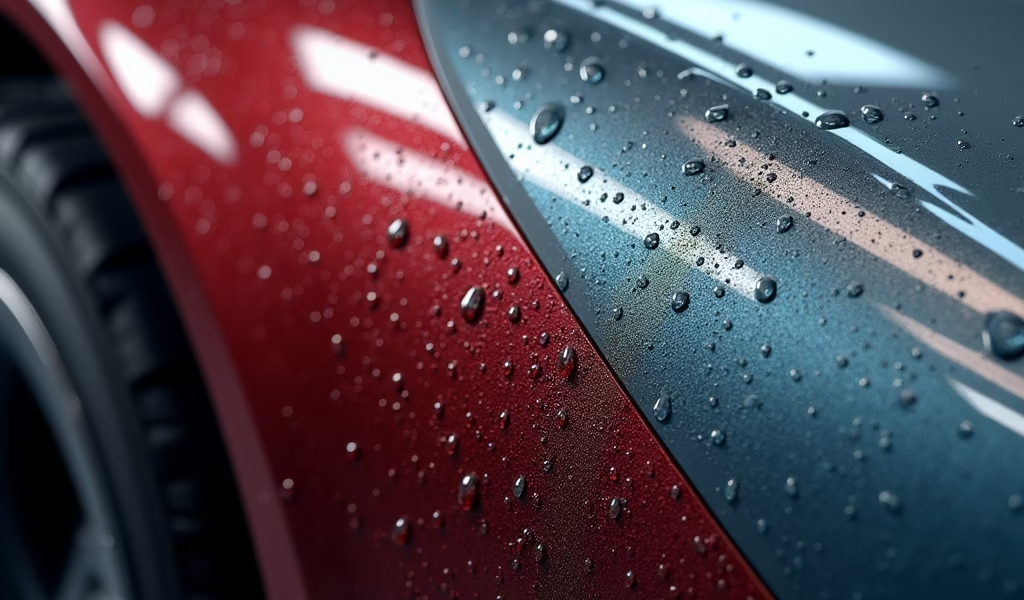
UV exposure eventually breaks down paint molecules, leading to fading and a chalky appearance called oxidation. Red and other bright colors tend to fade faster due to their pigment characteristics.
Minor oxidation can often be addressed through polishing, which removes the damaged surface layer. Severe cases may require repainting. Prevention through regular waxing and UV protectants extends color vibrancy significantly.
Clear Coat Failure
Modern automotive paints use a two-stage system: color base coat and protective clear coat. When the clear coat begins peeling or flaking, it exposes the vulnerable base coat underneath to rapid degradation.
Unfortunately, clear coat failure typically requires professional intervention. Partial panel repainting or complete refinishing might be necessary, as clear coat cannot simply be “touched up” effectively once failure begins. Early signs include cloudy patches or areas that won’t hold a shine despite polishing.
Texture Inconsistency After Repairs
After body repairs, achieving perfect texture match can challenge even skilled professionals. Differences in application technique or environmental conditions during painting can create noticeable variations in texture between original and repaired areas.
Quality body shops minimize this risk by carefully controlling painting environment and using texture-matching techniques like “blend panels,” where paint application extends into adjacent panels to create a gradual transition rather than an abrupt change in texture.
Professional vs DIY: When to Call the Experts
As someone who’s worked on thousands of vehicles, I appreciate a good DIY spirit—but I’ve also seen well-intentioned owners create costly damage. Here’s how to determine when to tackle paint texture maintenance yourself versus calling in professionals:
DIY-Appropriate Tasks
Many routine maintenance tasks are perfectly suitable for careful DIYers:
- Regular washing with proper techniques and products
- Waxing and sealing (with texture-appropriate products)
- Basic clay bar treatments
- Minor contaminant removal (tree sap, bird droppings)
- Application of protective films to high-impact areas
These tasks require minimal specialized equipment and present low risk when performed correctly. The Auto Geek detailing guides provide excellent step-by-step instructions for these maintenance procedures across different paint textures.
When to Call Professionals
Some situations clearly warrant professional expertise:
- Significant scratches penetrating beyond clear coat
- Paint correction on matte or satin finishes
- Clear coat failure or peeling
- Color matching and blending after repairs
- Texture restoration after improper care
Professional detailers and body shops have specialized equipment, controlled environments, and years of experience that allow them to address these more complex issues safely. The investment typically saves money compared to fixing DIY attempts gone wrong.
Cost-Benefit Analysis
Consider the value of your vehicle and your comfort level with potential mistakes. On a newer or high-value vehicle, professional services often provide peace of mind worth their cost. For older vehicles or those with already-compromised paint, DIY approaches might make more financial sense.
Remember that prevention costs far less than correction. Regular professional detailing (typically $200-500 annually) often proves less expensive than major paint correction ($1000+) or partial repainting ($2000+) needed after years of neglect.
Conclusion
The types of paint textures cars display represent more than aesthetic choices—they reflect engineering decisions that balance appearance, protection, and longevity. Whether you prefer the classic elegance of high gloss, the sophisticated understatement of matte, or the dynamic visual interest of pearl finishes, understanding your paint’s specific needs ensures it remains beautiful for years to come.
Remember that different textures demand different care approaches. What works perfectly for a glossy finish might permanently damage a matte texture. Always verify that your maintenance products and techniques align with your specific paint type.
The five proven maintenance strategies we’ve discussed—proper washing, appropriate protection, contamination removal, careful correction, and environmental safeguards—create a comprehensive approach to paint care that applies across all textures, with texture-specific modifications.
With regular attention and the right techniques, your vehicle’s paint can remain vibrant and protective far beyond what most owners experience. That gleaming finish isn’t just about pride (though that certainly matters)—it’s about preserving your vehicle’s value and protecting the substantial investment it represents.
Next time you run your hand across your car’s surface, you’ll have a deeper appreciation for the engineering behind that texture beneath your fingertips, and the knowledge to keep it looking its best for years to come.
Frequently Asked Questions
What determines the durability of different car paint textures?
Paint durability depends on clear coat thickness, UV inhibitors, and application quality. Factory finishes typically offer the best durability due to controlled application environments and properly cured paint systems.
Can I change my car’s paint texture without a complete repaint?
Vinyl wraps and ceramic coatings can alter appearance without repainting. Wraps can transform glossy paint to matte or satin temporarily, while certain ceramic coatings enhance gloss and depth.
How often should I wax different types of paint textures?
Gloss finishes benefit from waxing every 3-4 months, while metallic finishes may need treatment every 2-3 months. Matte and satin finishes should never receive traditional wax but require specialized sealants applied per manufacturer directions.
Why does my new car’s paint look different from panel to panel?
Slight variations in texture between panels often result from differences in application techniques or drying conditions during manufacturing. Most variations are within factory tolerances and not considered defects.
Are ceramic coatings worth the cost for protecting paint texture?
Professional ceramic coatings provide superior protection against environmental damage and make maintenance easier. They’re typically worth the investment for new vehicles or after fresh paint jobs when you plan to keep the vehicle long-term.