

Overview
Like a trusted workhorse that occasionally needs attention, the Toyota Sequoia’s transmission system can deliver 200,000+ miles of reliable service when properly maintained with regular fluid changes, proper driving habits, and prompt attention to warning signs like unusual noises, delayed engagement, or fluid leaks. Understanding the common issues affecting different model years—particularly the more problematic 2001-2004 models—and knowing when to attempt DIY maintenance versus seeking professional help can save Sequoia owners thousands in repair costs while significantly extending transmission life.
Table of Contents
- Understanding Toyota Sequoia Transmission
- Common Toyota Sequoia Transmission Issues
- Warning Signs of Toyota Sequoia Transmission Problems
- Preventing Toyota Sequoia Transmission Failures
- DIY Maintenance Tips for Your Sequoia Transmission
- When to Seek Professional Help
- Cost-Saving Strategies for Transmission Repairs
- Conclusion
- Frequently Asked Questions
Understanding Toyota Sequoia Transmission
The Toyota Sequoia transmission system is the unsung hero of this robust SUV, quietly transferring power from the engine to the wheels. As a mechanic with over 15 years of experience working on these vehicles, I’ve seen firsthand how a well-maintained transmission can extend the life of your Sequoia significantly. But I’ve also witnessed the heartbreak when owners face unexpected transmission failures and the steep repair bills that follow.
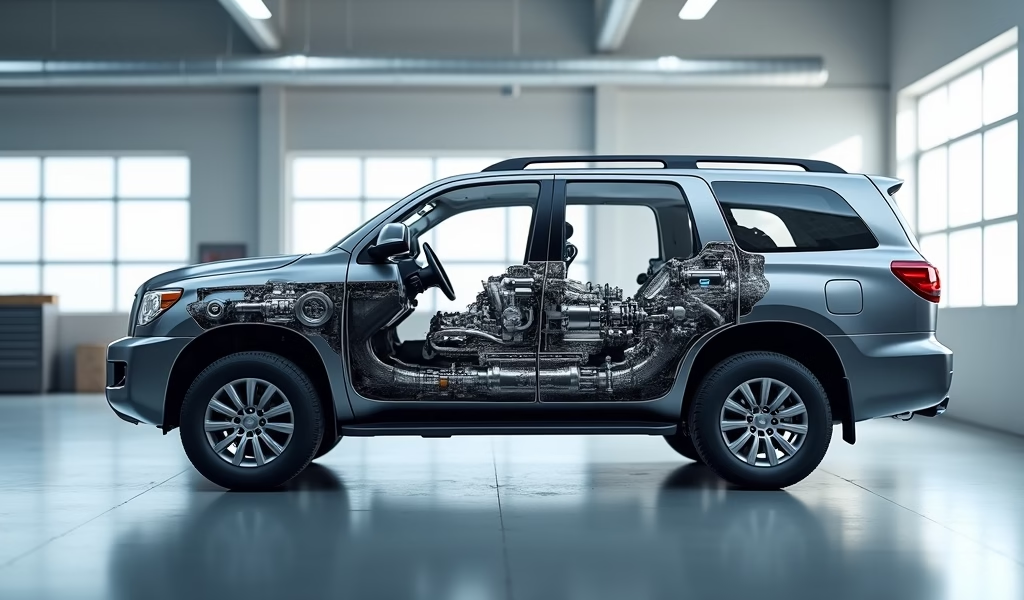
Toyota Sequoia models typically come equipped with either a 5-speed or 6-speed automatic transmission, depending on the year. The earlier models (2000-2007) featured the A750F 5-speed automatic, while later generations (2008 and newer) received the more refined AB60F 6-speed automatic transmission. Both are robust systems designed for heavy-duty performance, handling the Sequoia’s towing capacity and off-road capabilities.
Despite Toyota’s reputation for reliability, the Sequoia’s transmission isn’t immune to problems. Understanding how this complex system works is your first step in avoiding costly repairs. The transmission fluid serves as both a lubricant and coolant, protecting gears and other components from excessive wear and heat damage. When this fluid degrades or components wear down, issues begin to surface.
Let’s explore what makes the Sequoia transmission unique before diving into common problems. Unlike many modern vehicles that use continuously variable transmissions (CVTs), the Sequoia sticks with a traditional automatic with planetary gearsets. This design choice provides better durability for towing and hauling – precisely what Sequoia owners need. The transmission works in harmony with the transfer case in 4WD models, adding another layer of complexity to the transfer case maintenance requirements.
Common Toyota Sequoia Transmission Issues
After working on countless Toyota Sequoia transmissions, I’ve identified several recurring issues that owners should watch for. Being aware of these common problems can help you catch them early – before they lead to complete transmission failure and a repair bill that might make you wince.
Torque converter problems tend to be the most prevalent issue in older Sequoia models. The torque converter acts as the coupling between the engine and transmission, and when it fails, you might notice shuddering or vibrations, particularly when accelerating from a stop. This issue is often related to the lockup solenoid or deteriorated transmission fluid that’s lost its friction-modifying properties.
Valve body complications are another frequent culprit. The valve body is essentially the “brain” of your automatic transmission, directing hydraulic fluid to the appropriate clutches and bands for shifting. When valves become sticky or springs weaken, shifting becomes erratic. You might experience delayed engagement when putting the vehicle in drive or reverse, or harsh, clunky shifts between gears.
Transmission solenoid failures also plague some Sequoia models, particularly those from 2001-2004. These electronic components control the flow of transmission fluid throughout the system. When a solenoid fails, specific gears may become inaccessible, or the transmission might default to “limp mode” – a protective measure that limits performance to prevent further damage.
Internal wear of clutch plates and bands can occur in higher-mileage vehicles, typically those beyond 150,000 miles. This natural wear process accelerates when the transmission fluid hasn’t been changed according to the transmission service interval, or when the vehicle has been subjected to heavy towing without adequate cooling.
Overheating is perhaps the greatest enemy of any transmission, including the Sequoia’s. Excessive heat breaks down transmission fluid and damages seals, leading to fluid leaks, pressure loss, and eventually, complete failure. This is particularly common in vehicles used for towing in hot climates or in stop-and-go traffic.
Warning Signs of Toyota Sequoia Transmission Problems
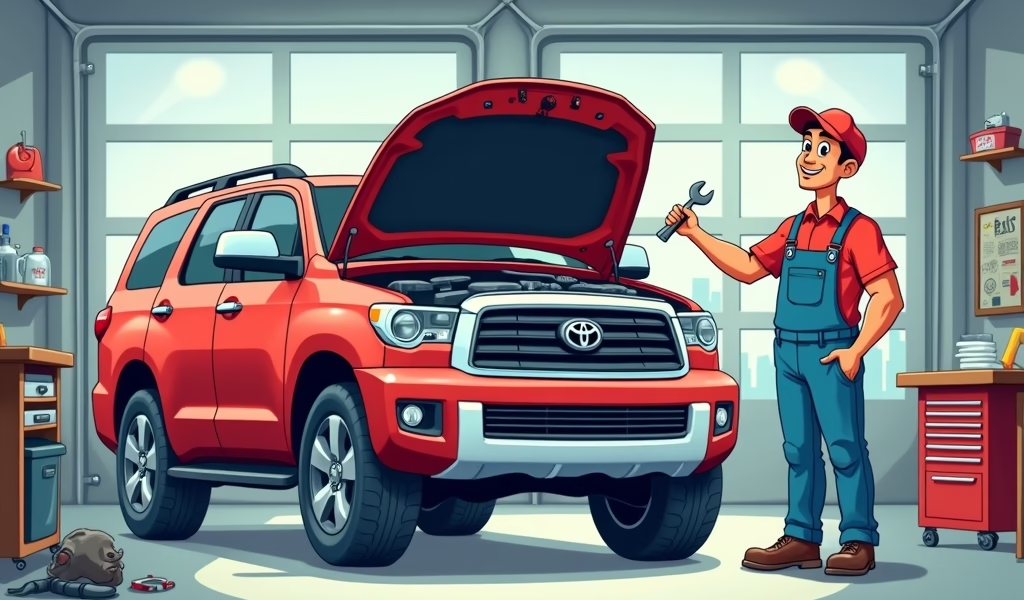
Your Sequoia will usually give you several warning signs before a catastrophic transmission failure occurs. Learning to recognize these signals can save you thousands in repair costs. Think of these symptoms as your vehicle’s way of asking for help – ignore them at your peril.
Unusual noises are often the first indicator something’s amiss. Listen for whining, buzzing, or clunking sounds, especially when shifting gears or in neutral. These noises typically indicate mechanical wear inside the transmission or low fluid levels. A healthy transmission should operate quietly; any new or unusual sound merits investigation.
Delayed engagement is another telltale sign. If your Sequoia hesitates for a moment or two after shifting from park to drive or reverse before actually moving, your transmission is sending you a clear distress signal. This delay often points to worn internal components or fluid issues that affect hydraulic pressure.
Rough shifting or gear slipping can’t be ignored. Your transmission should shift smoothly, almost imperceptibly between gears. If you feel jarring transitions, the vehicle lurches forward unexpectedly, or the engine revs without corresponding acceleration (slipping), you’re experiencing classic transmission trouble signs.
Transmission fluid leaks require immediate attention. Unlike engine oil, transmission fluid should never need “topping off” between services. If you notice red or brown fluid puddles beneath your parked Sequoia, schedule a repair appointment promptly. Even small leaks can quickly lead to fluid starvation and overheating.
The check engine light or transmission warning light on your dashboard serves as your vehicle’s built-in early warning system. These indicators can illuminate for numerous reasons, but transmission-related codes often point to solenoid problems, sensor failures, or internal electronic issues. Studies show that addressing check engine lights promptly can reduce repair costs by an average of 15-30%.
Perhaps most concerning is a burning smell accompanied by poor performance. This unmistakable odor indicates overheating transmission fluid – essentially the lifeblood of your transmission system cooking inside its housing. This situation demands immediate attention, as continued operation can cause irreparable damage within minutes.
Preventing Toyota Sequoia Transmission Failures
An ounce of prevention is worth a pound of cure – especially when it comes to transmission repairs. Following these preventative maintenance steps can dramatically extend your Toyota Sequoia’s transmission life and help you avoid joining the unfortunate club of owners facing four-figure repair bills.
Regular fluid changes form the foundation of transmission longevity. Despite what you might have heard about “lifetime” fluids, transmission fluid does degrade over time. For the Sequoia, I recommend changing the transmission fluid every 30,000-60,000 miles, depending on your driving habits. If you tow frequently or drive in mountainous terrain, lean toward the lower end of that range.
Using the correct fluid specification is equally crucial. Toyota Sequoias require Toyota Type IV (T-IV) or Type WS transmission fluid, depending on the model year. Using incorrect fluid can cause shifting problems, premature wear, and even catastrophic failure. This isn’t a place to cut corners with generic alternatives – the few dollars saved aren’t worth the risk.
Transmission coolers are worth considering if you regularly tow or live in hot climates. While Sequoias with the tow package include a factory cooler, an upgraded aftermarket unit can provide additional cooling capacity. Proper differential service schedule adherence also reduces strain on the entire drivetrain system, including the transmission.
Adjusting your driving habits can significantly impact transmission longevity. Avoid these transmission-straining behaviors:
- Shifting from reverse to drive before coming to a complete stop
- Resting your foot on the brake while driving (brake riding)
- Aggressive acceleration, especially when cold
- Exceeding your vehicle’s towing capacity
- Extended idling in park or neutral with the engine running
Regular transmission inspections can catch minor issues before they become major problems. Have a qualified technician check for leaks, examine fluid condition, and inspect mount conditions during routine maintenance visits. According to automotive maintenance experts, regular inspections can identify up to 70% of potential transmission failures before they occur.
DIY Maintenance Tips for Your Sequoia Transmission
While some transmission work requires a professional’s expertise, several maintenance tasks fall well within the capabilities of a mechanically inclined Sequoia owner. These DIY procedures can save you money while keeping your transmission in top shape.
Checking transmission fluid level and condition is a simple yet vital task. Unlike engine oil, transmission fluid is typically checked with the engine running and warmed up, with the transmission in park or neutral. The dipstick should have clear “HOT” and “COLD” markings. The fluid should be pinkish-red and smell slightly sweet – not brown or black with a burnt odor.
Performing a transmission fluid and filter change is doable for DIY enthusiasts with basic tools. This procedure involves removing the transmission pan, replacing the filter, cleaning the pan and magnet, replacing the gasket, and refilling with fresh fluid. Be prepared for some mess, and ensure you have the correct fluid type and quantity on hand before starting.
Here’s a step-by-step guide for a basic transmission service:
- Place a large drain pan under the transmission
- Remove the transmission pan bolts gradually to control fluid flow
- Remove the old filter and clean the pan thoroughly
- Install the new filter and pan with a new gasket
- Refill with the specified Toyota transmission fluid
- Start the engine and check for leaks
- Check fluid level after the transmission reaches operating temperature
Inspecting for leaks regularly can prevent fluid starvation. With your Sequoia on level ground, look for any signs of red fluid on the transmission case, cooler lines, pan gasket, or on the ground beneath the vehicle. A flashlight and mirrors can help you inspect hard-to-see areas. Pay particular attention to cooler line connections and the area where the transmission meets the engine.
Monitoring transmission temperature can provide valuable insights into potential issues. While the Sequoia doesn’t come with a factory transmission temperature gauge, aftermarket options are available that plug into the OBD-II port or can be hardwired. Ideal operating temperature typically ranges between 175-200°F. Anything consistently above 220°F warrants attention, as fluid begins breaking down rapidly at higher temperatures.
When to Seek Professional Help
While DIY maintenance is admirable and cost-effective, certain transmission issues demand professional intervention. Knowing when to hand over the wrench to an expert can prevent turning a fixable problem into a complete transmission replacement.
Diagnostic trouble codes (DTCs) specifically related to the transmission typically require professional scanning equipment and expertise to interpret properly. Codes like P0700-P0899 generally indicate transmission-specific issues. While consumer-grade OBD-II scanners can read these codes, understanding their implications and proper resolution often requires professional knowledge.
Persistent shifting problems that don’t improve after fluid service likely indicate internal mechanical or electronic issues. These can include worn clutch packs, damaged valve bodies, or faulty solenoids. Diagnosis requires specialized knowledge and sometimes transmission disassembly – not suitable for driveway repairs.
Transmission fluid that rapidly turns dark or develops a burnt smell even after changing indicates internal damage. When internal components are wearing abnormally, they shed metal particles into the fluid, causing discoloration. This situation requires immediate professional assessment to prevent catastrophic failure.
Total loss of a specific gear or complete transmission failure obviously necessitates professional repair. In these cases, the transmission will likely require removal from the vehicle for either rebuilding or replacement. This heavy-duty job involves specialized tools, significant vehicle disassembly, and precise adjustment during reinstallation.
When seeking professional help, consider these tips for finding a reliable transmission specialist:
- Look for shops specializing in transmissions rather than general repair facilities
- Check for ASE certification, particularly in automatic transmissions (A2)
- Ask about warranty terms on both parts and labor
- Request references or check online reviews specifically mentioning transmission work
- Inquire about their experience with Toyota Sequoia transmissions specifically
Cost-Saving Strategies for Transmission Repairs
When transmission repairs become necessary, the bill can cause serious sticker shock. However, several strategies can help mitigate the financial impact without compromising the quality of repairs.
Comparing rebuilt versus remanufactured transmissions can lead to significant savings. A locally rebuilt unit typically costs less than a factory remanufactured transmission but may carry a shorter warranty. Remanufactured units undergo more comprehensive reconditioning and testing, often approaching new-unit reliability. For a Sequoia that you plan to keep long-term, the additional investment in a remanufactured unit often pays off in longevity.
Exploring independent transmission shops versus dealerships can yield substantial savings. While Toyota dealerships offer factory-trained technicians, their labor rates typically exceed those of independent specialists. Many independent transmission shops have technicians with decades of experience on Toyota products and can offer more competitive pricing. According to Consumer Reports, independent shops often charge 30-40% less than dealerships for comparable transmission work.
Used transmissions from salvage yards present another option for budget-conscious owners. While this route carries more risk, finding a low-mileage donor transmission from a wrecked Sequoia can save thousands. If pursuing this option, seek units with verifiable mileage and always budget for a fluid change and filter replacement before installation.
Extended warranties or aftermarket service contracts sometimes cover transmission repairs, depending on your vehicle’s age and the specific policy terms. Review any coverage you may have before authorizing repairs. Some policies require pre-authorization or use of specific repair facilities, so understanding these requirements can prevent claim denials.
Negotiating payment plans with repair shops often proves successful for larger transmission jobs. Many independent shops understand the financial strain of major repairs and will work with loyal customers on payment arrangements. Some may even offer discounts for payment in cash, which saves them credit card processing fees.
Conclusion
The Toyota Sequoia’s transmission system represents a marvel of engineering that, when properly maintained, can provide reliable service well beyond 200,000 miles. By understanding the common issues that affect these transmissions, recognizing early warning signs, and implementing preventative maintenance, you can avoid joining the ranks of owners facing expensive repairs.
Remember that transmission fluid is truly the lifeblood of this complex system. Regular fluid services, using the correct specification fluid, and addressing minor issues promptly form the foundation of transmission longevity. Adding a transmission temperature gauge and auxiliary cooler for towing applications provides additional insurance against costly failures.
When problems do arise, having a trusted transmission specialist in your corner makes all the difference. Take time to research shops, compare repair options, and understand what’s being done to your vehicle. The investment in quality repairs pays dividends through improved reliability and extended service life.
Your Sequoia was built to last, and with proper care, its transmission will continue transferring power smoothly for many years to come. The key lies in listening to your vehicle, addressing minor issues before they escalate, and following the maintenance guidelines we’ve discussed. Your wallet – and your future self – will thank you for the attention to detail.
Frequently Asked Questions
How long should a Toyota Sequoia transmission last?
With proper maintenance, a Toyota Sequoia transmission typically lasts 200,000-250,000 miles. Regular fluid changes every 30,000-60,000 miles can significantly extend this lifespan.
What are the most common years for Toyota Sequoia transmission problems?
The 2001-2004 first-generation Sequoias experienced more transmission issues than other years. Second-generation models (2008-2022) generally have more reliable transmissions with fewer reported problems.
How much does it cost to replace a Toyota Sequoia transmission?
Replacement costs typically range from $3,500-$5,000 at independent shops, or $4,500-$6,500 at dealerships. Prices vary based on whether you choose a rebuilt, remanufactured, or new unit.
Can I drive with a slipping transmission?
Driving with a slipping transmission is not recommended as it can cause complete failure. Continued operation can turn a repairable issue into a full transmission replacement.
Is it better to rebuild or replace a Sequoia transmission?
Rebuilding is often more economical if only specific components have failed. Complete replacement with a remanufactured unit generally provides better long-term reliability and usually comes with a stronger warranty.