

Overview
Like that sinking feeling when your bicycle chain slips off the gears, a Toyota Highlander with transmission problems exhibits telltale signs including delayed engagement, RPM surges without acceleration, and unusual noises—all indicators that shouldn’t be ignored. This comprehensive guide covers everything from identifying symptoms and performing DIY checks to understanding repair options (ranging from $150 fluid services to $4,500 rebuilds) and implementing preventative maintenance strategies that can extend transmission life to 200,000+ miles.
Table of Contents
- Spotting Transmission Trouble: What Does “Slipping” Feel Like?
- Understanding Your Highlander Transmission
- Common Causes of Toyota Highlander Transmission Slipping
- Warning Signs You Shouldn’t Ignore
- DIY Checks Before Heading to the Mechanic
- Prevention Tips: Extending Transmission Life
- Repair Options and Costs
- When to Seek Professional Help
- Conclusion
- Frequently Asked Questions
Spotting Transmission Trouble: What Does “Slipping” Feel Like?
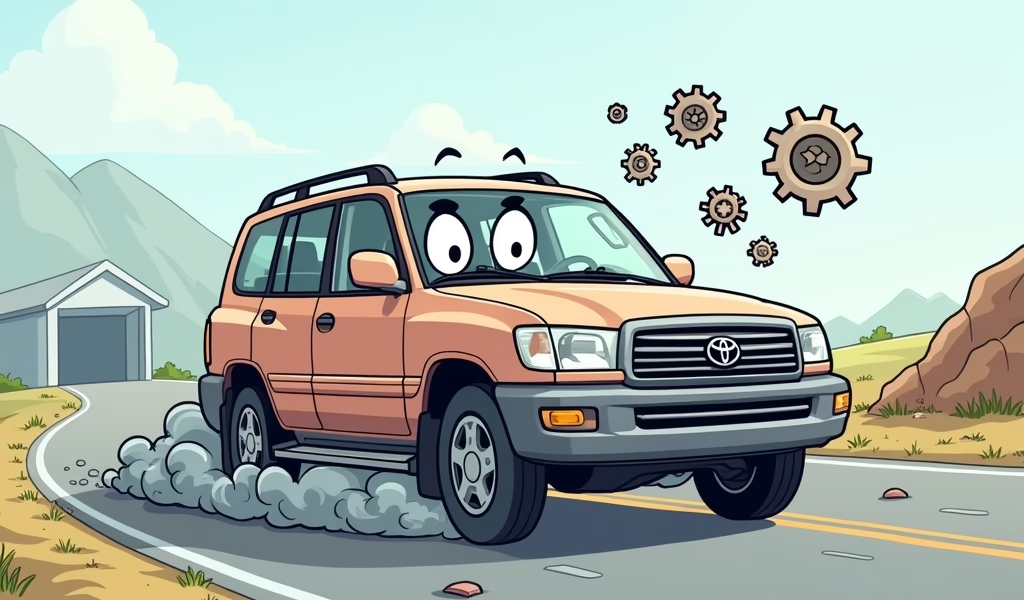
Picture this: you’re merging onto the highway in your Toyota Highlander, foot firmly pressing the accelerator, but instead of that confident surge forward, your SUV hesitates. The engine revs climb higher than normal, but your vehicle barely responds. That momentary disconnect between your engine’s effort and actual wheel movement is transmission slipping, and it’s your Highlander’s way of waving a red flag.
As a mechanic with 20+ years of experience, I’ve seen countless Toyota owners ignore these early warning signs, only to face repair bills that could’ve been avoided. Transmission slipping feels like your vehicle is struggling to find the right gear or maintain power during acceleration. It’s similar to riding a bicycle when the chain slips off the gears – lots of pedaling with little forward motion.
Most Highlander transmissions are built to last 150,000-200,000 miles with proper care. But when problems arise, addressing them early can mean the difference between a simple fluid service costing $200 or a complete transmission rebuild running $3,000-4,500.
Let’s dive into what’s happening inside your Highlander’s transmission and how you can save yourself from that sinking feeling when facing a major repair quote.
Understanding Your Highlander Transmission
Your Toyota Highlander likely has one of two transmission types: a conventional automatic (with 5, 6, or 8 speeds depending on model year) or a Continuously Variable Transmission (CVT) if you drive a hybrid model. Think of your transmission as the interpreter between your engine and wheels – it translates raw engine power into usable motion at different speeds.
Inside a conventional automatic transmission, planetary gear sets, clutches, and bands work together to create different gear ratios. These components bathe in transmission fluid that lubricates, cools, and provides hydraulic pressure for gear shifts. The CVT used in hybrid Highlanders uses a belt and pulley system instead of fixed gears, which creates an infinite number of gear ratios for optimal efficiency.
While Highlanders are generally reliable vehicles, certain model years have shown more transmission vulnerability. The 2001-2003 first-generation models and some 2008-2010 second-generation vehicles have higher reported rates of transmission issues. According to CarComplaints.com’s reliability data, transmission problems typically surface between 90,000-125,000 miles if maintenance has been neglected.
Toyota’s powertrain warranty typically covers transmission issues for 5 years/60,000 miles, though some models benefit from extended warranty coverage due to known issues. Always check if your vehicle might be covered before paying for expensive repairs.
Common Causes of Toyota Highlander Transmission Slipping
After diagnosing hundreds of slipping transmissions in Highlanders, I’ve found these five issues are nearly always the culprits:
- Low or degraded transmission fluid – This is the most common and easiest to fix. Without adequate clean fluid, hydraulic pressure drops and components don’t engage properly. The good news? Catching this early often means a simple fluid service solves the problem.
- Worn clutch plates – These friction materials inside your transmission wear down over time, especially with aggressive driving. When they can’t properly grip, power transfer becomes inconsistent.
- Solenoid failures – These electromagnetic valves control fluid flow within the transmission. When they malfunction, shifting becomes erratic or fails entirely. Each Highlander transmission contains multiple solenoids that can be replaced individually.
- Torque converter issues – This fluid coupling transfers power from the engine to the transmission. Problems with the torque converter often manifest as slipping, shuddering, or overheating.
- Control module problems – Modern Highlanders use sophisticated computers to manage shifting. Sometimes the issue isn’t mechanical but electrical—a software glitch or sensor failure can mimic mechanical problems.
Interestingly, different automatic transmissions have unique vulnerabilities. Earlier Highlander models (2001-2007) were more prone to mechanical failures, while newer models might experience more electronic control issues. The transmission in my customer’s 2010 Highlander started slipping because tiny metal particles from normal wear had clogged a solenoid passage – a thorough fluid flush might have prevented the $800 repair.
Warning Signs You Shouldn’t Ignore
Your Highlander will usually give several warning signs before major transmission failure occurs. Here’s what to watch for:
- Delayed engagement – When shifting from Park to Drive, your vehicle shouldn’t wait more than a second before responding. A noticeable delay means transmission fluid pressure isn’t building properly.
- RPM surges – If your tachometer needle climbs without corresponding acceleration, your transmission is slipping between gears. This happens because the internal components aren’t maintaining consistent contact.
- Unusual noises – Whining, buzzing, or clunking during gear shifts often indicates internal mechanical issues. Pay special attention to consistent noises that occur at specific speeds or during gear changes.
- Burning smell – Overheating transmission fluid has a distinct burnt toast or electrical fire odor. This is a serious red flag that requires immediate attention.
- Check Engine Light – Modern transmissions trigger check engine lights for many issues. Don’t ignore this warning – even if the vehicle seems to run normally, damage may be accumulating.
- Fluid leaks – Transmission fluid is typically reddish and slightly sweet-smelling when fresh. Puddles under the middle or front section of your parked Highlander need immediate investigation.
The earliest sign I often see is subtle hesitation during acceleration, especially when the transmission needs to downshift for passing power. One Highlander owner told me she noticed her vehicle would momentarily “think about it” before responding when trying to accelerate from 45 to 65 mph. We caught her transmission issue early, saving thousands in potential repairs.
According to Consumer Reports reliability data, addressing transmission issues at the first sign of trouble prevents approximately 70% of catastrophic failures. Don’t fall into the trap of hoping it will fix itself!
DIY Checks Before Heading to the Mechanic
Before making that service appointment, there are several checks you can perform yourself that might save you money and provide valuable information for your mechanic:
- Check transmission fluid level and condition – With the engine warmed up and running, pull the transmission dipstick (usually with a red handle). The fluid should be near the “HOT” mark and appear clear reddish – not brown, black, or smelling burnt. Low fluid is easily added, but dark fluid indicates internal wear.
- Scan for error codes – An inexpensive OBD-II scanner ($30-50) can reveal transmission-specific trouble codes. Codes like P0700-P0899 relate to transmission issues and give your mechanic a head start on diagnosis.
- Look for leaks – Slide under your Highlander with a flashlight and check for wet spots around transmission seals and cooler lines. Mark any suspicious areas with chalk for your mechanic to investigate.
- Test drive documentation – Create a detailed log of exactly when slipping occurs: During acceleration? Cold starts only? After driving for 20 minutes? This information is incredibly valuable for diagnosis.
I had a customer with a 2014 Highlander who was convinced he needed a $3,800 transmission rebuild. After checking his vehicle, I discovered the issue was simply a loose wiring connector to the shift solenoid – a five-minute fix that cost nothing. Not all transmission problems require major repairs!
If your Highlander is a hybrid model, be aware that some automatic transmission symptoms may present differently due to the interaction between the hybrid system and transmission. When in doubt, consult a technician familiar with Toyota hybrid systems.
Prevention Tips: Extending Transmission Life

An ounce of prevention is worth a pound of transmission repair. Here’s how to keep your Highlander’s transmission healthy for the long haul:
- Follow a more conservative fluid change schedule – While Toyota officially recommends transmission fluid changes every 60,000-100,000 miles, I advise my customers to service their transmission fluid every 30,000-40,000 miles. This $150-250 service removes wear particles and refreshes the fluid’s protective additives.
- Warm up briefly before driving – Give your Highlander 30-60 seconds to circulate fluids before driving, especially in cold weather. This ensures proper lubrication and reduces initial wear.
- Avoid aggressive driving – Hard acceleration, sudden stops, and racing between lights forces your transmission to make dramatic adjustments under load. Smooth, progressive driving extends component life significantly.
- Come to complete stops before shifting – Shifting between Drive and Reverse while still rolling creates exceptional wear on clutch packs and bands. Always come to a complete stop before changing direction.
- Maintain your cooling system – Your transmission relies on the engine’s cooling system to regulate fluid temperature. Overheating is a leading cause of transmission failure, so regular coolant service is essential.
- Consider a transmission cooler for towing – If you regularly tow with your Highlander, an auxiliary transmission cooler ($150-300) is cheap insurance against heat-related failures.
One customer with a 2008 Highlander has logged over 325,000 miles on the original transmission simply by changing fluid every 35,000 miles and driving moderately. Preventative maintenance really does work!
Research from the National Highway Traffic Safety Administration suggests that regular transmission maintenance can extend average transmission life by up to 70% compared to neglected units.
Repair Options and Costs
When prevention isn’t enough and you’re facing transmission problems, you have several repair options with varying costs:
- Fluid service ($150-300) – Sometimes, simply replacing degraded fluid resolves minor slipping issues, especially if caught early. This includes draining old fluid, replacing the filter, and adding fresh fluid.
- Solenoid replacement ($300-800) – Failed shift solenoids can cause symptoms identical to major mechanical problems. Replacing one or more solenoids is relatively affordable and often fixes shifting issues.
- Transmission control module reprogramming ($100-300) – Sometimes the issue is software-related. Updating the control module’s programming can resolve shifting problems on newer Highlanders.
- Partial rebuild ($1,500-2,500) – If only certain components have failed (like a specific clutch pack), a targeted repair might be possible without a complete overhaul.
- Complete rebuild/replacement ($3,000-4,500) – For transmissions with extensive internal damage, a complete rebuild or replacement becomes necessary. This gives you essentially a new transmission.
Always get a clear diagnosis before authorizing expensive repairs. I’ve seen customers needlessly spend thousands when their issue was a simple sensor or solenoid problem.
When weighing repair options, consider your Highlander’s overall condition and value. For a well-maintained vehicle with many good years ahead, investing in a quality transmission repair makes financial sense. For older, high-mileage vehicles with multiple issues, sometimes it’s wiser to trade in rather than invest in major repairs.
When to Seek Professional Help
While some maintenance can be DIY, certain situations warrant immediate professional attention:
- Severe slipping – If your transmission regularly slips out of gear or fails to engage, continuing to drive risks catastrophic damage.
- Metal particles in fluid – Metallic debris in the transmission fluid indicates internal component breakdown. This requires immediate attention from a specialist.
- Burning smell – This indicates overheating, which quickly accelerates internal damage if not addressed.
- Complete failure to shift – If your Highlander gets stuck in one gear or won’t engage any gears, you need professional help.
- Persistent check engine light – If the light remains on after basic checks and fluid service, professional diagnostic equipment is needed.
When choosing a repair shop, consider specialists rather than general repair facilities. Transmission work requires specialized knowledge and tools. Look for shops with ASE-certified transmission technicians and positive reviews specifically mentioning transmission repairs.
Don’t be afraid to ask questions about the diagnosis, repair plan, parts quality, and warranty terms. A reputable shop will take time to explain what’s happening with your vehicle and provide options before proceeding with expensive work.
Conclusion
Your Toyota Highlander’s transmission is a marvel of engineering that, with proper care, should provide years of trouble-free service. By understanding the warning signs of slipping, performing regular maintenance, and addressing minor issues before they escalate, you can avoid those heart-stopping repair bills and keep your SUV running smoothly for years to come.
Remember that most catastrophic transmission failures don’t happen overnight – they develop gradually, giving attentive owners plenty of warning signs. That subtle hesitation during acceleration or momentary slip between gears is your vehicle’s way of asking for help before a major breakdown occurs.
Whether you’re driving a first-generation Highlander approaching 200,000 miles or a brand-new model, the principles remain the same: regular fluid services, careful driving habits, and prompt attention to unusual behaviors will maximize your transmission’s lifespan and your ownership satisfaction.
The next time you’re behind the wheel of your Highlander, pay attention to how it shifts and responds. That awareness, combined with the knowledge from this guide, puts you in the driver’s seat – not just of your vehicle, but of its maintenance needs and your repair budget too.
Frequently Asked Questions
How much does it cost to fix a slipping transmission in a Toyota Highlander?
Minor issues like fluid services cost $150-300, while major repairs range from $1,500-4,500 depending on the specific problem. Catching problems early typically means more affordable repairs.
Can I drive my Highlander if the transmission is slipping?
You can drive short distances with minor slipping, but continued driving risks complete transmission failure. It’s unsafe for highway driving and should be addressed immediately.
How do I know if my transmission fluid needs changing?
Check the dipstick for fluid that’s dark brown/black, has a burnt smell, or contains particles. Healthy fluid should be clear red and reach the “Full” mark on a warm engine.
Are Toyota Highlander transmissions reliable?
Generally yes, with most lasting 150,000-200,000 miles with proper maintenance. First-generation (2001-2003) and some second-generation (2008-2010) models have higher reported transmission issues.
Will a transmission flush fix slipping problems?
A flush may fix very early slipping caused solely by degraded fluid. However, if internal wear has already occurred, a flush alone won’t resolve the underlying mechanical issues.