
Overview
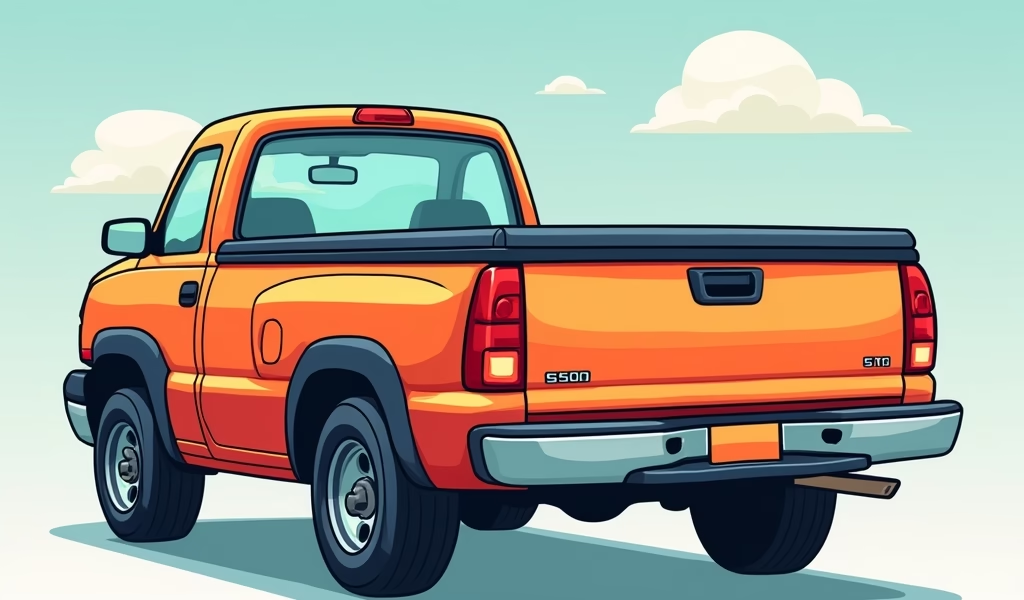
Your tonneau cover is only as secure as its lock, with options ranging from basic integrated systems to sophisticated electronic locks that can save you thousands in potential theft losses. A quality lock not only deters thieves from accessing valuable cargo but also extends your cover’s lifespan, making it a wise investment that pays for itself through proper selection, installation, and regular maintenance.
Table of Contents
- Understanding Tonneau Cover Locks
- Why You Need a Tonneau Cover Lock
- Types of Tonneau Cover Locks
- Choosing the Right Tonneau Cover Lock
- Installation Guide
- Maintenance Tips
- Cost Analysis: How Tonneau Cover Locks Save You Money
- Common Problems and Solutions
- Conclusion
- Frequently Asked Questions
When it comes to protecting your truck bed and its valuable contents, a tonneau cover is only as secure as its lock. That’s right – your fancy tonneau cover might look good, but without a proper locking mechanism, it’s just an invitation to thieves. As someone who’s spent 20+ years working on trucks of all shapes and sizes, I’ve seen firsthand how a quality tonneau cover lock can be the difference between keeping your gear safe and filing an insurance claim.
The tonneau cover lock market has evolved significantly in recent years, offering more sophisticated security options that balance convenience with protection. Today, we’ll walk through everything you need to know about these essential security devices – from the various types available to installation tips that’ll save you both headaches and money down the road.
Understanding Tonneau Cover Locks
Think of your tonneau cover lock as the bouncer protecting the VIP section of your truck. It’s the crucial component that transforms your cover from a simple weather barrier into a genuine security feature. At its core, a tonneau cover lock is designed to prevent unauthorized access to your truck bed, creating a sealed and secure cargo area.
Most tonneau covers come with some form of built-in locking mechanism, but not all are created equal. Factory-installed locks range from basic latches that secure the cover to the tailgate to more sophisticated systems that integrate with your truck’s central locking. The quality varies tremendously, which is why many truck owners opt to upgrade their locking systems.
The fundamental working principle is straightforward: the lock creates a mechanical barrier that prevents the cover from being opened without the correct key or access method. Some modern systems even incorporate electronic components and can be integrated with your vehicle’s security system for enhanced protection.
Understanding the anatomy of these locks helps you make better decisions when it comes to security. A typical tonneau cover lock consists of the latch mechanism, strike plate, and the actual locking component. The quality of these parts directly impacts how effectively your tonneau cover can resist tampering and forced entry attempts.
Why You Need a Tonneau Cover Lock
Let me tell you a quick story. Last summer, a customer came in with a beautiful new F-150, top-of-the-line everything – including an expensive tonneau cover. Problem was, he skimped on the locking mechanism. One quick stop at the hardware store, and he returned to find $3,000 worth of tools gone. All because he thought the cover itself would be deterrent enough.
Types of Tonneau Cover Locks
The world of tonneau cover locks is more diverse than you might think. Let’s break down the main types you’ll encounter:
Integrated Lock Systems
These come built into your tonneau cover from the factory. They’re convenient because everything works together as a system. Most higher-end tonneau covers include integrated locks that secure the cover to the tailgate when closed. The quality varies widely, from basic latches to sophisticated multi-point locking systems.
The advantage here is seamless integration and clean aesthetics. The downside? If the built-in lock fails, replacement can be complicated and often requires dealer service. Some integrated systems also lack the robust security features of aftermarket options.
Aftermarket Lock Kits
These are standalone locking solutions you can add to existing tonneau covers. They range from simple padlock attachments to elaborate electronic locking systems. Aftermarket locks are particularly valuable if your existing tonneau cover came with subpar security features or no lock at all.
The best aftermarket locks often use hardened steel components and pick-resistant cylinders that provide substantially better security than many factory options. Installation complexity varies, but most are designed for DIY installation with basic tools.
Tailgate-Integrated Locks
Rather than securing the cover itself, these locks focus on protecting the tailgate. Since many tonneau covers rely on a secure tailgate to remain closed, a solid tailgate lock can effectively protect your entire truck bed. These are particularly popular for roll-up and some folding tonneau covers.
Modern tailgate locks have become increasingly sophisticated, with anti-theft features that prevent the removal of the entire tailgate – a common theft tactic that circumvents many standard locking systems.
Electronic Lock Systems
The newest category in tonneau cover security, electronic locks connect to your vehicle’s existing security system or operate via key fob or smartphone. They offer convenience features like remote opening and closing, along with enhanced security through encryption technology.
While these systems provide cutting-edge protection and convenience, they do introduce potential points of failure not present in purely mechanical systems. Power outages and electronic malfunctions can sometimes lead to accessibility issues.
Choosing the Right Tonneau Cover Lock
Selecting the perfect tonneau cover lock involves balancing several factors. Here’s what to consider:
Compatibility with Your Tonneau Cover
Not all locks work with all tonneau covers. Hard folding covers, soft roll-ups, and retractable covers all have different locking requirements. Before purchasing, check compatibility with your specific cover model. Some aftermarket locks are designed to be universal, but they may require modification for optimal function.
If you’re buying a new tonneau cover and security is a top priority, consider purchasing both together to ensure perfect integration. Many premium tonneau cover manufacturers offer upgraded lock options that seamlessly integrate with their products.
Security Level Needed
Be honest about what you’re protecting. If you regularly haul expensive tools or equipment, invest in a high-security option with hardened steel components and pick-resistant locks. For casual use where you’re mostly protecting items from opportunistic theft, a simpler lock might suffice.
Consider your typical parking situations too. If you frequently leave your truck in high-crime areas or overnight in unsecured locations, prioritize security over convenience. Conversely, if your truck rarely leaves your secure driveway, you might prioritize ease of use.
Weather Resistance
Your lock will face the same harsh conditions as the rest of your truck. Look for marine-grade locks with corrosion-resistant finishes if you live in coastal areas or regions with harsh winters where road salt is common. Stainless steel components and weather-sealed lock cylinders can significantly extend the life of your locking system.
Some of the best locks on the market include rubber gaskets or covers to protect the internal mechanisms from dust and moisture – a small detail that makes a huge difference in longevity.
Ease of Use
A lock that’s cumbersome to use will become frustrating quickly. Consider how frequently you’ll need to access your truck bed. If it’s multiple times daily, prioritize smooth operation and quick access. Some high-security locks require multiple steps to open, which provides security but may become annoying for frequent use.
Electronic options offer the most convenience but may come with a higher price tag and additional maintenance considerations. The perfect balance is different for everyone based on their usage patterns.
Installation Guide
Installing a tonneau cover lock doesn’t have to be intimidating. With the right approach, many truck owners can handle this as a DIY project. Here’s a simplified process:
Pre-Installation Preparation
Before you dive in, gather everything you’ll need:
- Your new lock kit with all components
- Basic hand tools (typically screwdrivers, wrenches, and possibly a drill)
- The installation instructions specific to your lock model
- Masking tape to prevent scratches during installation
- A helper, if available (some installations are easier with an extra set of hands)
Read through the entire installation manual before starting. This prevents surprises midway through the process and helps you understand the overall flow of the installation.
Step-by-Step Installation Process
While specific steps vary by lock type and tonneau cover model, here’s a general guide:
- Secure your tonneau cover in the open position for easy access to mounting points.
- Identify the mounting locations specified in your lock kit instructions.
- Mark drilling points if required, using masking tape to prevent metal shavings from scratching your truck.
- Carefully drill pilot holes if needed (many modern lock kits are designed for no-drill installation).
- Mount the lock mechanism according to the instructions, ensuring all hardware is properly tightened.
- Test the lock operation several times before fully securing all components.
- Make adjustments as needed to ensure smooth operation.
Take your time with this process. Rushing can lead to misalignment issues that affect both security and the convenience of your tonneau cover. If something doesn’t feel right during installation, stop and reassess rather than forcing components together.
Common Installation Mistakes to Avoid
Even experienced DIYers sometimes make these errors:
- Over-tightening hardware, which can strip threads or crack components
- Improper alignment, leading to difficult operation or incomplete latching
- Failing to check clearances with the tailgate in different positions
- Not testing the lock thoroughly before considering the installation complete
- Ignoring weatherproofing recommendations for drilled holes
If you’re unsure about handling the installation yourself, there’s no shame in consulting a professional. The cost of professional installation is typically modest compared to the value of proper security and the potential cost of repairs from improper installation.
Maintenance Tips
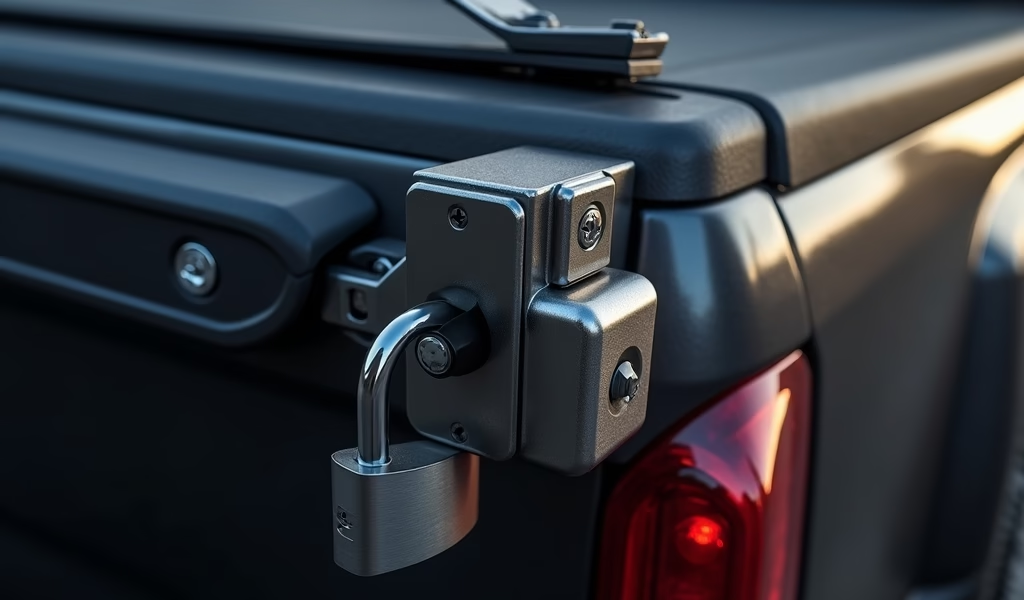
Like any mechanical component on your vehicle, tonneau cover locks need regular attention to function reliably. A little preventative maintenance goes a long way toward ensuring your lock provides years of trouble-free service. Here’s how to keep your tonneau cover lock in top condition:
Regular Cleaning and Lubrication
Dirt and debris are the enemies of any lock mechanism. Every few months, take a few minutes to:
- Clean the lock mechanism with compressed air to remove dust and debris
- Apply a high-quality graphite or silicone-based lubricant to moving parts
- Wipe down external components to prevent corrosion
- Check for any signs of wear or damage
Avoid using WD-40 or similar penetrating oils as your primary lubricant. While these products are excellent for freeing stuck mechanisms, they don’t provide long-lasting lubrication and can actually attract more dirt over time. Instead, use a dedicated lock lubricant that won’t gum up or attract debris.
Seasonal Maintenance Considerations
Your maintenance routine should adapt to seasonal changes. Before winter arrives, perform a thorough cleaning and lubrication to prevent freeze-ups. In areas with heavy road salt use, increase your cleaning frequency to prevent corrosion damage.
During summer months, extreme heat can cause some locks to expand and bind. A light application of the correct lubricant can prevent this issue. This is also a good time to check weatherstripping and seals around the lock area for UV damage or deterioration.
As part of your regular vehicle maintenance routine, include a quick check of your tonneau cover lock. This proactive approach can catch potential issues before they leave you locked out of your truck bed or, worse, compromise your cargo security.
Cost Analysis: How Tonneau Cover Locks Save You Money
When you’re considering adding or upgrading a tonneau cover lock, it’s natural to focus on the upfront cost. However, the true value becomes clear when you examine the long-term financial benefits. Let’s break down how a quality tonneau cover lock actually pays for itself many times over.
Initial Investment vs. Long-term Savings
Quality tonneau cover locks typically range from $50 for basic models to $300+ for advanced electronic systems. While this might seem like a significant expense, consider it against the potential losses:
- The average value of tools stored in work trucks exceeds $1,000
- Personal items left in truck beds (sporting equipment, camping gear, etc.) often total $500-$2,000
- Replacement costs for stolen tonneau covers themselves range from $300-$2,000
Just one prevented theft can offset the cost of even the most premium locking system. Beyond preventing outright theft, a good lock system extends the life of your tonneau cover by preventing tampering damage that might otherwise require costly repairs or replacement.
Insurance Considerations
Many insurance companies offer reduced premiums for vehicles with enhanced security features. While the discount for a tonneau cover lock alone may be modest, when combined with other security measures, the savings can be substantial over time.
More significantly, having a secure tonneau cover may prevent you from filing smaller claims for stolen items, helping you avoid premium increases that often follow claims. According to the Insurance Information Institute, even a single claim can raise your premiums by 20-40% for several years.
Additionally, many insurance policies have limitations on coverage for personal property stolen from vehicles. A secure tonneau cover can prevent you from discovering these coverage gaps the hard way.
Common Problems and Solutions
Even the best tonneau cover locks can encounter issues over time. Knowing how to address common problems can save you time, money, and frustration. Here are the issues I see most frequently in my shop and how to resolve them:
Stuck or Difficult Operation
If your lock becomes increasingly difficult to operate, don’t force it. This is typically caused by:
- Dirt and debris accumulation in the lock mechanism
- Lack of proper lubrication
- Misalignment due to normal use or minor impacts
- Corrosion in coastal areas or regions with heavy road salt use
The solution is usually straightforward: clean thoroughly with compressed air, apply an appropriate lubricant, and check for proper alignment. If the lock cylinder itself is sticking, a graphite-based lubricant specifically designed for lock cylinders is your best bet. For external components and latches, a silicone-based lubricant typically works best.
Key Issues
Keys can wear down, break off in locks, or simply get lost. To prevent these problems:
- Have a spare key made when your lock is new (before wear patterns develop)
- Store your spare in a secure location away from your primary key
- Consider having your key code recorded somewhere secure for future replacement
If your key does break in the lock, resist the temptation to try extracting it yourself with makeshift tools. This often pushes key fragments deeper into the mechanism. Instead, consult a professional locksmith who has the proper tools for extraction without damaging the lock.
Weather-Related Challenges
Extreme weather can cause various issues with tonneau cover locks:
- Frozen locks in winter can be addressed with a commercial lock de-icer
- Expansion issues in extreme heat may require adjustment of the striker plate
- Excessive moisture can lead to internal corrosion, requiring disassembly and cleaning
Preventative maintenance is key here. Before extreme weather seasons, perform thorough maintenance and consider weather-specific products like freeze-resistant lubricants for winter use.
Conclusion
A quality tonneau cover lock is far more than just an accessory—it’s an essential investment in protecting both your vehicle and the valuables you store in it. Throughout this guide, we’ve seen how these specialized security devices can prevent theft, extend the life of your tonneau cover, and ultimately save you significant money in the long run.
When selecting and maintaining your tonneau cover lock, remember that the best approach balances security with convenience for your specific needs. Consider your typical cargo, parking situations, and usage patterns to find the perfect solution. Whether you opt for a straightforward mechanical lock or a sophisticated electronic system, proper installation and regular maintenance will ensure years of reliable protection.
The peace of mind that comes from knowing your truck bed is secure is perhaps the most valuable benefit of all. No more worrying about your tools, equipment, or personal items when your truck is parked out of sight. That confidence alone makes a tonneau cover lock worth every penny.
So take the time to research, invest wisely, and maintain properly. Your tonneau cover lock is doing much more than securing a cover—it’s protecting your investments and potentially saving you from the significant hassle and expense of theft.
Frequently Asked Questions
Can I add a lock to my existing tonneau cover?
Yes, most tonneau covers can be retrofitted with aftermarket locks. Look for universal lock kits compatible with your specific cover style.
How much does a good tonneau cover lock cost?
Quality locks range from $50 for basic mechanical locks to $300+ for advanced electronic systems. The investment pays off through theft prevention and extended cover life.
Are electronic tonneau cover locks reliable?
Modern electronic locks are generally reliable but require proper maintenance. They offer convenience features mechanical locks can’t match but may be vulnerable during power failures.
How often should I lubricate my tonneau cover lock?
Lubricate your lock every 3-4 months under normal conditions, more frequently in extreme environments. Use only graphite or silicone-based lubricants designed for locks.
Can thieves still break into a locked tonneau cover?
No lock system is 100% theft-proof, but quality locks significantly deter thieves. Most criminals seek easy targets and will move on when confronted with a well-secured tonneau cover.