

Overview
Like your friend who’s always telling you to drink more water, your Subaru Legacy transmission just wants regular fluid changes and early attention to warning signs to avoid costly breakdowns. This comprehensive guide details common transmission issues across Legacy model years—from the generally reliable 2005-2009 automatics to the more problematic 2010-2015 CVTs—while providing practical maintenance strategies that can save owners thousands in repair costs.
Table of Contents
- Understanding Subaru Legacy Transmissions
- Common Transmission Problems in Subaru Legacy Models
- Warning Signs of Transmission Trouble
- Preventive Maintenance Tips
- DIY vs. Professional Repair Considerations
- Cost-Saving Strategies for Transmission Repairs
- Model Year-Specific Transmission Issues
- Conclusion
- Frequently Asked Questions
Understanding Subaru Legacy Transmissions
The Subaru Legacy has earned a reputation for reliability and all-weather capability, but like any vehicle, its transmission can develop issues over time. As a mechanic who’s worked on countless Subaru Legacy transmissions, I’ve seen firsthand how proper knowledge can save owners thousands in unnecessary repairs. The transmission serves as the crucial link between your engine’s power and your wheels, making it one of the most complex and expensive components to repair.
Subaru Legacy transmissions come in several varieties depending on the model year and trim level. Older models typically feature either a 4-speed or 5-speed automatic, while newer generations offer continuously variable transmissions (CVTs) or 6-speed manual options. Each type has its own unique characteristics and potential vulnerabilities. Understanding which transmission your Legacy has is the first step toward preventing costly repairs.
What makes the Subaru Legacy transmission unique is its integration with the all-wheel-drive system. Unlike many vehicles where the transmission and transfer case are separate units, Subaru designed an integrated system that distributes power to all four wheels. This ingenious design provides excellent traction but adds complexity when problems arise. The transfer case components require regular maintenance to ensure proper function of the entire drivetrain system.
Common Transmission Problems in Subaru Legacy Models
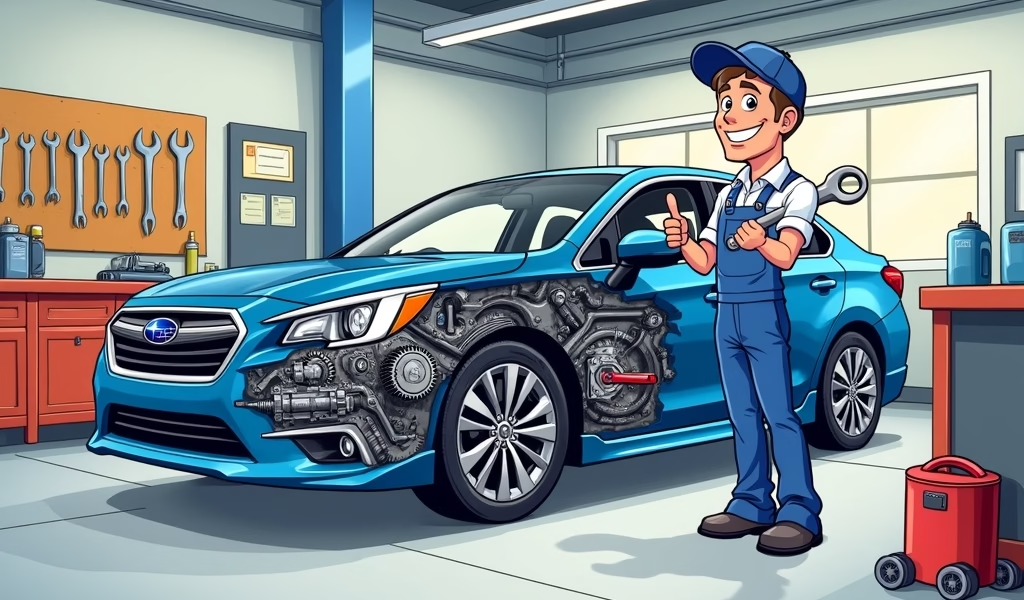
Over the years, certain transmission issues have become recognizable patterns in Subaru Legacy vehicles. The 2010-2015 models with CVT transmissions, in particular, have developed a somewhat notorious reputation for specific problems. Let’s break down the most common issues I’ve encountered in my shop:
CVT models often experience a condition called “judder” or shuddering during acceleration. This feels like driving over rumble strips even on smooth roads and typically indicates wear on the torque converter or internal clutch packs. If caught early, a transmission fluid change using the specific Subaru High Performance ATF might resolve the issue before permanent damage occurs.
Another frequent complaint involves delayed engagement when shifting from park to drive or reverse, especially in cold weather. This hesitation can be alarming and potentially dangerous in traffic situations. In many cases, this stems from deteriorating solenoids or valve body issues within the transmission.
For manual transmission Legacy models, the most common problems include clutch wear, synchronizer failures, and input shaft bearing noise. These issues typically manifest as grinding when shifting, difficulty engaging gears, or unusual noises when the clutch pedal is depressed. Regular clutch adjustment checks can prevent many of these problems from worsening.
Perhaps most concerning for owners are the catastrophic failures that can occur with little warning. Internal bearing failures or chain/belt issues in CVT models can lead to complete transmission failure, often resulting in repair bills exceeding $4,000. According to Consumer Reports reliability data, transmission replacements rank among the most expensive repairs car owners face.
Warning Signs of Transmission Trouble
Catching transmission problems early can be the difference between a minor repair and a complete replacement. As someone who’s diagnosed hundreds of Subaru Legacy transmission issues, I’ve identified several telltale signs that should never be ignored. Your car often speaks to you before major failures occur—you just need to understand its language.
Unusual noises are typically the first indication of trouble. Listen for whining, buzzing, or clunking sounds, especially when shifting gears or accelerating. These noises often indicate internal wear or damage to bearings, gears, or the torque converter. Don’t dismiss new sounds as “just getting older”—they’re valuable diagnostic clues.
Fluid leaks represent another critical warning sign. Transmission fluid should never leak, and spotting red or brown fluid beneath your parked Legacy demands immediate attention. Even small leaks can quickly lead to inadequate fluid levels, causing overheating and accelerated wear of internal components.
Pay attention to how your Legacy shifts between gears. Hesitation, hard shifting, slipping (where the engine revs but the car doesn’t accelerate proportionally), or refusing to engage a gear are serious symptoms. Modern transmissions should shift smoothly and almost imperceptibly. Any deviation from normal operation warrants investigation.
The check engine or transmission warning lights provide direct electronic notification of potential issues. When these illuminate, your car’s computer has detected an abnormality in transmission function or performance. Using a diagnostic scanner to retrieve the specific error codes can pinpoint the exact nature of the problem, potentially saving significant diagnostic time and expense.
According to research by AAA’s Automotive Research Center, addressing transmission warning signs promptly can reduce repair costs by an average of 60% compared to waiting until complete failure occurs.
Preventive Maintenance Tips
The most effective way to avoid costly Subaru Legacy transmission repairs is through diligent preventive maintenance. In my decades working as a mechanic, I’ve seen countless catastrophic failures that could have been prevented with simple, regular care. Here’s my professional guidance on keeping your transmission healthy:
Fluid changes are the single most important maintenance procedure for your transmission. Despite what some dealers might suggest, transmission fluid does not last the lifetime of the vehicle. For Subaru Legacy models, I recommend checking transmission fluid levels and condition every 30,000 miles, with changes typically needed every 60,000 miles for conventional automatics and every 30,000-60,000 for CVTs.
When changing transmission fluid, always use the specified type. Subaru CVT models require Subaru High Performance ATF or an exact equivalent—using incorrect fluid can cause immediate damage. This specialized fluid contains unique friction modifiers and additives designed specifically for Subaru’s transmission design.
- Check fluid level and condition monthly (when warm, following proper procedure)
- Inspect for leaks around pan gaskets, seals, and cooler lines
- Have transmission mounts inspected annually for cracks or deterioration
- Consider a transmission cooler installation if you regularly tow or drive in mountainous regions
- Address any unusual noises or shifting behavior immediately before damage spreads
Your driving habits also significantly impact transmission longevity. Avoid aggressive acceleration, particularly when the engine is cold. Allow your Legacy to warm up for 30-60 seconds before driving, especially in cold weather. When stopping on hills, use the brake rather than “holding” with the transmission in drive.
For those with CVT-equipped Legacys, Subaru issued several technical service bulletins and even warranty extensions for certain model years. Check with your dealer to determine if your vehicle qualifies for any of these programs, as they could save you considerable expense if problems develop.
DIY vs. Professional Repair Considerations
When transmission issues arise, many Subaru Legacy owners face the decision between attempting repairs themselves or seeking professional help. As someone who’s guided countless DIY enthusiasts and performed professional repairs, I can offer perspective on both approaches. The right choice depends on your skill level, tools available, and the specific issue at hand.
Simple maintenance tasks like checking fluid levels and external inspections are well within most owners’ capabilities. These require minimal tools and provide valuable early warning of developing problems. Even some intermediate tasks like transmission filter and fluid changes can be DIY-friendly if you have basic tools and mechanical aptitude.
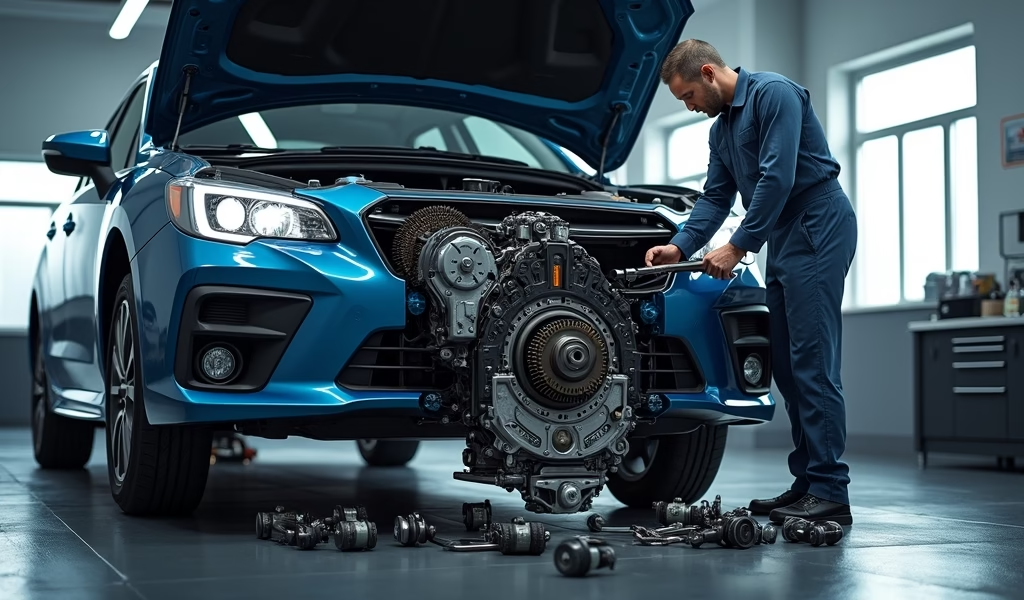
However, internal transmission work requires specialized tools, comprehensive knowledge, and often a clean-room environment. CVT transmissions, in particular, contain precisely calibrated components with tolerances measured in thousandths of an inch. Even minor contamination or assembly errors can lead to premature failure.
Consider these factors when deciding between DIY and professional service:
- Warranty implications – DIY repairs may void remaining warranty coverage
- Specialized tools required – transmission work often needs pressure testers and manufacturer-specific tools
- Diagnostic capability – professionals have access to advanced scanning tools and technical service bulletins
- Cost vs. risk – saving labor costs must be weighed against the risk of causing additional damage
- Time commitment – even experienced mechanics need 6-10 hours for most transmission repairs
If you do choose the professional route, seek specialists familiar with Subaru transmissions rather than general repair shops. Transmission rebuilding is something of an art form, requiring both technical knowledge and experience with the specific quirks of Subaru’s designs. A true Subaru specialist might charge more per hour but often completes work more efficiently and effectively.
Cost-Saving Strategies for Transmission Repairs
When facing Subaru Legacy transmission problems, the potential repair costs can be daunting. However, there are several strategies I’ve helped my customers implement to reduce expenses without compromising quality. With some knowledge and careful planning, you can often save thousands while still addressing transmission issues properly.
First, explore remanufactured or quality rebuilt transmission options before defaulting to new units. A properly rebuilt transmission from a reputable shop typically costs 40-60% of a new unit while offering similar reliability. Many rebuilders even provide warranties comparable to new transmissions. Just ensure you’re working with an established rebuilder with specific Subaru experience.
For those comfortable with some DIY work, consider a hybrid approach. You might have a professional diagnose the problem and remove/reinstall the transmission, while sending the unit to a specialty rebuilder. This approach eliminates the most technical aspects of transmission work while saving on labor costs.
Don’t overlook potential coverage options. Some transmission issues may be covered under:
- Extended warranty programs (factory or aftermarket)
- Technical service bulletins with associated warranty extensions
- Class action settlements (particularly for certain CVT models)
- Goodwill coverage from Subaru (especially for vehicles just outside warranty with documented maintenance history)
For CVT-equipped Legacys, Subaru extended the warranty on many 2010-2015 models to 10 years or 100,000 miles specifically for transmission issues. Even if you’ve exceeded these limits, contacting Subaru customer service may result in partial coverage if you’ve maintained the vehicle properly and the issue is a known problem.
When replacement becomes necessary, consider used transmissions carefully. While significantly cheaper upfront, used units come with unknown history and wear. If pursuing this route, seek transmissions with documented low mileage and insist on a minimum 90-day warranty. Better yet, have the used transmission inspected and serviced before installation.
Model Year-Specific Transmission Issues
Throughout my career working with Subaru vehicles, I’ve observed that certain model years of the Legacy have their own unique transmission characteristics and vulnerabilities. Understanding these patterns can help you anticipate potential problems and take preventive action before major failures occur.
The 2005-2009 Legacy models with conventional automatic transmissions generally proved quite reliable, with most problems stemming from inadequate fluid changes or external sensor failures. These transmissions typically reach 200,000+ miles with proper maintenance. The 5-speed manual transmissions from this era occasionally develop synchronizer wear, particularly in the 2nd and 3rd gear positions.
The transition to CVT transmissions in the 2010-2012 Legacy models brought significant challenges. These early CVT implementations suffered from torque converter shudder, valve body malfunctions, and in some cases, complete transmission failure before 100,000 miles. Subaru acknowledged these issues through extended warranty programs and technical service bulletins. If you own one of these models, aggressive fluid change intervals (every 30,000 miles) and gentle driving techniques are essential.
For 2013-2018 Legacy models, Subaru made substantial improvements to the CVT design, resulting in better reliability. However, these still require careful maintenance. The transmission control module (TCM) programming in these years sometimes causes erratic shifting behavior that can be remedied with software updates available from dealers.
The latest generation (2019-present) Legacy models feature the most refined version of Subaru’s CVT yet, with fewer reported issues. However, these transmissions still have relatively complex electronic controls that occasionally trigger check engine lights related to adaptive learning parameters.
For any model year, consulting the NHTSA database of technical service bulletins can reveal known issues specific to your vehicle’s VIN. This research can be invaluable for anticipating problems before they become serious and understanding which preventive measures will yield the greatest benefit.
Conclusion
The Subaru Legacy represents an excellent balance of comfort, capability, and reliability—but its transmission requires attention and care to avoid costly repairs. Through my years working with these vehicles, I’ve found that owners who understand their transmission’s needs and address small issues promptly typically enjoy many years of trouble-free driving.
Remember that preventive maintenance remains your best defense against major transmission failures. Regular fluid checks and changes using the correct specifications can extend your transmission’s life by years. Equally important is developing a relationship with a knowledgeable Subaru specialist who can help interpret early warning signs before they escalate into serious problems.
Whether you drive a Legacy with a conventional automatic, manual, or CVT transmission, approaching ownership with knowledge and a proactive mindset will save you money and frustration over time. The investment in regular maintenance is minimal compared to the cost of major repairs or replacement.
For those already experiencing Subaru Legacy transmission issues, I hope the strategies outlined in this article help you navigate your repair options with confidence. Remember that even significant problems often have multiple solution paths with varying costs and benefits. By understanding the specific nature of your transmission issue and exploring all available options, you can make informed decisions that balance immediate budget concerns with long-term reliability.
Frequently Asked Questions
How long should a Subaru Legacy transmission last?
With proper maintenance, a Subaru Legacy transmission should last 150,000-200,000 miles. CVT transmissions typically have shorter lifespans (120,000-150,000 miles) than conventional automatics.
What are the symptoms of a failing CVT in a Subaru Legacy?
Common symptoms include shuddering during acceleration, delayed engagement when shifting into gear, unusual noises, and illuminated warning lights. You may also notice reduced fuel economy or a burning smell after driving.
How much does it cost to replace a Subaru Legacy transmission?
Replacement costs typically range from $3,500-$7,000 depending on the model year and transmission type. Rebuilt options generally cost $3,500-$4,500 while new units from Subaru can exceed $6,000 plus labor.
Is there a recall on Subaru Legacy transmissions?
While there isn’t a general recall, Subaru extended the warranty on many 2010-2015 CVT transmissions to 10 years/100,000 miles. Several technical service bulletins have also been issued for specific transmission problems.
How often should I change the transmission fluid in my Subaru Legacy?
For conventional automatics, change fluid every 60,000 miles. CVT transmissions benefit from more frequent service—every 30,000-60,000 miles depending on driving conditions.