

Overview
Those unsung heroes behind your wheels—splash guards—are constantly battling a war against rust, much like a tiny bouncer trying to keep corrosion creeps from crashing your car’s undercarriage party. This article outlines five effective rust treatments for metal splash guards (including rust converters, protective coatings, galvanizing sprays, oil-based inhibitors, and material upgrades) alongside prevention strategies to extend their lifespan and protect your vehicle from costly undercarriage damage.
Table of Contents
- The Silent Defenders: Why Splash Guards Matter
- Understanding the Rust Problem
- Treatment #1: Rust Converters – Chemical Magic for Corroded Guards
- Treatment #2: Protective Coatings – Creating an Impenetrable Shield
- Treatment #3: Galvanizing Sprays – Harnessing the Power of Zinc
- Treatment #4: Oil-Based Rust Inhibitors – The Moisture Fighters
- Treatment #5: Upgrading to Rust-Resistant Materials
- Prevention Strategies: Keep Rust at Bay
- Conclusion: Your Action Plan Against Rust
- Frequently Asked Questions
The Silent Defenders: Why Splash Guards Matter
Those unassuming plastic or metal flaps behind your wheels might not look impressive, but splash guards are crucial frontline defenders for your vehicle. Think of them as your car’s raincoat, protecting the undercarriage from a constant barrage of water, mud, salt, and debris that would otherwise bombard vulnerable components.
In my 20+ years working as a mechanic, I’ve seen too many vehicles suffer extensive undercarriage damage that could have been prevented with properly maintained splash guards. These humble protectors shield your vehicle’s underside much like a goalie defends a hockey net, blocking and deflecting potential threats before they can cause damage.
When splash guards rust out, they quickly become ineffective, exposing your vehicle to accelerated wear and potentially costly repairs. The good news? With the right approach to splash guard coverage, you can stop rust in its tracks and extend the life of these essential components.
Understanding the Rust Problem
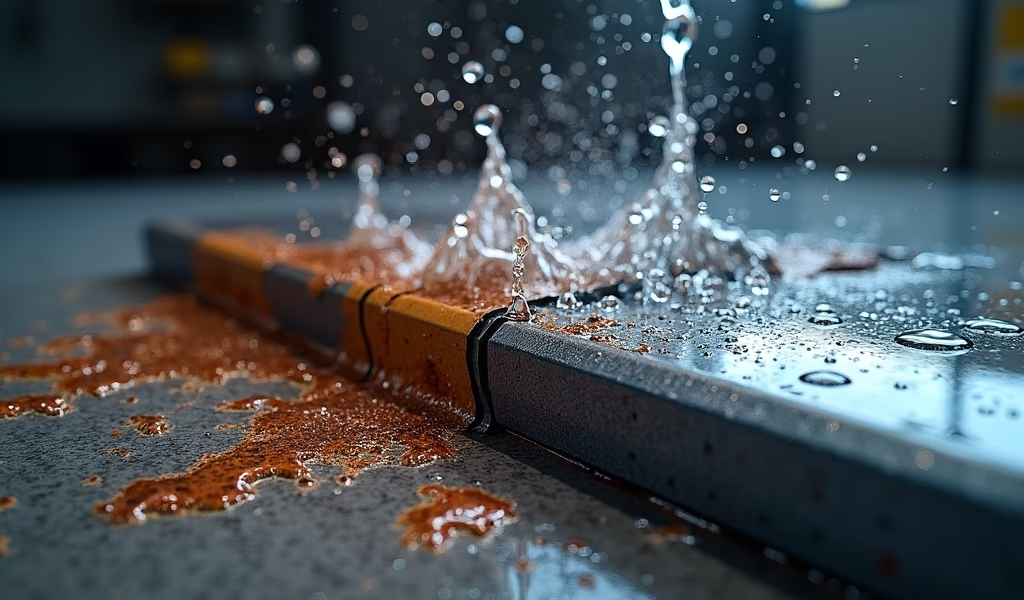
Before we dive into solutions, let’s understand why your splash guards are so prone to rusting. Metal splash guards (typically made from steel or aluminum) naturally want to return to their original state through oxidation. This process is like aging – inevitable but manageable with the right care.
The main culprits behind splash guard rust include:
- Road salt and de-icing chemicals that accelerate the corrosion process like lighter fluid on a barbecue
- Constant moisture exposure from rain, snow, and puddles
- Flying debris that chips away protective coatings
- Inadequate factory protection on some vehicle models
Warning signs that your splash guards are falling victim to rust include visible orange-brown spots, flaking metal, thinning areas, or even holes. If you spot these symptoms, it’s time to take action before the problem spreads to more critical components.
The splash guard’s position makes it particularly vulnerable – they’re constantly bombarded with water and debris while you drive. Understanding how water flows around your vehicle helps explain why these components face such a challenging environment.
Treatment #1: Rust Converters – Chemical Magic for Corroded Guards
Rust converters are my go-to first line of defense when treating splash guards that already show signs of corrosion. Unlike rust removers that strip away the problem, converters actually transform iron oxide (rust) into a stable, inert compound – essentially turning your enemy into an ally.
The science behind rust converters is fascinating. Most contain tannic acid or phosphoric acid that chemically reacts with iron oxide to create a stable, dark protective polymer coating. It’s like turning sugar into caramel – a complete transformation at the molecular level.
For best results when applying rust converters:
- Remove loose rust and scale with a wire brush or sandpaper
- Clean thoroughly with a degreaser and allow to dry completely
- Apply the converter with a brush or spray in thin, even coats
- Allow proper curing time (usually 24 hours) before adding a protective topcoat
My professional recommendation is Rust-Oleum Rust Reformer for most applications – it’s reliable, affordable, and available at most auto parts stores. For severe cases, Corroseal Water-Based Rust Converter offers industrial-strength performance.
This treatment typically provides 1-3 years of protection depending on your driving conditions, making it an excellent value for around $10-15 per can. The key benefit is that it works on rust that’s already present, making it ideal for older vehicles or those showing initial signs of corrosion.
Treatment #2: Protective Coatings – Creating an Impenetrable Shield
Once you’ve addressed existing rust, protective coatings create a physical barrier between your splash guards and the elements. These specialized formulations are like armor plating for your vehicle’s vulnerable areas, preventing moisture and corrosive substances from ever reaching the metal surface.
The most effective protective coatings for splash guard coverage include:
- Rubberized undercoating: Provides excellent moisture protection and some sound dampening
- Polyurethane coatings: Offers superior durability and chemical resistance
- Epoxy-based sealants: Creates a hard, chip-resistant barrier
For DIY application, preparation remains crucial for longevity. Clean surfaces thoroughly and apply in thin, even coats rather than one thick layer which can crack or peel. Most coatings require 2-3 applications with proper drying time between coats.
Cost comparison: DIY products typically range from $20-$40 for enough material to cover multiple splash guards. Professional application costs $100-$200 but offers precision application in hard-to-reach areas and typically lasts 30-50% longer than DIY applications.
The beauty of protective coatings is they work preventively on new components and can seal minor rust issues on existing parts. They’re part of essential maintenance tasks for vehicles in harsh climates or those used in challenging conditions.
Treatment #3: Galvanizing Sprays – Harnessing the Power of Zinc

Cold galvanizing sprays represent one of the most effective professional-grade treatments in my rust-fighting arsenal. These zinc-rich formulations mimic the galvanization process used in industrial applications but come in convenient spray form for DIY use.
The genius of galvanizing treatments lies in how they work. The zinc particles in the spray create a sacrificial barrier, corroding before the underlying steel does – essentially taking a bullet for your splash guards. This sacrificial protection works even when the coating is slightly damaged, unlike traditional paints.
For effective application of galvanizing sprays:
- Thoroughly clean and degrease the metal surface
- Remove all rust and corrosion with wire brush, sandpaper, or grinding
- Apply in a well-ventilated area with proper respiratory protection
- Spray in several light coats rather than one heavy coat
- Allow full curing before exposing to moisture (typically 24-48 hours)
Professional shops often use ZRC Cold Galvanizing Compound, which contains 95% zinc in the dry film and provides industrial-grade protection. For DIY applications, Crown Cold Galvanizing Compound offers excellent results at a lower price point.
This treatment works exceptionally well in coastal areas where salt air accelerates corrosion. In my professional experience, proper application of quality galvanizing spray can provide 3-5 years of protection even in harsh environments.
Treatment #4: Oil-Based Rust Inhibitors – The Moisture Fighters
For splash guards with minimal existing rust, oil-based inhibitors offer an effective and easy-to-apply solution. These penetrating formulations displace moisture and create a hydrophobic barrier that repels water like a freshly waxed car in a rainstorm.
What makes oil-based treatments unique is their ability to creep into seams, crevices, and tight spaces where water typically hides and starts the rusting process. They’re like secret agents, infiltrating areas you can’t reach with brushes or sprays.
Application best practices for maximum effectiveness:
- Apply to clean, dry surfaces for best penetration
- Use a spray applicator for comprehensive coverage
- Focus extra attention on mounting points and edges
- Allow 24 hours for full penetration and curing
- Reapply every 6-12 months, especially before winter
For vehicles in cold climates where road salt is common, thicker formulations like Fluid Film provide excellent staying power. In warmer regions, lighter products like Boeshield T-9 offer excellent penetration without getting gummy in heat.
The simplicity of this treatment makes it ideal for preventative maintenance. At around $15-20 per can, it’s an affordable way to extend the life of your splash guards and can be easily integrated into your seasonal maintenance routine.
Treatment #5: Upgrading to Rust-Resistant Materials
Sometimes the most effective solution isn’t treating rust but eliminating the possibility altogether. Modern aftermarket splash guards come in materials that laugh in the face of corrosion, making them a smart long-term investment for any vehicle.
The top rust-resistant material options include:
- High-grade thermoplastic: Completely immune to rust and highly impact-resistant
- Stainless steel: Provides the strength of metal with excellent corrosion resistance
- Aluminum: Naturally resistant to rust while remaining lightweight
While replacement requires a higher upfront investment ($50-$200 depending on your vehicle), the long-term economics make sense. Calculate the cost of repeated treatments and potential undercarriage damage against a one-time upgrade, and the math often favors replacement.
Installation typically takes 30-60 minutes per splash guard with basic tools, making it accessible to DIY enthusiasts. When buying replacement parts online, ensure you’re getting exact-fit components for your specific vehicle make and model.
From my professional perspective, this “set it and forget it” approach makes the most sense for vehicles you plan to keep long-term or those operating in particularly harsh environments.
Prevention Strategies: Keep Rust at Bay
As any mechanic worth their salt will tell you, prevention trumps treatment every time. Implementing these proactive strategies will significantly extend the life of your splash guards and save you money in the long run.
Develop a seasonal maintenance routine:
- Winter: Rinse the undercarriage weekly during salt season
- Spring: Perform thorough cleaning and inspection
- Summer: Check for damage from road debris
- Fall: Apply preventative treatments before winter
Regular cleaning is your first line of defense. A proper car wash that includes undercarriage rinsing removes corrosive substances before they can do damage. Think of it like brushing your teeth – a simple routine that prevents bigger problems.
Pay special attention to mounting points and edges where rust typically begins. Early intervention at the first sign of coating failure can prevent major issues. Remember that rust spreads like wildfire if left unchecked.
For those who prefer professional maintenance, most car wash facilities offer undercarriage treatments that include splash guard protection. While more expensive than DIY options, the thorough application can provide excellent peace of mind.
Conclusion: Your Action Plan Against Rust
After helping thousands of vehicles in my career, I’ve found that the most effective approach to splash guard coverage often combines multiple treatments based on your specific situation and vehicle condition.
For vehicles already showing signs of rust, start with a converter to stabilize existing corrosion, followed by a protective coating or galvanizing spray for long-term protection. For newer vehicles or preventative maintenance, regular application of oil-based inhibitors and diligent cleaning may be sufficient.
Remember that your splash guards protect critical undercarriage components worth thousands of dollars. A small investment in their maintenance pays significant dividends in your vehicle’s overall longevity and reliability.
Whether you choose DIY treatments or professional application, the key is consistency. Rust never sleeps, but with these proven treatments, you can ensure your splash guards remain effective sentinels protecting your vehicle mile after mile.
Don’t wait until orange spots appear – be proactive in your rust prevention strategy. Your wallet (and your future self) will thank you.
Frequently Asked Questions
How often should I inspect my splash guards for rust?
Inspect your splash guards at least twice a year, ideally at the beginning of spring and fall. More frequent inspections are recommended if you drive in areas with heavy road salt use or coastal environments.
Can plastic splash guards rust?
Plastic splash guards don’t rust but can degrade from UV exposure and become brittle over time. They can also crack from impact with road debris, reducing their effectiveness.
Is it worth fixing rusted splash guards or should I just replace them?
If rust is minimal and the structural integrity is intact, treatment is cost-effective. For severely rusted guards with holes or significant thinning, replacement with rust-resistant materials offers better long-term value.
Will removing my splash guards cause problems?
Removing splash guards without replacement can lead to accelerated corrosion of undercarriage components and potential paint damage from debris. It may also affect cooling system performance on some vehicles.
How much does professional splash guard rust treatment cost?
Professional treatments typically range from $75-150 for basic rust conversion and coating. Complete replacement with installation runs $150-300 depending on vehicle make and material quality.
[June 4, 2024]