
Overview
Safety chains are the unsung backup singers of your towing setup, ready to save the day when your primary hitch connection fails (and they deserve better than being treated like the weird cousin nobody talks to at family reunions). This article offers professional advice on proper chain length, rust prevention, crossover attachment techniques, quick-release systems, and seasonal weatherproofing strategies to ensure your safety chains are ready when you need them most.
Table of Contents
- Understanding Safety Chains: Your Towing Insurance Policy
- Proper Chain Length: Finding the Sweet Spot
- Rust Prevention: Keeping Your Chains Strong
- Correct Attachment Methods: The Crossover Technique
- Quick-Release Systems: Save Time and Fingers
- Weatherproofing: Seasonal Protection Strategies
- Conclusion: Chain Reaction to Safety
- Frequently Asked Questions
Understanding Safety Chains: Your Towing Insurance Policy
Let’s be honest – safety chains aren’t the sexiest part of your towing setup. They’re like the backup singers to the main hitch connection’s lead vocalist. But when that lead vocalist fails (and trust me, I’ve seen it happen more times than I can count), those backup singers save the whole show.
Safety chains serve as your last line of defense when towing. Think of them as your emergency insurance policy – you hope you’ll never need them, but you’ll be eternally grateful they’re there if your primary connection fails. According to NHTSA data, properly attached safety chains have prevented countless road accidents when hitches have disconnected unexpectedly.
In my 20+ years working as a mechanic, I’ve heard too many horror stories about what happens when safety chains are neglected or improperly attached. Picture this: A family heading to their vacation spot, trailer in tow, when suddenly their ball hitch fails. Without proper safety chains, that trailer becomes a 3,000-pound missile careening into traffic. With good chains? The trailer stays connected, dragging a bit uncomfortably until they can safely pull over. Big difference!
Throughout this article, I’ll share the professional-grade maintenance hacks I’ve learned over decades in the shop – the same ones I use on my own towing setup. These aren’t just theoretical tips; they’re battle-tested techniques that could genuinely save lives (and a whole lot of money in damages).
Proper Chain Length: Finding the Sweet Spot
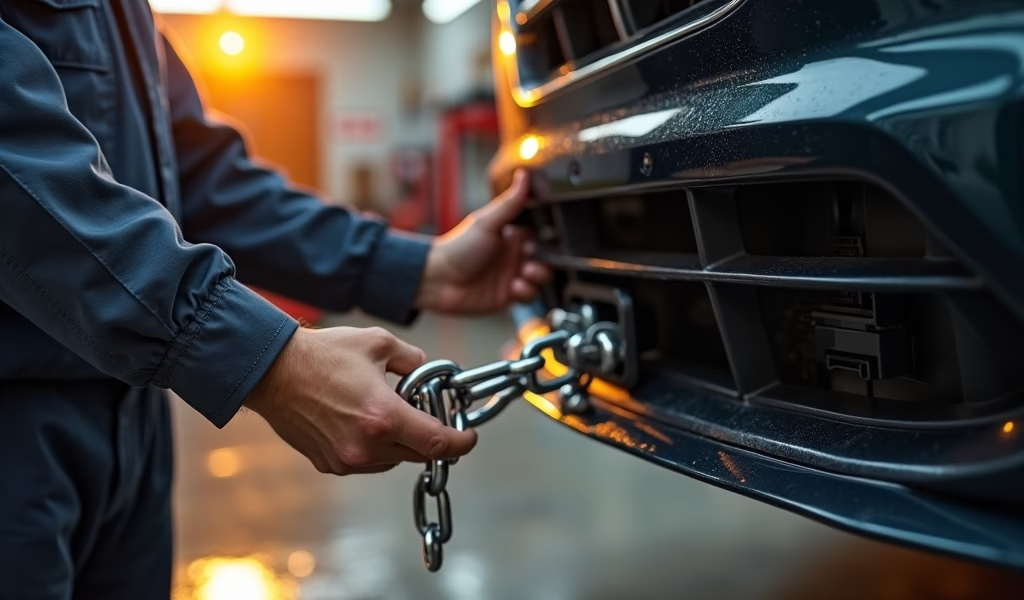
When it comes to safety chains, size really does matter. Too long, and you’ve got chains dragging on the asphalt creating a spectacular (but dangerous) light show. Too short, and you’re restricting your turning radius or risking chain failure during tight maneuvers.
The perfect chain length allows enough slack for turning but keeps the chains from dragging on the ground. Here’s my foolproof method for getting it right:
- Connect your trailer to your vehicle as you normally would
- Cross the chains under the trailer tongue (more on why that’s important later)
- Check that the chains hang with a slight droop – they should be above ground level at their lowest point
- Turn your vehicle in both directions at full lock to ensure the chains don’t become tight
A quick rule of thumb I tell my customers: your safety chains should have just enough slack to form a gentle smile under your trailer tongue, not a deep frown that kisses the pavement.
I once had a customer who insisted his extra-long chains were “just fine” until I showed him the half-worn links from dragging. Those weakened chains would have snapped like twigs in an actual emergency. Don’t be that guy!
If your chains are too long, don’t just twist them up and hope for the best. Either replace them with the proper length or have a professional shorten them correctly. The few bucks you’ll spend getting this right is nothing compared to the potential costs of a trailer breakaway.
Rust Prevention: Keeping Your Chains Strong
Rust is the silent killer of safety chains. Those innocent-looking orange flakes are actually your chain screaming, “Help! I’m deteriorating!” Think of rust as chain cancer – caught early, it’s treatable; ignored, it’s fatal.
As someone who’s seen thousands of safety chains in various states of decay, I can tell you that preventative maintenance is infinitely easier than replacement. Here’s my three-part approach to keeping rust at bay:
Inspection Routine
Develop the habit of inspecting your safety chains every time you hitch up. Look for:
- Reddish-brown discoloration or flaking
- White powdery coating (indicating aluminum corrosion)
- Stiff links that don’t move freely
- Thinning metal at wear points
Remember: What you can see is often just the tip of the iceberg. Rust works from the inside out, so visible corrosion usually means significant internal weakening has already occurred.
Cleaning Protocol
Found some rust? Don’t panic! Here’s my shop-tested cleaning method:
- For light surface rust: Scrub with a wire brush, then apply a rust converter product
- For moderate rust: Soak chains in white vinegar overnight, scrub, rinse thoroughly with fresh water, and dry completely
- For severe rust: It’s time for replacement – no hack can restore severely compromised chains
After cleaning, ensure the chains are bone dry before applying protection. I’ve seen well-intentioned folks immediately oil damp chains, effectively trapping moisture against the metal. That’s like inviting rust to dinner and offering to cook the meal!
Protection Application
Once clean and dry, protect your chains with:
- Marine-grade chain lubricant (my personal favorite)
- High-quality spray-on wax
- Specialized chain protectant like Fluid Film
Apply protection quarterly in normal conditions, monthly if you tow near saltwater or during winter road salt season. This simple routine has saved my customers thousands in replacement costs over the years.
Correct Attachment Methods: The Crossover Technique
Ever wonder why mechanics insist on crossing safety chains under the trailer tongue? It’s not just tradition or some secret handshake among towing professionals. The crossover technique creates a cradle that catches the trailer tongue if your hitch fails, preventing it from digging into the pavement.
I’ve witnessed the aftermath of straight-chain setups versus crossed chains, and let me tell you – the difference is like comparing a fender bender to a total wreck. Here’s how to get it right:
The Perfect Cross
- Attach each chain to the appropriate connection point on your tow vehicle
- Cross the chains under the trailer tongue forming an X
- Ensure the hooks face outward with the opening pointing down (this prevents them from bouncing out)
- Check that nothing interferes with the chains’ movement during turns
The chains should form a cradle that would catch the tongue at a safe height if the primary connection fails. If your trailer hitch detaches, this crossed configuration keeps the tongue from slamming into the pavement and potentially causing you to lose control.
Hook Selection Matters
Not all safety chain hooks are created equal. If you’re still using basic S-hooks, consider upgrading to:
- Clevis hooks with spring-loaded safety latches
- Quick links with threaded closures
- Bolt-on attachment points for maximum security
These upgraded hooks cost a few dollars more but dramatically increase security. Think of it as the difference between leaving your front door held shut with a hook versus locked with a deadbolt. Which would you trust more with your family’s safety?
I recommend inspecting your attachment points for wear each time you connect. Metal-on-metal contact areas tend to develop wear patterns over time that can weaken the connection. If you spot significant wear, replace those components before they fail when you need them most.
One trick I learned from safety system experts is to add a drop of blue threadlocker to bolted connection points. This prevents vibration-induced loosening without making future adjustments impossible. Just be sure to check the torque specifications – overtightening is just as dangerous as too loose.
Quick-Release Systems: Save Time and Fingers
Let’s face it – hooking up traditional safety chains can be a literal pain. I’ve smashed, pinched, and frozen my fingers more times than I care to remember over the years. If you tow frequently, investing in quick-release systems will save your fingers, time, and probably a fair bit of colorful language.
Quick-release attachments are the difference between fumbling with a traditional key in the dark and using a modern keyless entry system. Once you try them, you’ll wonder how you ever lived without them.
Types of Quick-Release Systems
Several excellent options exist, depending on your specific setup:
- Spring-loaded carabiners (ensure they’re rated for towing weight)
- Purpose-built trailer quick connectors
- Receiver-mounted chain attachment points
- Magnetic quick-release systems (newer technology)
My personal favorite for most setups is the spring-loaded clevis hook with safety latch. They combine quick one-hand operation with excellent security and reasonable cost. For heavier trailers, I recommend dedicated quick-release systems designed specifically for your weight class.
Installation Tips
When installing quick-release systems:
- Ensure all components are rated for your Gross Trailer Weight (GTW)
- Install according to manufacturer specifications (torque values matter!)
- Test connections by tugging firmly in multiple directions
- Consider adding redundant securing methods for critical applications
Remember that convenience should never compromise safety. Some bargain-basement quick-release systems fail under load or vibration. Stick with respected brands and check reviews from other towers before committing.
I once worked with a customer who towed their boat nearly every weekend in summer. The time spent installing a quality quick-release system paid for itself in convenience within a month, and they reported it made their whole towing experience less stressful. When hooking up becomes easier, you’re also more likely to take the time to do it correctly every time.
Weatherproofing: Seasonal Protection Strategies
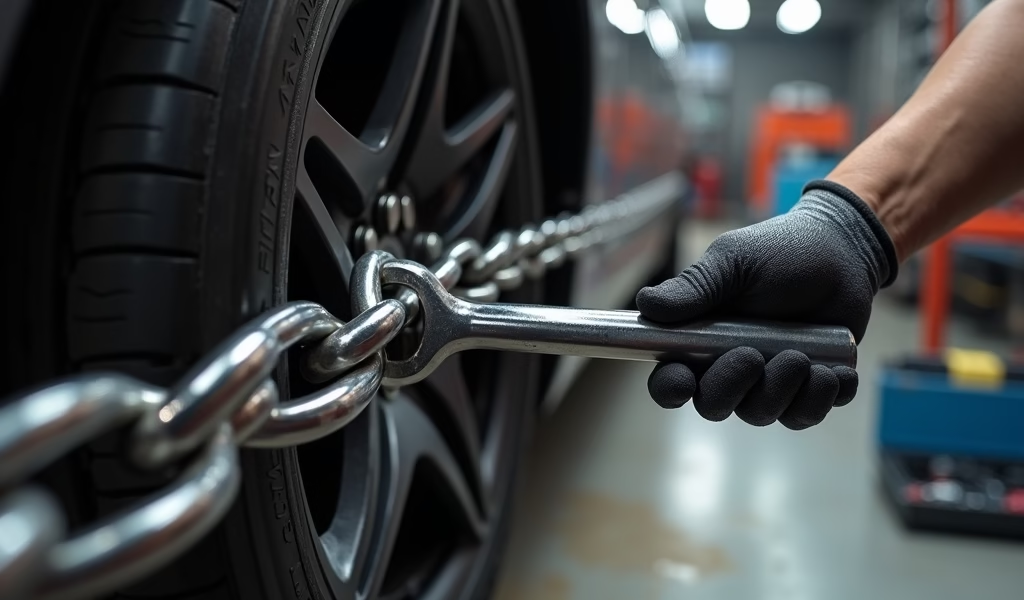
Your safety chains face a constant barrage of environmental attacks. Rain, snow, salt, mud, UV radiation – they all conspire to weaken your chains over time. A proactive approach to weatherproofing extends chain life dramatically and ensures they’re ready when you need them most.
Having worked in both the snowy Northeast and the humid Southeast, I’ve developed different seasonal strategies for maximum chain protection. Here’s what works best:
Summer Protection
Summer brings its own challenges – primarily UV radiation and intermittent moisture that creates perfect rust conditions.
- Apply a UV-resistant lubricant to prevent sun damage
- After beach trips, thoroughly rinse salt water exposure and dry completely
- Store chains out of direct sunlight when not in use
- Consider chain covers for extended outdoor storage
The biggest summer mistake I see is leaving chains wet after a rainstorm or car wash. That trapped moisture becomes a rust factory in warm weather. Take the extra minute to dry your chains with a clean shop towel after they get wet.
Winter Survival
Winter is brutal on safety chains, especially in areas where road salt is used.
- Apply a heavy-duty marine grease before winter begins
- Rinse chains with warm water after exposure to road salt
- Consider chain socks or covers for severe conditions
- Reapply protectant more frequently during winter months
One winter hack I recommend to all my customers: keep a spray bottle with a 50/50 mix of warm water and vinegar in your vehicle during winter. A quick spray and wipe after driving on salted roads neutralizes the salt before it can cause damage.
For those storing trailers during off-seasons, don’t just leave chains hanging. Either remove them entirely and store indoors or protect them thoroughly and check periodically. I’ve seen too many springtime disappointments when people discover their chains rusted through during winter storage.
As part of your vehicle emergency preparedness, consider keeping a spare set of properly sized safety chains in your tow vehicle. Having backups has saved many of my customers from canceled trips when they discovered chain damage during pre-trip inspections.
Conclusion: Chain Reaction to Safety
Throughout this article, we’ve covered the five essential maintenance hacks that transform your safety chains from neglected afterthoughts into reliable lifesavers:
- Finding the perfect chain length for your specific setup
- Preventing and treating rust before it becomes dangerous
- Mastering the crossover attachment method
- Implementing quick-release systems for convenience and consistency
- Weatherproofing your chains against seasonal threats
These aren’t just theoretical tips – they’re proven techniques I’ve refined over decades of professional experience. Each represents a layer of protection for you, your family, and everyone sharing the road with you.
Remember that safety chain maintenance isn’t just about compliance with regulations – it’s about genuine peace of mind. The few minutes you spend on proper maintenance might seem insignificant, but they can literally be the difference between a minor inconvenience and a major disaster.
So before your next towing adventure, take a moment to give those unsung heroes of your towing setup some attention. Check their condition, verify proper attachment, and make sure they’re ready to perform flawlessly if called into action.
Your safety chains are standing by, ready to prevent a catastrophe. The only question is: have you given them the care they need to do their job?
Don’t wait until you’re stranded roadside with a detached trailer to appreciate good safety chains. Schedule a comprehensive towing system inspection with our expert technicians today. At Know Your Car, we’ll ensure your entire towing system is road-ready with our 27-point trailer safety inspection.
Call us at 555-CAR-SAFE or visit our website to book your appointment. Because when it comes to towing safety, prevention isn’t just better than cure – it’s the only acceptable approach.
Frequently Asked Questions
How often should I inspect my safety chains?
Inspect your safety chains before every towing trip and perform a thorough check monthly. Look for rust, wear, damaged links, and proper function of all attachment points.
Can I use any chain as a safety chain?
No, only use chains specifically rated for trailer safety with appropriate weight ratings. Standard hardware store chains aren’t designed for the dynamic loads experienced during towing.
What’s the weight rating I need for my safety chains?
Your safety chains should be rated for at least the gross trailer weight (GTW) of your fully loaded trailer. When in doubt, go with a higher rating for added safety margin.
Is it legal to tow without safety chains?
No, safety chains are legally required in all 50 states when towing trailers. Requirements for specific ratings and attachments may vary by state and trailer weight.
Can safety chains be repaired if damaged?
Minor surface rust can be treated, but chains with significant rust, stretched links, or any deformation should be replaced immediately. Never attempt to weld or repair safety chain links.