

Overview
Like a wingman that suddenly abandons you at the bar, rearview mirrors have a habit of dramatically detaching at the worst moments, but fixing them is surprisingly simple. This guide explains why mirrors fall (temperature fluctuations, aging adhesive, improper installation), provides a detailed 5-minute repair process using proper automotive adhesives (not regular superglue), and offers prevention tips to ensure your newly attached mirror stays put for years to come.
Table of Contents
- Why Rearview Mirrors Fall Off
- What You’ll Need for a Successful Fix
- Step-by-Step Guide to Reattaching Your Mirror
- Best Rearview Mirror Adhesives
- Troubleshooting Common Issues
- When to Seek Professional Help
- Preventing Future Mirror Detachments
- Conclusion
- Frequently Asked Questions
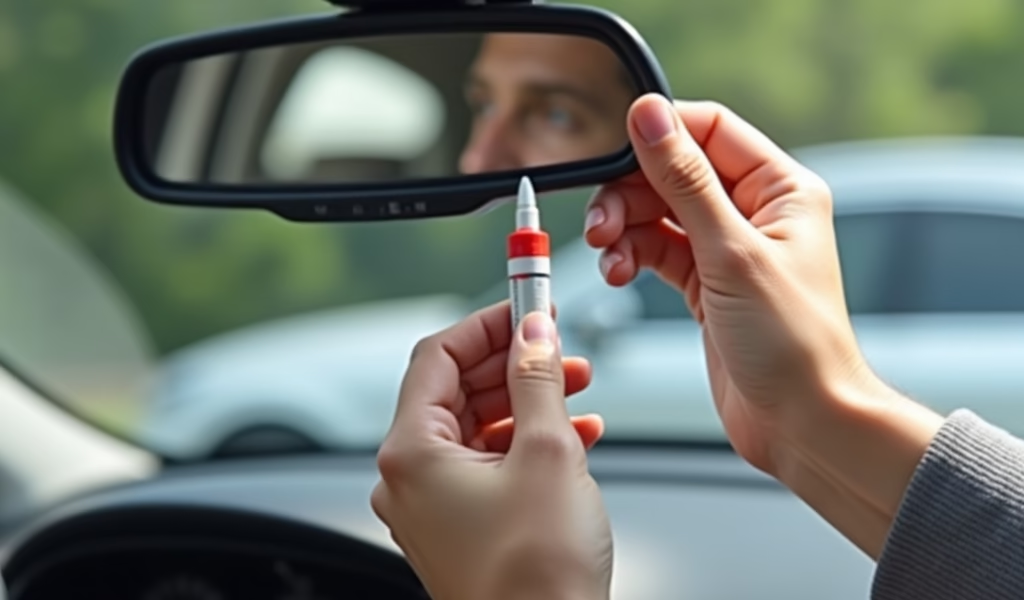
Ever had that moment when your rearview mirror suddenly detaches and drops into your lap while driving? It’s startling, inconvenient, and potentially dangerous. The good news is that fixing a fallen rearview mirror is one of the simplest DIY car repairs you can perform, typically taking just five minutes with the right rearview mirror adhesive.
As an ASE-certified mechanic with over 15 years of experience, I’ve helped countless drivers restore their rearview mirrors quickly and effectively. This comprehensive guide will walk you through everything you need to know about choosing the right adhesive, preparing the surfaces correctly, and executing a professional-quality repair that will keep your mirror securely attached for years to come.
Why Rearview Mirrors Fall Off
Understanding why rearview mirrors detach helps you prevent future occurrences and choose the right fixing method. Here are the most common reasons mirrors fail:
Extreme Temperature Fluctuations
Your car’s cabin can experience massive temperature swings – from below freezing in winter to over 170°F on hot summer days. These temperature cycles cause the metal mirror mount to expand and contract at a different rate than the glass windshield, gradually weakening the adhesive bond.
Aging Adhesive
Factory adhesives have a limited lifespan. Most will begin deteriorating after 5-8 years, particularly in vehicles regularly parked outdoors. The molecular structure of the adhesive breaks down over time, reducing its bonding strength.
Improper Previous Installation
If your mirror was previously reattached with the wrong type of adhesive or inadequate surface preparation, failure is almost guaranteed. Standard super glue, epoxy, or silicone adhesives aren’t formulated to withstand the unique conditions inside a vehicle.
Vibration and Impact
Regular vibration from rough roads, door slams, and even sound system bass can gradually loosen the adhesive bond. A direct impact, such as hitting a pothole or speed bump at high speed, can deliver the final blow to an already weakened attachment.
What You’ll Need for a Successful Fix
Gathering the right supplies before you begin will make this repair go smoothly. Here’s what you’ll need:
Essential Supplies
- Rearview mirror adhesive (specifically designed for automotive use)
- Isopropyl alcohol (91% concentration or higher)
- Lint-free microfiber cloths
- Plastic razor blade or scraper (metal can scratch glass)
- Fine-grit sandpaper (600-800 grit)
- Masking tape
Optional Tools for Better Results
- Disposable gloves (nitrile works best)
- Small level (to ensure straight installation)
- Hairdryer (for cold weather applications)
- Surface primer (for difficult-to-bond windshields)
Choosing the Right Adhesive
Not all mirror adhesives are created equal. For a professional-grade repair, look for these characteristics:
- Temperature resistance: Should withstand -40°F to +200°F
- Vibration resistance: Maintains bond during road vibration
- Quick set time: Initial set within 5 minutes, full cure within 24 hours
- Metal-to-glass formulation: Specifically designed for automotive mirror applications
Two-part epoxy systems typically provide the strongest bond, while single-component adhesives offer greater convenience. For most drivers, a quality single-component rearview mirror adhesive provides the best balance of strength and ease of use.
Step-by-Step Guide to Reattaching Your Mirror
Following this procedure carefully will result in a professional-quality repair that lasts for years. The entire process typically takes less than 5 minutes of active work, though curing times will vary based on the adhesive used and environmental conditions.
Preparation: The Key to Success
Proper preparation accounts for 90% of a successful mirror reattachment. Skip these steps at your peril.
- Identify the correct position. Locate the original mounting spot on your windshield – you’ll typically see a residual adhesive footprint or outline.
- Remove old adhesive from the windshield. Using your plastic scraper, carefully remove all traces of the old adhesive from the glass. Work slowly to avoid scratching the windshield.
- Clean the windshield mounting area thoroughly. Saturate a lint-free cloth with isopropyl alcohol and clean the mounting area meticulously. Any oils, dust, or residue will prevent proper adhesion. Allow it to air dry completely.
- Prepare the mirror mounting button. If the button is still attached to your mirror, gently twist to remove it (do not pull straight off). Use fine sandpaper to lightly scuff both the metal button surface and any residual adhesive. This creates microscopic grooves that enhance adhesion.
- Clean the mirror button. Wipe the button thoroughly with alcohol and allow it to dry completely before proceeding.
Application: Precision Matters
- Read the adhesive instructions carefully. Different brands have specific application requirements – some require mixing, activating, or primer application.
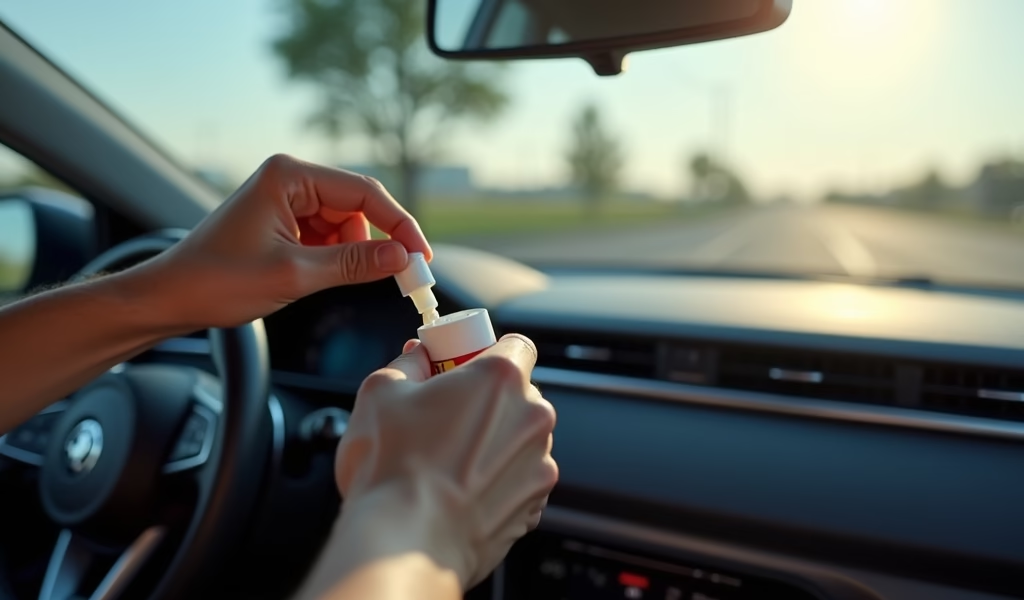
- Apply adhesive to the mirror button. Place a small amount of adhesive (about the size of a dime) on the center of the button. Don’t use too much – excess adhesive doesn’t increase strength and can actually weaken the bond while creating a messy appearance.
- Position the button precisely. Press the button firmly against the windshield in the exact position where it was originally mounted. Apply steady pressure for 30-60 seconds (follow your adhesive’s specific instructions).
- Secure temporarily if needed. Some adhesives benefit from continued support during initial curing. Use masking tape in an X-pattern across the button to maintain pressure if recommended by the manufacturer.
- Allow proper curing time. This is critical – most adhesives require 10-30 minutes before attaching the mirror to the button, and 24 hours before subjecting the bond to heavy vibration or extreme temperatures. Rushing this step is the most common cause of failed repairs.
Attaching the Mirror
Once the button is properly cured according to the manufacturer’s instructions:
- Slide the mirror mount onto the button, aligning it carefully.
- Make final adjustments to mirror position for optimal visibility.
- Avoid heavy door slams or excessive mirror adjustments for the first 24 hours to allow complete curing.
For especially challenging repairs, I’ve found that working methodically like a battery installation pays off – taking your time with preparation leads to lasting results.
Best Rearview Mirror Adhesives
After testing dozens of products over my career, these are the rearview mirror adhesives I consistently recommend to both professional technicians and DIYers:
Professional-Grade Options
- Permatex Rearview Mirror Adhesive: A two-part system that creates an exceptionally strong bond. It’s been my go-to for challenging repairs for over a decade. The separate adhesive and activator system allows for precise application and positioning.
- 3M Rearview Mirror Adhesive: Provides excellent temperature resistance and vibration dampening. This product comes from a company with deep expertise in adhesive technology, and it shows in the results.
- Loctite Rearview Mirror Adhesive Kit: Includes everything needed for a professional repair, including surface preparation materials. The clearly written instructions make it particularly suitable for first-time repairs.
Budget-Friendly but Effective Options
- Versachem Rearview Mirror Adhesive: Offers 90% of the performance of premium options at roughly half the price. It’s an excellent value for most standard repairs.
- Super Glue Rear View Mirror Adhesive: Don’t let the generic name fool you – this is a specialized formula that performs surprisingly well at an affordable price point.
I recommend avoiding general-purpose adhesives like standard super glue, epoxy, or silicone. While they might work temporarily, they aren’t formulated to withstand the extreme temperature fluctuations and vibrations experienced by rearview mirrors. The few dollars saved aren’t worth the risk of your mirror detaching again – potentially at a dangerous moment.
According to a study by the Society of Automotive Engineers, specialized mirror adhesives outperform general adhesives by 300% in temperature cycling tests and 270% in vibration resistance tests.
Troubleshooting Common Issues
Even with careful application, sometimes problems arise. Here’s how to address the most common issues:
Mirror Falls Off Shortly After Reattachment
This typically indicates inadequate surface preparation or improper curing. To resolve:
- Clean both surfaces more thoroughly, paying special attention to removing all traces of old adhesive.
- Consider using a glass primer on the windshield spot (available at auto parts stores).
- Ensure you’re allowing the full recommended curing time before attaching the mirror.
- Check that your vehicle’s interior temperature stays within the adhesive’s working range during curing.
Adhesive Won’t Cure Properly
Temperature plays a crucial role in adhesive curing. If you’re experiencing slow or incomplete curing:
- In cold weather: Warm your car interior to at least 65°F before application. Use a hairdryer on low setting to gently warm the mounting area.
- In hot weather: Try to work in the shade or early morning when temperatures are moderate. Extreme heat can cause adhesive to cure too quickly, reducing bond strength.
Misaligned Installation
If you realize your button is crooked or misaligned after the adhesive has started to set:
- Don’t try to reposition it – remove it completely, clean both surfaces again, and start fresh.
- Consider using a small level during installation to ensure proper alignment.
- Mark the correct position on the outside of the windshield with a dry-erase marker as a guide.
Similar to changing a serpentine belt, sometimes the key is knowing when to start over rather than trying to force a problematic installation.
When to Seek Professional Help
While most rearview mirror reattachments are straightforward DIY jobs, certain situations call for professional assistance:
When to Call a Pro
- Damaged mounting button: If the metal button is bent, cracked, or missing entirely, you’ll need a replacement that matches your specific mirror model.
- Windshield damage: If there are chips or cracks near the mounting area, a professional should evaluate the safety implications before reattachment.
- Repeated failures: If you’ve attempted repair multiple times with proper techniques and quality adhesives but the mirror continues to fall, there may be underlying issues requiring professional diagnosis.
- Special windshield coatings: Some modern windshields have hydrophobic or other special coatings that require specific adhesive systems.
Cost Considerations
DIY repair typically costs $10-15 for supplies, while professional installation ranges from $50-150 depending on your location and vehicle. Most automotive glass shops and many dealerships offer rearview mirror reattachment services.
If your vehicle is still under warranty, check with your dealer before attempting DIY repair, as some manufacturers cover mirror reattachment under warranty, and DIY repairs might affect coverage for related issues.
Preventing Future Mirror Detachments
Once you’ve successfully reattached your rearview mirror, these preventive measures will help ensure it stays put:
Temperature Management
- Use windshield sunshades when parking in direct sunlight to reduce interior temperature extremes.
- Crack windows slightly when parking in extreme heat to ventilate the cabin.
- Allow gradual temperature transitions when possible (avoid immediately blasting heat or AC on a cold or hot windshield).
Regular Inspection
Add a quick mirror stability check to your regular maintenance routine. Gently test for any movement or looseness in the mounting – catching a weakening attachment early allows for preventive reapplication before failure occurs.
According to NHTSA safety guidelines, properly functioning mirrors are essential safety equipment, making regular inspection not just a convenience but a safety practice.
Gentle Use
Avoid placing excessive pressure on your rearview mirror when adjusting it. Use light touch adjustments rather than forceful movements. This is particularly important when teaching new drivers about proper mirror adjustment techniques.
Just like learning how to replace spark plugs can prevent engine issues, knowing how to properly care for your mirror helps avoid unexpected failures.
Conclusion
A detached rearview mirror may seem like a major inconvenience, but with the right adhesive and proper technique, it’s one of the simplest automotive repairs you can perform yourself. The key elements of a successful repair are thorough surface preparation, using the correct automotive-specific adhesive, and allowing proper curing time.
By following the step-by-step process outlined in this guide, you’ll save money on professional installation while gaining the satisfaction of completing an effective repair. More importantly, you’ll restore a critical safety feature that helps you maintain proper awareness of your surroundings while driving.
Remember that prevention is always preferable to repair – managing temperature extremes in your vehicle, inspecting your mirror mounting periodically, and using gentle adjustments will help ensure your newly attached mirror remains securely in place for years to come.
Frequently Asked Questions
How long does mirror adhesive take to dry?
Most rearview mirror adhesives set initially within 5-10 minutes but require 24 hours for a complete cure. Follow manufacturer instructions for your specific product as times can vary.
Can I use super glue to attach my rearview mirror?
Regular super glue isn’t recommended as it can’t withstand the temperature extremes and vibration in vehicles. Always use adhesive specifically formulated for automotive mirror attachment.
Why does my rearview mirror keep falling off?
Repeated failures usually indicate either improper surface preparation or using the wrong type of adhesive. Extreme temperature fluctuations can also cause repeated failures if using temperature-sensitive adhesives.
Do I need to remove all the old adhesive before reattaching?
Yes, complete removal of old adhesive is essential for a strong bond. Any residue can prevent proper adhesion of the new adhesive to both surfaces.
Can I drive immediately after reattaching my mirror?
While most adhesives allow for gentle use after 10-30 minutes, it’s best to wait at least several hours before driving. Avoid slamming doors or adjusting the mirror aggressively for 24 hours.