

Overview
While the Range Rover Velar’s air suspension system delivers that coveted “floating on air” luxury experience, it’s also one of the most common sources of expensive headaches for owners, with repairs ranging from $2,000 to $5,000. Understanding the warning signs (uneven ride height, extended compressor runtime, dashboard warnings), performing regular maintenance, and knowing when to seek professional help can significantly extend your system’s lifespan and help you avoid those eye-watering repair bills.
Table of Contents
- Understanding Range Rover Velar Air Suspension
- How Air Suspension Works
- Common Air Suspension Problems
- Warning Signs of Failing Air Suspension
- Preventative Maintenance Tips
- Repair Options and Costs
- When to Seek Professional Help
- Extending the Life of Your Air Suspension
- Conclusion
- Frequently Asked Questions
Understanding Range Rover Velar Air Suspension
The Range Rover Velar’s air suspension system isn’t just a luxury feature—it’s an engineering marvel that transforms your driving experience. This sophisticated system replaces traditional metal springs with air-filled bags that can adjust your vehicle’s height and ride quality on the fly.
As a mechanic who’s worked on countless Range Rovers, I can tell you that while this system delivers an incredibly smooth ride and impressive off-road capability, it’s also one of the most common sources of headaches for Velar owners. When functioning properly, the air suspension gives your Velar that distinctive “floating on air” feeling that makes Range Rovers special.
But here’s the reality—air suspension systems are complex and contain components that will eventually wear out. The average repair cost for a complete system failure can range from $2,000 to $4,000, catching many owners off guard. The good news? With proper knowledge and preventative care, you can significantly extend your system’s lifespan and avoid those eye-watering repair bills.
How Air Suspension Works
Think of your Velar’s air suspension as an intricate ballet of mechanical and electronic components working together. Unlike conventional springs that have a fixed rate, air suspension can adapt to different conditions instantly.
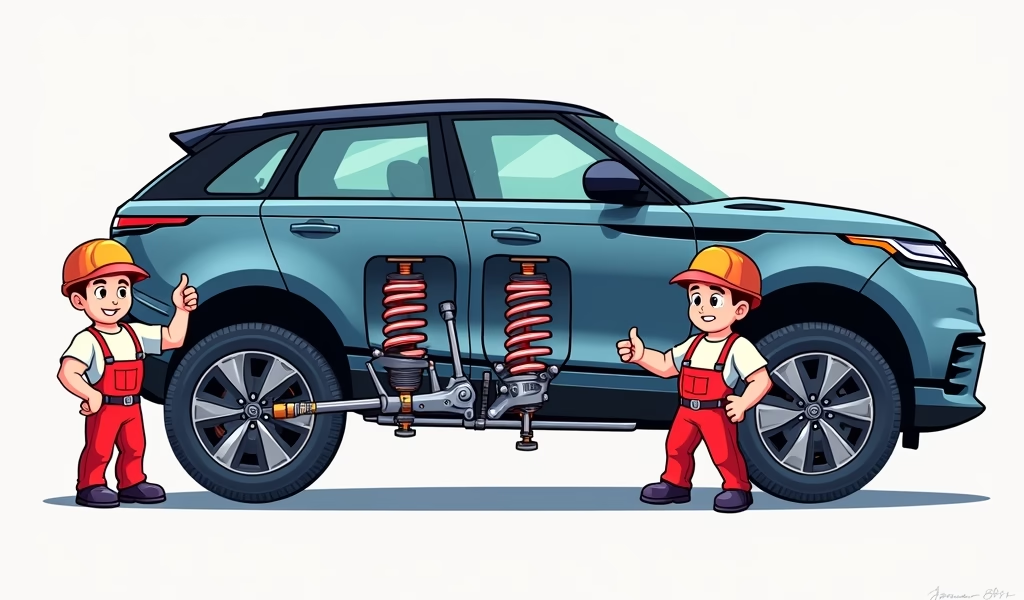
At the heart of the system is an air compressor—essentially the workhorse that pressurizes air for the entire setup. This compressor pumps air through a series of lines to air springs (sometimes called air bags or struts) located at each wheel. These air springs inflate or deflate to adjust ride height based on driving conditions and settings you select.
The system is managed by a control module that receives input from height sensors at each wheel. When you select “off-road” mode, the control module commands more air into the springs, raising the vehicle. When you’re cruising on the highway, it lowers the Velar to improve aerodynamics and stability.
The complexity doesn’t stop there. The system also includes dryers to remove moisture from the air (which can cause corrosion), valve blocks to direct air flow, and a network of air lines connecting everything. According to Land Rover’s engineering team, the Velar’s air suspension makes over 500 individual adjustments per second while you’re driving.
Common Air Suspension Problems
After servicing hundreds of Range Rovers, I’ve seen patterns emerge when it comes to air suspension failures. Understanding these common issues can help you spot trouble before it leaves you stranded.
Air springs develop leaks over time. The rubber components that make up these air bags naturally age and can develop tiny perforations or cracks. Even a pinhole leak will force your compressor to work overtime, eventually leading to its premature failure.
The compressor itself is another frequent failure point. These units typically last 60,000-80,000 miles before requiring replacement. When they fail, your Velar will gradually sink to the ground and stay there. Compressors usually fail because they’re overworked due to leaks elsewhere in the system or because moisture has damaged their internal components.
Height sensors can become damaged or misaligned, especially if you frequently go off-road. When these sensors provide incorrect readings, your suspension might make inappropriate adjustments or throw error codes.
The air lines and connections throughout the system are particularly vulnerable in cold climates. Freezing temperatures make the plastic lines brittle, and road salt accelerates corrosion at connection points. A study from the Society of Automotive Engineers found that air suspension failures occur almost twice as frequently in regions with harsh winters.
Control modules can also fail due to moisture intrusion or electrical issues. While less common than mechanical failures, these electronic problems often present with similar symptoms but require completely different repairs.
Warning Signs of Failing Air Suspension
Your Velar will usually give you several warning signs before a catastrophic suspension failure. Learning to recognize these early signals can save you thousands in repair costs.
The most obvious sign is uneven ride height. If your Velar appears to be sagging in one corner or sitting noticeably lower after being parked overnight, you’re likely experiencing an air leak. This symptom often starts subtly—perhaps just a slight lean to one side—before becoming more pronounced.
Listen for your compressor running for extended periods. A healthy system only needs to run the compressor occasionally to maintain pressure. If you can hear it running for more than 30-45 seconds at a time, especially when the vehicle is parked, something’s wrong.
Pay attention to ride quality changes. If your once-smooth Velar suddenly feels bouncy or you notice it bottoming out over bumps, your air springs may be losing their ability to maintain consistent pressure.
Dashboard warning lights are another clear indicator. Messages like “Suspension Fault,” “Suspension Service Required,” or “Suspension in Extended Height” that appear regularly shouldn’t be ignored, even if your Velar seems to be riding normally.
Unusual noises are telling as well. Listen for hissing sounds (indicating air leaks) or grinding noises when the compressor runs (suggesting mechanical failure). Strange knocking or clunking from the suspension when driving over bumps often means the air springs aren’t properly pressurized.
Preventative Maintenance Tips
An ounce of prevention is worth a pound of cure—especially with air suspension systems. Here are practical steps every Velar owner should take:
- Perform regular visual inspections of your air springs and lines. Look for any signs of rubbing, cracking, or leaking. Pay special attention to the accordion-like section of the air springs, which flexes most during operation.
- Keep your system clean, especially if you drive off-road. Mud, road salt, and debris can accelerate corrosion of components. A thorough undercarriage wash several times a year is cheap insurance.
- Monitor your compressor’s operation. Familiarize yourself with how long it normally runs so you can spot changes that might indicate developing problems.
- Consider aftermarket compressor protection. Some companies offer shields that help prevent debris and moisture from damaging your compressor.
- Address minor issues immediately. That small leak won’t fix itself, and delaying repairs often leads to cascading failures as one component damages others.
One of the smartest preventative moves is having your system scanned with professional diagnostic equipment annually. Many suspension issues can be detected before they cause noticeable symptoms. This typically costs $100-150 but can save thousands by catching problems early.
If you store your Velar for extended periods, consider using the vehicle’s transport mode (if equipped) or supporting it on jack stands to reduce stress on the air components. Just be sure to follow proper procedures as outlined in your owner’s manual.
Repair Options and Costs

When repairs become necessary, you’ll have several options, each with different cost implications. Let me break down what you can expect:
Dealership repairs offer factory-trained technicians and genuine Land Rover parts, but at premium prices. A complete air suspension overhaul at a dealership can cost $3,500-5,000. Individual component replacement is somewhat more reasonable: a single air spring typically runs $800-1,000 installed, while a compressor replacement might cost $1,200-1,500.
Independent specialist shops can offer significant savings, often 30-40% less than dealership prices while maintaining quality work. Look for shops that specialize in Land Rover vehicles rather than general repair facilities.
The aftermarket parts landscape offers various quality tiers. Premium aftermarket brands like Arnott produce components that often match or exceed OEM specifications at 20-30% lower cost. Budget aftermarket parts exist but generally don’t offer the durability needed for a complex system like air suspension.
For older Velars facing complete system failure, conversion kits that replace the air suspension with conventional coil springs are available for $1,500-2,000 installed. While this eliminates the comfort and versatility of air suspension, it provides a one-time fix that won’t require future air system maintenance. However, as Car and Driver notes, such conversions can reduce your vehicle’s resale value by more than the cost difference.
Many owners find that repairing individual components as they fail becomes a costly cycle. If your Velar has over 60,000 miles and one air spring has failed, it’s often more economical to replace all four springs at once since the others will likely fail soon after.
When to Seek Professional Help
While there are maintenance tasks you can handle yourself, air suspension repairs generally require professional expertise. Here’s when to call in the pros:
Any dashboard warning lights that persist after restarting the vehicle should be professionally diagnosed. Modern suspension systems are integrated with numerous vehicle functions, and proper diagnostic equipment is essential for accurate troubleshooting.
If your Velar is sitting noticeably lower or unevenly, don’t continue driving it hoping the problem will resolve itself. Driving with improper ride height can damage other expensive components like fenders, tires, and underbody parts.
When selecting a service provider, ask specific questions about their experience with Range Rover air suspension systems. A quality shop should be able to explain common failure points and their diagnostic process. They should also offer a warranty on both parts and labor—typically 12-24 months for air suspension work.
Beware of shops that immediately recommend complete system replacement without thorough diagnosis. In many cases, replacing just the failed component and addressing the root cause (like moisture or debris) can provide a lasting repair at a fraction of the cost.
When receiving estimates, ask for a breakdown of parts versus labor and inquire whether they’re using OEM or aftermarket components. This transparency helps you make informed decisions about your repair options.
Extending the Life of Your Air Suspension
Beyond basic maintenance, there are strategies that savvy Velar owners use to maximize their suspension system’s lifespan:
Use the height adjustment features appropriately. While it’s tempting to raise your Velar for that commanding view or lower it for a sportier look, constant cycling puts additional stress on the system. Use height changes purposefully rather than as a party trick.
Be mindful of temperature extremes. In very cold weather, allow your Velar to run for a few minutes before selecting different ride heights. This gives the system time to warm up and operate more smoothly. In extreme heat, the compressor works harder, so minimize unnecessary height adjustments.
Consider your driving habits. Frequent off-roading, while certainly within the Velar’s capabilities, accelerates wear on air suspension components. If you’re an avid off-roader, budget for more frequent maintenance and inspections.
Keep your battery in good condition. The air compressor draws significant electrical current, and a weak battery makes it work harder. Battery issues often manifest as suspension problems first, as the system can’t maintain proper pressure with insufficient power.
If you live in a region with harsh winters, applying a corrosion inhibitor to suspension components each fall can significantly extend their life. Focus on metal connection points and electronic sensors, which are particularly vulnerable to salt damage.
Conclusion
The air suspension system in your Range Rover Velar represents both the brilliance and complexity of modern luxury vehicles. When functioning properly, it delivers an unmatched driving experience—effortlessly gliding over rough terrain while maintaining precise control and comfort.
By understanding how your system works, recognizing early warning signs, and implementing a proactive maintenance strategy, you can enjoy the benefits of air suspension while avoiding those heart-stopping repair bills. Remember that prevention is always more affordable than emergency repairs, especially with sophisticated systems like these.
Whether you’re a new Velar owner or have been enjoying your vehicle for years, taking care of the air suspension should be a priority. The small investments in regular inspections and maintenance will pay dividends in reliability, comfort, and retained value when it’s time to sell or trade your vehicle.
Your Range Rover was engineered to provide exceptional performance in a wide range of conditions. With proper care, its air suspension system can continue to deliver that performance for many years to come, keeping you riding high without deflating your bank account.
Frequently Asked Questions
How long does Range Rover Velar air suspension typically last?
With proper maintenance, expect 60,000-80,000 miles from your air suspension system. Environmental conditions and driving habits significantly impact longevity, with extreme climates accelerating wear.
Can I drive my Velar if the air suspension warning light is on?
It’s not recommended to drive with active suspension warnings as this can cause additional damage to other components. Short drives to a repair facility are acceptable if the vehicle maintains a relatively normal ride height.
How much does it cost to replace air suspension on a Range Rover Velar?
Complete system replacement typically costs between $3,000-$5,000 at a dealership. Independent specialists often charge 30-40% less, while quality aftermarket components can further reduce costs.
Can I convert my Velar’s air suspension to regular springs?
Yes, conversion kits are available for approximately $1,500-$2,000 installed. While this eliminates future air suspension issues, it permanently reduces ride quality and vehicle capabilities.
Are aftermarket air suspension parts reliable for the Velar?
Premium aftermarket brands like Arnott offer excellent reliability, often matching or exceeding OEM specifications. Avoid bargain-basement parts as they typically fail quickly and ultimately cost more in repeat repairs.