
Overview
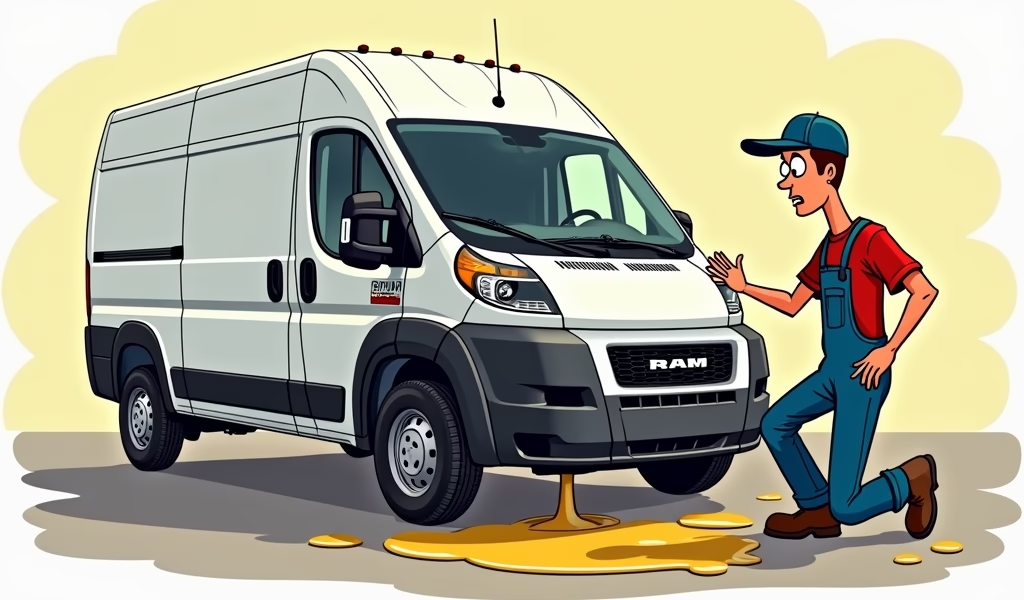
That dreaded reddish puddle under your Ram ProMaster isn’t just an inconvenience—it’s a warning sign that could escalate from a minor leak to a $3,000+ transmission nightmare if ignored. Proactive maintenance, regular inspection of common leak points (pan gaskets, cooler lines, and seals), and prompt attention to early symptoms like fluid spots or shifting issues can save you thousands while extending the life of your commercial workhorse.
Table of Contents
- Understanding Transmission Leaks in Your Ram ProMaster
- How to Identify a Transmission Leak
- Common Causes of Ram ProMaster Transmission Leaks
- Warning Signs Your Transmission is Leaking
- DIY Inspection and Maintenance
- When to Seek Professional Repairs
- Prevention Tips to Avoid Transmission Leaks
- Cost Expectations for Transmission Repairs
- Conclusion
- Frequently Asked Questions
Understanding Transmission Leaks in Your Ram ProMaster
Picture this: you’ve just parked your trusty Ram ProMaster after a long day of deliveries, and there it is – that dreaded reddish puddle forming underneath your van. Your stomach sinks faster than your transmission fluid level.
Transmission leaks in the Ram ProMaster aren’t just inconvenient – they’re potentially wallet-draining problems that can escalate from a minor drip to a $3,000+ repair nightmare if ignored. What might start as a few drops can quickly progress to performance issues that leave you stranded when you least expect it.
The 6-speed automatic transmission in your ProMaster works incredibly hard, especially if you’re using it commercially. These vans frequently carry heavy loads, navigate stop-and-go traffic, and rack up miles quickly – all factors that put extra strain on the transmission system.
Your transmission essentially serves as the middleman between your engine and wheels, ensuring your van shifts into the appropriate gear as driving conditions change. It’s a complex system operating under high pressure, extreme temperatures, and constant vibration – the perfect recipe for eventual leaks if maintenance falls by the wayside.
Catching and addressing these leaks early isn’t just recommended – it’s essential for avoiding catastrophic transmission failure. The good news? With some basic knowledge and regular attention, you can spot problems before they empty both your transmission and your bank account.
How to Identify a Transmission Leak

Transmission fluid has some telltale characteristics that help distinguish it from other vehicle fluids. Fresh transmission fluid is typically bright red to magenta with a thin consistency and slightly sweet smell. As it ages and degrades, it darkens to a brownish-red and may develop a burnt odor if the transmission has been overheating.
When inspecting your ProMaster for leaks, I always recommend checking these common trouble spots:
- The transmission pan seam where it connects to the main housing
- Around the pan drain plug (often a frequent culprit)
- At the cooler line connections near the radiator
- Where the shift selector enters the transmission case
- The bell housing area where transmission meets engine
To make sure you’re actually dealing with transmission fluid and not another issue, here’s a quick fluid identification guide from my years in the shop:
- Engine oil: Amber to dark brown, thicker consistency
- Coolant: Green, orange, or pink with a slimy feel and sweet smell
- Power steering fluid: Similar to transmission fluid but typically leaks near the front of the engine
- Brake fluid: Clear to amber and feels slippery like silicone
Checking your transmission fluid level is relatively straightforward. Park on level ground with the engine running and transmission warm. Cycle through all gears with your foot on the brake, return to Park, and check the dipstick (usually with a red handle). The fluid should be between the “MIN” and “MAX” marks, bright red, and free of particles or burnt odor.
Your ProMaster’s dashboard might also give you early warnings through illuminated transmission temperature lights or a check engine light. Don’t ignore these – they’re like your van’s way of asking for help before things get worse.
Common Causes of Ram ProMaster Transmission Leaks
In my 15+ years working on commercial vehicles, I’ve seen the same leak culprits show up time and again in the Ram ProMaster. Here are the most common causes I encounter:
1. Worn Pan Gasket
The transmission pan gasket creates a seal between the pan and transmission case. Over time, heat cycles cause this rubber or cork material to harden and crack. Most ProMasters need a new gasket somewhere between 60,000-100,000 miles, depending on how hard you work your van.
The gasket job itself isn’t terribly complex, but ignoring that slow drip can eventually lead to dangerously low fluid levels. I’ve seen regular transmission service intervals extend gasket life significantly.
2. Damaged Transmission Pan
The ProMaster’s relatively low ground clearance makes the transmission pan vulnerable to damage from road debris or improper jacking. Even a small dent can compromise the gasket seal, while direct punctures create immediate leak points.
I recently had a contractor’s ProMaster in the shop with a pan that looked like it had been through a rock fight. He’d been driving on unpaved construction sites, and that pan took a beating that eventually led to leaks at multiple points.
3. Cracked Cooler Lines
The metal and rubber lines carrying transmission fluid to and from the cooler frequently develop cracks or loose connections. These components expand and contract with temperature changes while enduring constant vibration.
Delivery drivers who make frequent stops (creating numerous heat cycles) are particularly susceptible to cooler line failures, typically showing up around the 70,000-mile mark.
4. Faulty Torque Converter Seal
When this critical seal fails, you’ll typically see fluid patterns on the bell housing where the transmission connects to the engine. Replacement requires significant disassembly and is often a sign of more extensive wear inside the transmission.
5. Input/Output Shaft Seal Failures
These seals prevent fluid from escaping where the driveshaft connects to the transmission. When they fail, you’ll notice leaks toward the rear of the transmission, often accompanied by noticeable driveline vibrations during acceleration or deceleration.
The front-wheel-drive configuration of the ProMaster creates additional vulnerability points compared to rear-wheel-drive vans. Components are positioned closer to heat sources and road debris, accelerating wear on seals and gaskets.
Warning Signs Your Transmission is Leaking
Your ProMaster will usually give you plenty of warning before a transmission leak becomes a catastrophic failure. Having diagnosed hundreds of commercial vans, I can tell you these are the key symptoms to watch for:
Performance Issues
- Shifting hesitation or slipping gears, especially when accelerating onto highways
- Unusual whining, buzzing, or grinding noises during gear changes
- Noticeable delay between shifting into Drive/Reverse and vehicle movement
- Sudden drops in fuel efficiency (10-15%) without changes in driving habits
Physical Signs
- The distinct smell of burning transmission fluid (similar to burnt toast with a chemical edge)
- Visible puddles or spots under the vehicle after parking
- Dashboard warning lights for transmission temperature or check engine
- “Limp mode” activation limiting your vehicle to lower gears
I recently had a delivery service bring in their ProMaster after the driver noticed it was taking longer to “catch” when shifting from Park to Drive. By the time they brought it in, we found the fluid level dangerously low from a steady leak at the pan gasket. Catching this early saved them from a potential $2,500 repair.
Don’t fall into the trap of thinking occasional gear slipping is normal for a working van – it’s not. These symptoms almost always indicate a developing issue that will only worsen with time. The American Automobile Association notes that most transmission failures are preceded by fluid leaks that could have been addressed before major damage occurred.
DIY Inspection and Maintenance

You don’t need to be a certified mechanic to keep an eye on your ProMaster’s transmission health. Here’s my practical guide for DIY inspection and maintenance:
What You’ll Need
- Mechanic’s creeper or cardboard to slide under the vehicle
- Flashlight
- Clean shop rags
- Appropriate transmission fluid (typically ATF+4 for ProMasters)
- Clean funnel
Monthly Inspection Process
- Park on level ground and place wheel chocks for safety
- Run the engine for 5-10 minutes to warm the transmission fluid
- With the engine off, examine the ground under the vehicle for fluid spots
- Slide under the vehicle with your flashlight
- Examine the transmission pan edges, pan bolts, and cooler line connections for dampness
- Check the bell housing area where the transmission meets the engine
- Inspect the area around the driveshaft connections
- Check the transmission dipstick for proper fluid level and quality
When checking the dipstick, remember that fluid should be checked with the engine running and the transmission in Park after cycling through all gears. The fluid should appear bright red without particles or a burnt smell.
Based on my experience with commercial fleets, I recommend this maintenance schedule:
- Monthly: Visual inspection for leaks and fluid level check
- Every 30,000 miles or 2 years: Transmission fluid and filter change
- Every 60,000 miles: Comprehensive inspection of all seals and connection points
For those who regularly tow, carry heavy loads, or make frequent stops, consider following the severe duty schedule in your owner’s manual, which typically cuts these intervals by 25-30%.
One critical tip: always use the manufacturer-specified fluid—typically ATF+4 for ProMaster vans. Using incorrect fluid types is one of the fastest ways to damage seals and create new leaks. I’ve seen too many drivetrain component failures from using the wrong fluids.
When to Seek Professional Repairs
While there’s plenty you can handle yourself, some transmission issues require professional attention. Here’s my honest breakdown of when to call in the experts:
DIY-Friendly Tasks
- Transmission fluid and filter changes
- Basic pan gasket replacement (if you’re comfortable with it)
- External cooler line inspections
- Diagnostic scanning and fluid level checks
Leave to the Pros
- Internal seal replacements requiring transmission removal
- Torque converter issues
- Valve body repairs
- Any repair requiring transmission disassembly
- Electrical/solenoid problems within the transmission
When selecting a transmission specialist, I always advise my customers to look for:
- Shops specializing in transmission work rather than general repair facilities
- ASE-certified technicians with specific transmission credentials
- Experience with Ram/Fiat commercial vehicles specifically
- Clear warranty terms for parts and labor
- Willingness to explain their diagnostic process
A quality transmission shop should be willing to show you the damaged components after removal and explain what caused the failure. This transparency helps you understand how to prevent similar issues in the future.
The National Institute for Automotive Service Excellence maintains a database of certified technicians that can help you find qualified professionals in your area.
Prevention Tips to Avoid Transmission Leaks
As someone who’s rebuilt countless transmissions that could have been saved with proper maintenance, here are my top prevention strategies:
Driving Habits That Extend Transmission Life
- Allow your van to warm up for 1-2 minutes before driving, especially in cold weather
- Avoid aggressive acceleration with heavy loads
- Come to a complete stop before shifting between Drive and Reverse
- When towing, use the tow/haul mode if equipped
- Don’t “ride the brakes” while in gear for extended periods
Maintenance Practices That Prevent Leaks
- Stick to the manufacturer’s fluid change intervals—or more frequently for severe use
- Address minor leaks promptly before they become major issues
- Have transmission cooler lines inspected annually for deterioration
- Consider preemptive pan gasket replacement around 60,000 miles for commercial use
- Use proper adjustment frequency for transmission components if your vehicle has an automated manual transmission
One particularly effective strategy I’ve seen with fleet vehicles is installing a higher-capacity transmission cooler. Excessive heat is the number one killer of transmission components, especially seals and gaskets. Keeping fluid temperatures lower dramatically extends the life of these parts.
For commercial users, I recommend keeping a maintenance log specifically for transmission service. This helps identify patterns that might indicate developing issues before they become critical failures.
Cost Expectations for Transmission Repairs
Let’s talk dollars and cents, because that’s what ultimately drives many repair decisions. Here’s what you can expect to pay for common ProMaster transmission repairs:
Minor Repairs
- Transmission fluid and filter change: $150-$300
- Pan gasket replacement: $250-$400
- External cooler line repair/replacement: $200-$450
- External seal replacement (accessible without major disassembly): $300-$600
Major Repairs
- Torque converter seal replacement: $800-$1,500 (requires transmission removal)
- Valve body replacement: $1,000-$1,800
- Complete rebuild: $2,200-$3,500
- Replacement with remanufactured transmission: $3,000-$4,500
- New factory transmission: $4,000-$5,500 plus labor
These prices can vary significantly based on your location, whether you’re using dealer or independent shops, and if you’re providing your own parts. Labor typically accounts for 50-70% of these costs.
A little perspective: the average cost of addressing a minor transmission leak early ($300-$400) versus waiting until complete failure occurs ($3,000+) represents potential savings of over $2,500. That’s money you could invest back into your business or personal finances instead of emergency repairs.
For commercial operators, factor in the cost of downtime as well. A planned maintenance service might take a day, while waiting for a complete transmission rebuild could sideline your vehicle for a week or more.
Conclusion
Transmission leaks on your Ram ProMaster represent the classic “pay a little now or a lot later” scenario. Throughout my years working with commercial vehicles, I’ve seen too many owners ignore those first few drops only to face catastrophic failures down the road.
Your ProMaster’s transmission is an engineering marvel – a complex system of hydraulics, electronics, and precision components working in harmony. But even the best-designed systems require regular attention and maintenance to reach their full service life.
The good news? Most transmission leaks give plenty of warning before causing major damage. By performing regular inspections, addressing small issues promptly, and following manufacturer-recommended maintenance schedules, you can avoid joining the ranks of owners facing four-figure repair bills.
Remember that commercial usage demands more aggressive maintenance schedules. What works for a weekend warrior won’t suffice for a daily delivery vehicle making dozens of stops in city traffic.
Ultimately, your ProMaster is an investment in your business or lifestyle. Protecting that investment with proactive maintenance isn’t just smart – it’s essential for keeping your wheels turning and your budget intact. A little attention today saves a lot of headaches (and dollars) tomorrow.
Frequently Asked Questions
How can I tell if my Ram ProMaster has a transmission leak?
Look for red or brown fluid puddles under your parked vehicle, especially near the middle section. You may also notice gear shifting problems, burning smells, or warning lights on your dashboard.
What type of transmission fluid does a Ram ProMaster use?
Most Ram ProMasters require ATF+4 (Automatic Transmission Fluid). Always verify the exact specification in your owner’s manual, as requirements can vary by model year.
How much does it cost to fix a transmission leak in a ProMaster?
Minor leak repairs typically cost $200-$600 depending on the source and accessibility. Major leaks requiring transmission removal can range from $800-$3,500 for complete repairs.
Can I drive my ProMaster with a transmission fluid leak?
You can drive short distances with very minor leaks if you monitor and maintain proper fluid levels. Never drive with significant leaks, as low fluid can cause catastrophic transmission damage within minutes.
How often should I change the transmission fluid in my Ram ProMaster?
For personal use, follow the manufacturer recommendation of every 60,000 miles. Commercial users or those driving in severe conditions should change fluid every 30,000 miles to prevent premature wear.