
Overview
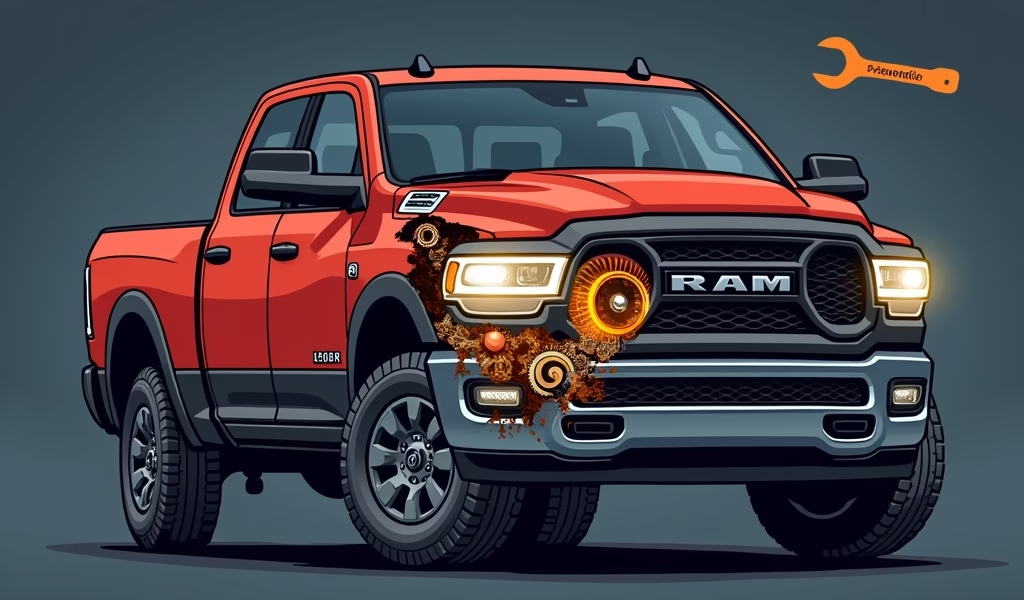
Like a reliable truck with a nagging squeak, the Ram 1500 suffers from transmission problems ranging from electronic shifting issues to complete mechanical failures, with certain model years (particularly 2012-2017) being especially problematic. Regular maintenance—including fluid changes every 30,000-60,000 miles and careful driving habits—can significantly extend transmission life and prevent the eye-watering repair costs of $300-$5,500, while owners should also check for applicable recalls and warranty coverage before paying out-of-pocket for repairs.
Table of Contents
- Understanding Ram 1500 Transmission Problems
- Common Symptoms of Ram 1500 Transmission Issues
- Specific Model Years with Known Transmission Problems
- Preventative Maintenance Tips to Avoid Transmission Failure
- Transmission Repair Costs for Ram 1500 Trucks
- DIY Fixes vs. Professional Repairs: What You Should Know
- Recall Information and Warranty Coverage
- Conclusion
- Frequently Asked Questions
Understanding Ram 1500 Transmission Problems
Ram 1500 transmission problems have become a significant concern for many owners of these otherwise dependable trucks. As someone who’s spent decades with my hands covered in transmission fluid, I’ve seen firsthand how these issues can turn a reliable workhorse into a frustrating money pit. The Ram 1500’s transmission troubles typically stem from a combination of design flaws, manufacturing issues, and in some cases, owner neglect.
Most commonly, Ram 1500 trucks utilize either the 8-speed TorqueFlite automatic transmission (in newer models) or the older 4 and 5-speed automatics. Each has its own set of potential issues. The 8-speed, while generally more reliable, has been known to develop electronic shifting problems. The older transmissions tend to suffer more from mechanical failures, particularly in high-stress applications like towing.
What makes these problems particularly frustrating is their intermittent nature. You might experience perfect shifts for weeks, then suddenly encounter harsh shifting or delayed engagement without warning. This unpredictability not only creates safety concerns but makes diagnosis challenging even for experienced technicians.
Understanding the root causes of these transmission issues can help you spot early warning signs and take preventative action before catastrophic failure occurs. Let’s explore the most common symptoms that indicate your Ram 1500 might be developing transmission problems.
Common Symptoms of Ram 1500 Transmission Issues
Catching transmission problems early can save you thousands in repair costs. Based on my years in the shop, here are the telltale signs that your Ram 1500’s transmission is crying out for attention:
- Delayed or rough shifting between gears
- Unusual noises like whining, buzzing, or clunking during shifts
- Transmission fluid leaks (look for red or brown puddles under your truck)
- Burning smell, especially after driving
- Check engine or transmission temperature warning lights
- “Limp mode” activation, limiting performance
- Complete inability to shift into certain gears
One of the most common complaints I hear from Ram owners is the notorious “shift flare” – when RPMs spike momentarily between gear changes. This isn’t just annoying; it’s a clear indication that clutch materials are wearing prematurely inside your transmission.
Another red flag is transmission fluid condition. Healthy transmission fluid should be bright red and smell slightly sweet. If yours is dark brown or black and smells burnt, internal damage is likely already occurring. Don’t ignore this warning sign – it’s essentially your transmission telling you it’s overheating.
Pay attention to how your truck behaves when cold. Many Ram 1500 transmission problems first appear during cold starts, when fluid is thickest and components haven’t reached operating temperature. If your truck hesitates to engage drive or reverse first thing in the morning, but seems fine later in the day, you’re witnessing the early stages of transmission wear.

Specific Model Years with Known Transmission Problems
Not all Ram 1500s are created equal when it comes to transmission reliability. Certain model years have demonstrated significantly higher failure rates than others. Based on both service records and NHTSA complaint data, these are the model years you should approach with extra caution:
- 2012-2014: These model years experienced numerous issues with the 6-speed automatic, including solenoid failures and valve body problems
- 2014-2015: Early iterations of the 8-speed transmission had programming issues causing erratic shifting
- 2016-2017: Torque converter lockup problems became prevalent, leading to shuddering sensations
- 2019: The first year of the fifth-generation Ram 1500 saw some teething problems with the transmission control module
The 2014 model year deserves special mention – it stands as perhaps the most problematic year for Ram 1500 transmissions. This was a transition year when Ram was implementing new transmission technology, and as with many automotive innovations, early adopters paid the price.
Interestingly, the problems aren’t always mechanical. Many 2014-2017 Ram 1500s suffered from faulty transmission software that caused harsh shifts. In these cases, a simple reflash of the transmission control module (TCM) could resolve the issues without major mechanical intervention.
If you’re shopping for a used Ram 1500, I’d recommend models from 2018 onward, as Fiat Chrysler Automobiles (now Stellantis) implemented significant quality improvements to address earlier transmission concerns. The 2020 and newer models, in particular, show markedly fewer transmission-related complaints.
Preventative Maintenance Tips to Avoid Transmission Failure
An ounce of prevention truly is worth a pound of cure when it comes to Ram 1500 transmission problems. Following these preventative maintenance steps can dramatically extend your transmission’s life and help you avoid costly repairs:
- Change transmission fluid and filter regularly (every 30,000-60,000 miles, or more frequently if you tow)
- Use only manufacturer-recommended transmission fluid – the wrong fluid can cause seal damage
- Install an aftermarket transmission cooler if you frequently tow or haul heavy loads
- Allow your truck to warm up for 1-2 minutes before driving, especially in cold weather
- Avoid aggressive driving – jackrabbit starts and hard acceleration put tremendous stress on transmission components
- Never shift from reverse to drive (or vice versa) while the vehicle is moving
- Have transmission software updates performed whenever they become available
The single most important maintenance item is regular fluid changes. Despite what some dealers might tell you, Ram 1500 transmissions do not contain “lifetime fluid.” Heat is the number one killer of automatic transmissions, and fresh fluid removes heat much more effectively than old, degraded fluid.
For those who tow regularly, I strongly recommend installing an auxiliary transmission cooler. For about $150-300 in parts, you can potentially add years to your transmission’s life by keeping operating temperatures in check. It’s one of the smartest investments you can make, especially considering a replacement transmission can cost over $3,000.
Pay attention to your driving habits, too. Frequent short trips don’t allow the transmission to reach optimal operating temperature, which means moisture and contaminants don’t get burned off. If possible, combine errands into longer trips to give your transmission time to fully warm up.
Transmission Repair Costs for Ram 1500 Trucks
When transmission problems do strike your Ram 1500, the financial impact can be significant. Understanding potential costs helps you prepare for the worst while motivating proper maintenance to avoid these expenses altogether.
Here’s a breakdown of typical Ram 1500 transmission repair costs:
- Minor repairs (solenoid replacement, sensor issues): $300-800
- Valve body replacement: $1,200-1,800
- Torque converter replacement: $1,500-2,200
- Partial rebuild (addressing specific failed components): $1,800-2,500
- Complete transmission rebuild: $2,500-3,500
- Remanufactured transmission replacement: $3,000-4,000
- New factory transmission: $4,000-5,500 (plus labor)
These costs vary significantly depending on your location, the shop you choose, and whether you opt for OEM or aftermarket parts. Labor rates alone can range from $100-150 per hour, with many transmission replacements requiring 8-12 hours of labor.
The good news? Not every transmission problem requires a complete replacement or rebuild. For example, many shifting issues in 2014-2017 models stem from faulty shift solenoids or valve bodies, which can be replaced individually. Similarly, electronic problems might be resolved with a TCM reprogram costing just a few hundred dollars.
If you’re facing transmission repairs, I always recommend getting multiple quotes. Dedicated transmission shops often provide more cost-effective solutions than dealerships, and many offer warranties that match or exceed factory coverage. Just be sure to check reviews thoroughly – transmission work requires specialized expertise.

DIY Fixes vs. Professional Repairs: What You Should Know
While I’m all for DIY maintenance when appropriate, modern automatic transmissions are incredibly complex. Let’s talk about what you can reasonably tackle yourself versus when to call in the professionals.
DIY-friendly transmission maintenance includes:
- Checking and topping off transmission fluid (when equipped with a dipstick)
- Changing transmission fluid and filter on older models (2018 and earlier)
- Installing auxiliary transmission coolers
- Using OBD-II scanners to read basic transmission-related codes
Tasks best left to professionals:
- Transmission fluid changes on newer models (many 2019+ Ram 1500s require special procedures)
- Any internal transmission repairs or adjustments
- Valve body replacements
- TCM programming and updates
- Diagnosing intermittent shifting problems
If you’re mechanically inclined, changing the transmission fluid and filter on older Ram 1500s is quite doable. You’ll need a transmission fluid pan, filter, gasket, the correct fluid, and basic hand tools. Just remember that proper fluid level is critical – too little causes overheating, while too much can create excessive pressure and leaks.
For electronic issues, quality diagnostic tools can help identify the problem, but interpreting the results often requires specialized knowledge. Modern Ram transmissions rely on complex algorithms and adaptive learning processes that can confuse even experienced DIYers.
The bottom line: if your Ram 1500 is exhibiting any symptoms beyond a simple fluid service need, consulting with a transmission specialist is usually the most cost-effective approach long-term. They have the equipment and expertise to pinpoint issues accurately, potentially saving you from expensive trial-and-error repairs.
Recall Information and Warranty Coverage
Before paying out-of-pocket for transmission repairs, it’s essential to check whether your Ram 1500’s issues might be covered under recall or warranty provisions. FCA/Stellantis has issued several transmission-related recalls and warranty extensions for specific problems.
Notable Ram 1500 transmission recalls include:
- 2013-2014 models: Recall R36 addressed a transmission pump issue that could cause a loss of propulsion
- 2014-2015 models: Recall R61 targeted a potential rollaway risk due to faulty interlock mechanisms
- 2015-2017 models: Several service bulletins (though not full recalls) addressed shift quality issues
- 2019 models: Early production units received programming updates to address harsh shifting
Beyond recalls, understand your warranty coverage. Most Ram 1500s come with:
- Basic warranty: 3 years/36,000 miles (whichever comes first)
- Powertrain warranty (including transmission): 5 years/60,000 miles
- Extended warranties: Available through dealers or third parties, often extending coverage to 100,000+ miles
Some transmission issues were common enough that FCA issued technical service bulletins (TSBs) authorizing free repairs even for trucks slightly outside warranty periods. To check if your vehicle might qualify, contact a Ram dealership with your VIN number and a clear description of the symptoms.
Don’t forget to check if your truck might be covered under “lemon law” provisions in your state. If your Ram 1500 has required multiple transmission repairs during the warranty period, you might qualify for a buyback or replacement vehicle. Requirements vary by state, so consult with a consumer protection attorney if you believe your situation qualifies.
Conclusion
Ram 1500 transmission problems, while certainly concerning, don’t have to spell financial disaster if you’re proactive and informed. By recognizing early warning signs, following proper maintenance protocols, and understanding your warranty coverage, you can minimize the impact these issues have on your truck ownership experience.
Remember that prevention is always more affordable than repair. Regular fluid services, mindful driving habits, and addressing minor issues promptly can help your Ram’s transmission reach its full potential lifespan. For those who tow or haul frequently, investing in additional cooling capacity pays significant dividends in transmission longevity.
If you’re shopping for a used Ram 1500, factor potential transmission work into your purchase decision. A slightly higher upfront cost for a model year with fewer known issues might save you thousands down the road. And if you already own a Ram 1500, start implementing the preventative measures we’ve discussed today – your transmission (and wallet) will thank you.
While Ram 1500 transmission problems have affected many owners, it’s worth noting that thousands of these trucks provide reliable service for years with proper care. By staying vigilant and addressing concerns early, you can enjoy the power, comfort and capability that make the Ram 1500 one of America’s favorite trucks for many miles to come.
Frequently Asked Questions
How long should a Ram 1500 transmission last?
With proper maintenance, a Ram 1500 transmission should last 150,000-200,000 miles. Heavy towing, neglected fluid changes, or driving in extreme conditions can significantly reduce this lifespan.
What are the most common Ram 1500 transmission problems?
The most common issues include delayed or harsh shifting, torque converter lockup problems, transmission overheating, and solenoid failures. Electronic control issues are particularly common in 2014-2017 models.
Is there a recall on Ram 1500 transmissions?
Several limited recalls have been issued for specific model years, including R36 for 2013-2014 models and R61 for 2014-2015 models. Check with a dealer using your VIN to determine if your truck is affected.
How much does it cost to replace a Ram 1500 transmission?
Replacement costs range from $3,000-$5,500 depending on whether you choose a rebuilt, remanufactured, or new transmission. Labor typically adds another $1,000-$1,500 to the total cost.
How often should I change my Ram 1500’s transmission fluid?
For normal driving, change the fluid every 60,000 miles. If you regularly tow or drive in severe conditions, service intervals should be shortened to every 30,000 miles.