

Overview
Just like your body deserves regular check-ups, your car needs routine quality control inspections to catch small issues before they become wallet-draining disasters. This mechanic-authored guide provides seasonal maintenance schedules, DIY inspection checklists, and practical tips for finding trustworthy professionals—all designed to extend your vehicle’s lifespan, maintain its value, and potentially save you 60% on major repair costs.
Table of Contents
- Understanding Quality Control Inspection
- Importance of Regular Inspections
- DIY Inspection Checklist
- When to Seek Professional Help
- Finding a Reliable Mechanic
- Cost-Saving Inspection Strategies
- Seasonal Maintenance Tips
- Red Flags During Inspection
- Digital Tools for Car Maintenance
- Conclusion
- Frequently Asked Questions
Understanding Quality Control Inspection
Quality control inspection is your vehicle’s best friend – and honestly, your wallet’s too. As a mechanic with over 15 years in the field, I’ve seen countless cars roll into my garage with issues that could have been prevented with regular inspection. Think of it as a health check-up, but for your car. Just like you wouldn’t wait until you’re seriously ill to see a doctor, your vehicle deserves the same preventative care.
When we talk about quality control inspection for vehicles, we’re referring to a systematic examination of your car’s components to ensure everything’s functioning properly. This isn’t just about a quick glance under the hood – it’s a comprehensive assessment of all systems, from your engine to your brake pads, and everything in between.
The beauty of regular quality control inspections is that they catch small issues before they snowball into major problems. That strange clicking noise or slight vibration might seem minor today, but left unchecked, it could lead to a breakdown on a busy highway or a repair bill that makes your eyes water. In my experience, most catastrophic car failures give plenty of warning signs – if you know what to look for.
Importance of Regular Inspections
Let me share something I’ve observed countless times: car owners who schedule regular inspections typically spend 60% less on major repairs compared to those who only visit when something breaks. This isn’t just mechanic talk – it’s backed by data from the Car Care Council, which consistently finds that preventative maintenance saves drivers significant money in the long run.
Regular quality control inspections extend your vehicle’s lifespan considerably. I’ve maintained vehicles that have crossed the 300,000-mile mark simply because their owners never skipped scheduled maintenance. Your car is designed to last, but only if you give it the attention it deserves.
Safety is another critical factor. When you’re cruising down the highway at 70 mph, you’re essentially sitting in a high-speed metal box. Wouldn’t you want every component of that box to be functioning properly? Faulty brakes, worn steering components, or compromised suspension parts don’t just threaten your vehicle – they put you and your loved ones at risk.
Additionally, regular inspections help maintain your vehicle’s value. If you ever plan to sell or trade in your car, a documented history of proper maintenance can increase its resale value by up to 10%. Think of each inspection as an investment rather than an expense.
DIY Inspection Checklist
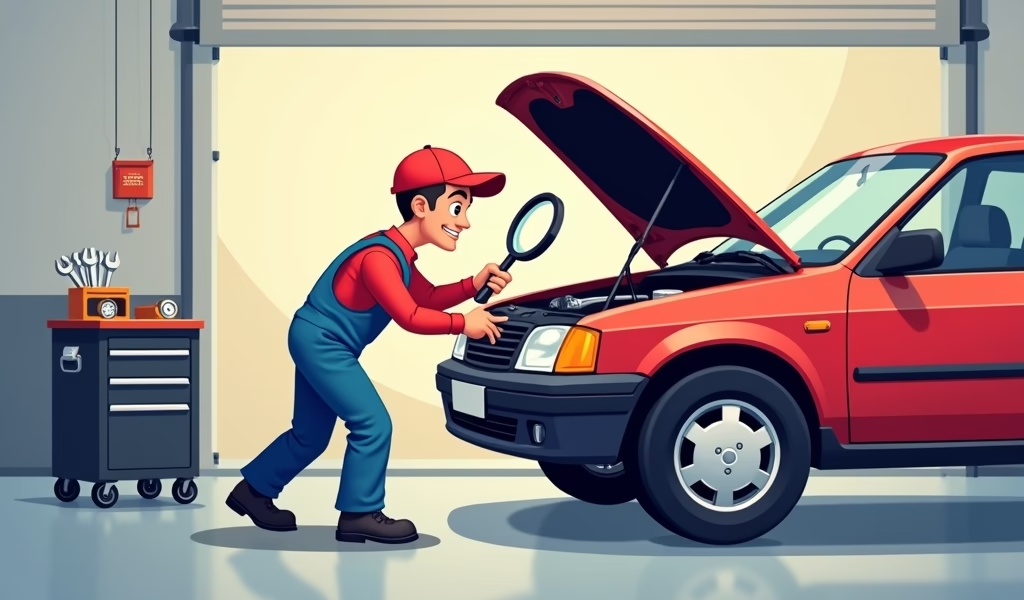
While professional inspections are invaluable, there’s plenty you can do yourself between garage visits. Here’s a practical DIY quality control inspection checklist I recommend to all my customers:
- Check all fluid levels monthly (oil, coolant, brake fluid, power steering, transmission, and windshield washer)
- Inspect tire pressure and tread depth using the penny test (insert a penny with Lincoln’s head upside down – if you can see all of his head, your tread is too worn)
- Test all lights including headlights, turn signals, brake lights, and interior lights
- Examine wiper blades for cracks or reduced effectiveness
- Listen for unusual noises during startup and driving
- Monitor your dashboard warning lights (they’re there for a reason!)
- Check battery terminals for corrosion (they’ll appear as a white, powdery substance)
- Inspect belts and hoses for cracks, fraying or softness
The best time for these checks is during your regular gas fill-up or weekend car wash. I suggest setting a monthly reminder on your phone – it only takes about 15 minutes but can save you thousands in repairs. If anything seems off during your virtual car inspection services, make a note and consult with a professional.
Remember, these DIY checks don’t replace professional inspections, but they serve as an early warning system. I’ve had customers catch failing water pumps just by noticing low coolant levels during their monthly check – saving them from potential engine overheating and much costlier repairs.
When to Seek Professional Help
While DIY inspections are valuable, certain situations call for professional quality control inspection. As someone who’s diagnosed thousands of vehicle problems, let me tell you when it’s time to book that garage appointment:
First, always follow your manufacturer’s recommended service intervals. These aren’t arbitrary numbers – they’re based on extensive testing of your specific vehicle model. Most modern cars should have a professional inspection every 15,000 miles or annually, whichever comes first.
If your check engine light illuminates, don’t ignore it or simply reset it. Modern vehicles have sophisticated onboard diagnostics that detect problems before they become critical. When that amber warning appears, it’s telling you something specific needs attention. Professional shops have specialized equipment to read these codes and identify the exact issue.
Unusual noises, vibrations, or changes in driving behavior also warrant professional attention. That grinding sound when braking isn’t going to fix itself, and that pull to the right when driving straight isn’t normal. These symptoms often indicate safety-critical issues that require immediate professional assessment.
Before purchasing a used vehicle, always invest in a pre-purchase inspection. The $100-200 you’ll spend could save you thousands in hidden problems. I’ve seen too many excited new owners discover major issues weeks after purchase that a simple inspection would have revealed.
Finally, if you’re planning a long road trip, a professional inspection provides peace of mind. Nothing ruins vacation plans faster than a preventable breakdown hundreds of miles from home. Online car diagnostics can help, but nothing beats a hands-on inspection by a trained technician.
Finding a Reliable Mechanic
Finding a trustworthy mechanic for your quality control inspection might seem daunting, but it doesn’t have to be. After years in this industry, I’ve noticed that the best customer-mechanic relationships are built on trust and communication.
Start by asking friends, family, and coworkers for recommendations. Personal experiences often lead to the most reliable shops. Online reviews can be helpful too, but look for detailed reviews that mention specific positive experiences rather than vague praise.
Look for ASE (Automotive Service Excellence) certification. This industry-standard certification requires technicians to pass rigorous tests and demonstrates their commitment to professional excellence. Many quality shops proudly display these credentials.
When you visit a shop for the first time, ask questions and observe their responses. A good mechanic will explain issues clearly without unnecessary technical jargon and won’t pressure you into immediate repairs for non-critical issues. They should be willing to show you the problem areas on your vehicle and explain why repairs are necessary.
Pay attention to the facility itself. While a shop doesn’t need to be spotless (we work with grease, after all), organization, modern equipment, and professional conduct are good indicators of quality service. A chaotic environment often reflects chaotic work.
Lastly, trust your instincts. If something feels off about the interaction, or if you feel pressured or confused after speaking with them, consider looking elsewhere. The right mechanic will make you feel confident in their assessment and recommendations.
Cost-Saving Inspection Strategies
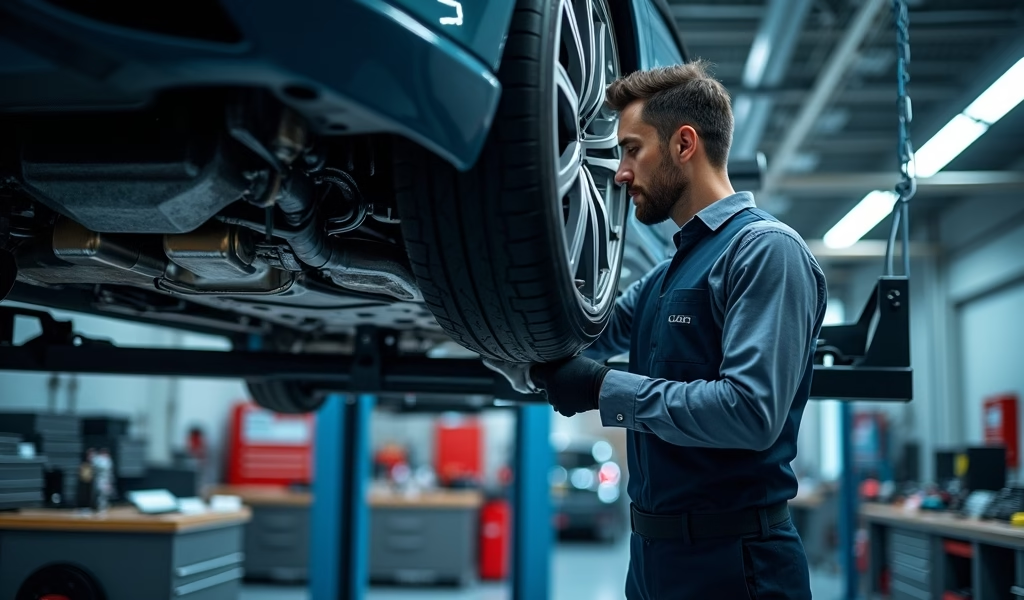
Quality control inspection doesn’t have to break the bank. Here are some insider tips I share with my budget-conscious customers that still ensure proper vehicle maintenance:
Take advantage of seasonal inspection specials. Many shops offer discounted inspections during slower periods or as part of seasonal maintenance promotions. Spring and fall are typically the best times to find these deals as shops prepare customers for summer road trips or winter driving challenges.
Consider independent shops for out-of-warranty vehicles. While dealerships may be necessary for warranty work, independent shops often offer comparable quality at lower rates for older vehicles. As an independent shop mechanic, I can tell you we typically charge 20-30% less than dealerships for the same quality work.
Bundle services when possible. If your vehicle needs an oil change and is also due for inspection, having both done simultaneously can save on labor costs. Many shops offer discounted “packages” that combine routine maintenance with inspection services.
Don’t ignore minor issues identified during inspection. That small oil leak might seem insignificant now, but addressing it early typically costs a fraction of what you’ll pay once it worsens and damages other components. I’ve seen $100 fixes turn into $1,500 repairs when ignored.
Keep detailed maintenance records. This might not seem like a direct cost-saving strategy, but good records prevent unnecessary duplicate services and help identify recurring problems that might indicate a larger issue. They also increase resale value when you eventually sell your vehicle.
Ask about quality aftermarket parts. For older vehicles especially, OEM (Original Equipment Manufacturer) parts aren’t always necessary. Quality aftermarket alternatives can provide similar performance and longevity at a lower price point. Just be sure to discuss the pros and cons with your mechanic before deciding.
Seasonal Maintenance Tips
Each season brings unique challenges to your vehicle, and adapting your quality control inspection routine accordingly can prevent season-specific issues. Here’s my seasonal maintenance calendar that has kept my customers’ vehicles running smoothly year-round:
Spring Inspection Focus
- Check air conditioning system before summer heat arrives
- Inspect wiper blades that may have been damaged by winter ice
- Examine suspension components for damage from winter potholes
- Verify cooling system integrity to prevent summer overheating
- Check for salt corrosion if you live in areas that use road salt
Spring is the perfect time to address any winter damage and prepare for summer driving. After winter’s harsh conditions, your vehicle’s undercarriage deserves special attention during your quality control inspection.
Summer Inspection Focus
- Monitor cooling system performance during peak heat
- Check tire pressure more frequently (heat increases pressure)
- Inspect battery (heat accelerates battery deterioration)
- Verify brake performance for summer road trips
- Check all fluid levels more frequently during high-temperature operation
Summer heat puts extra stress on several vehicle systems, particularly your cooling system and battery. Many drivers don’t realize that batteries fail in summer heat almost as often as in winter cold.
Fall Inspection Focus
- Test battery strength before winter temperatures arrive
- Check heater and defroster operation
- Inspect all lights as days get shorter
- Verify tire tread for upcoming winter conditions
- Consider switching to winter-grade oil in colder climates
Fall inspections should focus on preparing your vehicle for the challenges of winter driving. This is also an ideal time to consider car emissions testing as part of your overall maintenance routine.
Winter Inspection Focus
- Monitor tire pressure (cold decreases pressure)
- Check battery connections for corrosion
- Inspect wiper blades and washer fluid (use winter-grade fluid)
- Examine door and window seals for proper function
- Test antifreeze protection level
Winter is particularly hard on vehicles. Regular quality control inspection during these months can prevent being stranded in potentially dangerous cold weather conditions.
Red Flags During Inspection
Throughout my career, I’ve identified certain red flags during quality control inspection that almost always indicate serious problems requiring immediate attention. Being aware of these can save you from dangerous driving conditions and expensive repairs:
Metal shavings in oil or transmission fluid are never normal. These indicate internal component wear that’s progressed to a potentially catastrophic point. If your mechanic mentions this finding, take it very seriously – it often precedes total component failure.
Uneven tire wear patterns tell a story about your vehicle’s alignment and suspension health. Wear on only one edge suggests alignment issues, while cupping or scalloping indicates worn shock absorbers. Address these immediately, as they affect both safety and fuel economy.
Spongy brake pedal feel or any deviation in braking performance requires immediate attention. Your braking system isn’t something to compromise on – even slight changes in pedal feel can indicate air in the lines, failing master cylinders, or worn pads.
Coolant leaks, especially internal ones, can devastate an engine. If your inspection reveals coolant loss or contamination (such as oil in coolant or vice versa), consider this an urgent matter. Head gasket failures, cracked blocks, or intake manifold issues often begin with subtle coolant problems.
Steering play exceeding manufacturer specifications indicates potential steering component failure. This might feel like excessive movement in the steering wheel before the vehicle responds. Because steering directly impacts vehicle control, any issues here deserve prompt attention.
Timing belt wear in interference engines presents a particularly serious risk. If your vehicle has an interference engine (where valves and pistons occupy the same space at different times in the cycle), a timing belt failure can cause catastrophic engine damage within seconds.
Digital Tools for Car Maintenance
Technology has revolutionized how we approach quality control inspection and vehicle maintenance. Here are some digital tools I’ve found genuinely useful for my customers:
OBD-II scanners that connect to your smartphone have become remarkably affordable and user-friendly. For under $50, these devices can read trouble codes, monitor real-time data, and even provide some diagnostic guidance. While they don’t replace professional expertise, they can help you understand what’s happening with your vehicle between professional inspections.
Maintenance reminder apps like CARFAX Car Care, MyCarfax, or AUTOsist help track service history, set maintenance reminders based on your specific vehicle model, and store important documents. Most are free and integrate with your smartphone’s calendar. According to Edmunds research, people who use these apps are 30% more likely to keep up with recommended maintenance schedules.
Digital tire pressure gauges provide more accurate readings than their analog counterparts. Since proper tire pressure affects everything from fuel economy to handling and tire life, this small investment pays dividends. Some even connect to your phone to track pressure trends over time.
Video inspection services are gaining popularity among forward-thinking repair shops. These allow technicians to record video of issues they discover, then share them with you directly. This transparency helps you understand exactly what needs attention without having to crawl under the vehicle yourself.
Finally, don’t overlook manufacturer-specific apps for newer vehicles. Many modern cars have dedicated apps that connect directly to your vehicle’s systems, providing real-time data, maintenance alerts, and even remote diagnostics. These tools can provide early warning of developing issues before they become serious problems.
Conclusion
Quality control inspection isn’t just about avoiding problems – it’s about maintaining the freedom and reliability that your vehicle provides. Throughout this article, we’ve explored how regular inspections save money, extend vehicle life, and ensure safety for you and your passengers.
Remember that the most expensive car repairs are almost always the ones that could have been prevented with timely inspection and maintenance. Whether you’re performing DIY checks or seeking professional help, consistency is key. Create a maintenance schedule that works for your lifestyle and stick to it.
Trust your senses when it comes to your vehicle. Those unusual sounds, smells, or sensations are your car’s way of communicating potential issues. Don’t ignore these signals – they rarely resolve themselves and typically worsen over time.
Finally, consider your relationship with your mechanic as a partnership in vehicle care. The best automotive professionals don’t just fix problems – they educate their customers and help prevent future issues. Find someone you trust and maintain open communication about your vehicle’s needs.
With these approaches to quality control inspection, you’re well-equipped to avoid costly car repairs and enjoy thousands of trouble-free miles. Your vehicle is designed to last – give it the care it deserves, and it will return the favor with reliable service for years to come.
Frequently Asked Questions
How often should I perform a quality control inspection on my vehicle?
Most manufacturers recommend a professional inspection every 15,000 miles or annually, whichever comes first. However, perform basic DIY checks monthly for optimal vehicle health.
What’s the most important part of a DIY car inspection?
Fluid level checks provide the most insight into your vehicle’s health with minimal effort. Pay particular attention to oil condition and coolant levels.
Can quality control inspections really save me money?
Absolutely – regular inspections typically reduce repair costs by 60% by catching issues early. One preventative maintenance dollar often saves $5-10 in emergency repair costs.
Should I still get inspections during my vehicle’s warranty period?
Yes, regular inspections are essential even during warranty periods. Many warranties require maintenance records to remain valid, and early problem detection can prevent inconvenient breakdowns.
How do I know if a mechanic is being honest about inspection results?
Ask for visual evidence of problems, seek second opinions for expensive repairs, and establish relationships with ASE-certified shops. Reputable mechanics will explain issues clearly and never pressure you into unnecessary repairs.