
Overview
When your car’s push button start fails, the culprit is often something simple like a dead key fob battery or weak vehicle battery, though it could also be a faulty brake switch, button mechanism problem, or security system glitch. Understanding these common causes allows for effective DIY troubleshooting—including replacing batteries, trying the key fob trick, cleaning terminals, or performing system resets—before turning to professional help for more complex electrical or security system issues.
Table of Contents
- Modern Convenience Gone Wrong
- How Push Button Start Systems Work
- Common Causes of Push Button Start Failure
- Diagnosing the Issue
- DIY Troubleshooting Steps
- When to Call a Professional
- Preventing Future Push Button Start Issues
- The Cost of Repairs
- Conclusion
- Frequently Asked Questions
Modern Convenience Gone Wrong
We’ve all been there. You slide into the driver’s seat, coffee in hand, running a few minutes late. You press the push button start and… nothing happens. The dashboard might light up briefly or maybe there’s just an eerie silence. Either way, you’re not going anywhere fast.
Push button start systems have become standard in most new vehicles today. According to Consumer Reports, over 62% of new vehicles now feature keyless ignition systems. While these systems offer convenience and a modern feel, they also introduce new points of failure that traditional key ignitions simply don’t have.
As a mechanic with 15 years of experience diagnosing electrical systems, I’ve seen firsthand how a push button start failure can turn a normal day into a stressful ordeal. The good news? Many issues are easily fixable without an expensive trip to the dealership. Understanding the basics of how these systems work can save you time, money, and a whole lot of frustration.
How Push Button Start Systems Work

At its core, a push button start system is relatively straightforward. Instead of physically turning a key in an ignition cylinder, you’re initiating an electronic process. Here’s what happens when everything’s working correctly:
- Your key fob transmits a unique radio frequency signal
- Your vehicle’s receiver detects this signal when the fob is nearby
- The vehicle’s computer verifies the fob’s security code
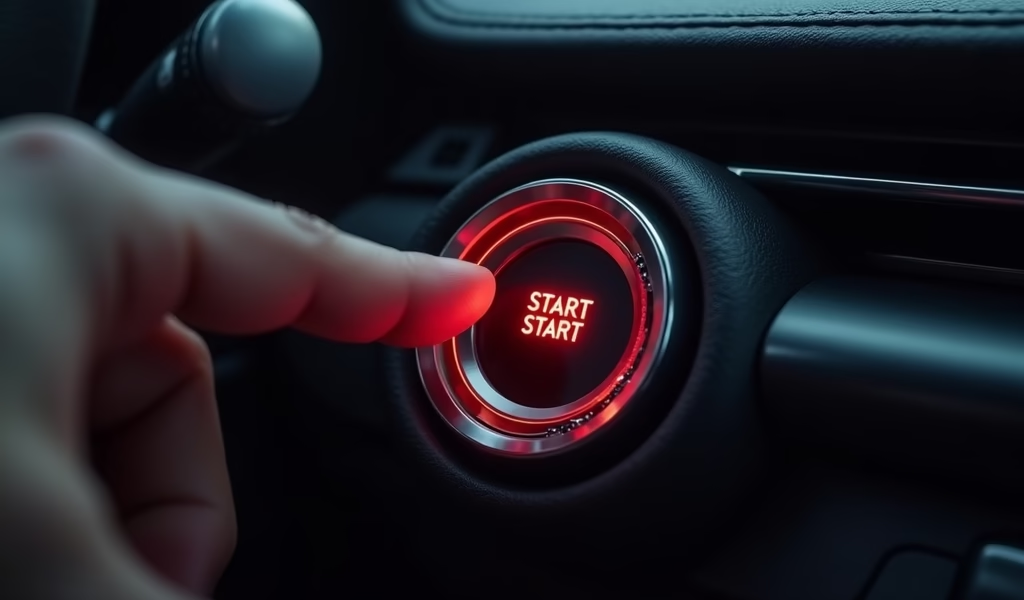
- When you press the brake (or clutch in manual transmissions) and push the start button, the engine control module tells the starter to crank
This process relies on several key sensors in your vehicle working together seamlessly. The beauty of this system is its convenience—no more fumbling for keys! But that convenience comes with complexity. More electronic components mean more potential failure points.
Push button start systems use RFID (Radio-Frequency Identification) technology similar to what’s in contactless credit cards and building access systems. The key fob doesn’t just unlock your doors; it essentially acts as a security token that tells your car, “Yes, this is an authorized driver.”
Common Causes of Push Button Start Failure
When your push button start refuses to work, the problem typically falls into one of these categories:
Dead or Weak Key Fob Battery
This is the most common culprit by far. Key fob batteries typically last 1-3 years depending on usage. When they start to fail, the transmitting range decreases until eventually, your car won’t detect the fob at all. The good news? This is a quick, inexpensive fix requiring just a small CR2032 battery in most cases.
Vehicle Battery Issues
Your car’s battery provides the juice needed for the entire starting process. A weak or dying battery might have enough power to illuminate dash lights but not enough to engage the starter. Modern vehicles require consistent voltage to operate complex electronics, including push button start systems.
Faulty Brake Switch
Remember that you need to press the brake pedal (or clutch) while pushing the start button? There’s a switch that confirms you’ve done this. If this switch fails, your car thinks you haven’t pressed the brake, so the start button won’t work. This is why sometimes tapping or pressing the brake harder seems to “fix” an intermittent starting problem.
Start Button Mechanism Problems
The physical button itself can wear out. After thousands of presses, the internal contacts can become worn or corroded, resulting in intermittent operation or complete failure. This typically manifests as needing to press the button multiple times or with varying pressure.
Security System Glitches
Modern vehicles have sophisticated anti-theft systems that can occasionally get “confused.” Software hiccups in the immobilizer system might prevent your engine from starting even with a valid key fob present.
Diagnosing the Issue
Before panicking or calling for a tow, run through these diagnostic steps to pinpoint the cause:
Check the Key Fob
First, try using your spare key fob if you have one. If the spare works, you’ve identified the culprit. If you don’t have a spare, most key fobs have a hidden physical key that can open the doors. Some vehicles also allow you to hold the key fob directly against the start button to start the car even with a dead fob battery.
Observe the Dashboard
When you press the start button, watch the dashboard closely. If lights come on but the engine doesn’t crank, your car’s electrical system has power—ruling out a completely dead vehicle battery. If absolutely nothing happens, you might have a more serious electrical issue or a completely dead battery.
Listen for Sounds
A clicking sound when you press the button typically indicates the starter is trying to engage but can’t—often due to a weak battery. No sound at all might suggest an electrical connection problem or a failed button.
Check for Error Messages
Many vehicles will display specific error messages like “Key Not Detected” or “Press Brake to Start” that can guide your troubleshooting. These messages are valuable clues to what the system thinks is wrong.
DIY Troubleshooting Steps
Once you’ve done some basic diagnosis, here are steps you can take to get back on the road:
Replace the Key Fob Battery
This is the easiest fix and should be your first step. Most key fobs open with a small screwdriver or coin. The battery (typically CR2032) costs about $5 at any drugstore or hardware store. When installing, make sure the positive side is facing the correct direction as marked inside the fob.
Try the “Key Fob Trick”
If your key fob’s battery is weak but not completely dead, try holding it directly against the start button while pressing. Many manufacturers design this as a backup method, utilizing the passive RFID chip in the fob which doesn’t require battery power.
Check and Clean Battery Terminals
Pop the hood and inspect your vehicle’s battery terminals for corrosion—a whitish or greenish powder substance. Corrosion creates resistance that can prevent proper current flow to your car’s electrical system. Clean the terminals using a wire brush and a solution of baking soda and water.
Perform a System Reset
Sometimes, just like your computer or phone, your car’s electronics need a reset:
- Disconnect the negative battery terminal for 10-15 minutes
- Reconnect the battery
- Try starting the vehicle normally
This simple reset can clear minor electronic glitches that might be preventing your push button start from functioning correctly.
Check Relevant Fuses
Consult your owner’s manual to locate fuses related to the ignition system. A blown fuse could prevent the start button from working. Fuses are inexpensive and easy to check and replace with basic tools.
When to Call a Professional
While many push button start issues can be resolved with DIY methods, some situations warrant professional help:
When DIY Methods Fail
If you’ve tried all the steps above and your car still won’t start, it’s time for expert diagnosis. Modern vehicles have complex electronic systems that require specialized diagnostic equipment to properly troubleshoot.
For Key Fob Programming
If you need a new key fob, most require professional programming to sync with your vehicle. This typically requires dealer-level equipment, though some independent shops now offer this service at lower costs than dealerships.
For Electrical System Diagnosis
If symptoms suggest deeper electrical issues—multiple systems malfunctioning, intermittent problems, or strange behavior from various electronics—a professional diagnosis is warranted. According to AAA, electrical problems now account for more than 50% of vehicle breakdowns in newer cars.
For Security System Issues
Problems with the immobilizer or security system typically require professional intervention with specialized diagnostic tools. These systems are deliberately designed to be difficult to bypass for security reasons.
Preventing Future Push Button Start Issues
An ounce of prevention is worth a pound of cure, especially with complex vehicle electronics. Here’s how to avoid push button start headaches:
Proactive Key Fob Maintenance
Don’t wait for your key fob battery to die completely. Replace it every 1-2 years as preventative maintenance. Keep your spare key fob in a safe place, and make sure it also has a fresh battery. Some drivers even mark replacement dates on a small sticker inside the fob as a reminder.
Regular Battery Checks
Have your vehicle battery tested during routine oil changes. Most auto parts stores offer free battery testing. A battery can show signs of weakness before failing completely. Modern vehicles with push button starts are particularly sensitive to battery condition due to their higher electronic demands.
Pay Attention to Warning Signs
- Slower-than-normal engine cranking
- Dash lights that dim when accessories are used
- Intermittent electronic glitches
- Having to press the start button multiple times
These symptoms often appear before complete failure. Addressing them early can prevent being stranded at an inconvenient time or place.
Keep Software Updated
Some manufacturers issue software updates for vehicle electronics that can improve reliability. Ask about any available updates during regular service visits. Some newer vehicles even receive wireless updates automatically.
The Cost of Repairs
If DIY solutions don’t resolve your push button start issues, here’s what you might expect to pay for professional repairs:
Key Fob Replacement and Programming
A new key fob can cost between $50-$400 depending on your vehicle make and model. Luxury brands like BMW and Mercedes typically have the most expensive fobs. Programming adds another $50-$150 to the total cost. Independent automotive locksmiths often charge less than dealerships for this service.
Start Button Replacement
Replacing the physical start button mechanism typically costs $150-$350, including parts and labor. The complexity varies by vehicle model—some require significant dashboard disassembly to access the button assembly.
Brake Switch Replacement
A failed brake light switch typically costs $80-$200 to replace. This is usually a straightforward repair that doesn’t require extensive labor.
Electrical System Diagnosis and Repair
Complex electrical issues requiring in-depth diagnosis can range from $90-$150 per hour of labor, with most problems requiring 1-3 hours to diagnose and repair. The parts cost varies widely depending on what components need replacement.
Dealerships typically charge 20-30% more than independent repair shops for the same repairs. However, some complex electronic issues, particularly those involving security systems, may require dealer-specific equipment to resolve properly.
Conclusion
Push button start systems represent a significant evolution in automotive technology, offering convenience and modern functionality. However, like all complex systems, they come with their own set of potential issues. The good news is that many common problems have simple solutions that don’t require expensive professional intervention.
By understanding how these systems work and implementing basic preventative measures, you can significantly reduce your chances of being stranded. Regular battery maintenance—both in your key fob and vehicle—is the single most effective way to prevent push button start failures.
When problems do arise, a methodical approach to diagnosis can save you time and money. Starting with the simplest explanations (dead key fob battery, weak vehicle battery) before moving to more complex possibilities makes troubleshooting more efficient.
Remember that modern vehicles are sophisticated electronic systems on wheels. Treating your key fob and push button start with the same care you’d give any other electronic device will help ensure reliable operation for years to come. And when professional help is needed, knowing what to expect regarding costs and repair options puts you in a better position to make informed decisions.
Frequently Asked Questions
Can I start my car if my key fob battery is dead?
Yes, most vehicles allow you to hold the key fob directly against the start button to start the car. This uses the passive RFID chip in the fob that doesn’t require battery power.
Why does my car sometimes say “key not detected” even when the key is inside?
This usually indicates a weak key fob battery or interference from other electronic devices. Try replacing the battery or moving the fob to a different position in the vehicle.
Can I program a new key fob myself?
Most modern vehicles require professional programming equipment to sync a new key fob. Some older or simpler systems have DIY programming sequences detailed in the owner’s manual.
Why does my push button start work intermittently?
Intermittent operation typically points to a weak key fob battery, poor connections, or a failing start button mechanism. Start by replacing the key fob battery, which is the most common and easiest fix.
Will a push button start work with a jump start?
Yes, if your vehicle battery is dead, a jump start will provide the necessary power for the push button start system to function. Just make sure the key fob is present and has a working battery.
If you’re eager to know about your color season, discovering whether you correspond to the deep summer palette can significantly help polish your wardrobe and makeup choices. Deep summer color analysis targets subtle, cool tones that enhance yellow undertone skin and olive complexions, making it simpler to select clothing colors that bring out your natural beauty. For a complimentary interactive experience, you could try an AI color analysis quiz online—there are some great tools that give insights without any cost [url=https://color-analysis-online.org]colour analysis quiz[/url] .
Grasping your season surpasses just clothes; hair color trends for 2026 also tie into seasonal color theory, so you can discover options like cool summer hair color or shades that work best for pale or yellow undertone skin. If you’re questioning “what season am I?” or searching for a skin tone chart to assist your choices, seasonal color palettes and color analysis apps can make the process fun and accurate. Researching these resources genuinely aids in learning what colors make you become brilliant!