
Overview
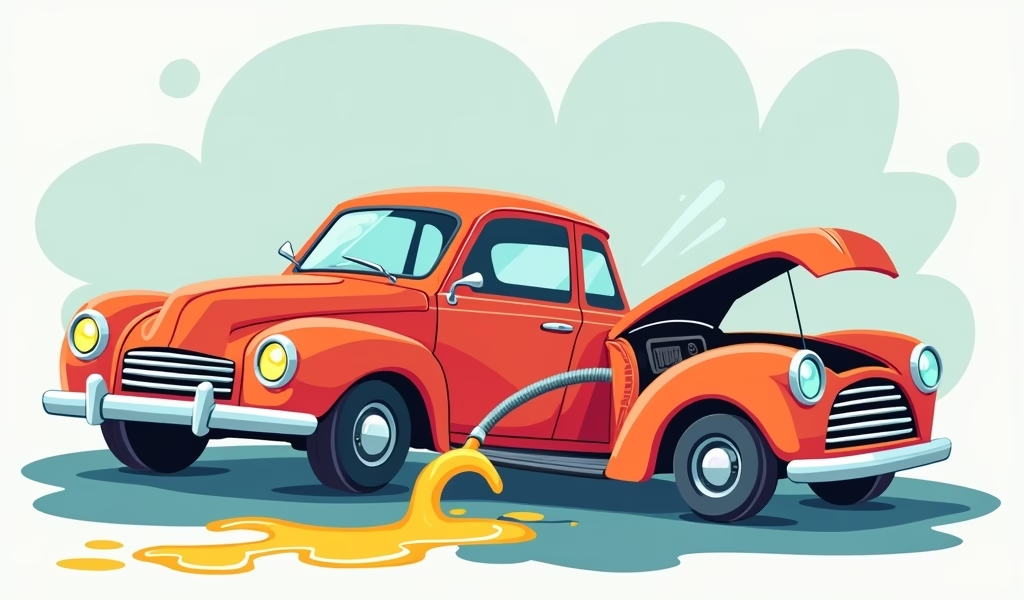
Just like that mysterious puddle under your car that you’ve been ignoring, power steering hose leaks often reveal themselves through reddish fluid spots, difficult steering, and whining noises—warning signs that shouldn’t be dismissed if you want to avoid costly repairs down the road. This guide explores the complete power steering system lifecycle, from identifying leaks and understanding their causes to providing DIY inspection techniques and maintenance strategies that can save you hundreds in repairs while ensuring your vehicle remains safe and responsive.
Table of Contents
- Understanding Power Steering Systems
- Identifying Power Steering Hose Leaks
- Common Causes of Power Steering Hose Leaks
- The Dangers of Ignoring Power Steering Leaks
- DIY Power Steering Hose Inspection Guide
- Repair Options: DIY vs. Professional Help
- Preventive Maintenance Tips
- Cost Considerations and Savings
- Conclusion
- Frequently Asked Questions
Understanding Power Steering Systems
The power steering system in your vehicle is one of those mechanical marvels we often take for granted—until something goes wrong. At its core, this system uses a power steering hose to transfer hydraulic fluid under pressure, making it easier for you to turn your steering wheel without breaking a sweat. Think about how effortless it is to navigate a tight parking space or make a quick turn—that’s your power steering system working its magic.
Power steering systems typically consist of a pump, reservoir, hoses, and the steering gear. The pump, driven by your engine’s belt, pressurizes the hydraulic fluid that flows through high-pressure and low-pressure power steering hoses. This pressurized fluid does the heavy lifting so your arms don’t have to.
Modern vehicles use one of two types of power steering: hydraulic or electric. The traditional hydraulic systems, which we’re focusing on today, rely heavily on those rubber or reinforced hoses to function properly. When these hoses develop leaks, your steering can quickly become stiff, noisy, and downright frustrating to use.
I’ve seen countless drivers struggle with steering issues that could have been prevented with a little know-how about these crucial components. In my 20+ years working under the hood, power steering hose leaks rank among the most common yet misunderstood problems that can save drivers significant repair costs when caught early.
Identifying Power Steering Hose Leaks
Spotting a power steering hose leak early can save you from a roadside headache and a hefty repair bill. The good news is you don’t need a mechanic’s expertise to recognize the warning signs—just a bit of attention and know-how.
The most obvious indicator is that telltale puddle beneath your car. Power steering fluid typically has a reddish or light brown color and a distinctive oily feel. Unlike engine oil, which is darker, or coolant, which feels slippery but not oily, power steering fluid has its own signature.
Listen carefully when you start your car or make turns. Hear a whining or groaning sound? That’s often your power steering pump struggling to operate with insufficient fluid. It’s essentially crying out for help, telling you something’s not right in the system.
While driving, you might notice your steering wheel becomes unusually difficult to turn, especially at lower speeds. This stiffness often comes and goes at first—maybe it’s harder to steer when you first start your car in the morning but improves as you drive. That inconsistency is a classic symptom of a power steering system that’s losing fluid.
Check your power steering fluid reservoir under the hood. Is the level dropping between checks even though you haven’t added any? That’s a clear sign of a leak somewhere in the system. The fluid might also appear foamy or discolored, indicating air has entered the system through a leak point.

Common Causes of Power Steering Hose Leaks
Power steering hoses don’t typically fail without reason. Understanding what causes these leaks can help you prevent them in the first place. From my years in the shop, I’ve identified several recurring culprits.
Age and wear are the most common factors. These hoses are made of rubber compounds that naturally degrade over time. Even the highest quality power steering hoses typically last between 50,000 to 100,000 miles before showing signs of aging. The rubber becomes brittle, cracks form, and eventually, those cracks turn into leaks.
Extreme temperatures accelerate this aging process dramatically. In cold climates, the rubber can become stiff and crack, while excessive heat can cause it to soften and weaken. If you live in an area with temperature extremes, your power steering hoses face additional stress with each seasonal change.
Poor installation is another frequent cause I’ve encountered. When hoses aren’t properly routed or secured, they can rub against other engine components. This constant friction eventually wears through the outer layer of the hose, creating weak spots prone to leakage.
Oil contamination might surprise you as a culprit, but it’s quite common. If engine oil leaks onto your power steering hoses, it can deteriorate the rubber compounds. The oil essentially “eats away” at the hose material over time, weakening its structure and leading to premature failure.
Finally, excessive system pressure can force hoses to fail. This typically happens when there’s a malfunction elsewhere in the power steering system, like a faulty pressure relief valve. The abnormal pressure puts stress on the weakest points in the system—often the hoses—causing them to rupture or develop pinhole leaks.
Research from automotive experts shows that regular inspection can identify many of these issues before they lead to complete failure, supporting what I’ve seen firsthand in my garage.
The Dangers of Ignoring Power Steering Leaks
I’ve seen it time and again—drivers noticing that pink puddle under their car but putting off repairs because the car “still drives fine.” This approach is a gamble that rarely pays off. Let me explain why ignoring power steering hose leaks is a risky proposition.
First and foremost, there’s the safety concern. Power steering doesn’t just make driving more comfortable; it’s a crucial safety feature. When your system loses fluid through a leaking hose, your steering can suddenly become extremely difficult or even fail completely. Imagine trying to make a quick evasive maneuver with no power assist—those few extra seconds of struggle could make the difference in avoiding an accident.
Then there’s the domino effect of damage. A small, inexpensive power steering hose leak can quickly cascade into major system damage. When fluid levels drop too low, the power steering pump begins running dry—a condition it’s not designed to handle. This leads to premature pump failure, which is significantly more expensive to repair than simply replacing a hose.
Environmental impact is another consideration many drivers overlook. Power steering fluid is harmful to the environment when it leaks onto roadways or soil. It can contaminate water sources and harm wildlife. Being responsible means addressing leaks promptly rather than leaving a trail of toxic fluid wherever you drive.
The financial perspective makes a compelling case too. A typical power steering hose replacement might cost between $150-300 depending on your vehicle. But if that leak causes your power steering pump to fail, you’re looking at $500-1,000 or more. The math is simple—fixing small problems prevents big expenses.
Perhaps most frustrating is the inconvenience factor. Power steering failures rarely happen at convenient times. They tend to occur when you’re far from home, in bad weather, or when you’re already running late. Proper car maintenance isn’t just about saving money—it’s about avoiding those stressful breakdown scenarios altogether.
DIY Power Steering Hose Inspection Guide
You don’t need to be a certified mechanic to perform a basic inspection of your power steering hoses. With a few simple tools and about 15 minutes of your time, you can spot potential issues before they leave you stranded. Here’s my step-by-step approach:
Start by gathering what you’ll need: a flashlight, paper towels, and protective gloves (power steering fluid can irritate your skin). Make sure your engine is cool—checking hoses on a hot engine is asking for burns.
- Step 1: Locate the power steering reservoir under the hood. It’s typically a small plastic container with a cap labeled “Power Steering” or showing a steering wheel symbol.
- Step 2: Check the fluid level and condition. The fluid should be between the “MIN” and “MAX” lines and should look clear with a reddish or light brown tint. Fluid that’s dark, cloudy, or smells burnt indicates problems.
- Step 3: Follow the hoses from the reservoir to the steering rack. There will typically be two main hoses: a high-pressure hose (thicker with metal fittings) and a return hose (usually thinner).
- Step 4: Inspect the entire length of each hose using your flashlight. Look for cracks, bulges, hardening, or any signs of fluid leakage.
- Step 5: Pay special attention to connection points where the hoses attach to the pump, reservoir, and steering gear. These are common leak spots.
- Step 6: Wipe areas where you suspect leaks with a clean paper towel. Come back the next day to see if fresh fluid has appeared.
What you’re looking for are telltale signs of impending failure. Cracks in the outer covering of the hose are warning signals that shouldn’t be ignored. Similarly, any bulging sections indicate internal weakening of the hose structure. Soft, mushy areas or sections that feel unusually hard compared to the rest of the hose suggest deterioration.
If you notice oily residue or actual wet spots anywhere along the hoses or at connection points, you’ve found your leak. Sometimes these leaks are obvious, but often they’re subtle, slow seeps that gradually worsen over time.
Remember that even if a hose appears intact, its internal construction might be compromised. If your hoses are approaching the 5-year mark or have more than 50,000 miles on them, consider having them replaced preventatively, especially if you’re planning a long trip.
According to automotive technical experts, regular visual inspections can catch up to 80% of potential power steering hose failures before they occur.
Repair Options: DIY vs. Professional Help
When it comes to fixing power steering hose leaks, you’re faced with a decision: tackle it yourself or trust a professional. Both approaches have their merits, and I’ll walk you through the considerations for each.
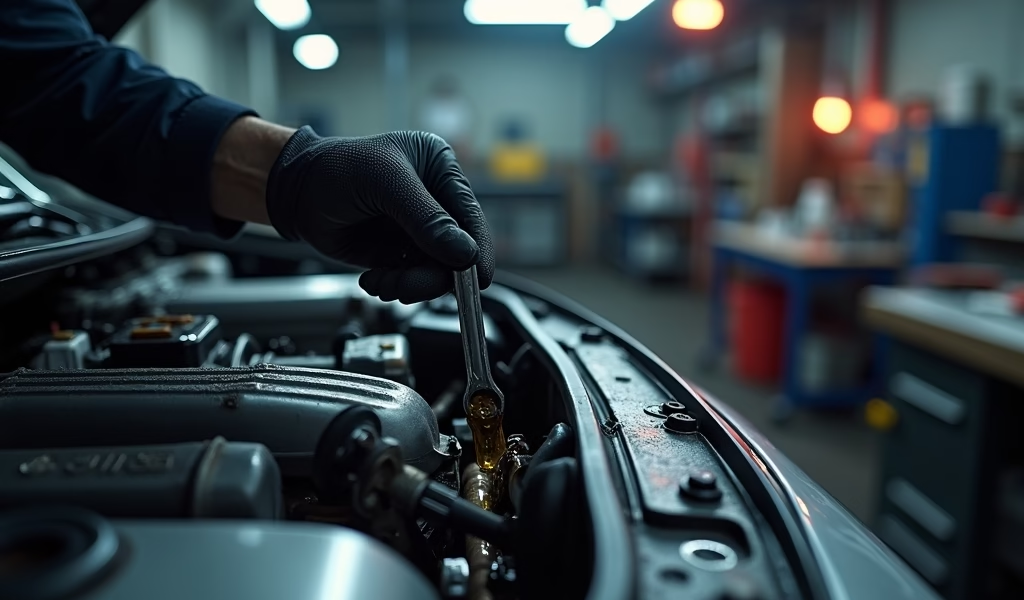
For the DIY enthusiast with some mechanical aptitude, replacing power steering hoses can be a satisfying weekend project. You’ll need basic hand tools, a drain pan, the correct replacement hoses for your specific vehicle model, and power steering fluid. The process typically involves draining the system, removing the old hoses, installing the new ones, refilling with fluid, and bleeding air from the system.
The advantages of DIY are clear: cost savings on labor and the satisfaction of solving the problem yourself. For a typical vehicle, you might spend $50-150 on parts versus $150-300 for a professional repair. Plus, you’ll gain valuable knowledge about how your vehicle works.
However, there are challenges to consider before grabbing your wrench. Power steering systems operate under high pressure, making proper installation critical. Some vehicles have hoses that are difficult to access, requiring special tools or extensive disassembly of other components. Perhaps most importantly, improper bleeding of the system can lead to air pockets that damage your power steering pump—potentially creating a more expensive problem than the one you started with.
Professional repair offers peace of mind. A qualified mechanic brings experience, specialized tools, and the ability to spot related issues you might miss. They can also properly dispose of the old fluid, which is classified as hazardous waste in many areas.
When deciding which route to take, consider these factors:
- Your mechanical experience level and comfort working on fluid systems
- Access to proper tools and a safe work area
- The complexity of your specific vehicle’s power steering system
- Your time constraints (a pro can typically complete the job in 1-2 hours)
- Warranty considerations (professional repairs often come with guarantees)
If you decide to go the DIY route, I strongly recommend getting a factory service manual or detailed repair guide specific to your vehicle. YouTube tutorials can be helpful, but nothing beats having the manufacturer’s exact procedures and specifications at hand.
For those opting for professional help, don’t just choose the lowest price. Ask about experience with your specific make and model, what type of replacement parts they’ll use (OEM vs. aftermarket), and what warranty they offer on the repair.
Preventive Maintenance Tips
An ounce of prevention is worth a pound of cure, especially when it comes to your power steering system. Over the years, I’ve developed a routine that has helped countless vehicles avoid the hassle of power steering hose failures. Here’s my playbook for keeping your system in top shape.
Regular fluid checks are your first line of defense. Make it a habit to check your power steering fluid level and condition every time you change your oil. Fresh power steering fluid is typically clear with a reddish tint. If yours looks dark, cloudy, or has particles floating in it, it’s time for a fluid exchange.
Speaking of fluid exchanges, don’t overlook this critical maintenance item. Most manufacturers recommend changing power steering fluid every 50,000 miles or 5 years, but many drivers go much longer—sometimes the entire life of the vehicle—without ever changing it. This is a mistake. Fresh fluid helps remove contaminants and maintains the proper lubrication properties that protect your hoses and other components.
Keep your system clean by maintaining your engine bay. Oil leaks from other components can accelerate power steering hose deterioration. If you notice oil accumulating on your hoses from another source, address that leak promptly to prevent damage to your power steering components.
Watch your driving habits too. While it might seem unrelated, repeatedly turning your steering wheel to the extreme left or right until it “stops” creates pressure spikes in your power steering system. This puts additional stress on your hoses and can contribute to premature failure. Try to avoid holding the wheel at the extreme ends of its travel for extended periods.
Climate considerations matter as well. If you live in an extremely hot or cold environment, consider using synthetic power steering fluid, which offers better performance at temperature extremes and can help extend hose life. Always use the type of fluid specified for your vehicle.
For vehicles that are driven infrequently, make a point to take them for a drive at least once every couple of weeks. This helps circulate the power steering fluid and prevents seals and hoses from drying out due to lack of use.
Finally, consider preventative replacement of power steering hoses on high-mileage vehicles. If your car has over 100,000 miles and still has its original hoses, replacing them before they fail can save you from unexpected breakdowns and potential damage to other components.
Cost Considerations and Savings
When it comes to power steering hose repairs, understanding the financial implications can help you make informed decisions. Let’s break down what you’re looking at in terms of costs and potential savings.
Replacement costs vary widely depending on your vehicle make and model. For most mainstream vehicles, professional power steering hose replacement typically runs between $150-300, including parts and labor. Luxury and performance vehicles can cost significantly more—sometimes upwards of $500—due to more complex systems and higher-priced components.
If you choose the DIY route, you’re looking at $30-150 for parts alone, depending on whether you’re replacing a single hose or the complete set. Quality matters here—bargain-basement hoses might save you $20 today but cost hundreds later when they fail prematurely.
The real cost consideration, however, isn’t just the immediate repair expense—it’s the potential cascade of damage that can occur if you delay addressing a leak. Here’s what you might be facing if you procrastinate:
- Power steering pump replacement: $500-1,000
- Steering rack damage: $800-1,500
- Related electrical system damage (in vehicles with electric power steering): $500+
- Towing costs if you break down: $75-250
- Lost time and inconvenience: priceless
The numbers tell a clear story: early intervention saves money. Replacing a $50 hose before it fails completely can prevent $1,000+ in related damage. Think of it as insurance—a small investment now protects you from significant expenses later.
When budgeting for repairs, consider these money-saving strategies:
- Get multiple quotes from reputable shops
- Ask about using OEM-equivalent parts rather than dealer parts
- Inquire about warranty coverage—some extended warranties cover hose failures
- Consider whether it makes sense to replace all power steering hoses at once rather than just the leaking one (often more cost-effective in the long run)
- If going the DIY route, look for quality parts from established brands rather than the cheapest option
For older vehicles, there’s also the question of when repairs no longer make financial sense. If your car is worth less than $2,000 and needs $500 in power steering repairs, you might want to consider whether other major systems are likely to fail soon as well. Sometimes it’s wiser to invest in a more reliable vehicle rather than pouring money into cascading repairs.
Remember that regular maintenance is almost always less expensive than emergency repairs. Investing in routine power steering fluid changes (typically $80-150 at a shop) can extend the life of your hoses and other components, saving you money over your vehicle’s lifetime.
Conclusion
Throughout this guide, we’ve navigated the sometimes complex world of power steering hose leaks—from understanding how these crucial components function to recognizing the warning signs of trouble and weighing your repair options. The takeaway is clear: being proactive about power steering maintenance saves you money, prevents inconvenient breakdowns, and keeps your vehicle safely on the road.
Remember that your power steering system doesn’t exist in isolation. It’s an integral part of your vehicle’s overall health, working in concert with other systems to deliver the driving experience you depend on daily. When you care for your power steering hoses, you’re investing in your entire vehicle’s longevity and reliability.
Whether you choose to tackle repairs yourself or entrust them to a professional, the most important step is addressing issues promptly when they arise. That small puddle under your car today could be a roadside breakdown tomorrow—or worse, a hazardous steering failure at an inopportune moment.
Your vehicle is one of your most valuable assets, both financially and in terms of the freedom and mobility it provides. Treating its maintenance as an investment rather than an expense shift your perspective and often leads to better long-term decisions about care and upkeep.
I hope this guide empowers you to take control of your vehicle’s power steering health. With the knowledge you’ve gained, you’re well-equipped to spot problems early, understand your repair options, and make informed decisions that keep both your car and your wallet in good shape.
Frequently Asked Questions
How can I tell if my power steering hose is leaking?
Look for reddish-brown fluid puddles under your vehicle, difficulty turning the steering wheel, whining noises when turning, or low fluid levels in the power steering reservoir. These symptoms typically indicate a power steering hose leak.
How much does it cost to replace a power steering hose?
Professional replacement typically costs between $150-300 for most vehicles, including parts and labor. DIY replacement costs around $30-150 for parts alone, depending on your vehicle make and model.
Can I drive with a leaking power steering hose?
It’s not recommended, as driving with a leaking power steering hose can lead to complete steering assist failure, pump damage, and potentially unsafe driving conditions. Short drives to a repair facility are possible if you maintain proper fluid levels.
How long do power steering hoses typically last?
Power steering hoses typically last between 50,000 and 100,000 miles under normal driving conditions. Factors like extreme temperatures, oil contamination, and driving habits can shorten this lifespan considerably.
What type of fluid goes in power steering hoses?
Most vehicles use specific power steering fluid, though some manufacturers recommend automatic transmission fluid (ATF) instead. Always check your owner’s manual for the correct fluid specification for your particular vehicle.