

Overview
Just like ignoring that strange noise in your kitchen sink until it becomes a plumbing emergency, neglecting power steering maintenance can transform a simple $100 flush into a $2,000 system overhaul. Regular power steering flushes every 30,000-60,000 miles not only ensure consistent handling and safety but also prevent costly repairs by removing contaminants that act like liquid sandpaper on precision steering components.
Table of Contents
- Understanding Power Steering Systems
- Why Power Steering Fluid Matters
- When to Flush Your Power Steering System
- Warning Signs You Need a Power Steering Flush
- Benefits of Regular Power Steering Maintenance
- DIY vs. Professional Power Steering Flush
- Cost Analysis: Maintenance vs. Repairs
- Common Questions About Power Steering Maintenance
- Conclusion
- Frequently Asked Questions
Understanding Power Steering Systems
Your vehicle’s power steering system is what keeps you from wrestling with the steering wheel every time you make a turn. As a mechanic with over 20 years of experience, I’ve seen too many drivers discover the importance of power steering only when it fails.
Power steering works by using hydraulic pressure to multiply the force you apply to the steering wheel. This system consists of a pump (usually driven by a belt connected to your engine), hoses that carry fluid, and the steering gear that actually turns your wheels. When you turn the steering wheel, the pump pressurizes fluid that helps push the steering components in the direction you want to go.
Most vehicles use a hydraulic power steering system, though newer models may feature electric power steering systems that use motors instead of fluid. Either way, regular maintenance is crucial for keeping your steering responsive and preventing costly repairs down the road.
The heart of a hydraulic system is the power steering fluid – a specialized hydraulic fluid that transmits pressure while also lubricating moving parts. This fluid operates under high pressure and temperature conditions, making its condition critical to your system’s performance and longevity.

Why Power Steering Fluid Matters
Power steering fluid isn’t just any hydraulic fluid – it’s specifically formulated to handle the unique demands of steering systems. Quality power steering fluid provides several essential functions:
- Transfers hydraulic pressure to assist steering
- Lubricates moving parts within the steering system
- Prevents corrosion of internal components
- Maintains proper viscosity across a wide temperature range
- Contains additives that protect seals and other components
Over time, this fluid breaks down due to heat cycling and contamination. As you steer, the fluid experiences significant pressure changes and temperature fluctuations that gradually degrade its performance. According to research from the Car Care Council, degraded power steering fluid is a leading cause of premature steering system failures.
Think of power steering fluid like the oil in your engine – it needs periodic replacement to maintain its protective qualities. Contaminated fluid contains metal particles, rubber bits from deteriorating hoses, and moisture that acts like liquid sandpaper, slowly wearing away precision components.
Fresh fluid maintains the proper viscosity needed for consistent steering feel. Too thick, and your steering becomes sluggish; too thin, and it loses its ability to transfer pressure effectively. Either condition compromises your vehicle’s handling and safety.
When to Flush Your Power Steering System
Determining the optimal power steering flush interval requires balancing manufacturer recommendations with your specific driving conditions. While learning car maintenance basics is important for any vehicle owner, understanding your specific vehicle’s needs is crucial.
Most manufacturers recommend flushing your power steering system every 30,000 to 60,000 miles or every 2-5 years. However, these intervals can vary significantly based on your vehicle make and model. German luxury vehicles often specify more frequent service intervals than Japanese or American models.
For most daily drivers, I recommend these general guidelines:
- Normal driving conditions: Every 50,000 miles or 3 years
- Severe driving conditions: Every 30,000 miles or 2 years
- Vehicles older than 10 years: Every 30,000 miles regardless of conditions
- High-performance or heavy-duty vehicles: Every 30,000 miles
Severe driving conditions include frequent short trips, extreme temperatures, dusty environments, or towing/hauling heavy loads. These conditions accelerate fluid breakdown and require more frequent maintenance.
If you’ve recently purchased a used vehicle with unknown maintenance history, I strongly recommend a power steering flush as preventative maintenance. This gives your steering system a fresh start and can help identify any developing issues before they become serious problems.
Remember, your owner’s manual is the authoritative source for maintenance intervals. Always consult it first, then adjust based on your specific driving patterns and conditions.
Warning Signs You Need a Power Steering Flush
Your vehicle will typically give you clear signals when the power steering system needs attention. Recognizing these warning signs early can save you from expensive repairs and potential safety hazards.
Unusual Noises When Turning
If you hear whining, squealing, or groaning sounds specifically when turning the steering wheel, your power steering system is crying for help. These noises often indicate low fluid levels or air in the system – both easily remedied with a proper flush.
Stiff or Inconsistent Steering
When steering becomes noticeably harder, especially at low speeds, that’s a red flag. Healthy power steering provides consistent assistance regardless of speed. Inconsistent steering – easy one moment and difficult the next – suggests air in the lines or degraded fluid that needs replacement.
I recently had a customer who ignored increasingly stiff steering for months. By the time she brought her vehicle in, the power steering pump had been running with contaminated fluid so long that metal shavings had damaged the entire system – a $1,200 repair that could have been prevented with a $120 flush.
Discolored Fluid
Fresh power steering fluid is typically clear, amber, or light red (depending on the type). If your fluid appears dark brown or black, it’s oxidized and needs immediate replacement. You can check this yourself by examining the fluid on the dipstick or in the reservoir.
Delayed Steering Response
If there’s a noticeable delay between turning your steering wheel and the vehicle responding, your fluid likely isn’t transferring pressure properly. This condition is particularly dangerous in emergency situations where split-second steering responses may be needed.
Paying attention to these warning signs and following essential car maintenance tips can help ensure your power steering system remains reliable for years to come.
Benefits of Regular Power Steering Maintenance
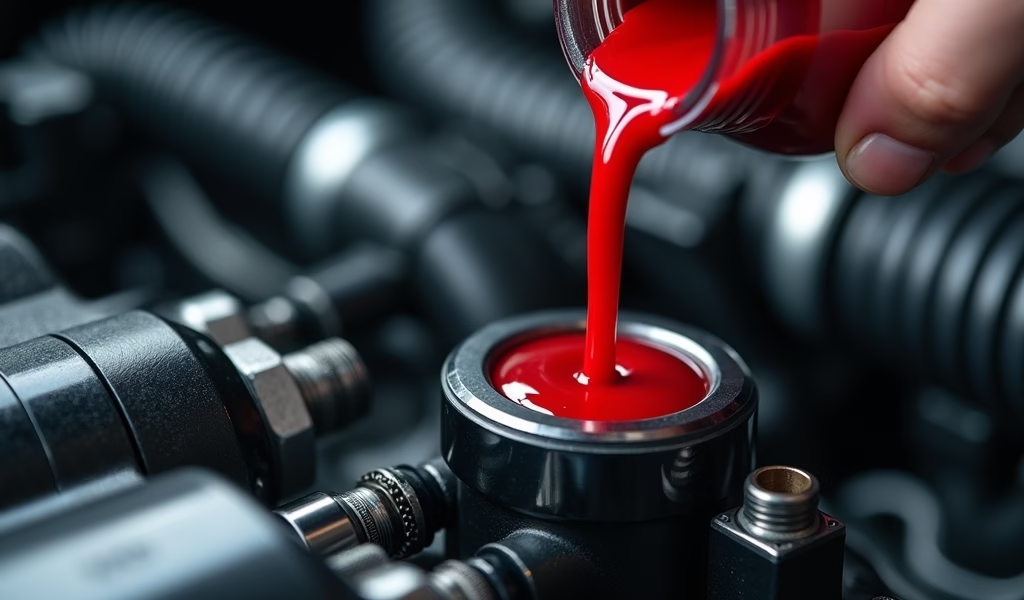
Regular power steering maintenance delivers benefits that extend far beyond simply avoiding repairs. Let’s explore why this often-overlooked maintenance item deserves your attention:
Enhanced Safety and Control
Well-maintained power steering provides consistent, predictable handling – critical for emergency maneuvers. The difference between fresh and degraded power steering fluid becomes most apparent when you need to quickly avoid an obstacle. With fresh fluid, the steering responds instantly; with degraded fluid, even a split-second delay could mean the difference between a close call and a collision.
Extended Component Life
Fresh power steering fluid properly lubricates expensive components like the pump, rack and pinion, and various seals. Regular flushes remove abrasive contaminants that would otherwise accelerate wear on these precision parts. I’ve seen well-maintained steering systems last 200,000+ miles, while neglected systems often fail before 100,000.
Consistent Driving Experience
Nobody enjoys a steering wheel that’s easy to turn one minute and stiff the next. Regular maintenance ensures your steering feels consistent in all conditions – whether you’re parking at low speeds or changing lanes on the highway.
Prevention of Cascade Failures
Power steering systems are interconnected with other vehicle systems. A failing power steering pump puts additional strain on your engine, belt system, and even electrical system (in vehicles with electric power steering). Regular maintenance prevents these cascade failures that can quickly multiply your repair costs.
By learning how to maintain your car properly, including power steering maintenance, you’re making an investment that pays dividends in reliability, safety, and reduced long-term costs.
DIY vs. Professional Power Steering Flush
Many vehicle owners wonder whether they should tackle a power steering flush themselves or leave it to the professionals. Having seen the results of both approaches over my career, I can offer some practical guidance.
The DIY Approach
If you’re mechanically inclined and comfortable working on your vehicle, a basic power steering flush is within reach of most DIYers. You’ll need:
- Correct power steering fluid for your vehicle (check your manual)
- Drain pan
- Turkey baster or fluid transfer pump
- Clean rags
- Safety glasses and disposable gloves
The basic DIY process involves removing old fluid from the reservoir, adding new fluid, running the engine while turning the wheel lock-to-lock to circulate it, then repeating the process several times. This approach typically costs $20-40 in materials versus $80-150 for professional service.
However, the DIY method has significant limitations. It typically removes only 30-50% of the old fluid, leaving contaminants in the system. It also doesn’t allow for inspection of components or detection of developing issues.
The Professional Advantage
Professional power steering flushes use specialized equipment that forces old fluid out while simultaneously introducing new fluid. This approach removes 90-95% of old fluid and contaminants.
A quality professional service includes:
- Complete system inspection for leaks and wear
- Pressure testing to identify potential problems
- Use of manufacturer-specified fluid
- Proper bleeding of the system to remove air
- Disposal of old fluid in an environmentally responsible way
According to AAA’s automotive research, professional power steering flushes significantly extend system life compared to DIY procedures or no maintenance at all.
My recommendation: If your vehicle is under 10 years old or you’re not comfortable with DIY maintenance, the professional route offers superior results and value. For older vehicles or those with simple steering systems, the DIY approach can be adequate if performed correctly and regularly.
Cost Analysis: Maintenance vs. Repairs
When it comes to power steering maintenance, the numbers tell a compelling story. Let’s break down the costs of regular maintenance versus the expense of repairs due to neglect.
Preventative Maintenance Costs
A professional power steering flush typically costs:
- Quick lube shops: $70-$100
- Independent mechanics: $80-$150
- Dealerships: $120-$180
Let’s assume you follow a 40,000-mile interval for flushes. Over 200,000 miles of vehicle ownership, you’d pay for five services at an average cost of about $100 each, totaling $500 in maintenance.
Potential Repair Costs
Now let’s look at what happens when maintenance is neglected:
- Power steering pump replacement: $350-$800
- Steering rack replacement: $800-$1,500
- Hose replacements: $150-$400
- Complete system overhaul: $1,000-$2,000
These figures don’t include secondary damage that often occurs when power steering fails, nor the potential cost of towing ($75-$150) or lost work time when your vehicle becomes undrivable.
I’ve seen this scenario play out countless times in my shop: a customer declines regular maintenance to “save money,” only to face a repair bill 10 times higher when the system eventually fails. One particularly memorable case involved a luxury SUV owner who skipped a $150 flush, only to need a $1,700 rack and pump replacement six months later.
Beyond the direct financial comparison, consider the convenience factor. Maintenance can be scheduled at your convenience, while repairs happen on the breakdown’s schedule – often at the most inconvenient times.
The verdict is clear: regular maintenance is significantly more economical than repair after failure. It’s a classic case of “pay a little now or pay a lot later.”
Common Questions About Power Steering Maintenance
Over my years in the shop, I’ve fielded countless questions about power steering maintenance. Here are answers to some of the most common inquiries:
Can I mix different types of power steering fluid?
No! Different power steering fluids have different chemical compositions and additives. Mixing types (like ATF with synthetic hydraulic fluid) can cause seal damage, fluid breakdown, and system failure. Always use the specific fluid type recommended in your owner’s manual.
How long can I drive with the power steering warning light on?
You should address this immediately. The warning light typically indicates dangerously low fluid levels that can cause pump failure within minutes of operation. If you must drive, move very slowly, avoid sharp turns, and get to a service facility ASAP.
Will a power steering flush fix my leak?
Probably not. While fresh fluid with conditioners can sometimes help with minor seepage from dried-out seals, a flush won’t repair actual mechanical leaks. Think of it like changing the oil in your engine – it’s great maintenance but won’t fix a broken oil pan.
My steering sometimes makes noise but only when cold. Is this normal?
No. While slight noise upon cold startup isn’t unusual in older vehicles, it indicates the beginning of pump wear or fluid degradation. A flush may resolve the issue if caught early, but continued noise suggests the pump is beginning to fail.
Can I just top off my power steering fluid instead of flushing it?
Topping off addresses only the symptom (low fluid level), not the cause (leaks or fluid breakdown). It’s like putting a bandage on an infection – it might look better temporarily, but the underlying problem continues to worsen.
Understanding these common concerns helps you make informed decisions about your vehicle’s maintenance. When in doubt, consult with a trusted mechanic who can provide guidance specific to your vehicle.
Conclusion
Your vehicle’s power steering system works tirelessly every time you drive, making countless small adjustments that allow you to steer with ease. Like any hardworking system, it deserves regular care to maintain peak performance and reliability.
Following the recommended power steering flush interval – typically every 30,000-60,000 miles or 2-5 years – is one of the most cost-effective maintenance services you can perform. This simple preventative measure can save you from expensive repairs, inconvenient breakdowns, and potentially dangerous steering failures.
Remember to pay attention to your vehicle’s specific needs. Adjust maintenance intervals based on your driving conditions, vehicle age, and any symptoms you experience. When in doubt, have a professional evaluate your system – the small inspection fee could save you hundreds or thousands in repairs.
Whether you choose the DIY route or professional service, the important thing is that you don’t neglect this critical system. Your power steering doesn’t ask for much – just a flush every few years – but it gives back tremendously in safety, reliability, and driving enjoyment.
Take care of your power steering system, and it will take care of you for many miles to come.
Frequently Asked Questions
How much does a power steering flush cost?
A professional power steering flush typically costs between $70-$150, depending on your location and vehicle type. Independent shops usually charge less than dealerships for this service.
Can I drive with low power steering fluid?
Driving with low power steering fluid is extremely risky as it can cause immediate pump failure and sudden loss of steering assistance. If you must drive, go slowly and directly to a service facility.
How do I know if my power steering fluid needs changing?
Check the color of your fluid – it should be clear, amber, or light red depending on type. If it’s dark brown/black, smells burnt, or contains visible particles, it needs changing immediately.
Does electric power steering need fluid changes?
No, fully electric power steering systems don’t use hydraulic fluid. However, many “electric” systems are actually electric-hydraulic hybrids that still require fluid maintenance.
Will a power steering flush fix noise when turning?
A power steering flush often resolves noise issues if they’re caused by contaminated fluid or air in the system. If noise persists after a flush, you likely have mechanical wear requiring component replacement.