
Overview
Who knew picking tube size could be such a big deal? This practical guide explains how to choose the right nerf bar tube diameter (ranging from 3-6 inches) based on five key factors: vehicle size, usage needs, material compatibility, installation requirements, and budget considerations—ultimately recommending midrange sizes (4-5″ for trucks, 3-4″ for smaller vehicles) for most drivers.
Table of Contents
- Understanding Nerf Bar Tube Diameter Basics
- Tip 1: Match Diameter to Vehicle Size
- Tip 2: Consider Your Primary Usage Needs
- Tip 3: Material Selection Works with Diameter
- Tip 4: Installation Requirements Based on Diameter
- Tip 5: Budget and Long-Term Value
- Conclusion
- Frequently Asked Questions
When it comes to enhancing your truck or SUV with practical accessories, nerf bars stand out as one of the smartest investments you can make. These side steps don’t just make climbing into your vehicle easier—they provide crucial protection for your ride’s bodywork against road debris and unexpected impacts. But choosing the right nerf bar tube diameter isn’t as straightforward as many vehicle owners assume.
After 15 years working in automotive customization, I’ve installed hundreds of nerf bars on everything from compact SUVs to heavy-duty pickups. The single most common question I hear is about tube diameter. It’s not just about aesthetics—choosing the wrong diameter can affect functionality, durability, and even your vehicle’s overall performance.
In this guide, I’ll share the industry insights that most retailers won’t tell you about selecting the perfect nerf bar tube diameter for your specific situation. These five tips will help you make an informed decision that balances protection, practicality, and style.
Understanding Nerf Bar Tube Diameter Basics
Before diving into specific recommendations, let’s clarify what we’re talking about. Nerf bar tube diameter refers to the thickness of the main tube that forms the step and protective barrier along your vehicle’s side. Most commonly available nerf bars range from 3 inches in diameter up to 6 inches, with several options in between.
The diameter you choose affects more than just appearance. Larger diameter tubes (5-6 inches) generally offer more durability and protection but add more weight to your vehicle. Smaller tubes (3-4 inches) provide a more streamlined look and reduce weight, but might not offer the same level of protection or stepping surface.
Think of nerf bar diameter like tire width—there’s no universal “best” option. The right choice depends entirely on your vehicle, driving habits, and personal preferences. What works perfectly for a construction contractor with a heavy-duty truck might be completely impractical for a suburban family’s mid-size SUV.
Tip 1: Match Diameter to Vehicle Size
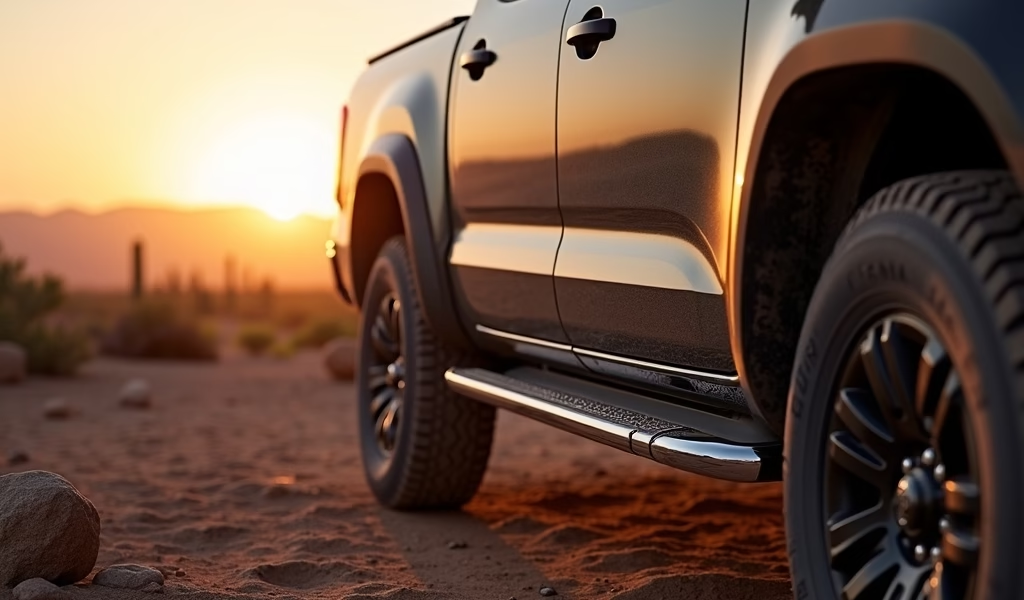
The first rule in selecting nerf bar diameter is proportionality. Your vehicle’s size should directly influence the tube diameter you choose. This isn’t just about aesthetics—it’s about structural harmony and functionality.
For compact and mid-size SUVs (like the Honda CR-V, Toyota RAV4, or Jeep Cherokee), stick with 3 to 4-inch diameter tubes. These vehicles have lower ride heights and narrower bodies, making larger tubes look disproportionate and potentially create clearance issues. The lighter weight of these smaller diameter tubes also prevents unnecessary strain on mounting points.
Full-size trucks and larger SUVs (F-150, Silverado, Suburban, etc.) can comfortably accommodate 4 to 6-inch diameter tubes. The larger vehicle frame provides better visual balance with thicker tubes, and the mounting points on these vehicles are designed to handle additional weight. If you regularly carry heavy loads or tow trailers, the extra strength of larger diameter tubes can be beneficial.
Beyond the obvious size considerations, think about your vehicle’s design language. Vehicles with more angular, aggressive styling often pair well with larger diameter tubes that complement their bold aesthetic. Vehicles with sleeker, more rounded designs typically look better with more modest tube diameters that don’t disrupt their flowing lines.
Tip 2: Consider Your Primary Usage Needs
Your driving habits and how you actually use your vehicle should heavily influence your nerf bar diameter choice. Be honest with yourself about your real-world needs rather than aspirational scenarios.
For serious off-roaders who regularly tackle challenging terrain, larger diameter tubes (4.5-6 inches) provide superior protection against rocks, tree limbs, and other trail obstacles. The additional structural integrity helps these bars withstand impacts that would dent or deform smaller tubes. If you’re shopping for off-road parts online, pay special attention to the tube thickness (wall gauge) in addition to diameter.
City and highway drivers who rarely venture off pavement can typically opt for 3-4 inch tubes without sacrificing functionality. These slimmer profiles offer adequate protection from parking lot dings and road debris while maintaining better ground clearance for navigating steep driveways and speed bumps.
Consider who uses your vehicle regularly. Families with small children or elderly passengers benefit from tubes in the 4-5 inch range, which provide a more substantial stepping surface. According to NHTSA data, vehicle entry/exit injuries are surprisingly common, particularly among older adults and young children. A properly sized nerf bar can significantly reduce these risks.
Weather conditions in your region matter too. In areas with heavy snow and ice, larger diameter tubes offer better foot placement when entering your vehicle with snow-covered boots. In rainy regions, tubes with built-in traction patterns (more common on larger diameter options) provide safer footing when wet.
Tip 3: Material Selection Works with Diameter
The material of your nerf bars works in direct relationship with diameter choice, affecting everything from weight to durability. Making these selections in tandem rather than separately ensures optimal performance.
Aluminum nerf bars offer significant weight advantages—typically 60-70% lighter than comparable steel options. This weight efficiency means you can often choose a larger diameter aluminum tube (5-6 inches) without adding excessive weight to your vehicle. The trade-off comes in impact resistance; aluminum can dent more easily than steel when struck forcefully.
Steel nerf bars provide superior strength but at a weight penalty. For steel options, smaller diameters (3-4 inches) often make more sense to keep weight reasonable. Steel tubes also tend to have thinner walls than aluminum for the same strength, which can actually make a 4-inch steel tube as strong as a 5-inch aluminum tube in many cases.
Stainless steel offers excellent corrosion resistance but comes at a premium price point. According to SAE International research, stainless steel nerf bars maintain their structural integrity up to 30% longer than powder-coated steel in high-corrosion environments like coastal areas or regions that use road salt extensively.
The finish quality matters across all diameter options but becomes increasingly important with larger tubes that have more surface area. Powder-coated finishes on 5-6 inch tubes require more careful maintenance to prevent chipping and rusting. Consider this maintenance requirement when selecting both material and diameter.
Tip 4: Installation Requirements Based on Diameter
The diameter of your nerf bars directly impacts installation complexity, mounting requirements, and potential clearance issues. Understanding these relationships before purchase can save significant headaches during installation.
Larger diameter tubes (5-6 inches) typically require more robust mounting brackets and more mounting points along the vehicle frame. These additional mounting requirements provide the necessary support for the larger, heavier tubes but also mean more drilling, bolting, and potential for installation errors. If your vehicle doesn’t have factory-designed mounting points, installing larger tubes might require professional help.
Clearance considerations become more critical with larger diameter tubes. A 6-inch tube might extend farther from the vehicle’s side than you anticipate, potentially causing issues with garage clearance or even affecting the vehicle’s effective width on narrow trails. Always check the total extension measurement (how far the bar protrudes from the vehicle body) rather than just the tube diameter.
For DIY installers, 3-4 inch nerf bars typically offer the most straightforward installation experience. They usually work with existing mounting points, require fewer brackets, and present fewer clearance challenges. Most weekend mechanics can handle these installations with basic tools and moderate mechanical skills.
Remember that improper installation of any nerf bar—regardless of diameter—can lead to dangerous failures. If the mounting points aren’t secure or if the weight distribution is imbalanced, even the strongest tube can work loose over time. When in doubt, professional installation is worth the investment.
Tip 5: Budget and Long-Term Value
Let’s talk dollars and sense. Nerf bar tube diameter affects not just the initial purchase price but also long-term value and potential resale implications.
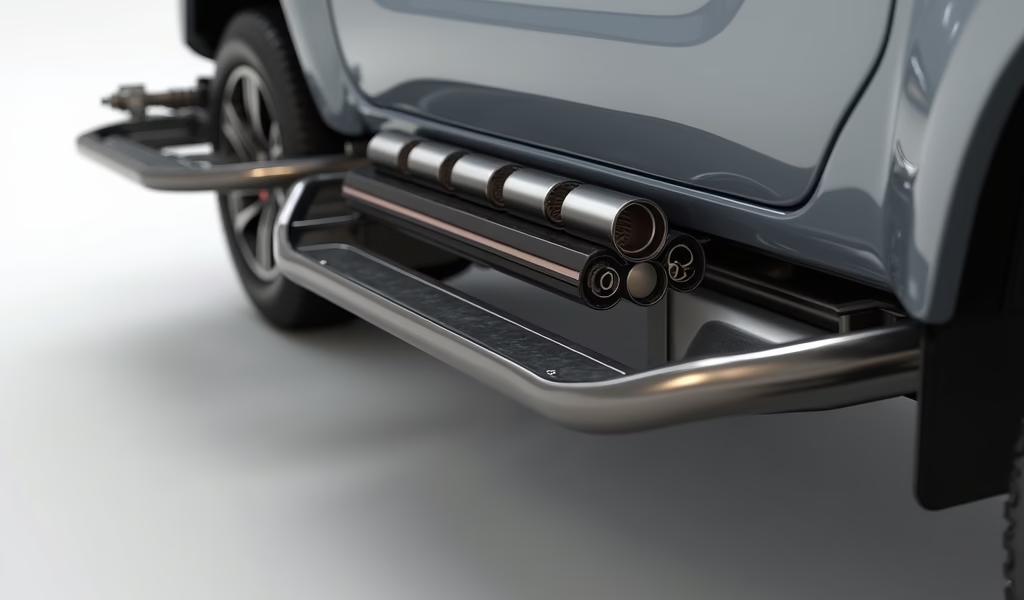
Larger diameter tubes (5-6 inches) typically cost 20-30% more than their smaller counterparts, reflecting the additional materials and manufacturing complexity. However, these premium options often include enhanced features like full-length stepping surfaces and more aggressive tread patterns that can justify the higher price tag for many users.
When calculating long-term value, consider durability factors. Based on my extensive experience with vehicle accessories, larger diameter tubes generally withstand impacts better and show less visible damage from minor collisions. This durability can translate to better appearance over time, particularly for trucks used in working environments.
Resale considerations shouldn’t be overlooked. Moderate-sized tubes (4-5 inches) typically appeal to the widest range of second-hand buyers. Extremely large tubes (6+ inches) or very small tubes (3 inches) represent more specialized preferences that might limit your buyer pool when selling your vehicle.
Warranty coverage often correlates with tube diameter as well. Many manufacturers offer longer warranties on their larger, premium tubes—sometimes extending coverage from 3 years to 5 years or more. This extended protection can represent significant value, especially if you plan to keep your vehicle for many years.
One final budget consideration: fuel economy. According to testing by automotive researchers, larger diameter nerf bars can create additional aerodynamic drag that affects fuel economy by 1-2% in highway driving. For high-mileage drivers, the cumulative cost of this efficiency reduction can be meaningful over years of ownership.
Conclusion
Selecting the right nerf bar tube diameter isn’t just about aesthetics—it’s about finding the perfect balance of functionality, durability, and value for your specific vehicle and lifestyle. By considering vehicle proportions, usage patterns, material selection, installation requirements, and budget factors, you can make an informed decision that enhances both the protection and usability of your truck or SUV.
For most average users, the sweet spot tends to be in the 4-5 inch range for full-size trucks and 3-4 inch range for smaller vehicles. These moderate diameters offer excellent functionality without excessive weight or clearance issues. However, your specific situation might call for going smaller or larger based on the factors we’ve discussed.
Remember that quality matters as much as size. A well-constructed 3-inch nerf bar will outperform and outlast a poorly made 6-inch option every time. Look beyond diameter to consider construction quality, mounting system design, and finish durability when making your final selection.
Whether you’re conquering off-road trails or just making it easier for your family to climb into your vehicle, the right nerf bars become an extension of your vehicle’s functionality. Choose wisely, install properly, and enjoy the protection and convenience these versatile accessories provide for years to come.
Frequently Asked Questions
What’s the most popular nerf bar tube diameter for F-150 trucks?
The 4-inch and 5-inch diameters are most popular for F-150s, offering a good balance of stepping area and proportion. The 5-inch option provides more stepping surface while the 4-inch option offers a slightly sleeker look.
Do larger diameter nerf bars provide better protection?
Generally yes, larger diameter tubes (5-6 inches) offer better side impact protection and resistance to trail damage. The increased material and surface area absorb impacts more effectively than smaller tubes.
Will nerf bar diameter affect my ground clearance?
Minimally in most cases, as the primary factor affecting ground clearance is how low the bars hang rather than their diameter. However, larger diameter tubes may reduce clearance slightly at extreme approach and departure angles.
Are larger diameter nerf bars harder to install?
Yes, larger diameter tubes (5-6 inches) typically require more robust mounting brackets and sometimes additional mounting points. The increased weight also makes them more challenging to hold in position during installation compared to 3-4 inch options.
Can I install different diameter nerf bars than what came stock on my vehicle?
Yes, in most cases you can change diameters when replacing factory nerf bars or running boards. Just ensure the new mounting brackets are compatible with your vehicle’s frame mounting points or be prepared for possible modifications.