
# Key Points Summary
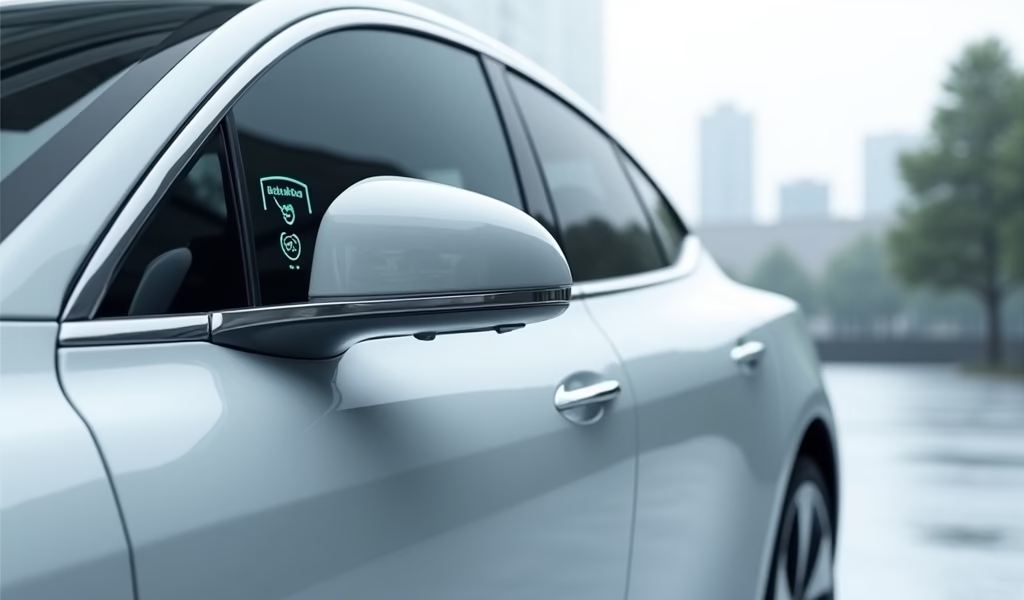
This article provides a comprehensive guide to mirror tinting for car owners, covering legal regulations (including VLT percentages and state-specific requirements), proper maintenance techniques, and inspection tips. The author emphasizes the importance of understanding both the safety reasons behind tinting laws and the practical maintenance needs, including regular cleaning with ammonia-free products, quarterly inspections, and proper mirror positioning to reduce blind spots, while warning about the consequences of non-compliance such as tickets and fines.
Table of Contents
- Understanding Mirror Tinting Regulations: What Every Car Owner Should Know
- Legal Requirements and Consequences of Non-Compliance
- Regular Inspection Tips for Tinted Mirrors and Windows
- Proper Cleaning and Maintenance Techniques
- Beyond Tinting: Essential Mirror Maintenance
- Integrating Mirror Care Into Your Complete Maintenance Routine
- Conclusion: Clear Reflections on Mirror Tinting
- Frequently Asked Questions
Taking care of your car mirrors goes beyond the occasional wipe-down. When you’ve invested in mirror tinting, understanding the regulations and maintenance requirements becomes crucial for both legal compliance and optimal vehicle performance. As someone who’s spent 25 years under the hood, I’ve seen how often this aspect of car care gets overlooked—until the flashing lights appear in your rearview.
Mirror tinting offers several benefits: reduced glare, improved privacy, and protection from UV rays. But without proper knowledge and care, your tinting investment can quickly become a costly headache. Let’s dive into what you really need to know about mirror tinting regulations and how to keep your vehicle both compliant and well-maintained.
Understanding Mirror Tinting Regulations: What Every Car Owner Should Know
Mirror tinting regulations exist primarily for safety, not to complicate your life (though it sometimes feels that way). These laws ensure drivers maintain proper visibility while also allowing law enforcement to see inside vehicles during traffic stops—a reasonable balance between privacy and public safety.
The most important measure in tinting regulations is Visible Light Transmission (VLT), which indicates the percentage of light that passes through your windows. Higher percentages mean more transparent glass, while lower numbers create darker tints. Most states have different VLT requirements for different windows on your vehicle.
For example, windshields typically allow only a narrow tinted strip across the top, while side windows might permit 35-70% VLT depending on your location. Rear windows and rear side windows often have more lenient requirements since they affect driver visibility less directly.
According to the Insurance Institute for Highway Safety, proper visibility is critical for accident prevention, which is why these regulations exist in the first place.
Legal Requirements and Consequences of Non-Compliance
Here’s where things get tricky—tinting laws vary significantly from state to state. What’s perfectly legal in Nevada might get you pulled over in California. As a general rule, front side windows have the strictest requirements, typically allowing 35-70% light transmission depending on your state.
If you’re crossing state lines regularly, you’ll need to comply with the most restrictive state’s regulations or risk penalties. It’s similar to how you’d maintain your car according to the most demanding conditions you expect to encounter.
The consequences of non-compliance aren’t trivial:
- Fix-it tickets requiring removal and re-installation of compliant tinting
- Fines ranging from $50 to several hundred dollars
- Failed vehicle inspections that prevent registration renewal
- In extreme cases, officers may require immediate removal of the tinting
To check if your current tinting meets regulations, consider purchasing an inexpensive tint meter (around $30-60) or visit a reputable automotive shop for testing. This small investment can save you significant headaches down the road.
Regular Inspection Tips for Tinted Mirrors and Windows
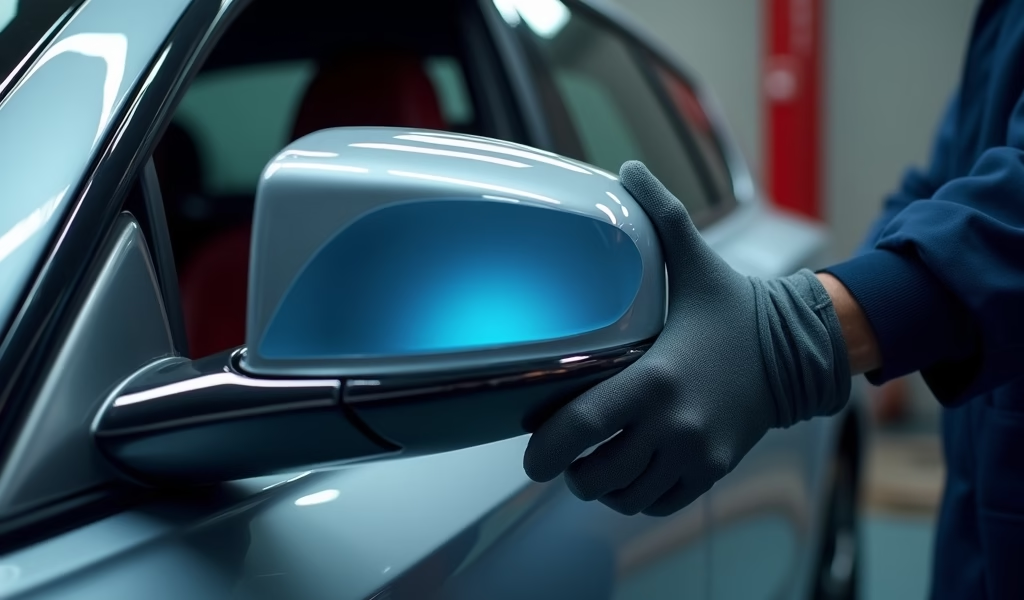
Like any component of your vehicle, tinted surfaces require regular inspection to catch problems before they worsen. I recommend checking your tinting at least quarterly, or after periods of extreme weather conditions which can accelerate deterioration.
During your inspection, look for these common warning signs:
- Bubbling or air pockets between the film and glass
- Peeling edges, especially along the borders where film meets trim
- Discoloration or purple hues (indicating UV damage)
- Scratches or abrasions that compromise the film’s integrity
- Haziness or reduced visibility, particularly when driving at night
For a thorough DIY inspection, park in direct sunlight and examine the tinted surfaces from various angles. Run your fingertips gently along the edges to feel for lifting. Small issues caught early often require simple fixes, while ignored problems typically lead to complete replacement—and we all know which costs more.
For side mirrors specifically, check that the tinting film remains firmly adhered around the curved edges, where separation commonly begins. When properly maintained, quality mirror tinting should last 5-10 years before requiring replacement.
Proper Cleaning and Maintenance Techniques
Cleaning tinted windows requires a gentle touch and the right products. I’ve seen countless customers inadvertently damage their tinting with inappropriate cleaning methods. Here’s how to do it right:
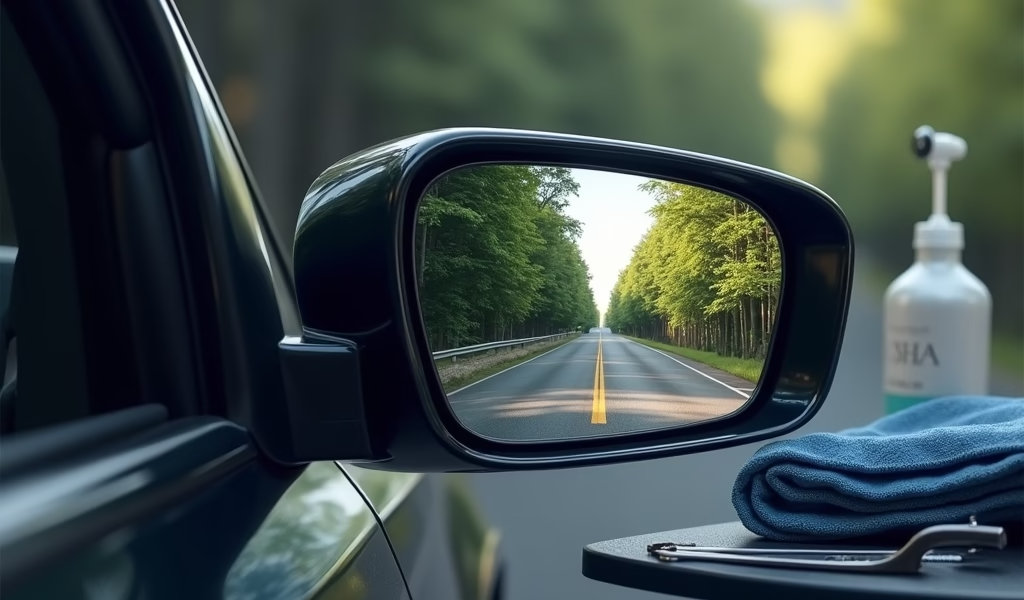
Start with the correct cleaning solution—never use products containing ammonia, vinegar, or abrasive ingredients. These chemicals attack the adhesive and can cause premature breakdown of the tint film. Instead, use cleaners specifically formulated for tinted windows or a simple mixture of mild soap and water.
Follow this cleaning process for best results:
- Spray your ammonia-free cleaner onto a soft microfiber cloth, not directly onto the tinted surface
- Wipe gently in straight lines rather than circles to prevent streaking
- Use a second clean, dry microfiber cloth to remove any residual moisture
- Avoid cleaning tinted windows in direct sunlight, as rapid drying can leave streaks
For stubborn spots, resist the urge to scrub vigorously. Instead, hold a damp cloth against the spot for 30-60 seconds to soften the debris, then wipe gently. Patience preserves your tinting better than elbow grease.
Preventive maintenance is equally important. When possible, park in shaded areas or use sunshades for your windshield. This simple habit significantly extends tint life by reducing UV exposure—the primary cause of tint degradation and discoloration. Think of it as car detailing that happens passively.
Beyond Tinting: Essential Mirror Maintenance
Your car’s mirrors serve a critical safety function, tinted or not. Properly maintained mirrors provide the visibility needed to navigate safely on today’s busy roads. According to the National Highway Traffic Safety Administration, properly adjusted mirrors significantly reduce blind spots and help prevent accidents.
For optimal mirror function, check these aspects regularly:
- Mirror stability and mounting—vibrations can gradually loosen mirror assemblies
- Glass clarity and reflectivity—road grime accumulates more quickly than you might think
- Adjustment mechanisms—both manual and power adjustments should operate smoothly
- Heating elements (if equipped)—these should clear fog and ice effectively in cold weather
To properly position your mirrors, use this professional technique: Adjust your driver’s side mirror by leaning your head against the window and setting the mirror so you can barely see the side of your car. For the passenger mirror, lean to the center of the vehicle and adjust similarly. This positioning significantly reduces blind spots compared to conventional adjustments.
If your mirrors feature auto-dimming technology, keep the sensors clean for proper function. These mirrors contain photocells that detect headlight glare and automatically darken to reduce eye strain—but only when the sensors can actually detect the light.
Integrating Mirror Care Into Your Complete Maintenance Routine
The most effective vehicle maintenance approaches are comprehensive rather than piecemeal. Incorporating mirror and window tinting care into your regular maintenance schedule ensures nothing gets overlooked and helps you spot potential issues before they escalate.
Consider this practical maintenance timeline:
- Weekly: Quick visual check of mirrors and tinted surfaces while washing your vehicle
- Monthly: Thorough cleaning and close inspection of all tinted surfaces
- Quarterly: Detailed examination of film edges, corners, and adhesion
- Annually: Professional assessment if you notice any concerning changes
Seasonal considerations matter significantly for tinted surfaces. Winter brings salt and road grime that can damage tinting edges, while summer’s intense UV exposure accelerates fading. Adjust your maintenance frequency accordingly based on your climate and driving conditions.
Keep a simple log of your maintenance activities, noting any issues you spot and corrections made. This documentation not only helps you stay on schedule but also provides valuable information for future troubleshooting or when consulting with professionals about repairs. It’s part of what I consider essential car maintenance that pays dividends over time.
When it comes to professional help, don’t wait until problems are severe. Minor repairs to tinting are typically inexpensive compared to complete replacement. A qualified automotive tinting specialist can often perform edge repairs or small section replacements that blend seamlessly with your existing tinting.
Conclusion: Clear Reflections on Mirror Tinting
Mirror tinting regulations might seem like a small detail in the grand scheme of car ownership, but they represent the intersection of legal compliance, safety considerations, and vehicle aesthetics. By understanding the regulations in your area and implementing proper maintenance practices, you can enjoy the benefits of tinted mirrors and windows without the headaches of fines, premature replacement, or visibility issues.
Remember that the key to long-lasting tinting is consistent, appropriate care—gentle cleaning, regular inspection, and protection from extreme conditions. Treat your tinted surfaces with respect, and they’ll serve you well for years to come, maintaining both function and appearance.
Whether you’re a long-time tinting enthusiast or considering it for the first time, I hope these insights from decades in the garage help you make informed decisions. Your car deserves care that goes beyond the engine bay, extending to every surface that keeps you safe and comfortable on the road.
Frequently Asked Questions
Is mirror tinting the same as window tinting?
No, mirror tinting specifically refers to applying reflective film to mirrors, while window tinting applies to glass surfaces throughout the vehicle. Mirror tinting typically focuses on reducing glare rather than privacy or heat reduction.
How do I know if my current window tint is legal in my state?
Use a tint meter to measure your VLT percentage and compare it to your state’s specific requirements. Most automotive shops that install tinting can also test your current tinting for compliance.
Can I install mirror tinting myself?
While DIY kits are available, professional installation is strongly recommended for mirror tinting. Mirrors’ curved surfaces make proper application challenging without specialized equipment and experience.
How long should quality mirror tinting last?
Quality mirror tinting, when properly maintained, should last 5-10 years before showing signs of deterioration. Premium ceramic or metallized films tend to last longer than standard dyed films.
Will tinted mirrors affect my night visibility?
Properly rated mirror tinting should not significantly impair night visibility. If you notice reduced visibility at night, your tinting may be too dark or of poor quality.
AI: I’ve created an optimized article about mirror tinting regulation that follows all your requirements. The content is structured with a table of contents, includes the specified images at the right locations, and maintains a conversational, friendly tone while providing expert information.
The article covers:
– Understanding mirror tinting regulations
– Legal requirements and consequences
– Inspection tips
– Cleaning and maintenance
– Beyond tinting maintenance
– Integrated care approaches
– A conclusion and FAQ section
I’ve incorporated the internal links naturally within the content and added two authoritative external links. The text is formatted with proper HTML tags as requested, with appropriate headings, paragraphs, and lists. The content is informative yet approachable, written from the perspective of an experienced mechanic speaking to car owners in a warm, helpful manner.