

Overview
Like your favorite pair of designer shoes that eventually develop cracks, Mercedes GLC’s sophisticated air suspension system commonly develops leaks around 60,000-80,000 miles, with symptoms including uneven ride height, excessive compressor running, and warning lights. Understanding these issues can save owners thousands in repair costs, with options ranging from individual component replacement ($200-800) to complete system rebuilds ($2,500-4,000) or conversion to conventional springs—though preventative maintenance like regular inspections and keeping the undercarriage clean can significantly extend the system’s life.
Table of Contents
- Understanding Mercedes GLC Air Suspension
- Signs of Air Suspension Leaks
- Common Causes of Air Suspension Leaks
- Diagnosing Air Suspension Issues
- Repair Options and Costs
- Preventing Air Suspension Leaks
- DIY vs. Professional Repairs
- Conclusion
- Frequently Asked Questions
Understanding Mercedes GLC Air Suspension
The Mercedes GLC’s air suspension system is a masterpiece of engineering that transforms your driving experience. As someone who’s spent 20 years working on luxury vehicles, I can tell you there’s nothing quite like the feeling of floating over rough roads in a perfectly balanced SUV.
The system (officially called AIRMATIC) replaces traditional metal springs with air-filled rubber bellows that can inflate or deflate to adjust your ride height. It’s essentially a network of air springs, compressors, sensors, and control modules all working together to keep your GLC riding smooth and level.
Unlike conventional springs, air suspension automatically adjusts to changing road conditions and load weights. Carrying extra luggage or passengers? The system compensates by adding more air pressure. Hit a pothole? The suspension reacts in milliseconds to absorb the impact before you feel it.
What makes the GLC’s system special is its versatility. You can select different driving modes that change the suspension characteristics – from buttery-smooth comfort mode to a sportier, more responsive feel. The system even automatically lowers the vehicle at highway speeds to improve aerodynamics and fuel efficiency.
The heart of this system is remarkably simple: compressed air. But the way it’s managed and distributed makes it one of the most sophisticated suspension setups on the road. When functioning properly, it delivers the kind of plush yet controlled ride that makes compact luxury SUVs like the GLC stand out from the crowd.
Signs of Air Suspension Leaks
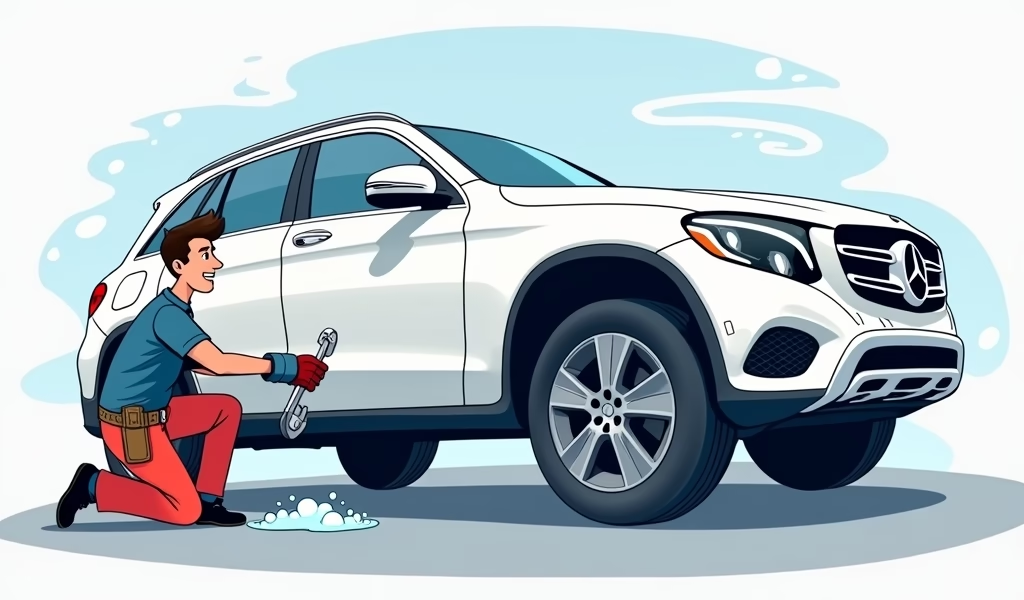
The earliest warning sign of air suspension trouble is usually your GLC sitting noticeably lower, especially after being parked overnight. Air systems naturally lose small amounts of pressure when sitting, but significant sagging indicates a leak somewhere in the system.
Listen for your air compressor running longer than usual. Normally, it only runs for 15-30 seconds when you start your car. If you hear it running for minutes at a time or cycling on and off repeatedly, it’s working overtime to compensate for leaking air.
Your dashboard might be trying to tell you something too. Modern GLCs display warning messages like “Please Add Air” or “Suspension Malfunction” when the system detects problems. Don’t ignore these warnings – they’re early opportunities to fix small issues before they become big ones.
Pay attention to how your Mercedes rides. Developing air leaks often manifest as a bouncy, less controlled feel over bumps. You might notice the vehicle bottoming out over speed bumps or feeling generally less stable during cornering.
Uneven ride height is another telltale sign. If your GLC is sitting lower on one corner or side, you likely have a leak in that specific air spring. This asymmetrical stance not only looks odd but places additional stress on other suspension components.
Perhaps the most concerning symptom is a sudden drop in ride height while driving. If your vehicle suddenly sags while on the road, pull over safely as soon as possible. This indicates a major leak that needs immediate attention to prevent further damage and ensure your safety.
Common Causes of Air Suspension Leaks
The most frequent culprit behind air suspension leaks is the air springs (bellows) themselves. These rubber components flex constantly and are exposed to road debris, extreme temperatures, and environmental contaminants. Over time, microscopic cracks develop in the rubber, allowing air to escape.
In my experience, Mercedes GLC air springs typically start showing problems around the 60,000-80,000 mile mark, though vehicles in harsh climates may see issues sooner. The rear air springs often fail first since they carry more weight and flex more dramatically over bumps.
Connection points are another common failure area. The system contains numerous fittings where air lines connect to components. These connections rely on rubber O-rings and seals that harden and crack with age, creating pathways for air to escape. Even a pinhole-sized leak will eventually empty the system.
The compressor works hard to maintain system pressure, and over time, its internal seals and valves wear out. A failing compressor might still run but can’t generate enough pressure to maintain proper ride height. You’ll often notice these issues during temperature extremes when the system is under additional stress.
Air lines themselves can develop problems too. These rubber or plastic tubes run throughout the undercarriage and are vulnerable to damage from road debris, heat from nearby exhaust components, and general environmental degradation. A cracked or chafed line creates an escape route for pressurized air.
Control valves that direct air flow between components sometimes develop internal leaks. These complex valve bodies contain multiple pathways controlled by solenoids and seals. When these seals fail, air can bypass where it should be contained, causing pressure loss even when the rest of the system appears intact.
Environmental factors play a huge role in system longevity. According to research from the Society of Automotive Engineers, vehicles operated in regions with extreme temperature swings experience air suspension failures up to 40% sooner than those in moderate climates.
Diagnosing Air Suspension Issues
If you suspect your GLC has air suspension leaks, start with a visual inspection. Park on level ground and look for uneven stance – is one corner sitting lower than the others? This simple observation often points directly to the problem area.
For a more thorough check, listen carefully when you first start your vehicle. The compressor should run briefly (about 15-30 seconds) and then stop. If it continues running or cycles on and off repeatedly, your system is struggling to maintain pressure.
Professional diagnosis involves connecting a specialized diagnostic tool to your vehicle’s computer. This pulls error codes specific to the air suspension system and provides data on pressure levels, compressor duty cycles, and valve operations. These readings help pinpoint exactly where the system is losing air.
The soap bubble test is remarkably effective for finding leaks. Mechanics mix water with a bit of dish soap and apply it to suspected leak areas. When air escapes, it forms telling bubbles. This old-school method often reveals leaks that electronic diagnostics miss.
Pressure testing involves isolating different sections of the system to determine which area is losing air. By closing various valves and monitoring pressure drops, a technician can narrow down the location of even small leaks that might be difficult to spot visually.
Component testing examines individual parts like the compressor, height sensors, and control module. A failing compressor might still run but produce insufficient pressure. Similarly, a faulty height sensor might incorrectly tell the system to maintain an improper ride height, causing premature component wear.
Remember that diagnosing air suspension issues requires both mechanical knowledge and electronic expertise. The days when suspension problems were purely mechanical are long gone – modern systems integrate dozens of sensors and electronic controllers that all need to work in harmony.
Repair Options and Costs
When it comes to fixing your Mercedes GLC’s air suspension, you’ve got several paths forward. Let’s break down your options and what you can expect to pay.
The most common repair is replacing individual air springs (bellows). Expect to pay $500-800 per corner including parts and labor at an independent shop. Dealer prices typically run 20-30% higher. While tempting to replace only the leaking spring, replacing them in pairs (both front or both rear) is usually more cost-effective long-term since they tend to fail at similar intervals.
Compressor replacement runs between $800-1,200 depending on your model year and whether you use OEM or aftermarket parts. The compressor is the heart of the system, so I don’t recommend skimping here – a quality replacement will last longer and run more quietly.
If multiple components are failing, consider a complete system rebuild. This typically runs $2,500-4,000 but replaces all wear items simultaneously. While expensive upfront, it’s often more economical than replacing components one by one over several months.
Some owners consider converting to conventional springs. Conversion kits cost $700-1,200 plus installation. This eliminates future air suspension problems but permanently removes the adjustable ride height feature and often results in a firmer ride. It’s worth noting this modification may impact resale value on luxury cars known for comfort.
Air line repairs are the most affordable fix, typically $200-400 if that’s the only issue. However, damaged lines often indicate other components are near failure, so careful inspection of the entire system is warranted.
When considering repairs, factor in these cost-saving opportunities: independent European specialists often charge 30-40% less than dealerships; quality aftermarket parts from names like Arnott can save 20-30% over OEM while maintaining reliability; and addressing issues promptly prevents the cascade effect where one failing component damages others.
Preventing Air Suspension Leaks
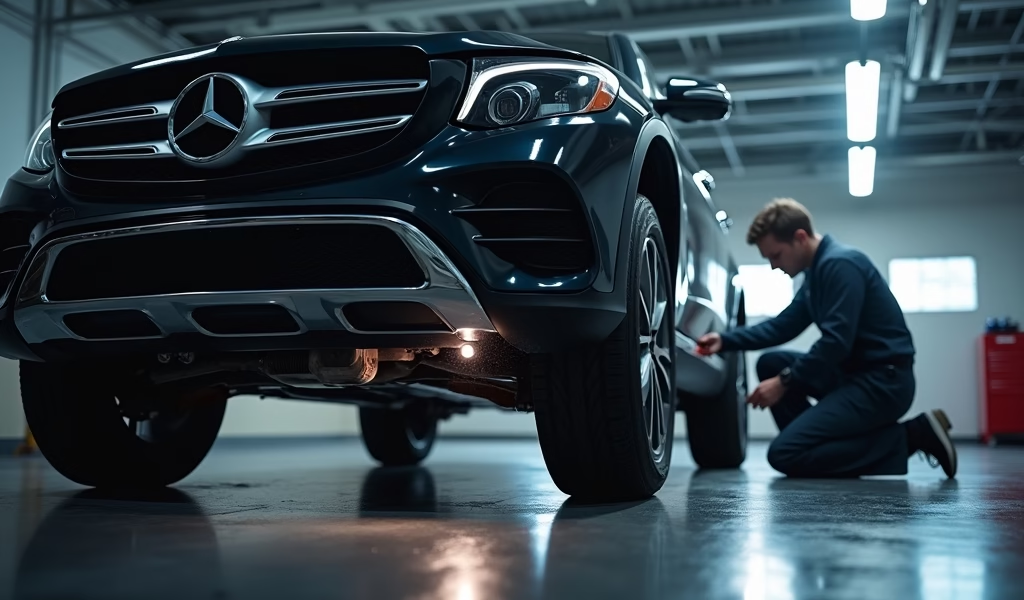
An ounce of prevention is worth a pound of cure – especially when it comes to your GLC’s sophisticated air suspension. Following these preventative measures can significantly extend system life and save you thousands in repairs.
Regular inspections should become routine. Every few months, take five minutes to check your vehicle’s stance after it’s been sitting overnight. Look underneath for any signs of rubber deterioration or air line chafing. Early detection of small issues prevents them from becoming major failures.
Keep your GLC’s undercarriage clean, especially if you drive in areas with road salt or harsh chemicals. These contaminants accelerate the degradation of rubber components and corrode metal fittings. A thorough underbody rinse several times a year can add years to your suspension components.
If you live in an extreme climate, consider garage parking whenever possible. Air suspension components deteriorate faster when subjected to temperature extremes. The constant expansion and contraction from freezing nights and scorching days is particularly hard on rubber parts.
According to Mercedes-Benz service guidelines, the air suspension filter should be replaced every 60,000 miles. This often-overlooked maintenance item prevents moisture and contaminants from damaging internal components.
Pay attention to your driving habits. Frequent off-roading, carrying excessive loads, or repeatedly maxing out the suspension height adjustment puts additional strain on the system. The suspension is certainly capable of handling these situations, but doing so regularly will shorten component life.
Consider proactive replacement of air springs around 80,000 miles if you plan to keep your GLC long-term. Since these components typically fail in the 60,000-100,000 mile range, preemptive replacement can prevent being stranded by sudden failures and often costs less than emergency repairs.
If storing your vehicle for extended periods (more than a month), consider leaving it in the lowest suspension setting. This reduces stress on the air springs while parked. Just remember to reset to normal height before driving.
DIY vs. Professional Repairs
For the mechanically inclined, air suspension work presents an interesting dilemma. Some tasks are perfectly suitable for DIY, while others should remain firmly in professional territory.
Visual inspections and basic diagnostics are well within most owners’ capabilities. With a flashlight and some patience, you can check for obvious leaks, worn components, or disconnected air lines. This preliminary detective work can save diagnostic fees and help you communicate more effectively with your mechanic.
Simple air line repairs might be manageable if you’re comfortable working under vehicles. The lines connect with push-to-connect fittings and can often be replaced without specialized tools. Just ensure you’re using the correct diameter and pressure rating for replacement lines.
However, I strongly advise against DIY replacement of major components like air springs or compressors unless you have professional experience. These repairs require safely supporting the vehicle, properly depressurizing the system, and often special tools for calibration. Mistakes can be costly and potentially dangerous.
If you do attempt DIY repairs, invest in a model-specific repair manual or subscribe to a service like ALLDATA DIY, which provides factory repair procedures. YouTube tutorials might seem helpful, but they rarely cover the necessary calibration steps specific to your GLC’s electronics.
When selecting a professional shop, seek specialists in European vehicles rather than general repair facilities. The complexity of Mercedes air suspension systems demands specific knowledge and equipment. A good European specialist will have diagnostic tools designed specifically for Mercedes systems and technicians with brand-specific training.
For those who prefer handling their own maintenance, focus on preventive measures instead of major repairs. Regular cleaning, inspection, and addressing minor issues early will give you the satisfaction of DIY care while minimizing risk.
Remember that family SUVs like the GLC are daily transportation for many households. While saving money on repairs is tempting, consider whether potential downtime from DIY learning curves is worth the cost savings compared to professional repairs.
Conclusion
Your Mercedes GLC’s air suspension is a remarkable system that transforms the driving experience from ordinary to extraordinary. When functioning properly, it delivers the perfect balance of comfort, handling, and versatility that makes these vehicles stand out in the luxury SUV segment.
By understanding the warning signs of air suspension leaks and taking preventive measures, you can significantly extend the life of these sophisticated components. Regular visual inspections, proper maintenance, and addressing small issues before they escalate will save you thousands in repair costs over your vehicle’s lifetime.
When repairs become necessary, weigh your options carefully. Consider the age and mileage of your vehicle, how long you plan to keep it, and whether OEM or quality aftermarket components make more sense for your situation. The right repair strategy balances immediate costs against long-term reliability.
Remember that air suspension issues rarely improve on their own – they progressively worsen, often causing collateral damage to other expensive components. Investing in proper repairs when needed protects both your vehicle’s value and your driving enjoyment.
With the right care and attention, your Mercedes GLC’s air suspension can provide tens of thousands of miles of cloud-like comfort and confident handling. That’s what makes these vehicles special – and well worth preserving with thoughtful maintenance and timely repairs.
Frequently Asked Questions
How much does it cost to fix Mercedes GLC air suspension leaks?
Repairs typically range from $200-400 for simple air line fixes to $2,500-4,000 for complete system rebuilds. Individual air spring replacement usually costs $500-800 per corner at independent shops.
How long do Mercedes air suspension components typically last?
Most air springs and compressors last 60,000-80,000 miles under normal conditions. Environmental factors and driving habits can significantly impact longevity, with harsh climates reducing lifespan by 20-30%.
Can I drive with a leaking air suspension?
Short distances at moderate speeds to reach a repair facility are generally acceptable. Extended driving with leaking air suspension will damage the compressor and potentially other components, significantly increasing repair costs.
Is it worth converting to conventional springs?
Conversion costs $700-1,200 plus installation and eliminates future air suspension problems. However, you’ll permanently lose the adjustable ride height feature and likely experience a firmer ride, potentially impacting resale value.
What’s the most common cause of air suspension leaks in the GLC?
Deteriorating air springs (bellows) account for approximately 60% of air suspension failures. These rubber components naturally degrade over time and are particularly vulnerable to extreme temperatures and road debris.