

Overview
Just like that cloud-like ride turning into a wooden wagon experience, Mercedes EQS air suspension issues often begin with subtle warning signs that, when ignored, can lead to repairs costing thousands. The article details how the sophisticated AIRMATIC system works, outlines common failure points (including air leaks and compressor issues), provides maintenance strategies to extend component lifespan, and offers guidance on repair options ranging from single-component fixes to complete system overhauls.
Table of Contents
- Understanding Mercedes EQS Air Suspension
- How the AIRMATIC Suspension System Works
- Warning Signs of Air Suspension Problems
- Common Causes of Air Suspension Failures
- Expected Lifespan of Suspension Components
- Preventative Maintenance Tips
- Repair Options and Costs
- DIY vs. Professional Repairs
- Conclusion
- Frequently Asked Questions
Understanding Mercedes EQS Air Suspension
Picture this: you’re gliding down the highway in your sleek Mercedes EQS, enjoying that cloud-like ride that makes electric luxury travel so special. Then suddenly – thunk! – something doesn’t feel right. Your vehicle starts sitting noticeably lower on one side, and that magic carpet ride becomes more like a wooden wagon on a cobblestone street.
The Mercedes EQS air suspension system is a marvel of engineering that contributes enormously to the exceptional driving experience of this premium electric vehicle. But like any sophisticated system, it can develop issues that might leave you facing repair bills that could make your eyes water.
As a mechanic who’s spent years working with these systems, I’ve seen firsthand how proper knowledge and maintenance can save owners thousands in unexpected repairs. The good news? Most costly air suspension failures can be prevented with the right approach.
Air suspension isn’t just a luxury feature – it’s fundamental to how electric vehicles like the EQS work, optimizing aerodynamics at highway speeds to maximize range and providing the adaptive ride quality that Mercedes customers expect. Understanding this system is your first step to keeping it healthy.
How the AIRMATIC Suspension System Works
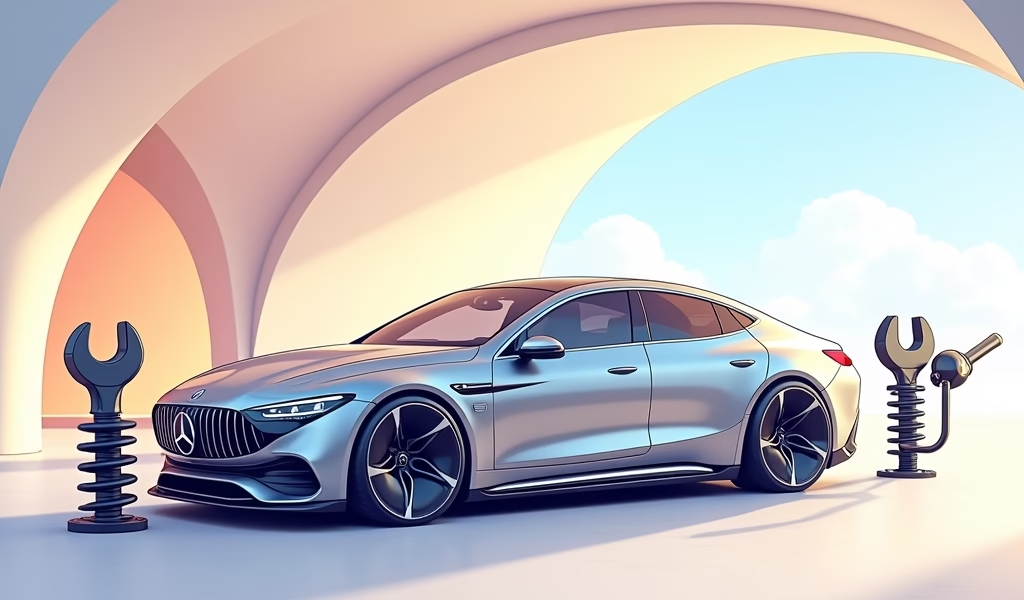
The Mercedes EQS doesn’t rely on traditional steel springs like conventional cars. Instead, it uses Mercedes’ AIRMATIC system – essentially high-tech air bellows that can be inflated or deflated to adjust ride height, firmness, and vehicle dynamics.
Here’s what makes up this impressive system:
- Air struts at each wheel (replacing traditional coil springs)
- An electric air compressor (the heart of the system)
- Valve blocks that direct air flow throughout the system
- Height sensors that monitor the position of each wheel
- A sophisticated control module that orchestrates everything
When you start your EQS, the system checks the ride height at each corner. If it detects the vehicle is sitting too low, the compressor kicks in to add air to the appropriate struts. This all happens in seconds – often before you’ve even selected drive mode.
The real magic happens on the road. Hit a pothole? The system instantly adjusts damping to absorb the impact. Loading up with passengers or luggage? The rear suspension automatically compensates to keep the vehicle level. Cruising at highway speeds? The entire car lowers slightly to improve aerodynamics and efficiency.
According to Mercedes-Benz’s official specifications, this intelligent system makes over 1,000 calculations per second to continuously optimize your ride. It’s automotive engineering at its finest – when it’s working properly.
Warning Signs of Air Suspension Problems
The Mercedes EQS air suspension is sophisticated, but it will typically give you several warning signs before complete failure. Recognizing these early symptoms can save you from being stranded – and save your wallet from a much larger repair bill.
Keep an eye out for these telltale indicators:
- Uneven ride height (one corner sitting lower than others)
- Vehicle that sags overnight or after sitting for a few hours
- Warning lights on your dashboard (often showing suspension symbols)
- Unusual noises from the suspension or compressor
- Excessively bouncy or harsh ride quality
- Air compressor running for extended periods
- Inability to raise or lower the vehicle using controls
One of the most common complaints I hear from EQS owners is the “morning sag” – where the vehicle sits noticeably lower after being parked overnight. This usually indicates a slow air leak in the system. While you might be tempted to ignore it if the car levels itself after starting, this is putting extra strain on your compressor as it works overtime to compensate.
If your EQS displays a “Stop Vehicle Too Low” warning, take it seriously. This indicates a significant failure that could potentially damage other components or affect vehicle control. In this situation, it’s best to pull over safely and arrange for professional assistance rather than continuing to drive.
Common Causes of Air Suspension Failures
After diagnosing hundreds of air suspension issues, I’ve found that most Mercedes EQS suspension problems can be traced to a handful of common causes. Understanding these can help you prevent problems before they start.
The main culprits behind most failures include:
Air Leaks
Air leaks are by far the most common issue. These typically develop at connection points between air lines and components, or through tiny cracks in the air struts themselves. Even pinhole-sized leaks will eventually compromise system pressure, forcing your compressor to work harder than designed.
Leaks often start small and worsen over time. That’s why a vehicle that only sags slightly after sitting for days might eventually refuse to maintain height for even a few hours.
Compressor Failure
The air compressor is the workhorse of the system. When leaks develop elsewhere, the compressor runs more frequently to compensate. This extra duty generates heat and accelerates wear. Most compressors will fail after 5-7 years or 70,000-100,000 miles, though this can vary based on climate and how hard the unit has had to work.
A failed compressor often means complete system failure, as there’s nothing to generate the air pressure needed for proper operation.
Electronic and Sensor Issues
Modern air suspension systems rely on numerous sensors and electronic control units. Height sensors at each wheel can become damaged or misaligned, while control modules can suffer from software glitches or water damage. These issues often lead to erratic system behavior rather than complete failure.
Environmental Factors
Exposure to extreme temperatures, road salt, and moisture accelerates the aging of air suspension components. Rubber parts become brittle in cold climates, while heat can cause seals to degrade faster. Vehicles in harsh winter regions typically experience air suspension issues sooner than those in moderate climates.
Regular maintenance improves vehicle performance and can dramatically extend the life of your air suspension components – something we’ll cover in detail shortly.
Expected Lifespan of Suspension Components
One of the most common questions I get from EQS owners is: “How long should my air suspension last?” The answer depends on various factors, but there are some general guidelines to keep in mind.
Here’s what you can typically expect:
- Air struts: 4-6 years or 60,000-80,000 miles
- Air compressor: 5-7 years or 70,000-100,000 miles
- Valve blocks: 6-8 years under normal conditions
- Height sensors: Often last the vehicle’s lifetime unless physically damaged
- Control modules: Usually very reliable, with 10+ year lifespans
These numbers can vary significantly based on:
- Climate (extreme temperatures accelerate wear)
- Driving conditions (rough roads put more stress on components)
- Maintenance history (well-maintained systems last longer)
- Driving habits (frequent short trips prevent proper system warm-up)
In my experience, EQS models operated in moderate climates with regular maintenance often exceed these average lifespans. Conversely, vehicles subjected to extreme conditions might require component replacement earlier.
It’s worth noting that air suspension components typically wear out before traditional steel springs would need replacement. However, the superior comfort and handling benefits make this trade-off worthwhile for most owners. As Car and Driver noted in their EQS review, the air suspension provides “ride quality that rivals much more expensive luxury sedans.”
Preventative Maintenance Tips
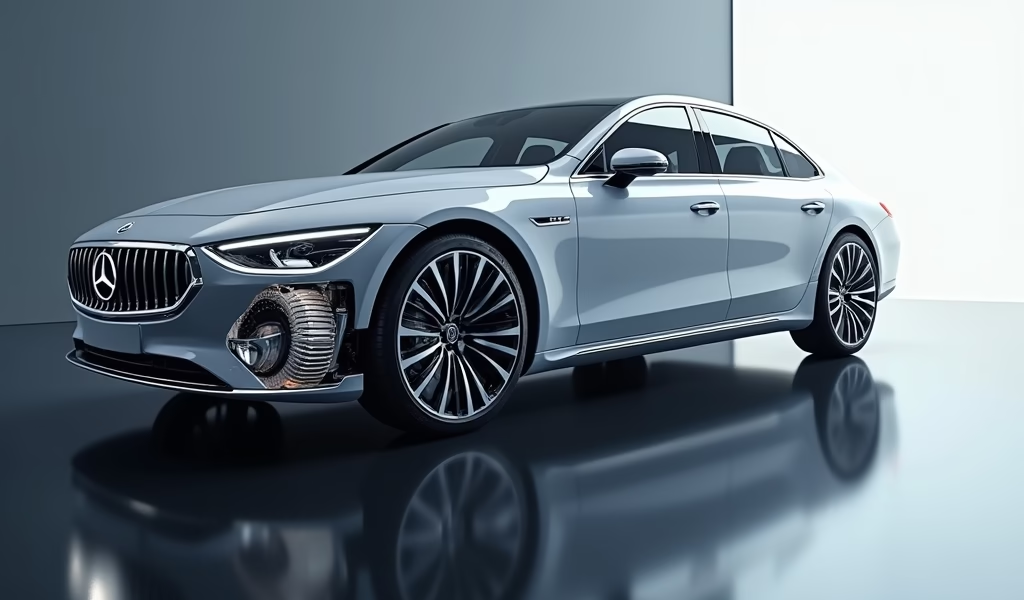
The best way to avoid costly Mercedes EQS air suspension repairs is through preventative maintenance. Based on my years in the shop, here are the most effective ways to keep your system healthy:
Regular Inspection Schedule
- Visually check ride height at all four corners every 2-3 months
- Listen for unusual compressor operation when starting your vehicle
- Have a professional inspection performed annually
- Schedule a system pressure test every 20,000 miles
Keep Software Updated
Mercedes regularly releases updates for the EQS that can improve suspension control algorithms. These updates can often be installed over-the-air or during regular service visits. Keeping your vehicle’s software current helps the system operate more efficiently, reducing strain on components.
Proper Cleaning Practices
Road salt and debris can damage exposed air suspension components. Regular underbody washing (especially in winter months) helps prevent premature corrosion. Pay special attention to cleaning around air struts and line connections without using high-pressure water directly on components.
Climate Considerations
In extremely cold weather, allow your EQS to run for a few minutes before driving. This gives the system time to properly pressurize and warm up. In hot climates, try to park in shaded areas when possible to reduce thermal stress on rubber components.
Address Minor Issues Immediately
That small leak causing occasional sagging will eventually lead to compressor failure if ignored. Addressing minor issues promptly typically costs a fraction of what you’ll pay for major component replacement. Consider it preventative medicine for your vehicle.
Many beginner car maintenance tasks like visual inspections can be performed at home, saving you money while keeping your suspension in peak condition. However, more advanced diagnostic work should be left to professionals with the right equipment.
Repair Options and Costs
When preventative maintenance isn’t enough and repairs become necessary, you’ll face several options. As someone who’s guided hundreds of owners through this process, let me break down what you can expect:
Component-Specific Repairs
The most economical approach is often replacing only the specific failed component. Here’s what typical costs look like:
- Single air strut replacement: $800-1,200 (including labor)
- Air compressor replacement: $900-1,500
- Height sensor replacement: $200-350 per sensor
- Control module replacement/repair: $700-1,400
- Valve block replacement: $400-700
These prices reflect dealership service. Independent Mercedes specialists typically charge 20-30% less, while maintaining similar quality standards.
System Overhaul
For high-mileage vehicles or those with multiple failing components, a complete system overhaul sometimes makes financial sense. This typically includes:
- All four air struts
- Compressor assembly
- Air lines and connections
- System calibration
Expect to pay $4,000-7,000 for a comprehensive overhaul using OEM parts. While this represents a significant investment, it essentially resets the clock on your air suspension system and can prevent the cascade of failures that often occurs when only addressing one component at a time.
OEM vs. Aftermarket Parts
You’ll face a choice between genuine Mercedes parts and aftermarket alternatives:
- OEM parts: Perfect fit and full compatibility but highest cost
- Premium aftermarket (Arnott, Bilstein): 20-30% savings with comparable quality
- Economy aftermarket: Significantly cheaper but often shorter lifespan
For a vehicle like the EQS, I generally recommend sticking with either OEM or premium aftermarket components. The modest savings of economy parts rarely justify their shorter lifespan and potential compatibility issues with such a sophisticated system.
DIY vs. Professional Repairs
As someone who’s both performed and supervised countless air suspension repairs, I’m often asked what work owners can safely do themselves. Here’s my honest assessment:
What You Can DIY Safely:
- Visual inspections for leaks or damage
- Basic diagnostic checks with an OBD scanner
- Cleaning of accessible suspension components
- Monitoring system performance and documenting issues
What Requires Professional Service:
- Component replacement (struts, compressor, valve blocks)
- Pressure testing and leak detection
- System calibration and programming
- Electrical diagnostics
The reality is that modern Mercedes air suspension systems require specialized tools and knowledge that most home mechanics simply don’t have access to. Even experienced DIYers can find themselves in trouble when dealing with the integrated nature of these systems.
If you do decide to tackle some aspects yourself, invest in a quality OBD scanner capable of accessing Mercedes-specific codes. Basic code readers often miss the detailed information needed to properly diagnose suspension issues.
When choosing a professional service provider, consider:
- Mercedes dealerships: Factory-trained technicians with the latest diagnostic equipment and genuine parts, but highest labor rates
- Independent Mercedes specialists: Often comparable expertise at lower rates, with more flexibility in parts selection
- General repair shops: Typically lack specialized equipment and experience with luxury air suspension systems
For complex suspension work, I recommend either dealerships or reputable specialists with specific Mercedes experience. The small premium in labor rates often pays for itself in proper diagnosis and repair quality.
Conclusion
The Mercedes EQS air suspension system is a remarkable feat of engineering that transforms the driving experience when properly maintained. While it does represent one of the more complex and potentially costly maintenance items on this luxury EV, understanding the system and following proper care procedures can dramatically reduce your risk of expensive failures.
Remember these key takeaways:
- Don’t ignore early warning signs – small issues become big problems with air suspension
- Follow a regular inspection and maintenance schedule
- Address leaks immediately to prevent compressor damage
- Consider climate factors in your maintenance approach
- Choose quality parts and qualified technicians for any necessary repairs
With proper care, your Mercedes EQS air suspension can provide tens of thousands of miles of cloud-like comfort and exceptional handling. The investment in preventative maintenance pays dividends not just in repair savings, but in preserving the premium driving experience that makes this vehicle special.
Whether you’re a current EQS owner or considering purchasing one, I hope this guide helps you avoid costly surprises and enjoy many years of trouble-free luxury electric driving.
Frequently Asked Questions
How do I know if my Mercedes EQS air suspension is failing?
Watch for uneven ride height, unusual noises from the suspension, excessive compressor running, or warning lights on the dashboard. A vehicle that sits lower after being parked overnight is also a common indicator of air suspension leaks.
Can I drive with a failed air suspension system?
While technically possible for short distances, driving with a failed air suspension is not recommended. It can cause additional damage to other components and may affect vehicle handling and safety.
How much does it cost to replace the air suspension in a Mercedes EQS?
Individual component replacement typically ranges from $800-1,500 per part including labor. A complete system overhaul with OEM parts generally costs between $4,000-7,000.
How often should Mercedes air suspension be serviced?
Have your air suspension professionally inspected annually or every 15,000 miles, whichever comes first. Visual inspections should be performed by the owner every 2-3 months.
Does Mercedes warranty cover air suspension problems?
New Mercedes vehicles include a 4-year/50,000-mile warranty that covers most suspension components. Extended warranties typically include air suspension, but coverage details vary by specific plan.