
Overview
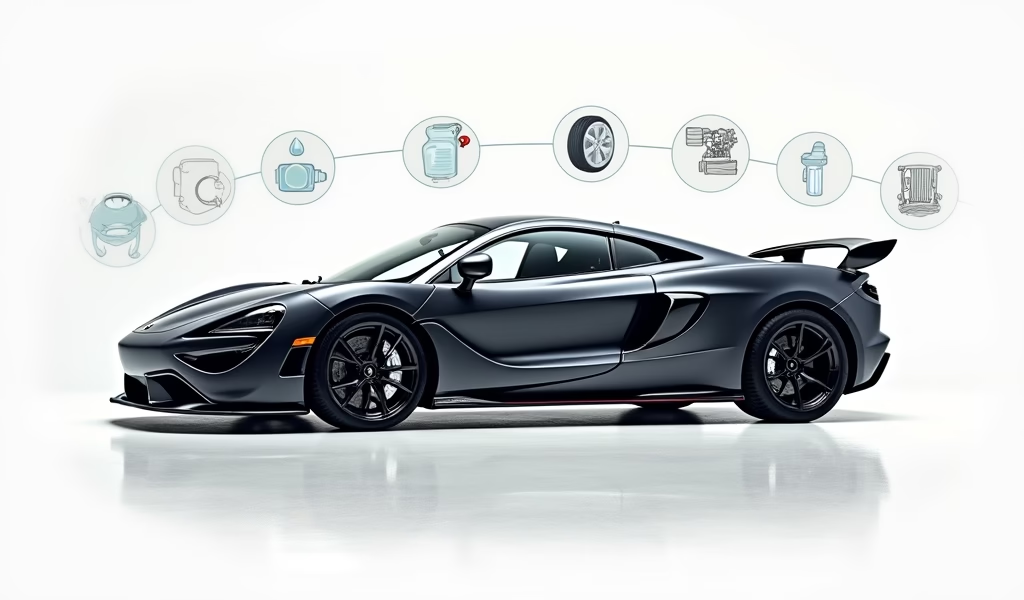
Forget waiting for your car to turn into a flaming roadside attraction before visiting a mechanic—this guide highlights seven critical maintenance areas that keep vehicles running longer: regular oil changes, tire maintenance, brake care, cooling system maintenance, transmission service, fuel system cleaning, and battery/electrical system care. Consistent attention to these core systems can extend your vehicle’s life by 50-100% while saving thousands in emergency repairs, proving that a little mechanical TLC goes a long way in maintaining your car’s health and your wallet’s happiness.
Table of Contents
- Regular Oil Changes: The Lifeblood of Your Engine
- Tire Maintenance: Where the Rubber Meets the Road
- Brake System Care: Safety First
- Cooling System Maintenance: Preventing Overheating
- Transmission Service: Smooth Operations
- Fuel System Cleaning: Optimizing Performance
- Battery and Electrical System Care: Power Matters
- Conclusion: Your Vehicle’s Wellness Plan
- Frequently Asked Questions
Your vehicle isn’t just a collection of metal, rubber, and plastic—it’s an investment that deserves proper care. As professional mechanics who’ve seen thousands of vehicles roll through our shop doors, we know that consistent maintenance isn’t just about keeping your car running—it’s about saving you from costly repairs down the road.
This mechanic recommendation guide covers seven essential car care treatments that can significantly extend your vehicle’s lifespan while maintaining its performance and safety. These aren’t optional extras; they’re the foundation of responsible vehicle ownership.
Let’s dive into what your car really needs to stay healthy for the long haul.
Regular Oil Changes: The Lifeblood of Your Engine
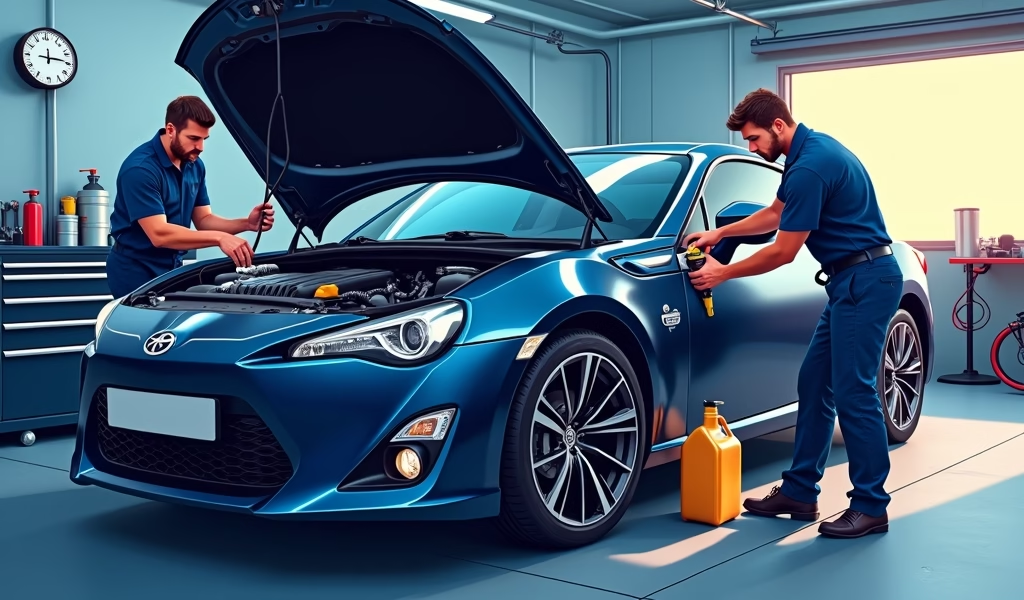
In my 20 years as a mechanic, I’ve seen engines destroyed by one simple oversight: neglecting oil changes. Think of engine oil as your car’s bloodstream—it lubricates, cools, and cleans the heart of your vehicle.
Fresh oil creates a protective barrier between moving metal parts that would otherwise grind together at thousands of rotations per minute. As oil ages, it breaks down and becomes contaminated with dirt, metal particles, and combustion byproducts, gradually losing its protective properties.
Most newer vehicles can go 5,000-7,500 miles between conventional oil changes, while synthetic oil often extends that range to 10,000 miles. However, if you regularly drive in severe conditions (extreme temperatures, dusty environments, or heavy stop-and-go traffic), you’ll need more frequent changes.
Here’s how to tell it’s time for fresh oil:
- Oil appears dark brown or black instead of amber
- Engine sounds louder or knocks
- Dashboard oil light illuminates
- You’ve reached the mileage interval in your owner’s manual
The cost difference between regular oil changes and an engine tune-up or replacement is staggering. A $50 oil change every few months is microscopic compared to a $5,000+ engine replacement. According to AAA’s automotive experts, regular oil changes are the single most important factor in extending engine life.
Tire Maintenance: Where the Rubber Meets the Road
Your tires are your only connection to the road, making their maintenance crucial for safety, performance, and fuel economy. As a mechanic, I can’t count how many accidents I’ve seen that proper tire care could have prevented.
Brake System Care: Safety First
Your vehicle’s braking system isn’t something to gamble with. As mechanics, we consider brake maintenance a non-negotiable safety priority—not an optional service.
Brake pads wear down gradually with use. Depending on your driving habits and vehicle type, they typically need replacement every 30,000-70,000 miles. City drivers making frequent stops will need replacements sooner than highway commuters.
Listen for these warning signs that your brakes need attention:
- Squealing or grinding noises when braking
- Vibration or pulsation in the brake pedal
- Vehicle pulling to one side during braking
- Increased stopping distance
- Brake pedal feeling “spongy” or going closer to the floor
A complete brake system inspection should examine pads, rotors, calipers, brake lines, and fluid condition. Modern vehicles also have sensors and electronic components that require professional diagnosis when issues arise.
Don’t overlook brake fluid—it absorbs moisture over time, lowering its boiling point and compromising braking performance. Most manufacturers recommend replacing brake fluid every 2-3 years regardless of mileage. The National Highway Traffic Safety Administration considers proper brake maintenance essential for vehicle safety.
Cooling System Maintenance: Preventing Overheating
Your engine operates at temperatures exceeding 200°F, making the cooling system vital for preventing catastrophic overheating. I’ve seen too many blown head gaskets and warped cylinder heads from neglected cooling systems.
The cooling system circulates coolant (antifreeze) through your engine to absorb heat and release it through the radiator. Over time, coolant degrades and becomes acidic, losing its protective properties and potentially causing internal corrosion.
A comprehensive cooling system maintenance plan includes:
- Coolant flush and replacement every 30,000-50,000 miles or 2-5 years (check your manual)
- Inspection of hoses for cracks, bulges, or hardening
- Checking the radiator for leaks or damage
- Testing the radiator cap’s pressure rating
- Ensuring the thermostat operates properly
- Examining the water pump for leaks or noise
Modern coolant formulations last longer than older types, but they still require periodic replacement. Your vehicle may use a specific coolant type—using the wrong formula can cause significant problems and void warranties.
Watch for warning signs of cooling system problems:
- Temperature gauge reading higher than normal
- Sweet smell from the engine bay (coolant leak)
- White steam from under the hood
- Coolant puddles under your parked vehicle
- Heater not producing enough warmth
Transmission Service: Smooth Operations
Your transmission is among the most complex and expensive components in your vehicle. Proper maintenance can help it last the lifetime of your car, while neglect often leads to premature failure and repair bills in the thousands.
Fuel System Cleaning: Optimizing Performance
Today’s precision fuel systems deliver gasoline to your engine with remarkable accuracy, but they’re vulnerable to deposits and contamination. Keeping these systems clean maintains performance, efficiency, and emissions standards.
Over time, carbon deposits accumulate on fuel injectors, intake valves, and combustion chambers. These deposits restrict fuel flow and air circulation, resulting in reduced power, lower fuel economy, and increased emissions.
Signs your fuel system needs cleaning include:
- Rough idle or hesitation during acceleration
- Decreased fuel economy
- Failed emissions test
- Engine misfires or rough running
- Hard starting, especially when the engine is hot
Professional fuel system cleaning typically includes:
- Fuel injector cleaning to remove deposits and restore spray patterns
- Intake valve and port cleaning to improve airflow
- Combustion chamber cleaning to prevent detonation and improve efficiency
- Fuel filter replacement to ensure clean fuel delivery
I recommend a complete fuel system cleaning every 30,000 miles for most vehicles. This service often delivers noticeable improvements in performance and efficiency—many customers report their car “feels like new again” after treatment.
Using quality fuel from reputable stations and adding a fuel system cleaner occasionally between services can help maintain system cleanliness. The Environmental Protection Agency notes that proper fuel system maintenance contributes to lower emissions and better air quality.
Battery and Electrical System Care: Power Matters
Modern vehicles rely heavily on electrical systems—not just for starting but for everything from engine management to safety features. A healthy battery and electrical system are essential for reliable operation.
The average car battery lasts 3-5 years, though extreme temperatures can significantly shorten this lifespan. Instead of waiting for failure, I recommend proactive battery testing after the 3-year mark, especially before season changes.
Signs your electrical system needs attention:
- Slow engine cranking when starting
- Dimming headlights, particularly at idle
- Dashboard warning lights (battery or check engine)
- Electrical accessories functioning intermittently
- Visible corrosion on battery terminals
Proper electrical system maintenance includes:
- Battery load testing to verify capacity
- Cleaning terminals and connections
- Checking alternator output and regulation
- Inspecting cables for damage or corrosion
- Testing starter draw and function
Battery terminal corrosion is a common issue that restricts electrical flow. This simple problem can mimic major electrical failures but is often resolved with a basic cleaning. For affordable car care, this is one area where preventive maintenance truly shines.
Conclusion: Your Vehicle’s Wellness Plan
These seven essential maintenance areas form the backbone of responsible vehicle ownership. While they require investment, they’re far less costly than the repairs that result from neglect.
As a mechanic who’s seen thousands of vehicles, I can confidently say that cars receiving these core maintenance services regularly typically last 50-100% longer than neglected vehicles. The math is simple—spending $800-1,200 annually on preventive maintenance can save you thousands in emergency repairs and extend your vehicle’s useful life by years.
Create a personalized maintenance schedule based on your vehicle’s manual and your specific driving conditions. Many modern vehicles have maintenance reminder systems, but a simple calendar note or smartphone reminder works just as well.
Finding a trustworthy mechanic is crucial for implementing these recommendations effectively. Look for ASE-certified professionals who explain issues clearly and focus on preventive care rather than just emergency repairs.
Remember that each vehicle is unique—manufacturer recommendations should always take precedence over general guidelines. The investment you make in these seven essential treatments will pay dividends in reliability, safety, and long-term value.
Your car takes care of you daily—returning the favor through proper maintenance ensures you’ll enjoy many more miles together.
Frequently Asked Questions
How often should I get my oil changed?
Most vehicles need oil changes every 5,000-7,500 miles with conventional oil or 10,000-15,000 miles with synthetic oil. Check your owner’s manual for the manufacturer’s specific recommendation.
Can I skip regular maintenance if I don’t drive much?
No, time-based maintenance is still necessary even with low mileage. Fluids degrade over time, and components can deteriorate from sitting.
Which maintenance item provides the best value?
Regular oil changes offer the best return on investment, potentially extending engine life by years at minimal cost. This simple service prevents the most expensive repair: engine replacement.
How do I know if a mechanic’s recommendation is legitimate?
Ask for visual evidence of the issue and an explanation of the consequences if not addressed. Reputable shops will educate rather than pressure you.
Is dealer maintenance worth the higher cost?
Dealer maintenance can be worthwhile for specialized or warranty-covered vehicles, but independent ASE-certified mechanics often provide equivalent service at lower prices. The most important factor is technician expertise, not facility branding.