

Overview
When your Mazda MX-5’s soft top starts dripping on your parade, the culprits are typically clogged drainage channels, deteriorated seals, or worn material at common leak points like side windows and the rear window section. Through proper diagnosis methods, regular preventative maintenance, and timely DIY repairs, most leaks can be fixed without expensive professional intervention—though knowing when to call in the experts can save you from more costly water damage in the long run.
Table of Contents
- The Dreaded Drip: Understanding Mazda MX-5 Soft Top Leaks
- Common Leak Points in Your MX-5’s Convertible Top
- Diagnosing Leaks: Finding the Source Before Repairs
- DIY Solutions That Actually Work
- Preventative Maintenance: Stop Leaks Before They Start
- When to Seek Professional Repairs (And What They’ll Cost)
- Extending Your Soft Top’s Life: Expert Tips
- Conclusion
- Frequently Asked Questions
The Dreaded Drip: Understanding Mazda MX-5 Soft Top Leaks
There’s nothing quite like the disappointment of sliding into your Mazda MX-5 after a rainstorm, only to be greeted by a soggy seat. As someone who’s spent decades working on these brilliant little roadsters, I can tell you that soft top leaks are among the most common complaints I hear from MX-5 owners.
Water infiltration isn’t just uncomfortable—it’s potentially expensive. Moisture damages electronics, promotes rust in hidden areas, and creates perfect breeding grounds for mold. What starts as a minor annoyance can quickly escalate into a major repair bill if left unaddressed.
The good news? Most Mazda MX-5 soft top leaks are relatively straightforward to diagnose and fix without breaking the bank. Throughout my career, I’ve seen countless Miata owners solve these problems with simple tools and techniques.
Each MX-5 generation (NA, NB, NC, and ND) has slightly different convertible top designs, but they all share similar potential failure points. Understanding these vulnerabilities is your first step toward a dry, comfortable cabin—regardless of what Mother Nature throws your way.
Common Leak Points in Your MX-5’s Convertible Top

After inspecting hundreds of leaking MX-5s over the years, I’ve found certain areas fail more frequently than others. Here are the usual suspects to check first:
Side Window Seals
The interface where your soft top meets the side windows is the most common culprit. These rubber seals harden and shrink over time, creating tiny gaps where water sneaks through during heavy rain or car washes. You’ll typically notice dampness on the seats near the doors if this is your problem area.
Rear Window Section
The seam where your rear window connects to the fabric top often develops weak points. Earlier models with plastic rear windows are particularly vulnerable as the window material becomes brittle with age. Water entering here typically pools behind the seats or soaks the rear shelf area.
In first and second-generation models, the rear window bonds can separate completely after 7-10 years of sun exposure. The regular maintenance schedule should include inspecting these seams for early signs of separation.
Top Frame Pivot Points
Where your top’s frame components meet, the fabric can develop wear spots. This is especially common in older NA and NB models, where years of folding and unfolding create stress points in the material. These tiny perforations are easy to miss but can allow surprising amounts of water through.
Drainage Channels
Your MX-5 has built-in drainage channels designed to direct water away from the interior. When these become clogged with debris, water backs up and finds alternate paths inside your cabin. The drain holes behind the seats and at the front edge of the top are particularly prone to blockage.
According to Mazda’s engineering documents, these drainage systems are designed to handle moderate rainfall, but require periodic maintenance to function properly.
Front Header Seal
The rubber seal where your top meets the windshield frame (called the header) can compress and harden over time. When this seal fails, water typically enters at the top of your windshield and drips onto your dashboard or center console.
Diagnosing Leaks: Finding the Source Before Repairs
Before reaching for your wallet or tools, you need to pinpoint exactly where water is entering. Here’s my time-tested method for diagnosing MX-5 soft top leaks:
The Two-Person Water Test
This requires a friend, a garden hose with a gentle spray nozzle, and a sunny day:
- Park your MX-5 on a level surface
- Have your helper sit inside with the doors closed
- Starting at the lowest point (usually side windows), gently spray water while your helper watches for intrusion
- Methodically work your way up and around the top, spending at least 30 seconds on each area
- When your helper spots water entering, mark that location with masking tape
Resist the urge to blast your Miata with high-pressure water—this can force water through seals that might normally keep light rain out.
The Strategic Towel Method
If you don’t have a helper available, try this approach:
- Place white towels on your seats, dashboard, rear shelf, and footwells
- Close all windows and the top securely
- Spray specific sections of your top with water (or wait for rainfall)
- Check which towels show dampness to narrow down entry points
Flashlight Inspection
On a sunny day, close yourself inside your MX-5 and use a powerful flashlight to inspect the top from inside. Look for any pinpricks of light coming through the material or seams, which indicate potential leak points.
This technique is particularly effective for finding small perforations in older tops. Even tiny pinholes can allow surprising amounts of water through during sustained rainfall.
DIY Solutions That Actually Work
Once you’ve identified the leak source, it’s time to address it. These repairs have proven effective across thousands of MX-5s I’ve seen over the years:
Clearing Drainage Channels
Clogged drains cause roughly 30% of all MX-5 leaks I encounter. Clearing them is straightforward:
- Locate the drain holes behind the seats (typically near the rear deck)
- Use compressed air or a pipe cleaner to gently clear any debris
- Flush with clean water to ensure proper flow
- For persistent clogs, try a flexible wire to carefully dislodge blockages
For third and fourth-generation models, also check the front edge drainage points where the top meets the windshield frame. These smaller channels often collect debris and are frequently overlooked.
Rejuvenating Window Seals
For hardened or slightly shrunken seals:
- Clean the seals thoroughly with mild soap and water
- Apply a quality rubber seal conditioner (not Armor All, which can damage seals)
- Use products containing UV protectants to prevent future hardening
- Apply conditioner quarterly to maintain seal flexibility
Products like 303 Rubber Seal Protectant work wonders for restoring slightly deteriorated seals. Many MX-5 owners report gaining another year or two of service from aging seals with regular conditioning.
Waterproofing Fabric
For tops showing signs of material porosity:
- Thoroughly clean the top with a convertible-specific cleaner
- Allow to dry completely (preferably 24 hours)
- Apply a quality convertible top waterproofing product
- Apply 2-3 light coats rather than one heavy application
A high-quality detailing regimen that includes regular fabric waterproofing can extend your top’s water resistance by several years. I’ve seen impressive results with Raggtopp and 303 Fabric Guard products specifically.
Minor Tear Repairs
Small tears or pinholes can be addressed with specialized repair kits:
- Clean and dry the damaged area thoroughly
- Apply the adhesive precisely to the tear edges
- Press the patch firmly and allow full curing time (usually 24+ hours)
- Apply waterproofing spray after repairs are complete
Remember that these repairs work best for tears smaller than a quarter. Larger damage typically requires professional attention for lasting results.
Preventative Maintenance: Stop Leaks Before They Start
An ounce of prevention is worth a gallon of water on your seats. These maintenance practices will significantly extend your MX-5’s top lifespan:
Quarterly Top Care
Mark your calendar for these seasonal tasks:
- Clean the top thoroughly with dedicated convertible cleaner
- Apply UV protectant to prevent premature aging
- Condition all rubber seals with a quality protectant
- Check and clear drainage channels
This simple routine takes about an hour but can double your top’s effective lifespan. Consider it as essential as an oil change for your convertible’s health.
Proper Operation Techniques
How you operate your top matters tremendously:
- Always use the grab handle, never pull on the fabric or rear window
- Ensure side windows are lowered slightly before closing the top
- Close the top completely before securing the latches
- Avoid operating the top in temperatures below 40°F (4°C) when possible
These habits prevent frame distortion that creates gaps in your sealing surfaces. The easy cleaning tips that work for the rest of your car won’t necessarily work for your convertible top.
Storage Considerations
How you store your MX-5 dramatically impacts top longevity:
- If storing longer than two weeks, leave the top up rather than folded
- Use a breathable car cover for outdoor storage
- For garage storage, consider a dehumidifier in damp climates
- Never store a wet or damp top in the closed position
When to Seek Professional Repairs (And What They’ll Cost)
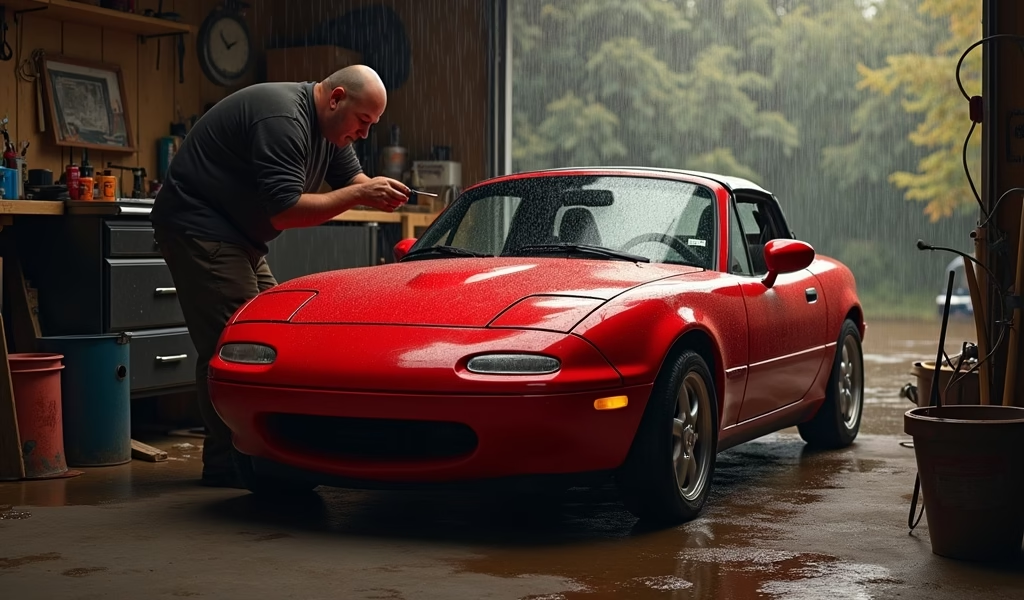
Sometimes, DIY solutions just won’t cut it. Here are situations where professional help makes sense:
When to Call the Pros
- Frame misalignment (top doesn’t close evenly or creates visible gaps)
- Tears larger than 2 inches in the material
- Complete seal failure around windows or header
- Multiple leak points suggesting systemic deterioration
- Water damage to electrical components
Cost Expectations
Based on current market rates, here’s what you might pay for professional repairs:
- Basic seal replacement: $200-350
- Drainage system repair/rerouting: $150-250
- Frame adjustment: $200-300
- Partial top replacement (rear window section): $500-700
- Complete top replacement: $800-1,500 depending on generation and material quality
These prices reflect specialized convertible top shops. Dealership prices typically run 20-30% higher but often come with longer warranties.
According to Consumer Reports, setting aside $150 annually for convertible top maintenance can prevent the need for major repairs that often exceed $1,000.
Finding Quality Repair Shops
Not all shops are created equal when it comes to convertible tops. Look for specialists who:
- Focus primarily on convertible repairs
- Have specific experience with Mazda MX-5 models
- Offer warranties on their work (minimum 1 year)
- Have positive reviews specifically mentioning top repairs
Ask to see examples of their previous MX-5 work—quality shops are proud to showcase their craftsmanship.
Extending Your Soft Top’s Life: Expert Tips
After working on countless MX-5s, I’ve observed that tops with the longest lifespans share some common care patterns:
The Impact of Environment
Your climate dramatically affects top longevity:
- Hot, sunny environments accelerate UV damage and seal deterioration
- Cold climates cause seals to harden and lose flexibility faster
- Coastal areas expose tops to corrosive salt air
Adjust your maintenance schedule based on your climate. Desert dwellers should increase UV protectant applications, while those in humid environments should focus on preventing mildew growth.
Cleaning Products Matter
What you clean your top with can be as important as how often you clean it:
- Avoid household cleaners, especially those containing bleach or ammonia
- Never use petroleum-based products on rubber seals
- Choose pH-neutral cleaners specifically formulated for convertible tops
- Test new products on inconspicuous areas first
The Truth About Automatic Car Washes
Many MX-5 owners don’t realize that automatic car washes can damage convertible tops:
- Brush-type washes can abrade the top material
- High-pressure water can force its way past marginally functional seals
- Harsh chemicals can strip protective coatings
Hand washing remains the safest option for convertibles. If you must use an automatic wash, choose touchless options and avoid the “high-pressure” or “deluxe” settings.
Conclusion
A leaking soft top doesn’t have to spell disaster for your Mazda MX-5 ownership experience. With proper diagnosis, most water intrusion issues can be resolved without breaking the bank. Regular maintenance and early intervention remain your best defense against expensive repairs.
Remember that your convertible top is essentially weatherproofing equipment that requires regular attention—much like your tires or brakes. Building top care into your routine maintenance schedule will pay dividends in comfort, interior preservation, and long-term value retention.
Whether you choose the DIY route or seek professional assistance, addressing leaks promptly prevents the cascading damage that water can cause to your beloved roadster. Your MX-5 was designed to deliver joy in all weather conditions—and with proper top care, it will continue to do exactly that for many years to come.
Frequently Asked Questions
How long should a Mazda MX-5 soft top last before leaking?
With proper care, expect 7-10 years of leak-free service from an original top. Climate, storage conditions, and maintenance habits can significantly extend or reduce this timeframe.
Can I use household silicone sealant to fix small leaks?
Avoid household silicone sealants as they can damage the top material and create removal problems for proper repairs later. Use only products specifically designed for convertible tops.
Will my insurance cover convertible top leaks?
Most insurance policies won’t cover age-related deterioration but may cover damage from falling objects or vandalism. Check your specific policy details for convertible-specific coverage.
Is it normal for my MX-5 top to leak slightly during heavy downpours?
Minor seepage during torrential rain isn’t uncommon in older tops, but visible dripping indicates a true leak requiring attention. Even “normal” seepage should be monitored as it often progresses to larger problems.
Can I replace just the rear window without replacing the entire top?
On some models, particularly NA and NB generations, the rear window can be replaced independently. Newer models with integrated glass windows typically require complete top replacement or specialized repair.