

Overview
Just like teenagers with credit cards, Lincoln Continental air suspension systems can empty your wallet when they fail, typically around the 70,000-100,000 mile mark. Understanding the system’s components, recognizing early warning signs like uneven ride height or overnight sagging, and taking proactive maintenance steps can save thousands in repairs while preserving that signature cloud-like Lincoln ride quality.
Table of Contents
- Understanding Lincoln Continental Air Suspension
- How Air Suspension Works
- Common Air Suspension Problems
- Warning Signs of Failing Air Suspension
- Diagnosing Air Suspension Issues
- Repair Options and Costs
- Maintenance Tips to Extend Suspension Life
- Conversion to Conventional Suspension
- Conclusion
- Frequently Asked Questions
Understanding Lincoln Continental Air Suspension
The Lincoln Continental’s air suspension system is one of its most defining luxury features, providing that cloud-like ride quality owners have come to love. I’ve been working on these systems for over 15 years, and I can tell you they’re engineering marvels when working properly. But when they fail? They can empty your wallet faster than a teenager with your credit card at the mall.
Air suspension systems replace traditional metal springs with adjustable air springs (sometimes called air bags) that can be inflated or deflated to maintain optimal ride height. This technology allows your Continental to deliver that signature floating sensation while maintaining excellent handling characteristics – something conventional springs simply can’t match.
While these systems offer exceptional comfort, they’re also complex and prone to issues as they age. The average Lincoln Continental air suspension typically begins developing problems around the 70,000-100,000 mile mark, though with proper maintenance, many owners see 120,000+ miles without major issues.
Understanding what you’re dealing with is the first step toward avoiding costly breakdowns. Let’s dive into the details of how this system works, what commonly fails, and most importantly – how you can save thousands through smart maintenance decisions.
How Air Suspension Works
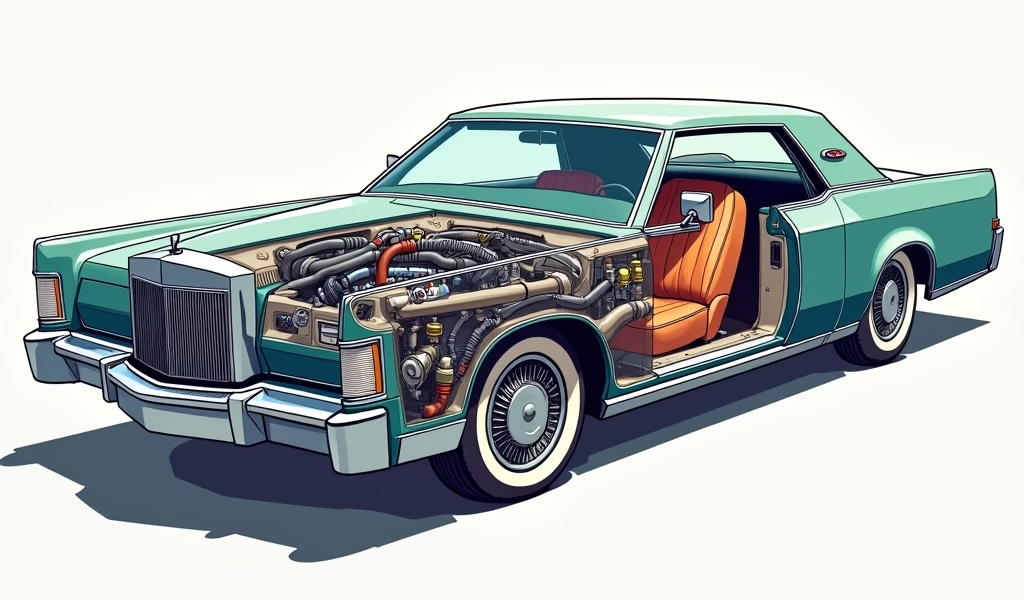
Your Lincoln Continental’s air suspension system is essentially a network of components working together to replace traditional metal springs. At each wheel, you’ll find an air spring – a heavy-duty rubber and polyurethane chamber that inflates and deflates to adjust ride height and comfort.
The system’s heart is an electric air compressor, typically mounted in the trunk or rear of the vehicle. This compressor pressurizes air and sends it through a series of lines and valves to each air spring. The entire operation is controlled by a dedicated suspension control module that constantly monitors vehicle height through sensors mounted at each wheel.
Here’s a breakdown of the main components:
- Air springs/bags (one at each wheel)
- Air compressor (typically in the trunk)
- Height sensors (one per wheel)
- Air lines and connectors
- Control module
- Solenoid valves
- Dryer/filter assembly
When you start your Continental, the system performs a quick check of ride height. If it’s lower than specifications, the compressor activates, pressurizing the system until proper height is reached. As you drive, the control module continuously adjusts pressure based on road conditions, vehicle speed, and passenger load.
What makes this system particularly impressive is how it adapts to different situations. Load the trunk with luggage? The rear sensors detect the lower ride height and add air to compensate. Hit a particularly bumpy road? The system can instantly adjust firmness to maintain comfort. It’s quite remarkable when working properly.
Common Air Suspension Problems
After diagnosing hundreds of Lincoln Continental air suspension failures, I’ve found several recurring issues that plague these systems. Understanding these common failure points can help you catch problems early – potentially saving thousands in repair costs.
Air spring leaks are by far the most frequent culprit. These rubber components naturally degrade over time due to road conditions, temperature fluctuations, and ozone exposure. Small cracks develop, allowing air to slowly escape. According to industry data, approximately 60% of air suspension failures begin with leaking air springs.
Compressor failure is typically the next domino to fall. When air springs leak, the compressor must work harder and run more frequently to maintain pressure. This leads to overheating and premature wear. The average compressor lifespan is around 80,000 miles, but with leaking springs, this can drop to just 30,000-40,000 miles.
Air line issues are another common problem. These rubber or plastic tubes can crack, become brittle with age, or simply disconnect at their fittings. Even a tiny air line leak can cause the system to lose pressure overnight, leading to that characteristic “sagging when parked” symptom many owners report.
Height sensors also frequently fail, particularly in areas with harsh winters or heavy road salt use. When these sensors malfunction, they send incorrect information to the control module, which then makes improper adjustments to ride height – often overinflating one corner while underinflating another.
Moisture contamination is the silent system killer. Water entering the system can freeze in winter (causing burst lines) or corrode internal compressor components year-round. Just a small amount of moisture can significantly reduce system lifespan.
Warning Signs of Failing Air Suspension
Catching air suspension problems early can literally save you thousands of dollars. I’ve seen countless Continental owners ignore subtle warning signs until they’re faced with complete system failure and a $3,000+ repair bill. Don’t be that person. Here are the key warning signs you should never ignore:
The most obvious symptom is uneven ride height. If your Continental appears to be leaning to one side or sitting lower in one corner, that’s a clear indication of an air spring leak or sensor issue. Even small differences of 1-2 inches are significant and warrant immediate attention.
Listen to your compressor. A healthy system runs the compressor briefly and occasionally. If you notice it running for extended periods (more than 60 seconds) or cycling on and off repeatedly, something’s wrong – likely a leak that’s forcing the compressor to work overtime.
The “overnight sag” is another telltale sign. If your Continental sits normally when parked but is noticeably lower the next morning, you’re experiencing a slow leak. The system loses pressure overnight when the engine’s off and the compressor isn’t running to compensate.
Dashboard warning lights shouldn’t be ignored. Messages like “Check Air Suspension” or “Service Suspension System” indicate the control module has detected a problem. Modern Continentals have sophisticated diagnostic capabilities, so take these warnings seriously.
A harsh or bumpy ride that suddenly develops is your suspension’s cry for help. That cloud-like comfort is the main benefit of air suspension – when it disappears, something’s definitely wrong.
Unusual noises are also important indicators. Hissing sounds suggest air leaks, while grinding or squealing from the compressor area indicates mechanical failure. If you hear knocking during driving, your vehicle may be bottoming out on the emergency rubber bump stops – a dangerous condition that requires immediate attention.
Diagnosing Air Suspension Issues
While professional diagnosis is always recommended for complex air suspension problems, there are several checks you can perform yourself to better understand what’s happening with your Continental’s system.
Start with a visual inspection. Park on level ground and check whether all four corners of your vehicle appear to be at the same height. Use a measuring tape to measure from the ground to a consistent point on each fender. Differences of more than half an inch suggest a problem with that corner’s air spring or sensor.
Listen for air leaks by starting your Continental and carefully listening around each wheel well. A hissing sound indicates escaping air. You can also spray a mild soap and water solution on suspected leak areas – bubbles will form where air is escaping.
Monitor compressor behavior by sitting in your parked vehicle with the engine running. A healthy compressor should run briefly when first starting the car, then remain off unless you change vehicle load. If it cycles on repeatedly during a 5-minute period, you likely have a leak somewhere in the system.
Check for error codes if you have access to an OBD-II scanner with enhanced capabilities. Lincoln air suspension systems store specific fault codes that can pinpoint problems to individual components, saving significant diagnostic time.
Consider the age of components when diagnosing issues. Air springs typically last 6-10 years in moderate climates, while compressors average 7-8 years of reliable service. If your Continental has original air suspension components and is approaching these milestones, proactive replacement might make financial sense compared to waiting for a cascade of failures.
Repair Options and Costs

When facing air suspension repairs, Continental owners have several options, each with different price points and longevity considerations. I always present these choices to my customers so they can make informed decisions based on their budget and how long they plan to keep the vehicle.
Individual component replacement is the most common approach. Replacing just the failing parts (like a single leaking air spring) costs less upfront but often leads to additional failures as remaining aged components struggle to keep up. Expect to pay $350-$500 per air spring for quality aftermarket parts with installation, or $650-$900 for OEM Lincoln parts installed.
Compressor replacement typically runs $700-$1,200 installed, depending on whether you choose OEM or quality aftermarket parts. Many shops offer rebuilt compressors that provide excellent reliability at 60-70% of the cost of new units.
Complete system overhaul is the most expensive option upfront but often the most economical long-term solution. This includes replacing all four air springs, the compressor, dryer assembly, and sometimes the height sensors. Expect to pay $2,500-$4,000 for a complete system refresh using quality aftermarket components, or $3,500-$5,500 for all OEM parts.
When selecting parts, quality matters tremendously. Premium aftermarket brands like Arnott and Strutmasters offer reliability close to OEM at significantly lower prices. Budget parts might save money initially but typically fail within 1-2 years – hardly a bargain when labor costs for replacement remain the same.
If you’re planning to keep your Continental for several more years, investing in complete system renewal with quality components makes financial sense. Our team of certified automotive experts can help evaluate your specific situation and recommend the most cost-effective approach for your needs. The peace of mind knowing your suspension is completely refreshed is worth considering.
Maintenance Tips to Extend Suspension Life
Proactive maintenance can dramatically extend your Lincoln Continental’s air suspension lifespan and help you avoid those middle-of-the-night sagging disasters. Here are my top recommendations after working on hundreds of these systems:
Regular inspections are your first defense. Every 10,000 miles, have the air suspension visually checked for signs of wear, aging rubber components, or small leaks. Catching problems early often means replacing just one component instead of the entire system. This simple step alone can save you thousands over your ownership period.
Keep the compressor healthy by ensuring its air intake filter stays clean. This small maintenance item is often overlooked but vitally important. A clogged filter forces the compressor to work harder, generating excessive heat that shortens its life. Most Lincoln models have this filter located near the compressor in the trunk area.
Protect your system from moisture by parking in a garage whenever possible. Excessive humidity and extreme temperature cycles accelerate rubber component degradation. If garage parking isn’t available, consider a quality car cover during extended periods of non-use.
Address minor issues immediately. That small air leak won’t fix itself, and the longer you drive with it, the harder your compressor works trying to maintain pressure. What starts as a $400 air spring replacement can quickly become a $1,200 compressor replacement plus the air spring if ignored.
Consider preventative replacement of critical components even if they haven’t failed. If three of your four air springs have already been replaced due to leaks, the fourth is likely not far behind. Replacing it proactively during an already scheduled repair saves on labor costs and prevents future breakdowns.
Avoid overloading your vehicle, which puts excess strain on the air suspension components. While the system is designed to handle varying loads, consistently maxing out your Continental’s weight capacity forces the system to operate at its limits, accelerating wear.
Conversion to Conventional Suspension
Some Lincoln Continental owners facing expensive air suspension repairs consider converting to conventional coil springs. This option eliminates the ongoing maintenance concerns of air components but comes with important tradeoffs you should understand.
Conversion kits typically cost $700-$1,100 for the parts alone, with professional installation adding another $500-$800 in labor. These kits replace the air springs with standard coil springs and often include new shock absorbers designed to work with the coils.
The primary advantage is elimination of future air suspension failures. Once converted, you’ll never again face compressor failures, air leaks, or electronic control issues. For older Continentals where replacement parts are becoming scarce, conversion can be particularly attractive.
However, there are significant downsides. The signature Lincoln ride quality will be noticeably different – typically firmer and less compliant over bumps. The self-leveling capability will be lost, meaning heavy loads will cause the rear to sag. And perhaps most importantly for some owners, the conversion may negatively impact resale value, as many buyers specifically seek the air suspension feature.
For those considering this route, quality matters tremendously. Premium conversion kits are engineered to closely match the original ride characteristics and maintain proper geometry. Budget kits often result in poor handling, uneven tire wear, and a harsh ride that betrays the luxury character of your Continental.
This decision ultimately depends on how long you plan to keep the vehicle and your personal priorities. If you intend to keep your Continental for many years and value reliability over the original ride quality, conversion might make sense. If maintaining the authentic Lincoln experience and resale value are priorities, rebuilding the air system with quality components is usually the better choice.
Conclusion
Your Lincoln Continental’s air suspension is a remarkable system that delivers that signature floating-on-air ride quality you love. While maintenance challenges exist, understanding the system, recognizing warning signs early, and taking proactive action can save you thousands in repairs while preserving your luxury driving experience.
Regular inspections, addressing small issues promptly, and making informed repair decisions when problems arise are the keys to air suspension longevity. Whether you choose OEM parts, quality aftermarket components, or even conversion to conventional springs, approaching these decisions with knowledge puts you in control of both the outcome and cost.
Remember that the most expensive repair is almost always the one you put off too long. That small leak or occasional compressor noise rarely resolves itself – it typically cascades into multiple component failures when ignored. A stitch in time really does save nine when it comes to air suspension.
If you’re facing air suspension decisions and would like personalized guidance, there are trusted options available. Many Lincoln specialists and suspension experts can evaluate your specific situation and recommend the most cost-effective approach based on your vehicle’s condition and your ownership plans. Your Continental deserves to float down the road as designed, and with proper care, it can continue doing so for many years to come.
Frequently Asked Questions
How long does Lincoln Continental air suspension typically last?
The average Lincoln Continental air suspension system typically lasts 6-10 years or 70,000-100,000 miles before needing significant repairs. Climate conditions, driving habits, and maintenance practices can significantly affect this lifespan.
What causes Lincoln Continental air suspension to fail?
The most common causes are deteriorating rubber components in the air springs, compressor overwork, moisture contamination, and electrical issues with sensors or the control module. Age and normal wear are inevitable factors regardless of maintenance.
How much does it cost to fix Lincoln Continental air suspension?
Individual component repairs range from $350-$900 per corner, while complete system replacement costs between $2,500-$5,500 depending on parts quality and labor rates. Aftermarket parts can save 30-50% compared to OEM components.
Can I drive with failed air suspension?
While technically possible for very short distances at low speeds, driving with failed air suspension is unsafe and can cause additional damage to other components. The vehicle will ride on emergency rubber bumpers with compromised handling and braking performance.
Is converting to conventional springs worth it?
Conversion costs $1,200-$1,900 installed and eliminates future air suspension concerns, but sacrifices the luxury ride quality and can reduce resale value. It’s generally more worthwhile for older models where original parts are becoming scarce.