
Overview
Like diving into a swimming pool without checking if there’s actually water in it, leasing a used car without proper inspection can leave you high, dry, and broke on the side of Interstate 75. This article presents seven essential tips to avoid costly breakdowns when leasing used vehicles, including getting independent inspections, reviewing service history, understanding warranty coverage, considering vehicle age and mileage, checking for recalls, evaluating lease terms, and creating a maintenance budget.
Table of Contents
- Introduction to Leasing Used Cars
- My Experience with a Leased Used Car Gone Wrong
- Tip 1: Get a Comprehensive Pre-Lease Inspection
- Tip 2: Review the Vehicle’s Service History
- Tip 3: Understand the Warranty Coverage
- Tip 4: Consider the Vehicle’s Age and Mileage
- Tip 5: Check for Recalled Parts
- Tip 6: Evaluate the Lease Terms Carefully
- Tip 7: Create a Maintenance Budget
- Conclusion
- Frequently Asked Questions
Introduction to Leasing Used Cars
Looking to lease a used car but worried about potential breakdowns and unexpected repair costs? You’re not alone. While leasing a pre-owned vehicle can be more affordable than leasing new, it comes with its own set of challenges that could turn your budget-friendly decision into a financial nightmare if you’re not careful.
At Know Your Car, we’ve seen countless customers walk through our doors after signing lease agreements without understanding the mechanical implications. Our team of seasoned mechanics, each with over 15 years of experience in the automotive industry, has put together these 7 essential tips to help you avoid costly breakdowns when you lease a used car.
Whether you’re considering leasing versus buying a car or you’ve already decided that leasing a used vehicle is right for you, these insights will help protect your wallet and give you peace of mind on the road.
My Experience with a Leased Used Car Gone Wrong
Before I joined the Know Your Car team, I leased what looked like a pristine three-year-old SUV. The paint gleamed, the interior smelled almost new, and the price was right. I was so excited that I skipped several crucial steps I now know are essential.
Two months in, the transmission started slipping. By month four, I was stranded on the side of Interstate 75 during a rainstorm. The repair bill? A staggering $3,200—and my lease agreement put the responsibility squarely on my shoulders.
That expensive lesson taught me the importance of thorough vetting before signing a used car lease. It’s also why I’m passionate about helping others avoid similar situations. Had I known then what I know now as a professional mechanic, I would have saved myself thousands of dollars and countless headaches.
Tip 1: Get a Comprehensive Pre-Lease Inspection
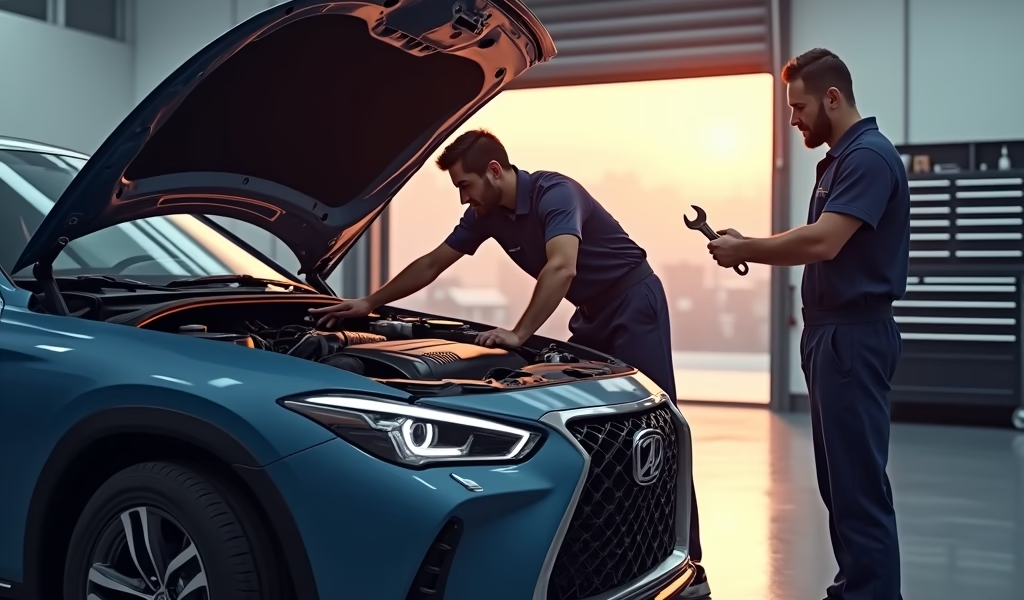
Never—and I mean never—lease a used car without having it thoroughly inspected by an independent mechanic. This is the golden rule of used car leasing that too many people overlook.
A proper inspection should include:
- Engine performance and compression testing
- Transmission operation and fluid condition
- Brake system evaluation (pads, rotors, lines, and fluid)
- Suspension and steering components
- Electrical system check (including all accessories)
- Undercarriage inspection for rust, damage, or leaks
- Tire condition and alignment
At our shop, we’ve caught potentially costly issues on seemingly perfect vehicles—from hidden flood damage to impending transmission failures. These problems might not be obvious during a test drive but could manifest months later, leaving you with hefty repair bills.
Even if the dealership claims they’ve done their own inspection, always get a second opinion. According to Consumer Reports, an independent inspection typically costs $100-$200—a small price compared to potential repair costs down the road.
Tip 2: Review the Vehicle’s Service History
A vehicle’s service history tells a story that cosmetic appearances can’t. Before leasing a used car, request and thoroughly review its complete service records. This paper trail reveals how well the previous owner(s) maintained the vehicle.
What you should look for:
- Regular oil changes at manufacturer-recommended intervals
- Timely completion of scheduled maintenance
- Repairs that were addressed promptly rather than deferred
- Consistent service at reputable shops rather than spotty DIY maintenance
Red flags include long gaps between services, repeated repairs for the same issue, or missing major maintenance milestones. For instance, if a timing belt replacement was due at 100,000 miles but there’s no record of it being done, you might be facing an expensive repair soon after signing your lease.
I recently helped a client evaluate a used car lease on a seemingly well-priced luxury sedan. When we dug into the service history, we discovered it had missed three consecutive transmission fluid changes. That vehicle was a ticking time bomb that would have cost thousands to repair just months into the lease term.
If the dealership can’t provide complete records, consider using the vehicle’s VIN to obtain a CARFAX or AutoCheck report, which can fill in some of the gaps.
Tip 3: Understand the Warranty Coverage
When you lease a used car, warranty coverage becomes your financial safety net. Unlike new car leases that typically include the manufacturer’s full warranty, used car lease warranty situations vary dramatically.
Before signing anything, get crystal clear answers to these questions:
- Does any of the original manufacturer’s warranty remain?
- Is there a certified pre-owned (CPO) warranty included?
- What exactly does the warranty cover? (Powertrain only, or comprehensive?)
- What’s the duration and mileage limit of the coverage?
- Are there deductibles for warranty repairs?
- Are there options to purchase extended warranty coverage?
Pay special attention to what’s excluded. Many used car warranties won’t cover “wear items” like brakes, clutches, and suspension components, which can be some of the most expensive repairs.
One of our customers recently brought in a leased three-year-old luxury SUV with a failed air suspension system. The repair cost would have been over $4,000, but because she had carefully selected a lease that included comprehensive warranty coverage, she paid nothing out of pocket.
Tip 4: Consider the Vehicle’s Age and Mileage
Not all used cars are created equal when it comes to leasing. The vehicle’s age and mileage are crucial factors that directly impact reliability during your lease term.
As a general rule of thumb, the sweet spot for leasing a used car is:
- 2-4 years old
- Less than 50,000 miles
- Still within the manufacturer’s powertrain warranty
Older vehicles with higher mileage enter what mechanics call the “repair curve”—the point where components start wearing out more frequently and repairs become more common and costly. If you’re looking at used cars for purchase or lease, understanding this concept is critical.
In our shop, we see a significant increase in major repairs on vehicles once they hit the 75,000-100,000 mile mark. Components like water pumps, alternators, starters, and fuel pumps often begin failing in this range—all expensive repairs you don’t want to fund during a lease.
Consider this: The average cost of major repairs increases by approximately 30% when vehicles cross the 60,000-mile threshold, according to data from our service department’s records over the past five years.
Tip 5: Check for Recalled Parts
Unaddressed safety recalls can turn a good used car into a dangerous liability. Before you lease a used car, check whether all recall work has been completed.
This process is surprisingly simple:
- Get the Vehicle Identification Number (VIN)
- Visit the NHTSA’s recall database
- Enter the VIN to see all unresolved recalls
While dealers should address recalls before leasing vehicles, they sometimes miss them—especially with used cars that haven’t been dealer-maintained throughout their life. If you discover unresolved recalls, insist they be completed before finalizing your lease.
Just last month, a customer brought in a recently leased sedan for a routine oil change, and our technician noticed it had an unresolved airbag recall. The dealership had missed it completely, putting the customer at serious risk. Fortunately, we were able to alert them and get the issue addressed at no cost.
Tip 6: Evaluate the Lease Terms Carefully
The mechanical condition of a used car is only half the equation—the lease contract itself determines who pays when things go wrong. Before signing, pay special attention to the maintenance and repair responsibilities outlined in your lease agreement.
Key contract points to scrutinize:
- Who is responsible for routine maintenance?
- Who covers the cost of repairs not included under warranty?
- Are there penalties for excessive wear and tear?
- What’s the mileage allowance, and is it realistic for your driving habits?
- What happens if you need to terminate the lease early due to ongoing mechanical issues?
These terms aren’t just legal fine print—they’re potential financial landmines. I’ve seen customers stuck in leases with vehicles that required thousands in repairs that weren’t covered by the warranty but were still their responsibility according to the lease terms.
Be especially wary of “as-is” leases with no warranty coverage. In most cases, these arrangements place all repair responsibility on you, essentially combining the downsides of both leasing (not building equity) and ownership (paying for all repairs).
Tip 7: Create a Maintenance Budget
Even with a thorough inspection and favorable lease terms, every used car will require some maintenance during your lease period. Creating a realistic maintenance budget helps prevent financial surprises.
For a typical 3-year used car lease, you should budget for:
- Regular oil changes and fluid checks (approximately $50-100 every 5,000 miles)
- Tire rotations and alignments (around $100-150 annually)
- Brake pad replacements (typically $300-500 per axle once during a 3-year lease)
- Battery replacement (approximately $150-300 depending on the vehicle)
- An emergency repair fund ($500-1,000 for unexpected issues)
The actual amounts will vary based on the vehicle’s make, model, and condition, but having this budget in place ensures you’re financially prepared for routine maintenance and minor repairs.
In our service department, we’ve noticed that customers who budget for maintenance tend to address small issues before they become major problems. This proactive approach often saves them money in the long run and helps maintain the vehicle’s value throughout the lease term.
Conclusion
Leasing a used car can be a smart financial move when done right. By following these seven essential tips—getting a pre-lease inspection, reviewing service history, understanding warranty coverage, considering age and mileage, checking for recalls, evaluating lease terms, and creating a maintenance budget—you can avoid costly breakdowns and enjoy a trouble-free leasing experience.
Remember, the small investment of time and money spent on due diligence before signing a lease can save you thousands of dollars and countless headaches during your lease term. At Know Your Car, our team of experienced mechanics has seen firsthand how these precautions make the difference between a satisfying lease and a financial disaster.
If you’re considering leasing a used car, don’t hesitate to bring it to a trusted mechanic for an inspection before signing. Your future self—and your wallet—will thank you.
Frequently Asked Questions
Is it better to lease a new car or a used car?
It depends on your budget and priorities. Leasing a used car typically offers lower monthly payments, but may come with higher maintenance costs and fewer warranty protections than a new car lease.
How old is too old for a used car lease?
Generally, vehicles older than 4-5 years or with more than 60,000 miles enter a period of increased repair frequency. For the best balance of affordability and reliability, look for cars 2-4 years old with under 50,000 miles.
Can I negotiate the terms of a used car lease?
Yes, most lease terms are negotiable. Focus on the capitalized cost (vehicle price), mileage allowance, and any warranty or maintenance packages included in the lease.
What happens if the leased used car keeps breaking down?
Your options depend on your lease contract and consumer protection laws in your state. Some leases have “lemon law” provisions, while others may allow for early termination under specific circumstances.
Should I purchase additional warranty coverage when leasing a used car?
If the vehicle is outside its original warranty and you’re responsible for repairs under the lease terms, an extended warranty can be valuable protection. Compare the warranty cost against the potential repair expenses for your specific vehicle model.