
Overview
Ever experienced the frustration of repeatedly clicking your key fob while walking toward your car, only to have it respond when you’re close enough to touch the door handle? This article provides practical solutions for keyless entry range problems—from simple battery replacements and cleaning techniques to understanding interference factors and when to seek professional help—helping you maintain the convenience, safety, and accessibility benefits that remote entry systems were designed to deliver.
Table of Contents
- Understanding Keyless Entry Systems
- Why Keyless Entry Range Matters
- Common Symptoms of Fading Range
- What’s Causing Your Key Fob Problems
- Diagnosing the Issue
- Fixing Your Keyless Entry Problems
- When to Seek Professional Help
- Preventing Future Range Issues
- Emergency Measures
- Conclusion
- Frequently Asked Questions
Understanding Keyless Entry Systems
Ever find yourself repeatedly clicking your key fob while walking toward your car, only to have it finally respond when you’re close enough to touch the door handle? That frustrating experience with diminishing keyless entry distance happens to drivers every day.
At its core, a keyless entry system is a radio frequency (RF) communication setup between your key fob and your vehicle. When you press that button, your fob transmits an encrypted signal on a specific frequency (usually 315-433 MHz). Your car’s receiver catches this signal, verifies the code, and executes the command—whether that’s unlocking doors, popping the trunk, or activating the panic alarm.
Modern vehicles typically employ one of three keyless entry types:
- Standard remote fobs requiring button presses
- Proximity key systems that unlock automatically when you approach
- Smartphone-based systems that operate through dedicated apps
While these systems differ in convenience features, they all rely on similar principles of secure radio transmission between a portable transmitter and your vehicle’s onboard systems. When this communication weakens, the practical range of your keyless entry system begins to deteriorate.
Why Keyless Entry Range Matters
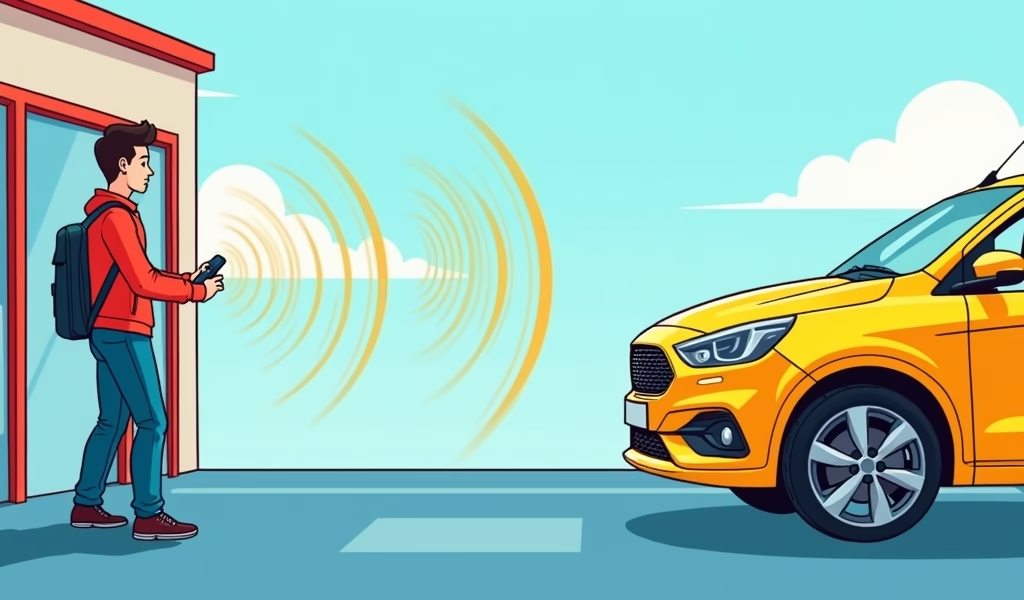
Keyless entry isn’t just a luxury feature—it’s a practical tool that impacts your daily routine. Good range on your key fob delivers tangible benefits that go beyond simple convenience.
Safety is perhaps the most significant advantage. Being able to unlock your vehicle from a distance means less time spent vulnerable in parking lots, especially at night or in unfamiliar areas. You can scan your surroundings, unlock your car from a safe distance, and enter quickly.
For those managing busy lives, the convenience factor adds up. Imagine approaching your vehicle with arms full of groceries or while wrangling small children—that extra distance means you can unlock your car before reaching it, saving those precious seconds of fumbling that feel like an eternity when you’re juggling multiple responsibilities.
Weather protection is another practical benefit that’s easy to overlook until you’re caught in a downpour. Unlocking your vehicle from inside a building means minimal exposure to the elements—a small comfort that makes a big difference on those rainy or snowy days.
For individuals with mobility challenges, extended keyless entry range reduces the physical movements required to access their vehicle, making car ownership more accessible and independent. As part of remote car monitoring systems, keyless entry represents just one aspect of how technology is making vehicles more accessible.
Common Symptoms of Fading Range
Recognizing the early warning signs of keyless entry problems can save you from the frustration of a complete lockout. Here are the telltale symptoms that suggest your system is underperforming:
- Progressively shrinking operational range (used to work from 50 feet, now only 10)
- Inconsistent response—works sometimes but not others
- Multiple button presses needed for a single action
- Location-specific failures (works at home but not in certain parking lots)
- Weather-dependent performance variations
Many drivers report the “walking lockout dance”—that awkward backward shuffle as you walk away from your vehicle, repeatedly clicking the lock button until your car finally acknowledges your command with a satisfying chirp and flash of lights.
Another common experience is what I call “the grocery lot gamble”—standing at varying distances, testing how close you need to be before your vehicle responds, all while balancing bags or managing children.
These symptoms typically appear gradually rather than suddenly, making them easy to dismiss until they become significant inconveniences. The slow degradation often means drivers adapt their behavior incrementally rather than addressing the underlying issue.
What’s Causing Your Key Fob Problems
After 20 years as an automotive electronics specialist, I’ve seen countless keyless entry problems. Here are the most common culprits behind diminishing range:
Battery depletion is by far the most frequent cause. As your fob’s battery weakens, its transmission power diminishes proportionally. Most key fob batteries last 1-3 years depending on usage patterns, but this can vary widely based on how frequently you use the buttons and environmental conditions.
Our increasingly connected world creates significant signal interference. Other key fobs, cell phones, Wi-Fi networks, and various electronic devices all compete for airspace in the radio spectrum. Even something as seemingly innocent as LED lighting in parking structures can generate interference that impacts your key fob’s effectiveness.
Physical damage to your remote often goes unnoticed. That time you accidentally sat on your keys or dropped them on concrete might have caused internal damage to the circuit board or antenna. Many modern key fobs use internal wire loop antennas that are easily damaged without showing external signs.
Vehicle-side issues account for about 30% of the problems I diagnose. Your car’s receiver antenna could be damaged, or connections might have corroded over time. In vehicles with integrated security systems, software glitches can sometimes affect the receiver’s sensitivity.
Finally, environmental factors like extreme temperatures affect performance. Cold weather is particularly problematic—battery output decreases significantly in temperatures below freezing, temporarily reducing range until the fob warms up. This is why your key fob might work poorly on winter mornings but function normally by afternoon.
Diagnosing the Issue
Before jumping to solutions, let’s pinpoint what’s actually causing your keyless entry distance problem. A methodical approach will save you time and money.
Start with a simple range test: In an open area with minimal interference (your driveway is ideal), walk away from your vehicle while periodically pressing the unlock button. Note the maximum distance at which the system reliably responds. For most factory key fobs, normal range is between 30-60 feet under optimal conditions.
Next, try the battery test: If your range is significantly less than expected, replace the battery with a high-quality brand like Energizer or Duracell. After replacement, repeat your range test. If performance improves dramatically, you’ve identified the culprit.
If a fresh battery doesn’t resolve the issue, try the comparative test: If you have access to another key fob for the same vehicle (perhaps your spouse’s), test its range under identical conditions. Different performance between two fobs points to a problem with the underperforming remote rather than the vehicle’s receiver.
For persistent issues, perform a location test: Try your key fob in different locations—near your home, in a shopping center parking lot, and in an open field. Consistent performance across locations suggests a fob or vehicle issue, while variable performance points to interference problems.
Don’t forget the “body amplification test,” which leverages basic principles of radio wave propagation. Hold the fob against your chin or head when pressing the button—your body acts as an antenna amplifier, potentially extending range. If this significantly improves performance, your issue is likely related to transmission power (typically battery-related) rather than damage to the fob.
Fixing Your Keyless Entry Problems
Now that you’ve identified potential causes, let’s tackle solutions. I’ll start with the simplest fixes that offer the biggest impact.
Battery replacement is your first and most cost-effective option. For most key fobs, you’ll need a CR2032 or CR2025 coin cell battery, available at most drugstores, hardware stores, or online. Here’s how to replace it:
- Look for a small seam around the edge of your key fob
- Gently insert a small flathead screwdriver or coin into the seam and twist slightly to separate the case halves
- Note the orientation of the old battery before removing it
- Insert the new battery in the same orientation (usually with the positive “+” side up)
- Carefully snap the case back together
Some luxury vehicle fobs have more complex designs—consult your owner’s manual if you’re unsure. When handling the new battery, avoid touching the flat surfaces with your fingers, as skin oils can slightly degrade performance.
For cleaning internal contacts, you’ll need isopropyl alcohol (90% or higher) and cotton swabs. After opening the fob, gently clean both the battery contacts and circuit board connections. Allow everything to dry completely before reassembly. This simple maintenance can restore connectivity issues caused by oxidation or dirt buildup.
If you suspect interference problems, try changing your usage habits. Keep your key fob away from smartphones, especially if you typically carry both in the same pocket. When in areas with heavy electronic activity (like shopping malls), try holding your fob higher above your head when pressing the button to minimize ground-level interference.
For vehicles with programmable key fobs, a reset procedure might help restore full functionality. The specific steps vary by make and model, but typically involve:
- Entering your vehicle with all doors closed
- Inserting the key into the ignition
- Cycling the key between ON and OFF positions in a specific pattern
- Pressing the key fob buttons in a certain sequence
Your vehicle’s owner’s manual will contain the exact procedure for your model. If you’ve misplaced your manual, most manufacturers provide digital copies online.
For physical protection against future damage, consider investing in a silicone key fob cover. These inexpensive accessories absorb impact and protect against moisture while still allowing button functionality. They’re particularly valuable for active lifestyles or work environments that put keys at risk.
Understanding how vehicle sensors interact with keyless systems can help you better diagnose and address range issues when they occur.
When to Seek Professional Help
While many keyless entry issues can be resolved through DIY approaches, some situations warrant professional intervention. Here’s when to call in the experts:
If your key fob shows signs of water damage—perhaps after an accidental swim in the washing machine or a drop in a puddle—professional help may be your best option. Water typically causes corrosion on circuit boards that home remedies can’t adequately address. A skilled automotive locksmith or dealership technician has the tools to either dry and restore your fob or transfer existing programming to a replacement unit.
For vehicles with advanced security systems, particularly European luxury models, reprogramming often requires specialized equipment that’s not available to consumers. If your DIY programming attempts have failed or your vehicle uses a rolling code system (which changes security codes after each use), professional programming will be necessary.
When considering professional services, you have several options:
- Dealership service departments (typically most expensive but guaranteed compatible)
- Independent automotive locksmiths (usually 30-50% less expensive than dealerships)
- Some well-equipped independent repair shops
Get quotes before proceeding—costs vary significantly. For basic key fob programming, expect to pay $50-$100. For replacement and programming of sophisticated proximity keys, costs can range from $200-$400 depending on vehicle make and model.
One advantage of professional service is diagnostic capability—technicians can determine whether the problem lies with your fob or with your vehicle’s receiver system. This distinction is important, as replacing your key fob won’t help if the issue is on the vehicle side.
When selecting a service provider, prioritize those with specific experience in automotive electronics and security systems. General locksmiths without automotive specialization may not have the equipment needed for modern vehicle systems.
Preventing Future Range Issues
An ounce of prevention is worth a pound of cure—especially when it comes to keyless entry systems. Implementing these preventative measures can help maintain optimal performance and avoid frustrating range issues:
Establish a battery replacement schedule based on your vehicle’s age and usage patterns. For most drivers, replacing key fob batteries annually is a good practice, even if you haven’t noticed performance issues. Mark it on your calendar alongside other regular maintenance items. High-quality batteries cost just a few dollars but save immense frustration.
Protect your key fob from physical damage by using a dedicated pocket or securing it in a protected section of your purse or bag. Avoid keeping it with loose change or other items that might press against the buttons or damage the case. If you work in environments with heightened physical risks (construction, outdoor activities), consider a reinforced key fob holder.
Minimize exposure to environmental extremes. While most fobs are designed to withstand reasonable temperature variations, prolonged exposure to heat (like leaving your keys in a hot car) or cold (storing in an unheated garage in winter) can degrade internal components and battery life.
Keep a spare fob in good working condition. Many drivers neglect their spare until an emergency arises, only to discover it’s non-functional when needed. Periodically test your spare, replace its battery on the same schedule as your primary fob, and store it in a consistent, protected location.
For vehicles with connected car features, ensure your system’s security protocols remain updated. Modern vehicles sometimes receive over-the-air updates that can affect keyless entry performance, so staying current with manufacturer recommendations helps maintain optimal functionality.
Emergency Measures
Even with the best maintenance, emergencies happen. Here’s how to handle keyless entry failures when they occur:
First, know your backup entry methods. Most key fobs contain a physical key hidden inside the fob case. Look for a small release button or slide mechanism that reveals this emergency key. The corresponding keyhole on your vehicle might be hidden behind a small cover on the door handle—check your owner’s manual for specific details about your model.
If your vehicle has push-button start and your key fob’s battery dies completely, you can still start the car. Most manufacturers design a specific spot where you can hold or place the dead fob (often near or against the start button) that allows the car to detect the presence of the immobilizer chip even without battery power. This information is crucial knowledge that many drivers discover only after being stranded.
For true emergencies where you have no access to your vehicle, most roadside assistance programs and automotive locksmiths offer emergency entry services. Many insurance policies cover lockout assistance, so keep your provider’s contact information accessible (ideally not just stored in your locked car).
If you frequently experience keyless entry problems but can’t immediately resolve them, consider carrying a small spare battery in your wallet or purse. These coin cell batteries are thin enough to fit alongside credit cards and provide an immediate solution when your fob starts showing signs of battery depletion.
Remember the “body amplification trick” as a temporary measure—holding the fob against your head or under your chin can significantly boost your fob’s effective range by using your body as a signal amplifier. It might look unusual, but this physics-based approach can be a lifesaver in challenging situations.
Conclusion
Keyless entry distance problems represent more than a minor inconvenience—they affect your daily routine, security, and peace of mind. By understanding the common causes of diminishing range and implementing the appropriate solutions, you can restore the convenience and reliability that these systems were designed to provide.
Remember that most range issues stem from simple, addressable causes: weakening batteries, environmental interference, or physical damage to your key fob. The diagnostic steps outlined in this guide will help you pinpoint your specific issue, while the maintenance recommendations can prevent future problems from developing.
For the majority of drivers, regular battery replacement and proper physical care of your key fob will maintain optimal performance throughout your vehicle’s life. When more complex issues arise, knowing when and where to seek professional assistance ensures cost-effective resolution without unnecessary expense.
Most importantly, familiarize yourself with your vehicle’s emergency entry and starting procedures before you need them. This preparation, combined with preventative maintenance, provides comprehensive protection against the frustration of keyless entry failures.
Your vehicle’s keyless entry system represents just one aspect of the increasingly sophisticated technology that enhances modern driving experiences. By giving it appropriate attention and care, you ensure it remains a convenience rather than a source of frustration for years to come.
Frequently Asked Questions
Why has my key fob’s range suddenly decreased?
Sudden range reduction is typically caused by battery depletion or recent environmental interference. Try replacing the battery with a high-quality brand first, as this resolves about 80% of sudden range issues.
Can extreme weather affect my keyless entry system?
Yes, cold temperatures significantly reduce battery output and can temporarily decrease range by 50% or more. Hot weather can also accelerate battery depletion and potentially damage internal components over time.
Why does holding my key fob to my head increase its range?
Your body acts as a signal amplifier, effectively extending the antenna of your key fob. This physics phenomenon works because the water in your body conducts and redirects the radio frequency energy from your fob.
How often should I replace my key fob battery?
Replace your key fob battery annually as preventative maintenance, even if you haven’t noticed performance issues. If you use proximity keys that communicate constantly with your vehicle, consider a 6-month replacement schedule.
Is it worth repairing an expensive key fob or should I replace it?
If repair costs exceed 60% of replacement cost, replacement is usually more economical. For luxury vehicles with fobs exceeding $300, professional repair might make financial sense, but always get a repair estimate before deciding.