

Overview
Like your insurance policy number—which isn’t just a random string of digits but your vehicle’s VIP backstage pass to the insurance world—proper vehicle maintenance is crucial for extending your car’s lifespan and potentially improving your insurance standing. The article outlines seven key maintenance practices: following manufacturer schedules, timely oil changes, proper tire care, battery maintenance, regular fluid checks, gentle driving habits, and appropriate storage practices, all of which help prevent major mechanical failures while possibly lowering insurance costs.
Table of Contents
- Understanding Insurance Policy Numbers: Your Vehicle’s Identity in the Insurance World
- 1. Regular Maintenance: The Foundation of Vehicle Longevity
- 2. Timely Oil Changes: The Lifeblood of Your Engine
- 3. Proper Tire Care: Supporting Your Journey
- 4. Battery Maintenance: Powering Reliability
- 5. Regular Fluid Checks: Keeping Systems Running Smoothly
- 6. Mindful Driving Habits: Gentle on Your Vehicle, Better for Insurance
- 7. Proper Storage Practices: Protecting When Parked
- Conclusion: Maximizing Your Vehicle’s Lifespan
- Frequently Asked Questions
Understanding Insurance Policy Numbers: Your Vehicle’s Identity in the Insurance World
Your insurance policy number is more than just a random sequence of digits – it’s your vehicle’s unique identifier in the complex world of auto insurance. This special code connects all aspects of your coverage, from claim history to premium adjustments. As a mechanic with over two decades of experience, I’ve seen firsthand how proper vehicle maintenance not only extends car life but also positively impacts insurance considerations. Many drivers overlook this crucial connection.
When you maintain your vehicle properly, you’re not just saving on repair costs – you’re potentially improving your insurance standing. Insurance providers view well-maintained vehicles as lower risks, which can translate to better rates when your policy comes up for renewal. For first-time car insurance buyers, establishing good maintenance habits early can set you up for long-term savings.
Let’s explore seven proven maintenance treatments that will not only extend your vehicle’s lifespan but might also help maintain favorable insurance terms. Each of these approaches has been refined through years of hands-on experience in professional garages across the country, and they’re designed to be both effective and accessible to the average car owner.
1. Regular Maintenance: The Foundation of Vehicle Longevity
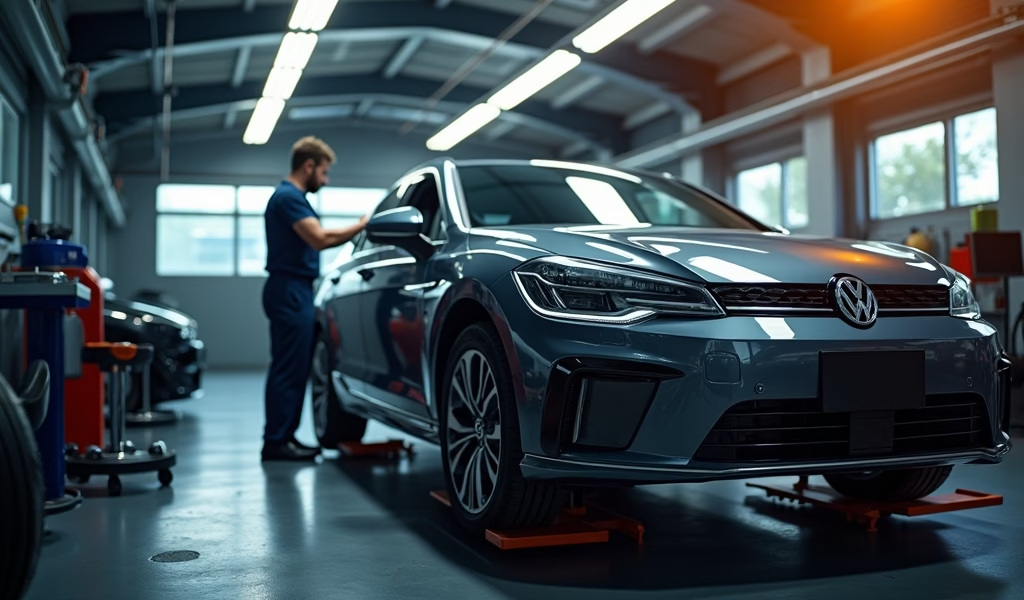
Following your manufacturer’s maintenance schedule isn’t just a suggestion—it’s essential for maximizing your vehicle’s lifespan. This scheduled care forms the cornerstone of responsible ownership and can significantly impact how insurance companies view your vehicle’s risk profile. Your insurance policy number is tied to your vehicle’s history, including how well you’ve maintained it over time.
Most modern vehicles come with a detailed service schedule in the owner’s manual. These aren’t arbitrary recommendations but carefully calculated intervals based on extensive testing. Typically, comprehensive service checks should happen every 15,000-30,000 miles, depending on your vehicle’s make, model, and age.
During these check-ups, mechanics will examine critical systems including:
- Engine performance and efficiency
- Brake system condition
- Suspension and steering components
- Transmission function
- Cooling system integrity
According to a study by the American Automobile Association, vehicles that receive regular maintenance can last 200,000 miles or more—nearly double the lifespan of neglected vehicles. This extended life doesn’t just save you money on premature replacements; it can positively affect your insurance standing since well-maintained vehicles present lower risk profiles.
For those with insurance for new drivers in the family, teaching the importance of maintenance early creates lifelong habits that protect both the vehicle and their insurance standing. Remember to keep detailed records of all service work—these documents can prove invaluable when dealing with insurance companies or when selling your vehicle.
2. Timely Oil Changes: The Lifeblood of Your Engine
Oil changes might seem like a simple maintenance task, but they’re arguably the single most important thing you can do to extend your engine’s life. Your insurance policy number connects to a vehicle whose longevity depends heavily on this regular service. Fresh oil provides proper lubrication, reduces engine wear, improves fuel efficiency, and helps remove harmful debris and contaminants.
Modern synthetic oils have extended the interval between changes, but don’t push beyond manufacturer recommendations. For most vehicles, changing oil every 5,000-7,500 miles is appropriate, though some synthetic oils can go 10,000+ miles. However, severe driving conditions like stop-and-go traffic, extreme temperatures, or towing may require more frequent changes.
When changing your oil, don’t overlook the filter. A fresh filter removes more contaminants, allowing your oil to work more effectively. This small additional cost pays significant dividends in engine protection.
Here’s what happens when you neglect oil changes:
- Oil breaks down and loses its lubricating properties
- Sludge accumulates, restricting oil flow to vital engine parts
- Engine components experience increased friction and wear
- Operating temperatures rise, accelerating component deterioration
- Engine efficiency decreases, reducing power and fuel economy
According to Consumer Reports research, regular oil changes can extend engine life by tens of thousands of miles. That’s substantial protection for a service that typically costs between $25-75 when done professionally—or even less if you’re comfortable doing it yourself.
When maintaining vehicles for customers, I’ve seen engines with 300,000+ miles running smoothly thanks largely to disciplined oil change schedules. Conversely, I’ve had to replace engines with less than 100,000 miles due to oil neglect. The choice is clear: small, regular investments in oil changes prevent costly engine repairs or replacements down the road.
3. Proper Tire Care: Supporting Your Journey
Your tires are literally where the rubber meets the road, forming the critical contact point between your vehicle and the driving surface. Proper tire maintenance not only extends tire life but significantly impacts safety, handling, and fuel economy. Your insurance policy number is connected to a vehicle whose safe operation depends heavily on those four rubber contact patches.
Start with regular pressure checks—ideally once monthly and before any long trips. Underinflated tires flex more, generating excess heat and increasing wear, while overinflation reduces contact area and compromises traction. The correct pressure isn’t what’s stamped on the tire sidewall but what’s specified in your vehicle’s manual or door jamb sticker.
Rotation is equally important for even wear patterns. Most mechanics recommend rotating tires every 5,000-7,000 miles. This simple service redistributes wear more evenly across all four tires, extending their usable life by thousands of miles. Many shops offer free rotations if you purchased your tires from them—take advantage of this valuable service.
Don’t overlook alignment checks, especially after hitting potholes or curbs. Proper alignment ensures even tire wear and optimal handling. Signs you need an alignment include:
- Vehicle pulling to one side while driving straight
- Uneven or rapid tire wear
- Off-center steering wheel when driving straight
- Squealing tires, especially during turns
For car insurance for new drivers, maintaining proper tire care is particularly important. Insurance companies understand that well-maintained tires reduce accident risk, potentially affecting premiums and coverage terms.
Seasonal considerations matter too. In areas with significant winter weather, switching to winter tires when temperatures consistently drop below 45°F provides substantially better traction. The Tire Rack’s extensive testing consistently shows winter tires outperforming all-seasons in cold conditions, even on dry roads.
Remember that tires, regardless of tread condition, should generally be replaced every 6-10 years due to rubber compound degradation. Check the four-digit date code on your tire sidewall (week/year of manufacture) to monitor age.
4. Battery Maintenance: Powering Reliability
Your vehicle’s battery serves as the heart of its electrical system, and proper maintenance is crucial for reliable starts and overall electrical health. Your insurance policy number is tied to a vehicle that depends on this power source for everything from starting to running critical safety systems. A well-maintained battery prevents unexpected breakdowns and costly roadside assistance claims.
Modern batteries require less maintenance than older types, but they still benefit from regular attention. First, keep the battery terminals clean and free from corrosion. That powdery white or greenish substance that accumulates on terminals restricts current flow, making it harder for your vehicle to start. A simple solution of baking soda and water, applied with an old toothbrush, works wonders for cleaning terminals.
Battery life typically ranges from 3-5 years, depending on climate and driving habits. Extreme temperatures—both hot and cold—reduce battery life. In very hot climates, batteries might last only 2-3 years. If your battery is approaching the 3-year mark, have it tested professionally during your next service appointment.
Watch for these warning signs that your battery may be failing:
- Engine cranks slowly when starting
- Headlights dim noticeably at idle
- Battery warning light appears on dashboard
- Electrical components behaving erratically
- Battery case appears swollen or misshapen
For vehicles driven infrequently, consider using a battery maintainer/trickle charger. These inexpensive devices keep your battery at optimal charge when the vehicle sits unused for extended periods. This is particularly important for seasonal vehicles or those driven primarily for short trips, which don’t allow the alternator sufficient time to recharge the battery fully.
If you’re mechanically inclined, testing battery voltage yourself is simple with an inexpensive multimeter. A healthy battery should read about 12.6 volts when the engine is off and between 13.7-14.7 volts when running. Readings below 12.4 volts (engine off) suggest the battery needs charging or replacement.

5. Regular Fluid Checks: Keeping Systems Running Smoothly
Your vehicle relies on various fluids to function properly, and monitoring these regularly is like giving your car a mini health check-up between major service appointments. Your insurance policy number covers a complex machine whose systems depend on these vital fluids for proper operation. Regular checks help prevent major mechanical failures that could lead to insurance claims or roadside emergencies.
Beyond engine oil, several other fluids require regular attention:
- Transmission fluid: Should be pink/red and have a sweet smell. Dark or burnt-smelling fluid indicates problems.
- Coolant/antifreeze: Should be bright green, orange, or pink (depending on type) without particles or oil traces.
- Brake fluid: Should be clear to amber. Dark fluid suggests contamination and reduced effectiveness.
- Power steering fluid: Should be clear, amber, or red depending on your vehicle model.
- Windshield washer fluid: Keep topped up for visibility, especially in winter conditions.
Checking these fluids takes just minutes and can prevent catastrophic system failures. For transmission fluid, many newer vehicles have sealed systems without dipsticks, requiring professional inspection. However, coolant, brake, and power steering reservoirs typically have visible fill lines making checks straightforward.
Pay attention to both fluid levels and condition. Even if levels appear adequate, discolored or contaminated fluids indicate internal problems requiring attention. For instance, milky-looking oil suggests coolant contamination—a symptom of potential head gasket issues that warrant immediate professional inspection.
Develop the habit of checking fluids monthly or before any long trip. This simple routine has helped me identify countless developing issues before they became major problems. I recommend creating a reminder on your phone or calendar to ensure consistency.
When adding fluids, always use the specific type recommended in your owner’s manual. Modern vehicles often require precise fluid formulations, and using incorrect types can damage sensitive components. When in doubt, consult your manual or ask a professional mechanic for guidance.
6. Mindful Driving Habits: Gentle on Your Vehicle, Better for Insurance
How you drive impacts not just safety but also your vehicle’s longevity and potentially your insurance standing. Your insurance policy number is connected to your driving behavior through claims history and, increasingly, through telematics monitoring. Developing gentle driving habits protects your vehicle’s components while potentially improving your insurance profile.
Start by allowing your engine proper warm-up time, especially in cold weather. Modern engines don’t need extended idling, but giving your vehicle 30-60 seconds before driving away allows oil to circulate properly. Then drive moderately until operating temperature is reached—usually 5-10 minutes. This simple habit significantly reduces engine wear.
Avoid aggressive acceleration and braking when possible. “Jackrabbit” starts force your engine to work harder than necessary, while hard braking places excess strain on brake components. Smooth, progressive acceleration and deceleration not only extend component life but improve fuel economy too.
Pay attention to these additional driving considerations:
- Avoid overloading your vehicle beyond its rated capacity
- Reduce unnecessary idling—modern engines don’t benefit from it
- Use engine braking (downshifting) when appropriate to reduce brake wear
- Navigate around potholes and road hazards when safe to do so
- Maintain appropriate following distances to reduce panic braking
For vehicles with manual transmissions, avoid “riding” the clutch and shift smoothly between gears. For automatics, bring the vehicle to a complete stop before shifting between drive and reverse to protect the transmission.
Many insurers now offer usage-based insurance programs that monitor driving habits through smartphone apps or plug-in devices. These programs reward gentle driving with potential premium discounts. According to the Insurance Institute for Highway Safety, smooth driving not only extends vehicle life but significantly reduces accident risk.
Remember that extreme weather requires adjusted driving techniques. In very hot weather, allow your vehicle more cool-down time at your destination. In cold weather, extend your warm-up period slightly and drive moderately until systems reach operating temperature.
7. Proper Storage Practices: Protecting When Parked
How and where you park your vehicle significantly impacts its condition over time. Your insurance policy number is associated with a vehicle that faces various environmental challenges even when not in use. Proper storage practices protect against premature aging, environmental damage, and potential security issues that could affect your insurance standing.
Whenever possible, park in covered areas that protect from direct sunlight, precipitation, and temperature extremes. Garage parking is ideal, but carports and shaded areas provide significant benefits compared to full sun exposure. UV rays deteriorate paint, trim, and interior materials over time, while protection from precipitation reduces corrosion risk.
For vehicles stored longer than two weeks, consider these additional steps:
- Fill the fuel tank to reduce condensation in the fuel system
- Use a battery maintainer to prevent discharge
- Slightly overinflate tires (by 2-3 psi) to reduce flat spotting
- Apply a quality wax coating to protect paint
- Place a breathable cover on the vehicle if stored indoors
For extended storage (2+ months), more comprehensive measures become important. Consider changing oil before storage since used oil contains contaminants that can damage engine components during prolonged sitting. Some enthusiasts also add fuel stabilizer to prevent gasoline degradation, particularly important with today’s ethanol-blend fuels.
Don’t overlook security considerations. Park in well-lit areas when using public parking, and consider steering wheel locks or other visible deterrents. Many insurance companies offer discounts for vehicles with anti-theft devices or for parking in secured locations.
Climate considerations matter too. In humid environments, moisture absorbers inside the cabin help prevent mold and musty odors. In very cold climates, consider disconnecting the battery if the vehicle won’t be driven for extended periods, as extreme cold accelerates discharge.
Even with proper storage, vehicles benefit from occasional use. Try to drive stored vehicles at least once monthly if possible, bringing systems to operating temperature and allowing the alternator to recharge the battery fully. This practice prevents seals from drying out and helps keep mechanical components properly lubricated.
Conclusion: Maximizing Your Vehicle’s Lifespan
Your insurance policy number represents more than just coverage—it connects to a vehicle whose longevity and reliability depend largely on how you care for it. By implementing these seven treatments consistently, you’re not just extending your car’s life but potentially improving your insurance standing through reduced claims and demonstrated responsible ownership.
Remember that vehicle maintenance isn’t just about preventing breakdowns—it’s about preserving value, enhancing safety, and ensuring reliability when you need it most. The initial investment of time and resources in proper maintenance pays dividends through reduced repair costs, improved resale value, and potentially lower insurance premiums over time.
Start small if feeling overwhelmed. Focus first on regular oil changes, tire maintenance, and fluid checks—these provide the greatest return on investment. As these habits become second nature, incorporate the remaining treatments into your routine.
Your relationship with your vehicle is a partnership. Provide the care it needs, and it will deliver years of reliable service in return. And that’s something both you and your insurance provider can appreciate.
Frequently Asked Questions
Where can I find my insurance policy number?
Your insurance policy number is typically located on your insurance ID card, declaration page, or in your online account. It’s also included in all official correspondence from your insurance company.
How many digits are in an insurance policy number?
Insurance policy numbers typically range from 8-10 digits, though this varies by insurance provider. Some companies may include letters or special characters in their numbering system.
Do I need my insurance policy number to file a claim?
While helpful, most insurers can process claims without your policy number by using other identifying information. Having your policy number ready will expedite the claims process significantly.
How often does my insurance policy number change?
Your insurance policy number typically remains the same as long as you maintain continuous coverage with the same provider. It usually only changes if you switch insurance companies or have a lapse in coverage.
Should I memorize my insurance policy number?
It’s not necessary to memorize your policy number, but keep it accessible. Store it in your phone contacts, wallet, and vehicle glove compartment for easy reference during emergencies.