
Overview
Like finding matching socks in a dryer, proper insurance card storage saves you from frantic glove compartment excavations during traffic stops while preventing legal headaches. The article recommends various storage solutions including visor organizers, document wallets, and digital alternatives, while emphasizing the importance of regular document maintenance, weather protection, and understanding state-specific legal requirements for insurance documentation.
Table of Contents
- Why Proper Insurance Card Storage Matters
- Essential Insurance Documents to Keep in Your Vehicle
- Best Insurance Card Storage Solutions
- Organizing Your Vehicle Documents
- Digital Alternatives for Insurance Card Storage
- Weather and Damage Protection
- Legal Requirements for Insurance Documentation
- Maintenance Schedule for Your Document Organizer
- Conclusion
- Frequently Asked Questions
Why Proper Insurance Card Storage Matters
Finding the perfect insurance card storage solution might seem like a minor detail in car maintenance, but as a mechanic who’s seen countless frustrated drivers frantically searching their glove compartments during traffic stops, I can tell you it matters tremendously. Proper insurance card storage isn’t just about organization—it’s about preparedness and peace of mind. When you need to provide proof of insurance quickly, whether during a routine traffic stop or after an accident, having your documents readily accessible can save you from unnecessary stress and potential legal complications.
Beyond convenience, protecting these essential documents from damage is crucial. I’ve seen too many drivers hand over sun-faded, coffee-stained, or torn insurance cards that are barely legible. Not only does this look unprofessional, but it can also lead to complications with law enforcement or insurance claims. In some jurisdictions, presenting a damaged or illegible insurance card can even result in fines, despite having valid coverage.
As vehicles become more sophisticated, proper document organization becomes an integral part of full coverage car insurance maintenance. Just as you wouldn’t neglect your oil changes or tire rotations, you shouldn’t overlook this simple aspect of vehicle upkeep. Let’s explore how to implement effective insurance card storage solutions that complement your overall car maintenance routine.
Essential Insurance Documents to Keep in Your Vehicle
Before diving into storage solutions, let’s clarify exactly what insurance documents you should keep in your vehicle. At minimum, you need your current insurance card or proof of insurance. This small card contains your policy number, coverage dates, and the insurance company’s contact information—all critical details in case of an accident or traffic stop.
Beyond the basic insurance card, consider keeping these additional documents in your vehicle:
- Vehicle registration
- Emergency contact information
- Accident report forms (often provided by your insurance company)
- Medical information cards (allergies, conditions, or medications)
- Roadside assistance membership information
Many drivers, especially those with insurance for new drivers in the household, also keep a copy of their full insurance policy. While this isn’t necessary for day-to-day driving, it can be helpful during an accident when questions about coverage arise. Just remember that comprehensive policies can be lengthy, so consider storing a digital version instead.
According to the Insurance Information Institute, drivers should always verify state-specific requirements for documentation, as these can vary significantly. Some states now accept digital insurance cards, while others still require physical copies. It’s always best to have both options available.
Best Insurance Card Storage Solutions
After years of helping customers organize their vehicle documents, I’ve identified several effective insurance card storage solutions that balance protection, accessibility, and durability. The best solution for you depends on your specific needs and vehicle type.
The classic glove compartment remains a popular choice, but without organization, it quickly becomes a black hole of receipts, napkins, and forgotten items. Instead, consider these purpose-built options:
- Visor organizers: These attach to your sun visor, keeping documents easily accessible and visible without taking up storage space. Many include transparent pockets specifically designed for insurance cards.
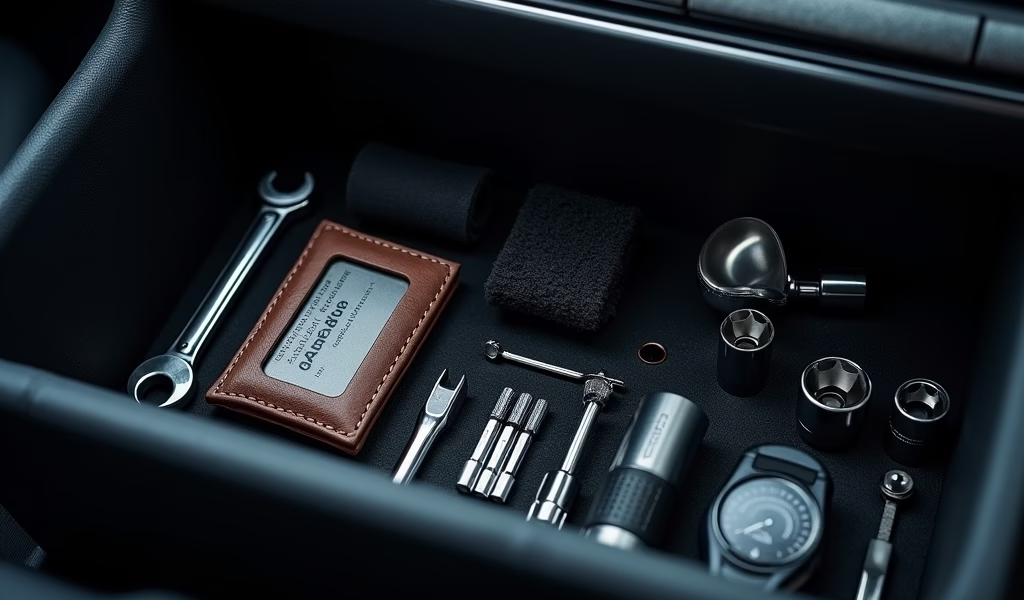
- Document wallets: Made from durable materials like leather or ballistic nylon, these compact wallets can hold all your essential documents while protecting them from wear and tear.
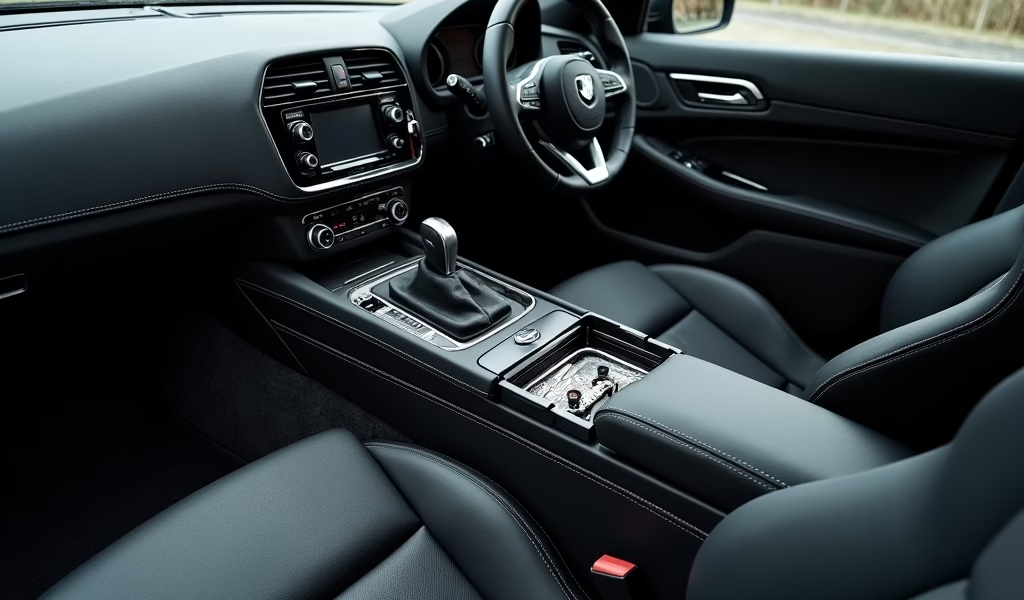
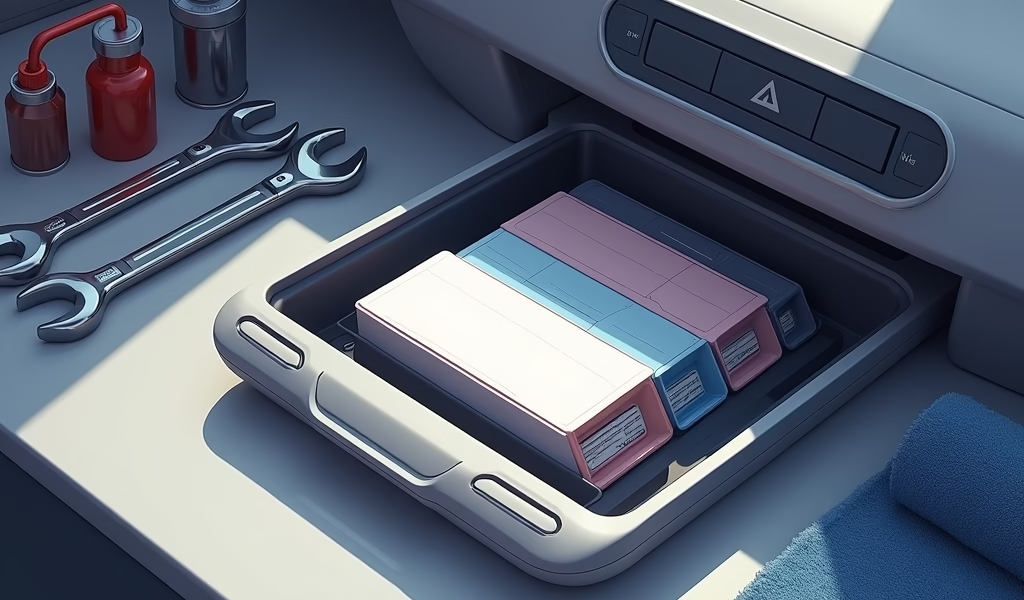
- Center console organizers: These fit into your existing center console, creating dedicated slots for insurance cards and registration papers.
- Glove compartment organizers: These inserts transform a messy glove box into an ordered filing system with labeled sections for different documents.
- Registration and insurance holders: These specialized holders are designed specifically for vehicle documents, often with weather-resistant features.
My personal recommendation for most drivers is a quality visor organizer with UV protection. This keeps your insurance card storage accessible while protecting documents from sun damage—a common issue I see in vehicles driven in sunny climates. These organizers typically cost between $10-30 and can last for years with proper care.
For luxury vehicle owners concerned about interior aesthetics, consider leather document wallets that match your interior. These can be stored in your glove compartment or center console while maintaining the premium look of your vehicle’s cabin. Some manufacturers even offer branded document holders that perfectly complement your vehicle’s design language.
Organizing Your Vehicle Documents
Once you’ve selected the right storage solution, organizing your documents effectively is the next step. I’ve found that a systematic approach prevents frustration when you need to locate something quickly—especially important for those carrying full coverage insurance for car with extensive documentation.
Start by sorting documents by importance and frequency of use. Your insurance card and registration should be immediately accessible—these are the documents most commonly requested during traffic stops. Secondary documents like roadside assistance information can be placed behind these primary items.
Consider using color-coding or dividers if your storage solution allows it. For example, you might use a red tab for insurance information, blue for registration, and green for maintenance records. This visual organization system makes locating documents intuitive, even in stressful situations.
Replace outdated documents immediately. When new insurance cards arrive, make it a habit to place them in your vehicle that same day. Many drivers keep expired cards alongside current ones, creating confusion during traffic stops. I recommend keeping only the current card in your primary storage location, with the previous card stored elsewhere as a backup.
For families with multiple drivers, consider creating duplicate sets of essential documents for each driver. This ensures that everyone has access to necessary information regardless of who’s driving. This practice is especially helpful for households with teenage drivers who might use the family vehicle independently.
According to NHTSA guidelines, keeping your vehicle documentation organized contributes to overall road safety by reducing distractions and stress during emergency situations.
Digital Alternatives for Insurance Card Storage
The digital revolution has finally reached insurance card storage, offering convenient alternatives to traditional paper documents. As someone who’s watched automotive technology evolve over decades, I’m impressed with these modern solutions—though I still recommend keeping physical backups.
Most major insurance providers now offer mobile apps that include digital versions of your insurance card. These apps typically allow you to download your card for offline access, ensuring you can retrieve it even without cell service. Some advanced apps include additional features like accident reporting tools, roadside assistance requests, and policy management.
Before relying exclusively on digital insurance cards, verify that your state accepts them as legal proof of insurance. Currently, most states do accept digital insurance cards, but some still require physical copies. Even in states that accept digital versions, I recommend keeping a physical copy as backup—smartphones can run out of battery or experience technical issues at the most inconvenient times.
Beyond insurance-specific apps, consider these digital storage options:
- Secure document storage apps (like Google Drive or Dropbox)
- Password-protected PDF files of your documents
- Email copies to yourself with relevant subject lines for easy searching
- Digital wallet apps (Apple Wallet, Google Pay, etc.) that support insurance cards
For the tech-savvy driver, creating a dedicated “Vehicle Documents” folder in your preferred cloud storage service ensures all important information is accessible across multiple devices. This approach provides redundancy if your phone is damaged or lost.
Weather and Damage Protection
Living in an area with extreme weather conditions presents unique challenges for insurance card storage. I’ve seen countless documents damaged by heat, humidity, cold, and direct sunlight—all of which can make your insurance card illegible when you need it most.
Heat and sunlight are particularly damaging to paper documents. Vehicles parked in direct sunlight can reach interior temperatures exceeding 150°F, causing ink to fade and paper to become brittle. To protect against this, look for UV-resistant document holders or storage solutions that shield papers from direct sunlight.
Humidity and moisture create different problems, potentially causing documents to warp, mold, or stick together. In humid climates, consider waterproof document holders or laminated document sleeves. While you shouldn’t laminate your actual insurance card (some states prohibit this), you can use clear waterproof sleeves that provide protection while keeping documents accessible.
Cold weather can make plastic document holders brittle and prone to cracking. If you live in an area with severe winters, opt for flexible silicone or specialized cold-resistant document organizers. These materials maintain their integrity even in freezing temperatures.
For comprehensive protection, consider these specialized insurance card storage solutions:
- Weather-resistant document pouches with ziplock or velcro seals
- Silicone or rubber-coated document holders that resist temperature extremes
- Multi-layer protection systems with water-resistant outer shells
- RFID-blocking holders (for those concerned about identity theft)
According to research from the Society of Automotive Engineers, document degradation accelerates significantly at temperatures above 120°F—a threshold regularly exceeded in vehicles during summer months. Investing in proper protection extends the life of your documents and ensures they remain legible when needed.
Legal Requirements for Insurance Documentation
Understanding the legal requirements for insurance documentation in your state is crucial for avoiding unnecessary tickets and legal complications. As someone who’s helped many drivers sort out documentation issues, I can tell you that these requirements vary significantly by location.
Most states require drivers to carry physical or digital proof of insurance and present it when requested by law enforcement. Failure to provide this documentation can result in citations ranging from $50 to several hundred dollars, depending on your location—even if you actually have valid insurance coverage.
Some states have specific format requirements for insurance cards. These might include mandatory information like the policy effective and expiration dates, vehicle information, policyholder name, and insurance company contact details. Your insurance provider designs their cards to meet these requirements, but it’s your responsibility to ensure the card is legible and current.
For those who travel between states, be aware that digital insurance card acceptance varies. While most states now accept digital proof of insurance, some still require physical documentation. If you frequently drive across state lines, maintain both physical and digital copies to ensure compliance with all local regulations.
Commercial drivers face additional documentation requirements. If you use your vehicle for business purposes, you may need to carry supplemental insurance documentation beyond the standard personal auto insurance card. Check with your insurance provider and relevant regulatory authorities to ensure compliance.
Remember that insurance requirements can change. I recommend verifying your state’s current requirements annually, typically when you renew your policy. Your insurance agent can provide the most up-to-date information about documentation requirements in your area.
Maintenance Schedule for Your Document Organizer
Just like every other component of your vehicle, your insurance card storage solution benefits from regular maintenance. As a mechanic who values preventative maintenance, I recommend establishing a simple schedule to ensure your documents remain organized and protected.
Quarterly document reviews are ideal for most drivers. Set a reminder to check your insurance card storage at the beginning of each season, verifying that all documents are current, legible, and properly organized. This frequency aligns well with other seasonal vehicle maintenance tasks like checking tire pressure and fluid levels.
During these quarterly reviews, take time to:
- Check expiration dates on all documents
- Remove outdated papers
- Clean your document organizer
- Verify that digital copies match physical documents
- Ensure documents haven’t been damaged by weather or handling
Pay particular attention to your insurance card’s expiration date. Many drivers don’t realize their card has expired until they’re asked to present it. Most insurance companies send replacement cards several weeks before expiration, giving you ample time to update your vehicle documents.
For document organizers attached to visors or other vehicle components, check mounting hardware and attachment points for security. Vibration from driving can gradually loosen attachments, potentially causing your organizer to fall at an inopportune moment.
If you notice signs of wear on your document organizer—cracking plastic, torn fabric, weakened stitching, or fading—consider replacing it before failure occurs. Quality insurance card storage solutions typically last 3-5 years with proper care, though exposure to extreme conditions may shorten this lifespan.
Conclusion
Proper insurance card storage might seem like a small detail in the grand scheme of vehicle maintenance, but it represents an important intersection of legal compliance, organization, and preparedness. From my years working with vehicles and their owners, I’ve seen how this simple aspect of car care can prevent significant headaches.
Whether you choose a traditional visor organizer, a specialized document wallet, or embrace digital solutions, the key is implementing a system that works for your specific needs. Consider your local climate, driving habits, and personal preferences when selecting the perfect insurance card storage solution.
Remember that protecting and organizing your insurance documentation isn’t just about avoiding tickets—it’s about ensuring you have critical information available when you need it most. After an accident or during a stressful traffic stop is not the time to be frantically searching for documentation.
By incorporating document organization into your regular vehicle maintenance routine, you’ll gain peace of mind knowing you’re prepared for whatever the road brings. And isn’t that confidence what good car care is ultimately about? Keep your insurance cards protected, accessible, and current—your future self will thank you when it matters most.
Frequently Asked Questions
How long should I keep expired insurance cards?
Keep expired cards for one policy period after they’ve been replaced. This provides backup documentation if questions arise about previous coverage.
Can I laminate my insurance card for better protection?
Most states discourage laminating insurance cards as it can interfere with security features. Use clear plastic sleeves instead for similar protection without permanent alteration.
Are digital insurance cards legally acceptable everywhere?
Digital insurance cards are accepted in most but not all states. Always keep a physical copy as backup, especially when traveling between states.
What’s the best location in my car for storing insurance documents?
The ideal location is easily accessible to the driver but not visible to passersby. Sun visors, center consoles, and glove compartments with organizers are excellent options.
How often should I update my stored insurance information?
Update your stored insurance information immediately when you receive new cards. Set calendar reminders that align with your policy renewal dates to ensure timely updates.