

Overview
Just like finding out your sophisticated smartphone has more ways to break than your old flip phone, the Infiniti QX50’s innovative Variable Compression Turbo engine brings impressive performance alongside some significant reliability challenges. The article details five common engine problems—including variable compression system failures, excessive oil consumption, and timing chain issues—while providing crucial maintenance tips and warning signs that could save owners thousands in repair costs.
Table of Contents
- Introduction
- Understanding the VC-Turbo Engine
- Common Engine Problems in the Infiniti QX50
- Warning Signs You Shouldn’t Ignore
- Preventative Maintenance Tips
- DIY vs. Professional Repairs
- Cost Expectations for Repairs
- Conclusion
- Frequently Asked Questions
Introduction
When you invest in a luxury crossover like the Infiniti QX50, the last thing you want is to hear that dreaded knocking sound coming from under the hood. I’ve spent 20 years working on premium vehicles, and I’ve seen firsthand how Infiniti QX50 engine problems can turn a dream car into a costly headache.
The QX50’s innovative Variable Compression Turbo engine promised revolutionary performance when it debuted in 2019. While impressive on paper, this complex powerplant has developed a reputation for specific issues that owners should know about.
In this guide, I’ll walk you through the most common problems, how to spot early warning signs, and what you can do to keep your QX50 running smoothly. Whether you’re a current owner or considering purchasing one, understanding these issues could save you thousands in repair bills.
Understanding the VC-Turbo Engine
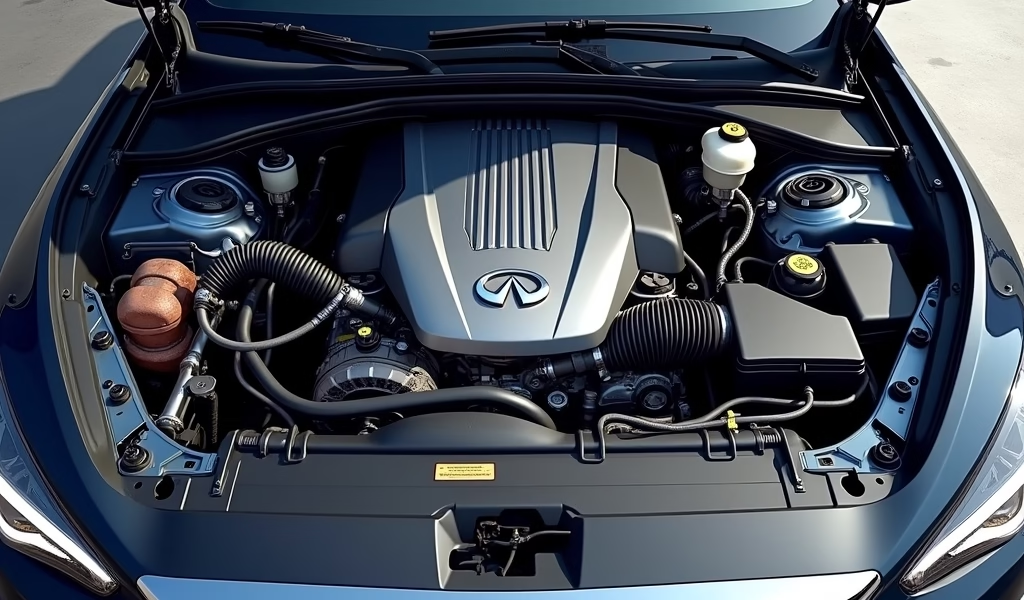
Let’s start with what makes the QX50’s engine special. The 2.0-liter VC-Turbo is the world’s first production variable compression engine. It’s a clever bit of engineering that can physically change how the pistons move, adjusting the compression ratio between 8:1 for maximum performance and 14:1 for better fuel efficiency.
This mechanical marvel produces 268 horsepower and 280 lb-ft of torque while delivering up to 26 mpg combined – numbers that would typically require a larger V6. The system works through a complex multi-link arrangement that actually changes the reach of the pistons inside the cylinders.
While innovative, this complexity introduces multiple potential failure points. Think of it like comparing a basic flip phone to a smartphone – the smartphone does more, but has more parts that can break. The VC-Turbo’s sophisticated design means more components operating under stress and heat, creating unique reliability challenges.

Common Engine Problems in the Infiniti QX50
After working on dozens of these vehicles, I’ve identified five recurring issues that plague the QX50’s engine. Let’s break them down:
1. Variable Compression System Failures
The heart of what makes this engine special is also its Achilles’ heel. The variable compression mechanism relies on actuator arms, control solenoids, and a multi-link system that operates under constant stress.
When these components begin to fail, you’ll notice:
- Inconsistent power delivery that feels like the car can’t decide how to accelerate
- Strange knocking or clicking sounds, especially during acceleration
- Check engine light with specific VC system trouble codes
- Sudden drops in fuel economy
In my shop, we’ve seen these issues emerge as early as 30,000 miles in some 2019-2020 models. Repairs typically cost between $1,200-$3,500 depending on which components need replacement. The real challenge is finding technicians who truly understand this proprietary technology – many shops will decline the work entirely.
2. Excessive Oil Consumption
The VC-Turbo engine has developed a reputation for drinking oil at an alarming rate. Some owners report adding a quart every 1,000-1,500 miles, which is far from normal for a modern engine.
This issue stems from several potential causes:
- Piston ring sealing issues allowing oil into combustion chambers
- Valve stem seals wearing prematurely
- PCV system problems recirculating too much oil vapor
Left unchecked, excessive oil consumption can lead to catalytic converter damage and eventually engine failure. I always tell my customers to check their oil level every two weeks, regardless of mileage. Don’t rely on the oil light – by then, you could be dangerously low.
3. Timing Chain Problems
The QX50’s engine uses a timing chain rather than a belt, which theoretically should last longer. However, we’ve seen premature stretching and tensioner issues in these engines, particularly in vehicles approaching 60,000-80,000 miles.
Warning signs include:
- Rattling noise from the front of the engine, especially during cold starts
- Check engine light with misfire or timing-related codes
- Rough running or hesitation during acceleration
- Metal particles visible in the oil during changes
A timing chain failure is catastrophic – we’re talking bent valves, damaged pistons, and potentially a full engine replacement costing $8,000+. The good news is that catching the problem early (at the first rattle) can save you thousands.
4. Turbocharger Failures
The turbocharger in the VC-Turbo engine operates under extreme conditions, spinning at over 200,000 RPM and enduring temperatures that exceed 1,500°F. These demanding conditions can lead to premature wear.
Symptoms of turbo problems include:
- Noticeable power loss, especially at highway speeds
- Whining or whistling noises during acceleration
- Excessive black smoke from the exhaust
- Oil leaks around the turbocharger housing
According to NHTSA complaint data, turbocharger issues typically emerge between 40,000-70,000 miles. Replacement costs range from $1,500-$2,800, depending on whether related components need repair.
5. Engine Control Module Glitches
The sophisticated brain controlling this complex engine sometimes gets confused. The ECM (Engine Control Module) in the QX50 has been known to develop software glitches that affect performance.
Common symptoms include:
- Random stalling or hesitation
- Erratic idle behavior
- False check engine lights
- Poor throttle response
Fortunately, many of these issues can be resolved with software updates. Infiniti has released several Technical Service Bulletins addressing ECM concerns. If your vehicle is still under warranty, these updates should be free of charge.
Warning Signs You Shouldn’t Ignore
After years of working on these engines, I’ve developed a sixth sense for when something’s about to go wrong. Here are the early warning signs that should send you straight to your mechanic:
Unusual Noises
The QX50’s engine should purr like a contented cat. Any ticking, knocking, or rattling sounds – especially when the engine is first started – deserve immediate investigation. These noises often indicate problems with the variable compression mechanism or timing chain.
Performance Changes
Has your QX50 lost its pep? Does it hesitate when you hit the gas? These subtle changes in how the car drives are often the first indication of developing engine issues. Pay particular attention to how the car behaves during acceleration from a stop.
Warning Lights
This might seem obvious, but I’ve had customers ignore check engine lights for months! In a sophisticated engine like the VC-Turbo, that warning light could be the difference between a simple fix and a complete engine rebuild. Even if the car seems to run fine, get that light checked promptly.
Fluid Leaks or Consumption
Finding spots on your driveway? Noticing your oil level dropping between changes? These are red flags that should never be ignored. The QX50 should hold its fluids perfectly between service intervals.
Strange Exhaust Smoke
The color of your exhaust can tell you a lot about your engine’s health:
- Blue smoke: Oil is burning (common with the QX50’s oil consumption issues)
- White smoke (when warmed up): Coolant is entering combustion chambers
- Black smoke: Fuel mixture problems, possibly turbo-related
Any of these smoke signals warrants immediate attention to improve your car’s performance and prevent further damage.
Preventative Maintenance Tips
An ounce of prevention is worth a pound of cure – especially with the QX50’s complex engine. Here’s my professional maintenance schedule to maximize your engine’s lifespan:
Oil Changes
Forget what the manual says about 7,500-mile intervals. With the VC-Turbo’s oil consumption tendencies, I recommend:
- Oil changes every 5,000 miles using only Infiniti-approved full synthetic 0W-20 oil
- Monthly oil level checks (more frequently if you’ve noticed consumption)
- Using OEM oil filters or premium aftermarket equivalents
The right oil is crucial for this engine – it lubricates not just conventional components but also the precision parts of the variable compression system. According to Consumer Reports, using incorrect oil can accelerate wear on critical engine components.
Timing Chain Inspection
Have your timing chain inspected at 60,000 miles, even if you’re not hearing noise. A trained technician can check for stretch and tensioner wear before catastrophic failure occurs. This preventative step could save you thousands.
Fuel System Maintenance
The direct injection system in the VC-Turbo engine is prone to carbon buildup. Every 30,000 miles, consider:
- Fuel injector cleaning service
- Intake valve cleaning (may require walnut blasting for severe buildup)
- Using top-tier premium fuel with detergent additives
These steps help maintain proper fuel atomization and prevent performance issues related to carbon deposits.
Cooling System Care
The VC-Turbo runs hot, making cooling system integrity critical. Every two years:
- Replace coolant with Infiniti-approved blue coolant
- Pressure test the cooling system for potential leaks
- Inspect the water pump for early signs of failure
Overheating events can be particularly devastating to this engine, so proper cooling system maintenance is essential for longevity.
DIY vs. Professional Repairs
I love a good DIY project, but the QX50’s engine presents unique challenges. Here’s my honest assessment of what you can tackle yourself versus what’s best left to professionals:
DIY-Friendly Tasks
Even with limited mechanical experience, you can safely handle:
- Regular oil level checks
- Air filter replacement
- Basic diagnostic scanning with an appropriate OBD-II tool
- Battery maintenance and replacement
These basic maintenance items can save you money without risking damage to your sophisticated engine.
Leave to the Professionals
I strongly recommend professional service for:
- Anything related to the variable compression system
- Timing chain inspection or replacement
- Turbocharger service
- ECM programming or updates
- Diagnosis of unusual noises or performance issues
The specialized nature of the VC-Turbo means even experienced DIYers can cause more harm than good when addressing these complex systems. The cost of professional diagnosis is cheap insurance against a potential $8,000+ engine replacement.
Cost Expectations for Repairs
Let’s talk money – what should you budget for potential repairs? Based on my shop experience:
Common Repair Costs
- Variable compression system repairs: $1,200-$3,500
- Oil consumption diagnosis and repair: $800-$2,200
- Timing chain replacement: $1,800-$2,800
- Turbocharger replacement: $1,500-$2,800
- ECM reprogramming: $200-$600
- Complete engine replacement: $8,000-$12,000
Dealer service typically costs 20-40% more than independent specialists, but they have better access to Infiniti’s proprietary diagnostic tools and technical information.
For owners of 2019-2020 models especially, I recommend looking into extended warranty coverage that specifically includes the variable compression system components. A good extended warranty can pay for itself with just one major repair.
Conclusion
The Infiniti QX50’s VC-Turbo engine represents an ambitious engineering achievement that, unfortunately, comes with some growing pains. As a technician who’s worked on these engines since their debut, I can tell you they require more attention than conventional powerplants.
That said, with proactive maintenance and early intervention when problems arise, your QX50 can provide many years of enjoyable driving. The key is understanding the unique needs of this sophisticated engine and addressing small issues before they become major expenses.
Remember to check your oil regularly, listen for unusual noises, and build a relationship with a technician who understands these engines. Your wallet – and your Infiniti – will thank you for it.
By staying ahead of potential problems, you can enjoy the impressive performance and efficiency of your QX50 without the stress of unexpected breakdowns and costly repairs. The extra attention this engine requires is the price of admission for owning such innovative technology.
Frequently Asked Questions
What is the most common engine problem in the Infiniti QX50?
Variable compression system failures and excessive oil consumption are the most reported issues. These typically manifest between 30,000-60,000 miles and can lead to expensive repairs if not addressed promptly.
How often should I check the oil level in my QX50?
Check your oil level every two weeks or 500 miles, whichever comes first. Many QX50 engines consume oil at higher-than-normal rates, making regular monitoring essential for preventing engine damage.
Does the QX50 require premium fuel?
Yes, the QX50’s VC-Turbo engine requires premium (91+ octane) fuel. Using regular gas can cause knocking, reduced performance, and potential long-term engine damage.
Which model years of the QX50 have the most engine problems?
The 2019 and 2020 model years experience the highest rate of reported engine issues. Later models show incremental improvements as Infiniti refined the technology.
How much does it cost to replace a QX50 engine?
Complete engine replacement typically costs between $8,000-$12,000 including parts and labor. This high cost makes preventative maintenance extremely important for this vehicle.